Modern versus traditional architecture

Modern versus traditional architecture
Traditional architecture: what is it?
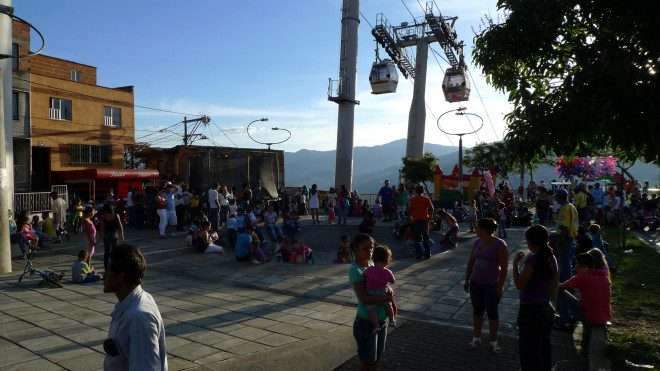
Architecture is more than simply a building’s appearance and aesthetics; it also lays out the structure’s practical goals. Therefore, contrary to popular belief, change is the only constant. And it shares similarities with the architectural field. Architecture has changed over time to meet the demands of the times, much like all other disciplines. Every nation would have distinctive national architectural traditions that are essential to its cultural, social, religious, and geological identities.
A vernacular structure like this is frequently referred to as traditional architecture. Modern architecture is the alternative. The 20th century saw the beginning of the modern architecture movement. In contrast to its traditional counterpart, modern architecture is thought to be completely different.
The definition of modern architecture
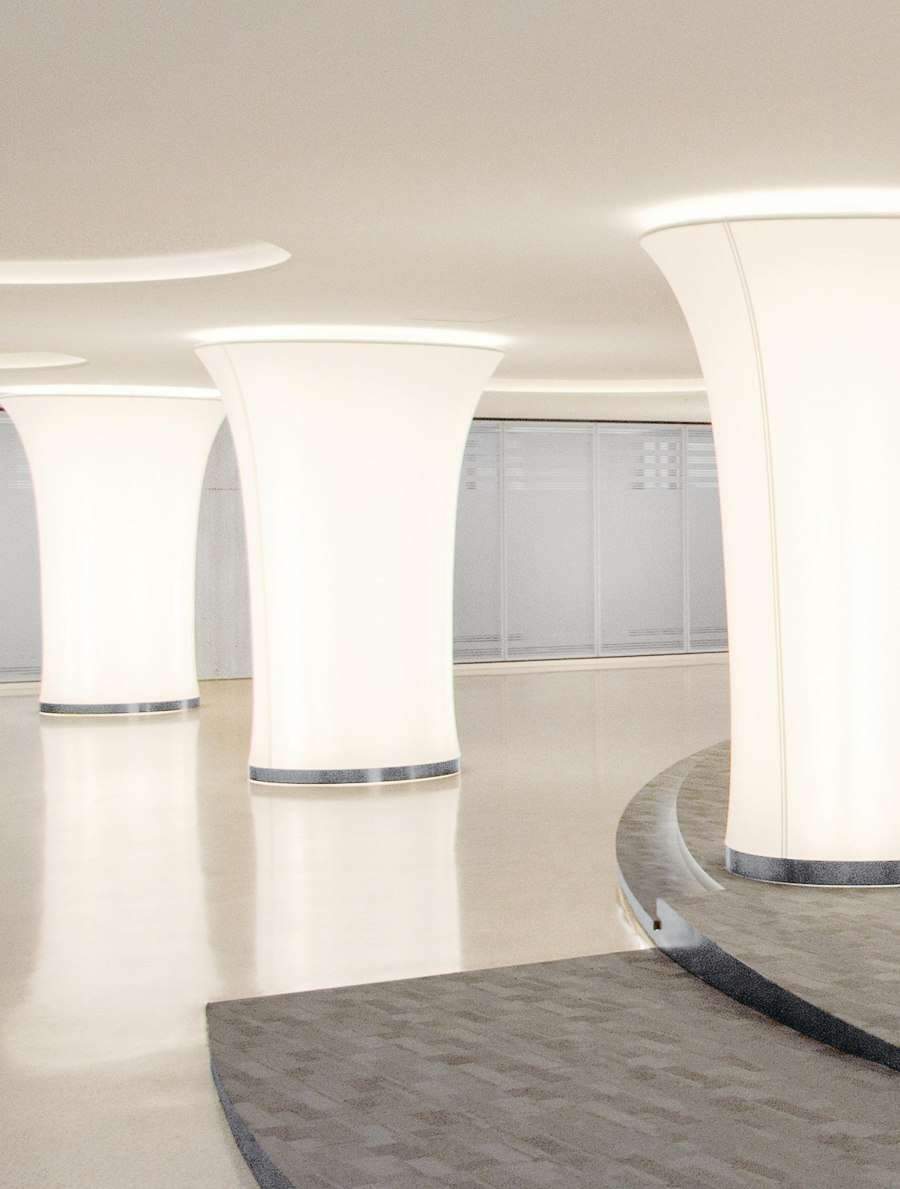
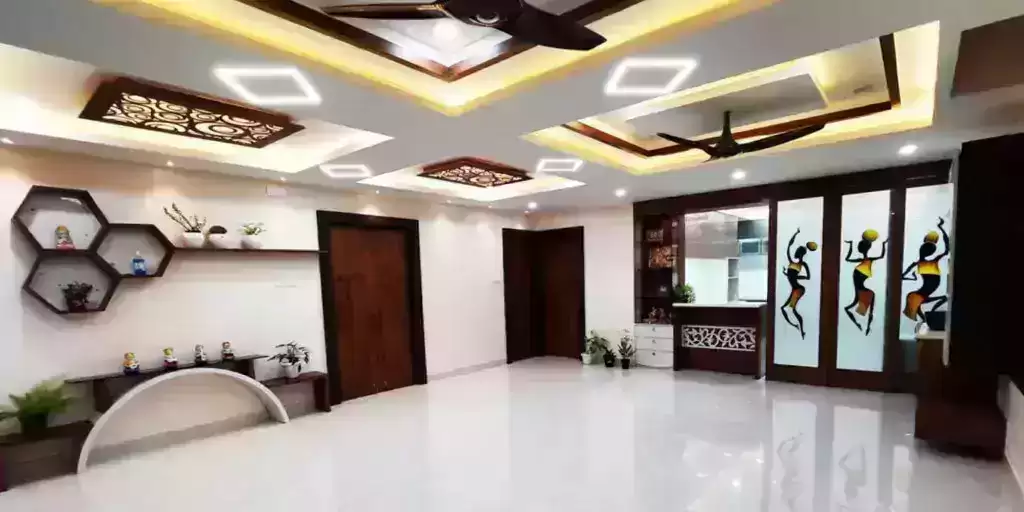
Modern architecture, in contrast to earlier styles, is defined by the reduction of forms by the removal of excessive adornment. Traditionalist architects and designers frequently disagree with those who appreciate modern architecture. In terms of environmentally friendly architectural designs, one contends to be in a better position than the other.
Modern versus traditional architecture
But, the truth is that both traditional and modern architecture have advantages that can be used to support an eco-friendly way of life. Let’s delve more into the benefits that both stylings have to offer.
Environment-friendly Method:
The main focus of traditional architecture, commonly referred to as vernacular architecture, is the use of environmentally friendly building materials. Now, the threat posed by climate change is plainly visible. Contrary to modern construction, modifying buildings to meet local building requirements can significantly reduce their carbon impact. In order to better endure extreme weather events like hurricanes, earthquakes, landslides, etc., this also entails creating more durable homes.
Cost-effective:
Because that most of the materials used in traditional building are local and natural, it is inexpensive. Contrary to contemporary architectural ideas, finishing materials could be pricey. Also, unlike modern architecture design, the workmanship involved does not require sophisticated machinery for processing or installation.
Low Maintenance and Energy Efficient:
The use of energy-efficient materials in traditional construction over modern architecture is one of the main reasons why it is preferred. It is typically regarded as being more resilient than contemporary architecture. For instance, constructions like stone limits might last for a thousand years or longer with little to no upkeep. Modern architectural designs typically only endure a generation or less before requiring expensive maintenance.
More on INJ Architects:
Civil Engineering VS Architecture. What Degree To Pursue in 2023?