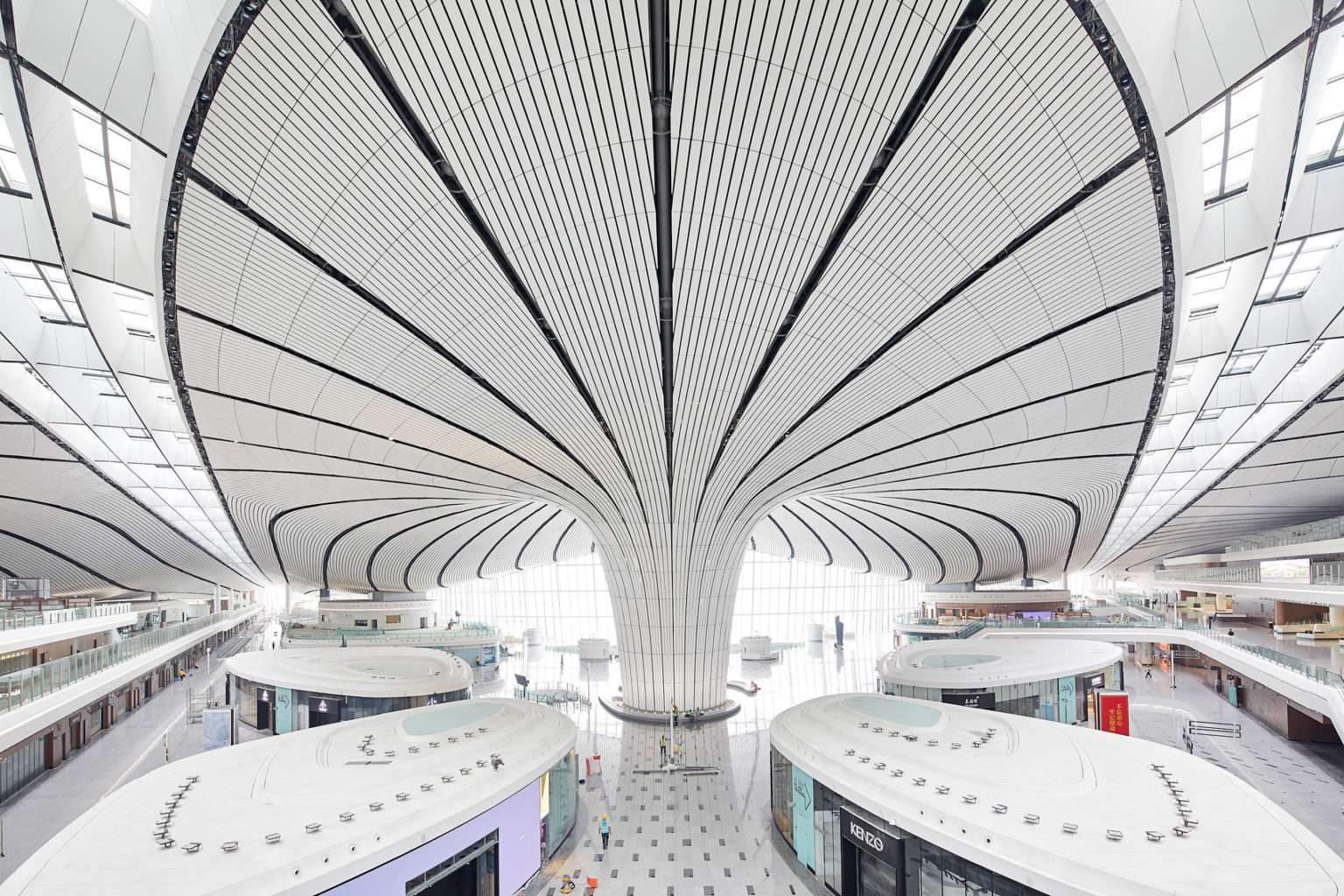
Suspended ceilings and the materials used to create them

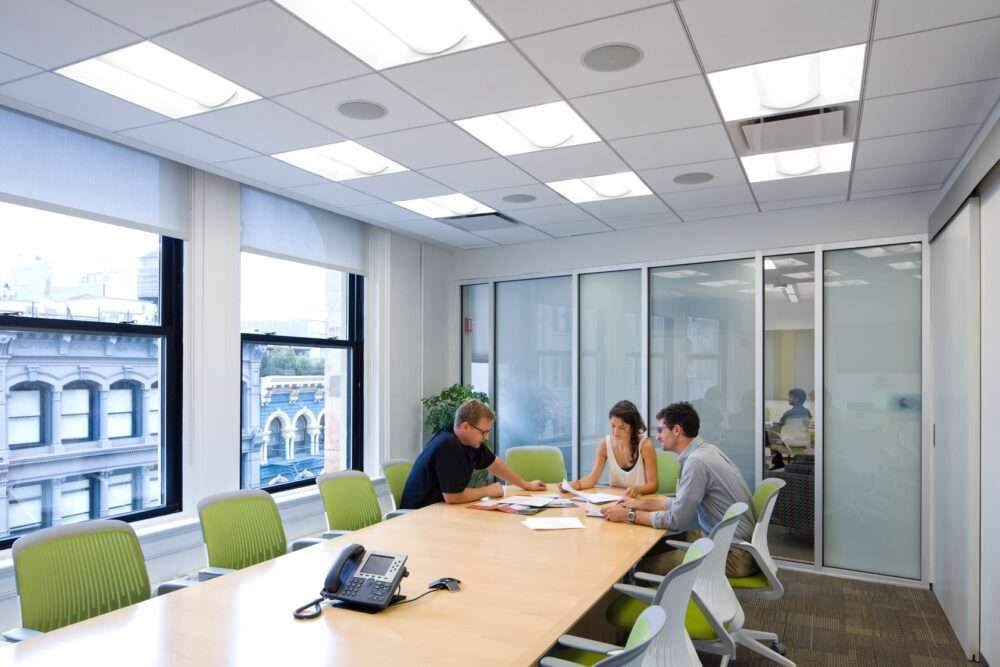
Suspended ceilings and the materials used to create them
Suspended ceilings are used in basements and commercial buildings. Systems with removable panels allow access to wiring and pipes in the ceiling void.
In demountable systems, panels can be removed and reinstated after maintenance according to the system instructions.
Damaged panels can be replaced with compatible products; costs depend on the product and work required.

hanging ceiling
A suspended ceiling hangs below the structure. The void depth depends on the suspension system, services and project requirements.
Materials used in the manufacture of suspended ceilings
All structures, whether residential or commercial, have some basic features that are common to all.
Some of these basic elements include doors, windows, walls and ceiling to stabilize the structure.
Nowadays ceilings have been modernized and people have turned to suspended ceilings.
These are also known as suspended ceilings,
as they help to increase the aesthetic appeal of a space.
There are different types of suspended ceilings that people can choose to install in their office and residential spaces.
Suspended ceilings are fixed with the help of brackets under the ceiling slab,
thermal performance must be assessed for the complete ceiling assembly.
Suspended ceilings are also used in the case of residential and commercial constructions,
however, the materials used in both cases may vary depending on the requirements of clients and different purposes.
Here are some of the common materials used to make suspended ceilings along with the type of construction they are most suitable for:
gypsum
Gypsum is hydrated calcium sulfate. Fire resistance and acoustic and thermal performance depend on the tested ceiling assembly, not the material name alone.
They are usually in the form of square panels and an iron frame is used to hang them, which is most suitable for use in residential spaces such as living rooms and bedrooms.

plaster of paris
When gypsum is heated to a certain degree, it results in the formation of plaster of paris.
This material is easy to maintain and has a long service life.
It is both functional and aesthetically pleasing,
and can be used to form decorative ceiling finishes.
It is known to give a great finish to the ceiling structure,
so it is suitable for use in bedrooms and living rooms.
The fiber
It is one of the most affordable and pocket-friendly options for suspended ceiling materials,
as its affordability makes it a popular choice among customers.
This variety of materials is also easy to install,
the panels are made of synthetic and natural minerals and are available in a variety of sizes and shapes.
Fiber material is most suitable for building false ceilings in showrooms and offices.

Metal
Metal ceiling systems vary; check the product specification for the metal and its finish.
These suspended ceilings can be installed at low labor cost and are very durable.
This option of suspended ceilings is most suitable for offices and other commercial spaces.
The panels are also easy to reattach and remove, if necessary.
Synthetic leather or fabric
These materials can be customized in any shape,
design and size because they are made of faux leather or fabric.
It also improves the appearance of a space and is also used to decorate interior spaces.

wood
Those people who are trying to give their homes an antique and rustic look can use wood as a material for the suspended ceiling.
It preserves the natural beauty of the place and gives it a modern look and feel at the same time.
And clients can use these materials in the living room to give it dimension.
Gyptone
Gyptone perforated gypsum ceilings absorb sound and help reduce reverberation, depending on the system selected.
Follow the manufacturer’s cleaning and repainting instructions to preserve acoustic performance.
For more architectural news
Editorial review and correction — 18 October 2026: Errors in the earlier version were corrected, including sound absorption rather than reflection and air conditioning, and overgeneralised fire-performance and ceiling-void claims, and image descriptions were updated. Reviewed by Archive Data Agent.