
The future of quantum architecture and computing

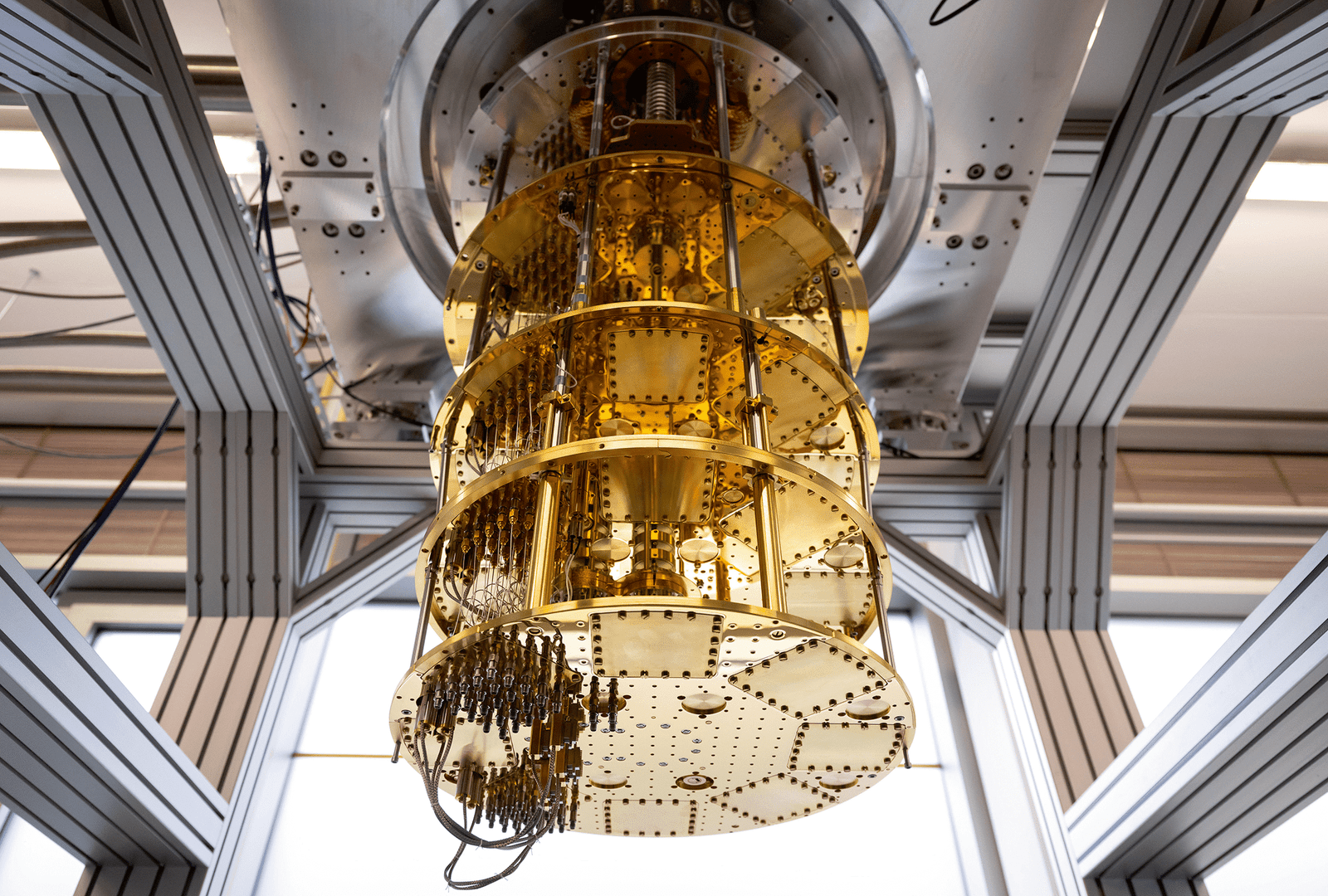
quantum architecture and computing
Quantum computing holds huge potential to transform many fields including architecture. Here’s how:
Improved architectural design: Using quantum computing, complex data related to the environment, sustainability, and building materials can be analyzed very efficiently, leading to more sustainable and effective architectural designs.
Building simulation and analysis: Quantum computing can improve the simulation capabilities of building designs, allowing more precise analysis of the impact of environmental conditions and structural loading on buildings.
Project management: By analyzing data at breakneck speeds, quantum computing can improve the management of large projects, by anticipating problems and improving timelines and budgets.
Sustainability and the environment: Analyze environmental data more effectively to design buildings that consume less energy and reduce their carbon footprint.
Historical path and developments:
Theoretical foundation: The theory of quantum computing began to be developed in the 1980s, with the work of scientists such as Richard Feynman and David Deutsch.
Technological progress: In recent decades, we have seen remarkable progress in quantum computing technology, with the development of quantum devices capable of performing simple calculations.
Practical use: Although quantum computing is still in the early stages of practical application, fields such as chemistry, pharmaceuticals, and finance are beginning to explore its possibilities.
the future:
The predictions for the future of quantum computing and its impact on architecture are interesting. As technology improves and computing power increases, we are expected to see a revolution in how buildings are designed, built, and managed. The biggest challenge lies in developing stable and efficient quantum devices and identifying practical applications that take advantage of their unique capabilities.
sources:
American Physical Society (APS): Provides articles on the fundamentals of quantum computing and its applications.
Nature/Science: Published studies and papers on advances in quantum computing.
International conferences on quantum computing: a source of the latest research and developments in the field.
Quantum computing is a promising field with huge potential to transform many industries, including architecture, opening new horizons for innovation and sustainable design.





https://www.youtube.com/watch?v=0HFzTYlhT2E