About ArchUp

Home » About ArchUp

What is ArchUp?

ArchUp is an independent bilingual platform for architecture, design, urbanism, construction, and material innovation. Founded in 2019, we document the built environment through news, projects, competitions, events, and research — in Arabic and English, for a global audience of architects, designers, contractors, students, researchers, and anyone who cares about what gets built.

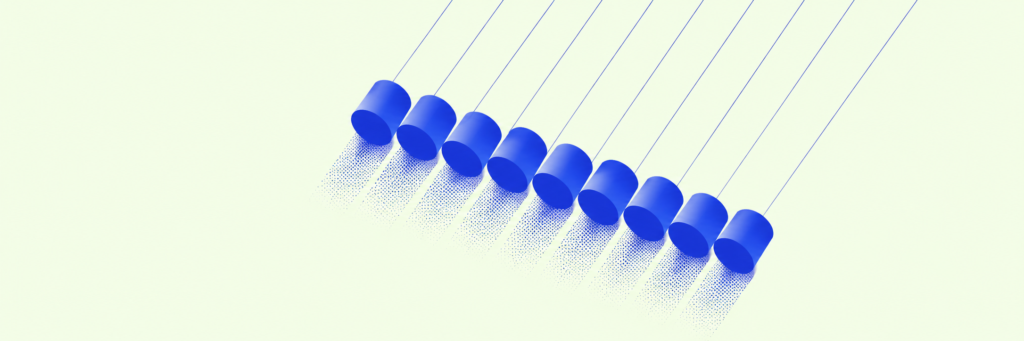
ArchUp minimalist wide header graphic featuring a diagonal row of blue cylinders suspended by thin lines, resembling a digital Newton's cradle, casting stippled halftone shadows against a pale background
This dynamic isometric header illustrates the synchronized flow of architectural knowledge, operating as a visual metaphor for momentum and continuous data exchange within the ArchUp platform.

ArchUp approaches architecture as a cultural document, not a promotional product. Our editorial philosophy is built on analytical clarity, evidence-based critique, and a multi-step review system that ensures accuracy, neutrality, and long-term archival value. While AI tools may assist in research or classification, the narrative, critique, and contextual interpretation remain fully human, preserving the intellectual integrity of our work. Above all, ArchUp is a public platform: we write for students, professionals, researchers, and general readers alike, affirming that architecture belongs to everyone.

Our Story: How and Why We Started

ArchUp was founded in 2019 with a clear mission: to bridge the gap in Arabic-language architectural content. What began as a personal response to that gap has grown into a global bilingual platform — an open archive of projects, competitions, materials, and research, read across the world while keeping its cultural roots intact.

Discover how a personal experience transformed from a humble bookshelf into a bilingual architectural platform, now disseminating architectural news to the world.

Our Architectural Perspective

Architecture, for us, is not a parade of forms or a sequence of glossy headlines.
It is a cultural memory, a civic obligation, and the most permanent reflection of how societies understand themselves.
At ArchUp, we approach architecture as an intersection of people, materials, politics, economy, climate, and lived experience. It is never disconnected from the city that holds it or the community that negotiates it.

We believe that every building carries a story:
a story of decisions, constraints, ambitions, compromises, and the invisible labor behind every drawing and every cubic meter of concrete.
Architecture is not a neutral act. It shapes the way people move, gather, resist, belong, and aspire.

Our perspective is global and human-centered.
A project interests us when it reveals something about the world around it: its material intelligence, its environmental attitude, its urban consequences, its cultural resonance, or its ethical stance.

We do not ask: Who designed it?
We ask: What does it mean? Who does it serve? Why does it matter?

This is the foundation of ArchUp’s identity:
a platform where architecture is understood not as an industry of perfect imagery, but as a living discipline that shapes the everyday life of cities and people. Sustainability is not a separate department here — it is a structural question we ask of every project we publish.

What ArchUp Stands For

ArchUp is built on a simple but firm set of principles:
we prioritize architectural value over visibility, integrity over convenience, and public knowledge over personal promotion.

We are not a PR platform.
We do not publish disguised marketing nor add names to please anyone.
Projects appear on ArchUp when they contribute something meaningful to the architectural conversation — an idea, a material insight, a civic gesture, or a cultural relevance.

Our commitment is to the reader: clarity, honesty, and respect.
We maintain a balanced language that avoids exaggeration, keeps the focus on architectural worth, and gives space to emerging designers whose work carries genuine value, regardless of scale or fame.

ArchUp stands for transparency, cultural relevance, and intellectual independence.
These are not slogans — they are the foundation of how we choose, write, and publish. Read our full Editorial Guidelines.

✦ Our Critical Conscience

The ArchUp Editorial Insight that closes many of our articles is not a summary, and not an endorsement. It is an independent critical reading — one that examines what the article did not say: the economic, structural, and behavioural forces beneath the architecture.

It may contradict the author. It may challenge the framing. It may expose assumptions the author did not address.

This applies without exception — to guest critics, to new writers, and to our own Editor-in-Chief. No academic standing and no professional experience exempts anyone from critical reading.


If your analysis can be attacked emotionally, you have failed. If it can only be challenged by changing the economic or structural system that produced the architecture, you have succeeded.

A platform that only amplifies its own voices is not a platform. It is a broadcast.

ArchUp blue halftone graphic showing a distressed person sitting with their head in their hands inside a swirling digital vortex, surrounded by a rabbit, a pixelated skull, question marks, and browser windows displaying an eye and a maze.
This evocative illustration serves as a visual manifesto for our platform, highlighting the psychological toll of information overload, endless digital rabbit holes, and internet “brain rot.”

How to Engage With ArchUp

ArchUp is designed as a platform you can actively use, not just read. The site is structured to help readers explore architecture across themes — projects, materials, cities, sustainability, and competitions — and to understand how these threads connect. Use our Site Guide to navigate the full archive.

Readers can expect thoughtful, unsponsored analysis, honest coverage, and projects selected for their substance rather than their publicity. Corrections supported by evidence are welcomed; attempts to reshape content for branding purposes are not.

Architects, students, and researchers can submit their work for consideration through our Contact page. What matters is clarity and relevance, not status. Before submitting, please review our Editorial Guidelines.

ArchUp positions itself globally between design media and cultural critique: independent like a journal, accessible like a platform, and rooted in a deeper conversation about how the built environment shapes our lives.

The Meaning Behind the Logo: ArchUp’s Symbolism

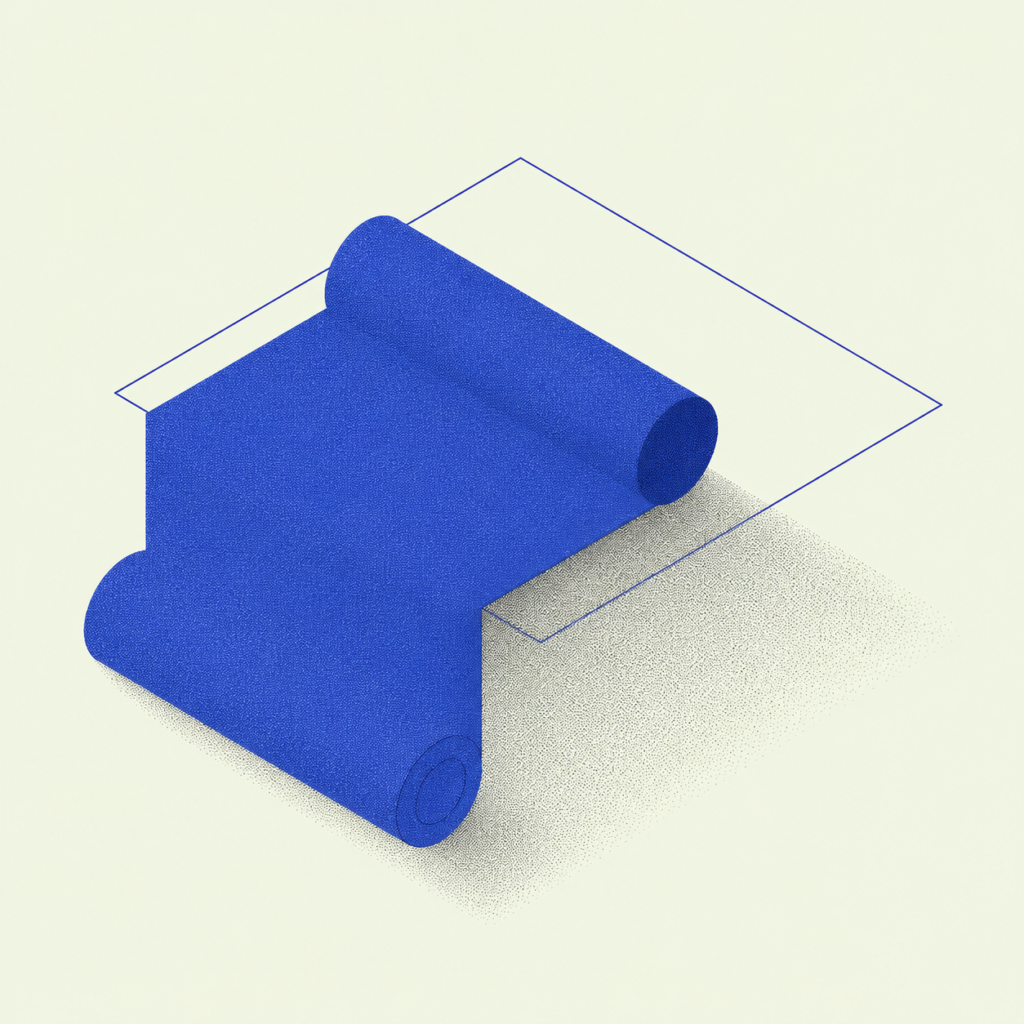
ArchUp minimalist isometric graphic of a textured blue rolled blueprint draped over a geometric edge with a thin wireframe square and halftone shadow against a pale background
This conceptual isometric illustration transforms the traditional rolled blueprint into a dynamic digital form, representing ArchUp’s modern approach to architectural media.

Architectural Blueprint Roll – The Foundation of Our Identity

Architects traditionally store blueprints in cylindrical rolls, preserving their designs for future use. This iconic form symbolizes the essence of documenting, organizing, and protecting architectural knowledge, much like how ArchUp curates and safeguards the latest insights in architecture and design.

The Process of Storing Architectural Knowledge – The Digital Parallel

Just as blueprints are carefully rolled and secured, ArchUp digitally preserves architectural news, competitions, and research. This stage represents the structured organization of architectural data, ensuring that every valuable insight is kept intact and easily accessible.

ArchUp minimalist isometric graphic showing a vertical blue wireframe cylinder with a solid halftone-textured top casting a long diagonal stippled shadow against a pale background
This minimalist wireframe illustration represents the structural foundation and transparent data architecture central to the ArchUp platform.
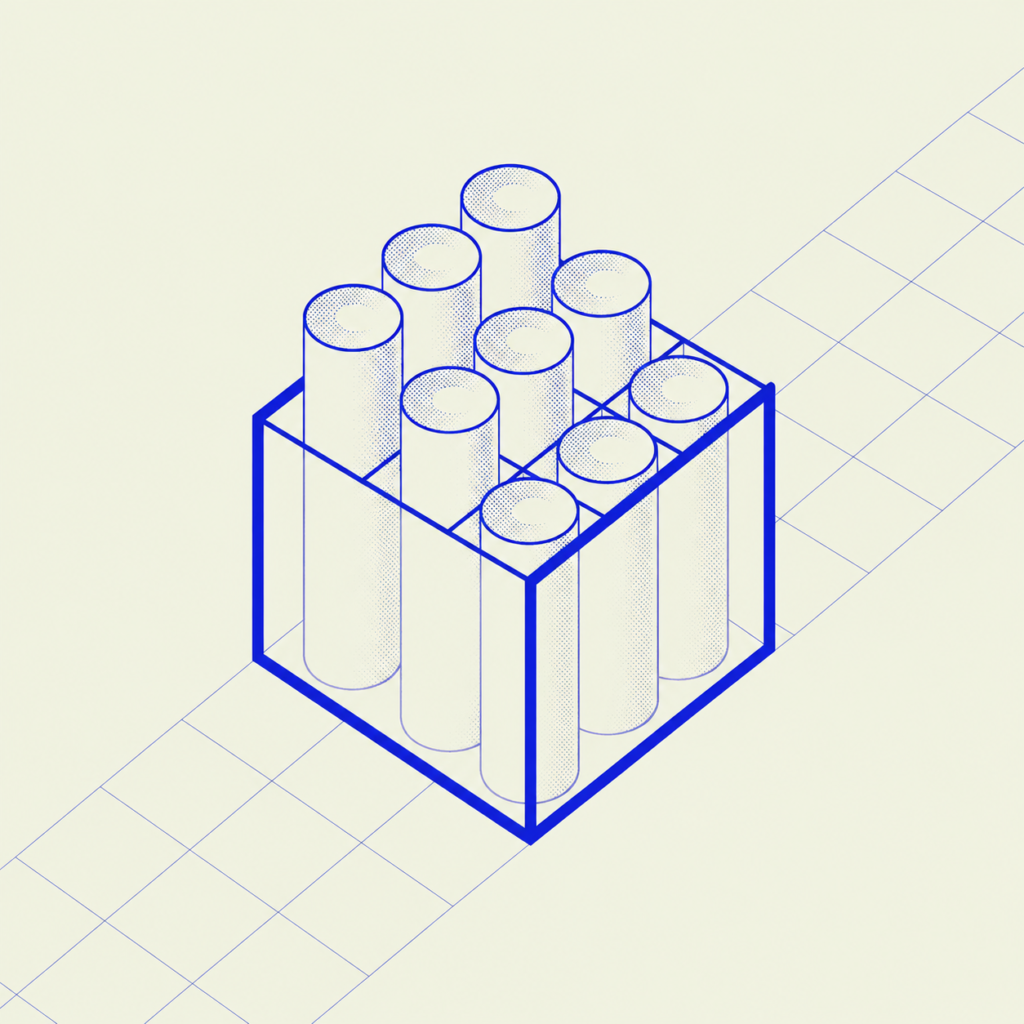
ArchUp minimalist isometric blue line art graphic featuring a transparent wireframe cube holding nine vertical halftone-textured cylinders positioned on a spatial grid
This conceptual graphic visualizes the ArchUp digital repository, illustrating the systematic organization and archiving of architectural knowledge.

The ArchUp Archive – A Digital Repository of Architectural Excellence

The final stage mirrors how stored blueprints become part of a well-organized archive. ArchUp functions as a perpetual digital archive — browse the full Article Archive, where architectural projects, trends, and research are systematically categorized and made accessible to readers worldwide.

Our Editorial Team & Process

At the heart of ArchUp is our editorial team — writers, researchers, and practising professionals. Every article passes through editorial review: facts are verified, marketing language is removed, missing context is added, and an analytical layer is applied. No content is auto-published, and no article appears without a responsible editor.

Contact Us

Whether you have a question, a partnership proposal, or a project to submit — get in touch. Our team routes every message to the appropriate department. For editorial matters, submissions, legal notices, or technical support, the full contact directory is on our Contact page.


ArchUp minimalist isometric graphic featuring six vertical blue halftone cylinders arranged systematically on a digital grid plane, casting structured textured shadows against a pale background
This conceptual illustration utilizes arranged data cylinders to represent the structured editorial guidelines and organized knowledge architecture that govern the ArchUp platform.