
The Drain Ends Above the Pavement. Why Is the Walkway Always Wet?
A study of wet-floor friction shows why an air-conditioner condensate outlet must be coordinated with the pavement, pedestrian route and commissioning process.
Research and critical inquiry into how buildings and cities are conceived, used and transformed. Articles examine spatial behaviour, design methods, technology and environmental performance, connecting architectural questions with evidence and their implications for practice.
Read related project studies, explore urban planning and material research, or consult our editorial guidelines for the publication’s approach to sources and analysis.
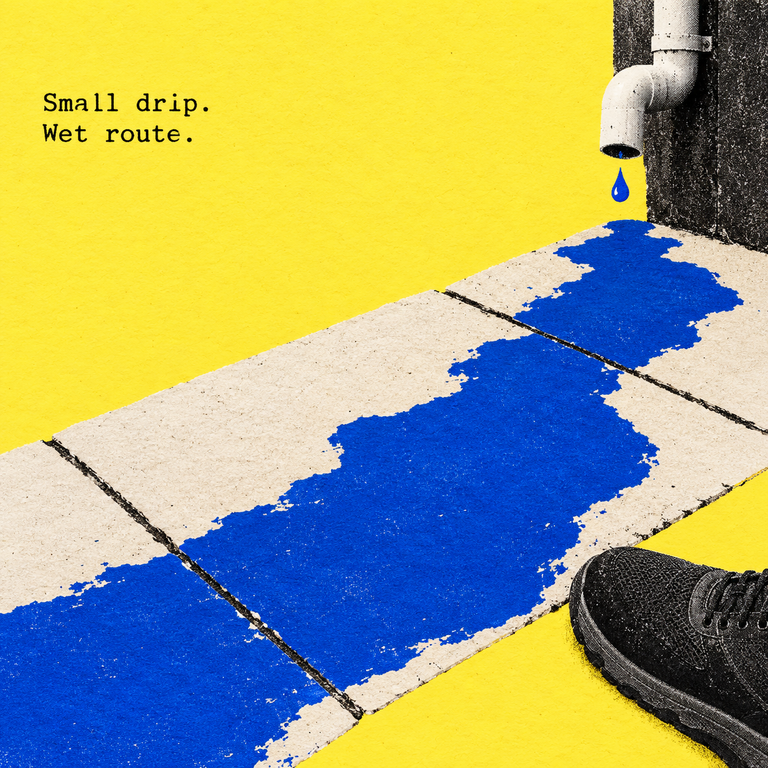
A study of wet-floor friction shows why an air-conditioner condensate outlet must be coordinated with the pavement, pedestrian route and commissioning process.
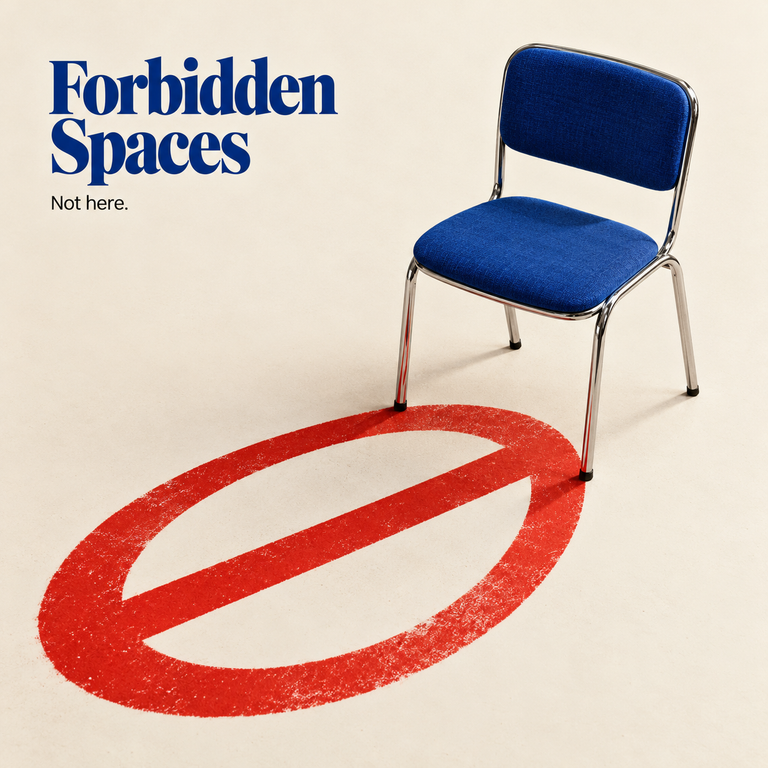
A comparative study across six countries examines how activity bans, zoning, exceptions and exclusion shape the spaces architects can design.
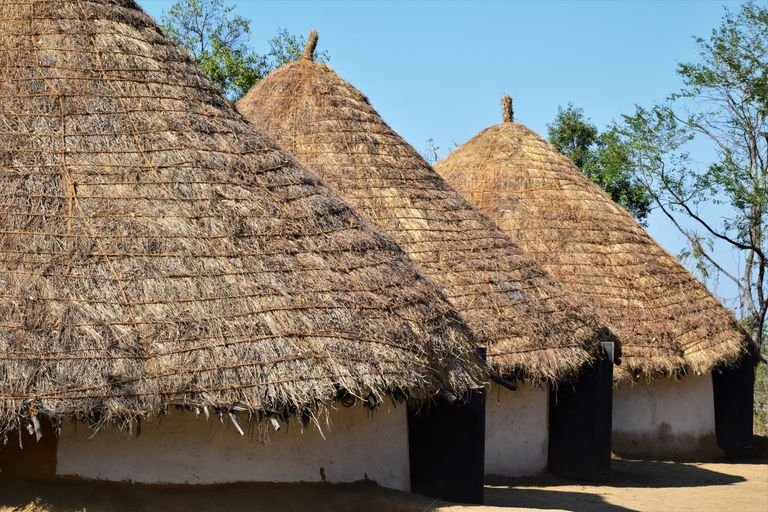
An architectural reading of the Swazi homestead through Kuper and Russell, exploring spatial organisation, kinship, shared space and assumptions in housing briefs.

A research-based reading of extinguisher colour, low-light visibility, safety requirements and the interior designer’s responsibility for recognition and access.

A charging cable can fail to reach even when the equipment is present. Research on real charging sessions reframes the parking bay as a coordinated space for vehicles, bodies and cables.
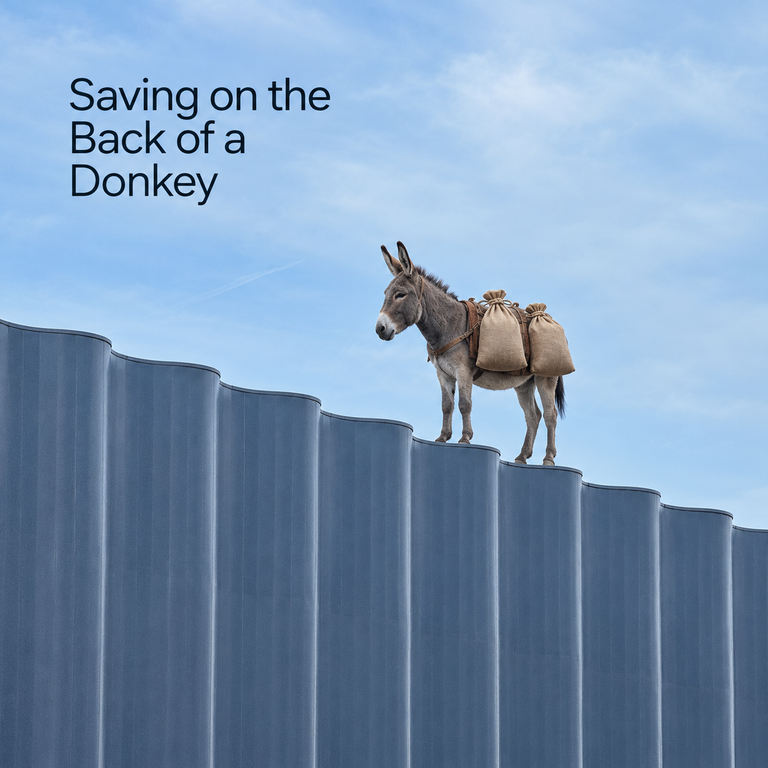
Saving money or labor requires reliable vessels, as cash and poorly designed buildings lose value over time through inflation, maintenance,…
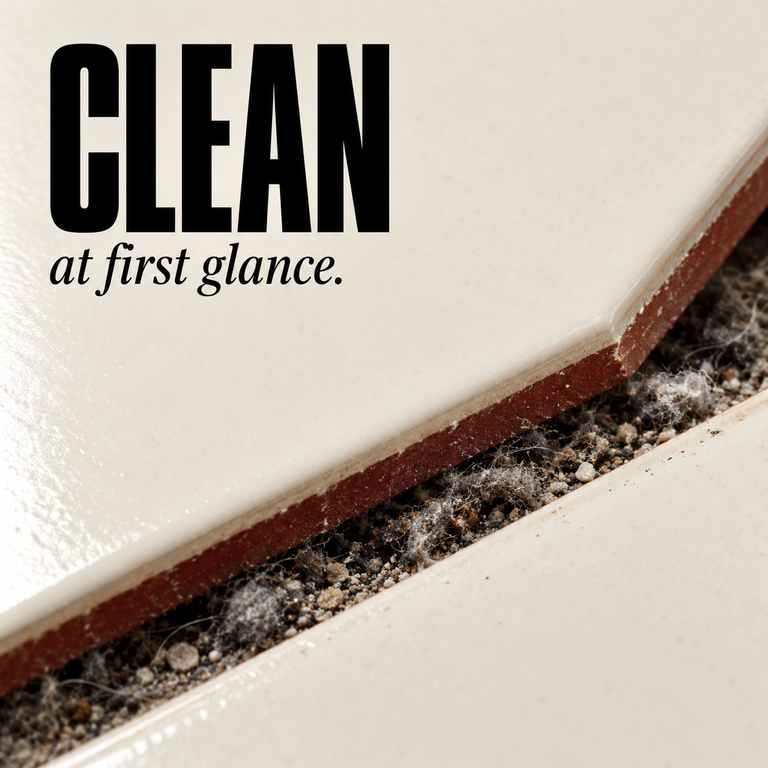
A research-led classification of microbial contamination across interior uses, connecting contact surfaces, maintenance access and design details.
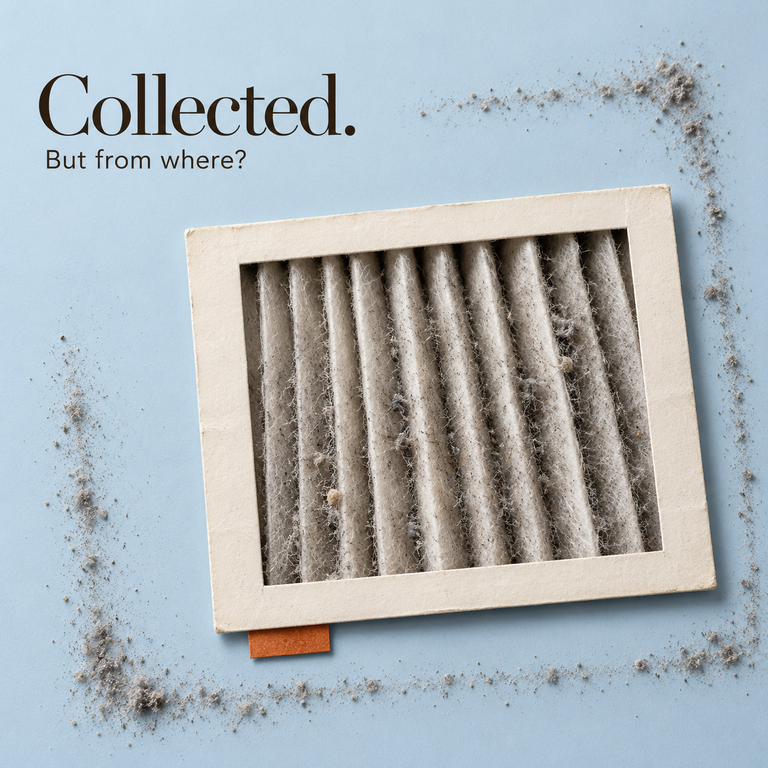
What portable air cleaners can remove, why visible lint remains, and how room-level performance differs from a product claim.

Imagine you could stop time on the afternoon of the fourteenth of July, 1789, in the instant the crowd poured…

Research on thermal and tactile wetness cues suggests a bathroom testing question: how should measured surface water, user experience and operational acceptance be separated?

Owl-wing research shows that fringed and serrated edges can alter aerodynamic noise—but also that the effect may fail when geometry changes. What would a rigorous façade test look like?
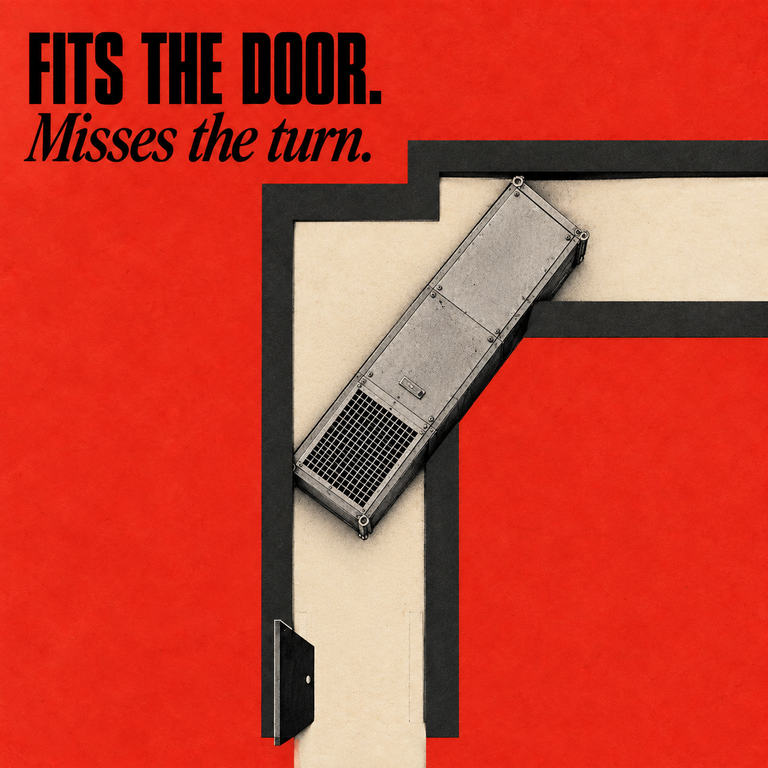
A study of cooperative transport in humans and ants raises a practical architectural question: how should a building prove that equipment can be removed and replaced after completion?
A bedroom can satisfy a visual lighting schedule while remaining biologically bright. Research on evening-light sensitivity suggests a different handover test.
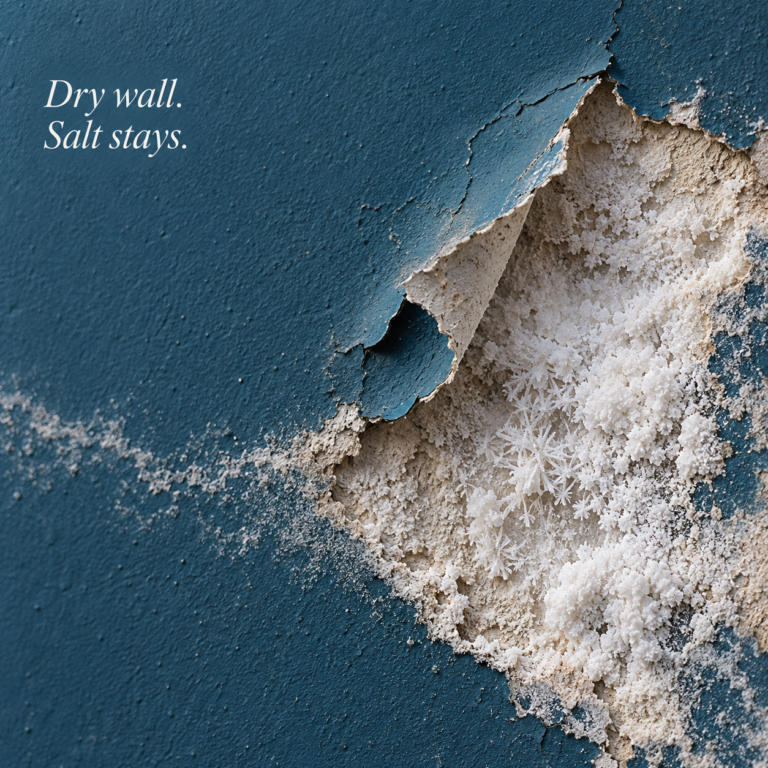
Salt damage is a problem of confined crystal growth, not merely a stained surface. What laboratory physics changes about testing and accepting masonry repairs.
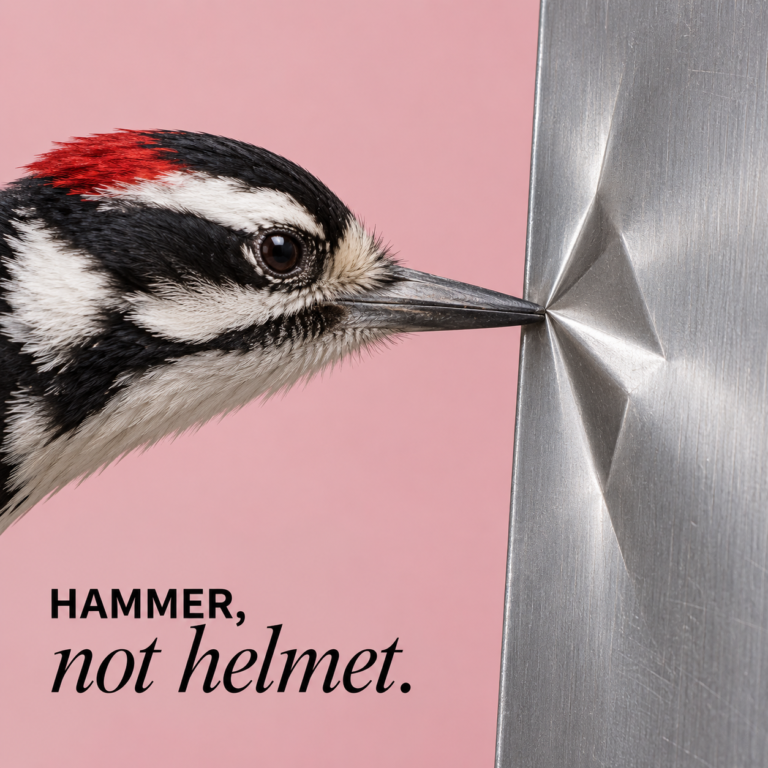
A woodpecker study overturns a familiar biomimetic claim. ArchUp translates the correction into a test protocol that separates surface survival from force transmitted through a facade assembly.
Can reliable work windows change how occupants experience renovation noise? ArchUp develops a testable proposal from research on uncertainty and acute stress.
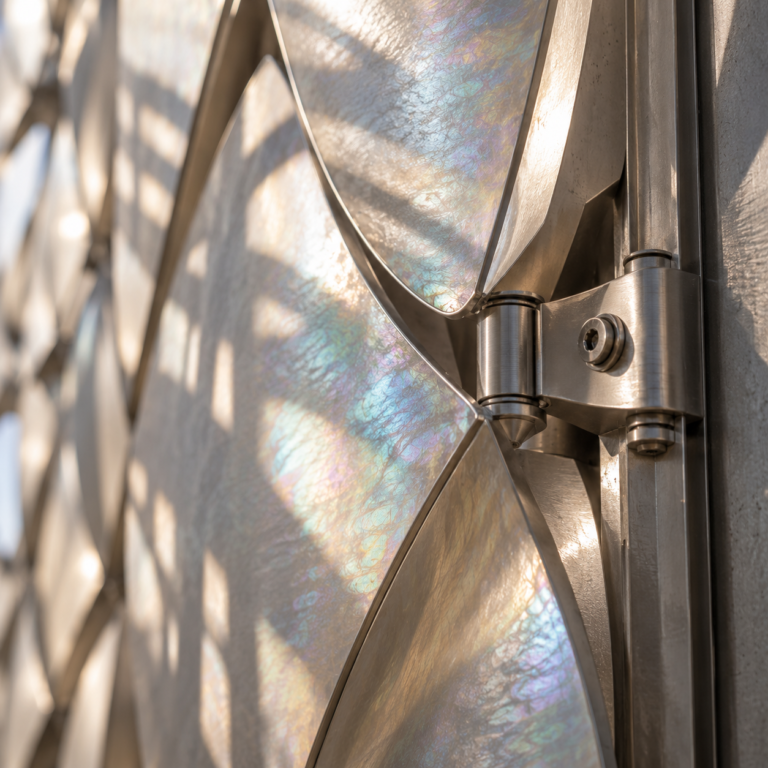
A titanium fatigue study prompts a testable question for moving facades: does a surface treatment retain its advantage after connection fabrication and assembly?
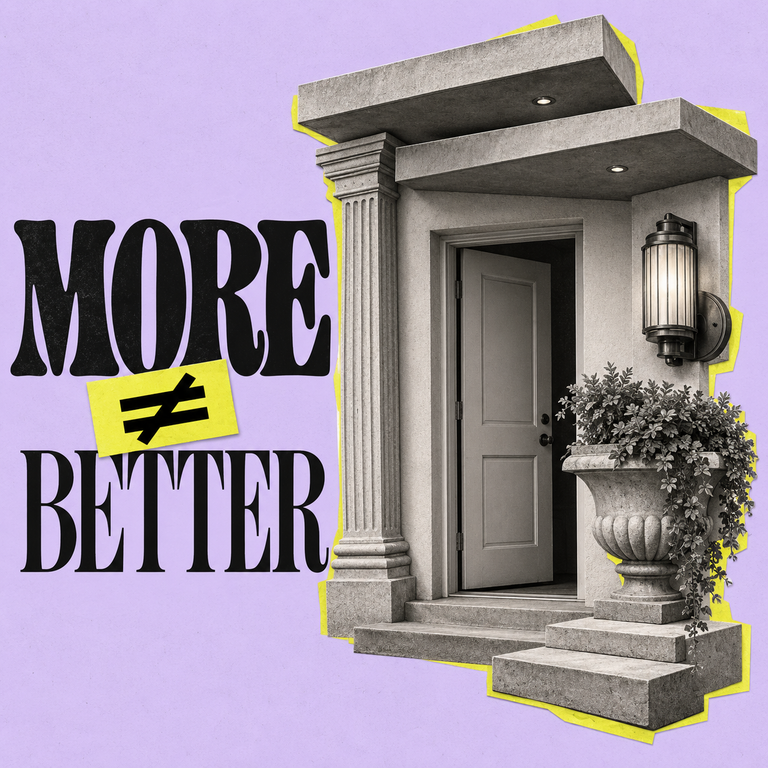
Does AI-assisted design overlook useful subtraction? A research proposal tests how design briefs influence scope, function and maintenance at the residential entrance.
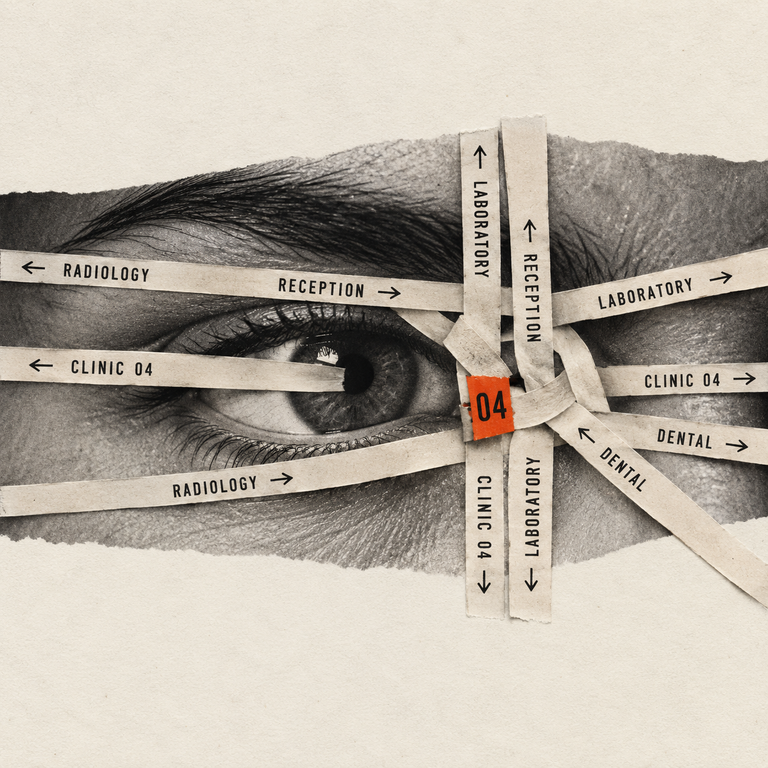
A research-led proposal for testing clinic wayfinding within its surrounding visual scene, separating laboratory evidence from an architectural hypothesis.
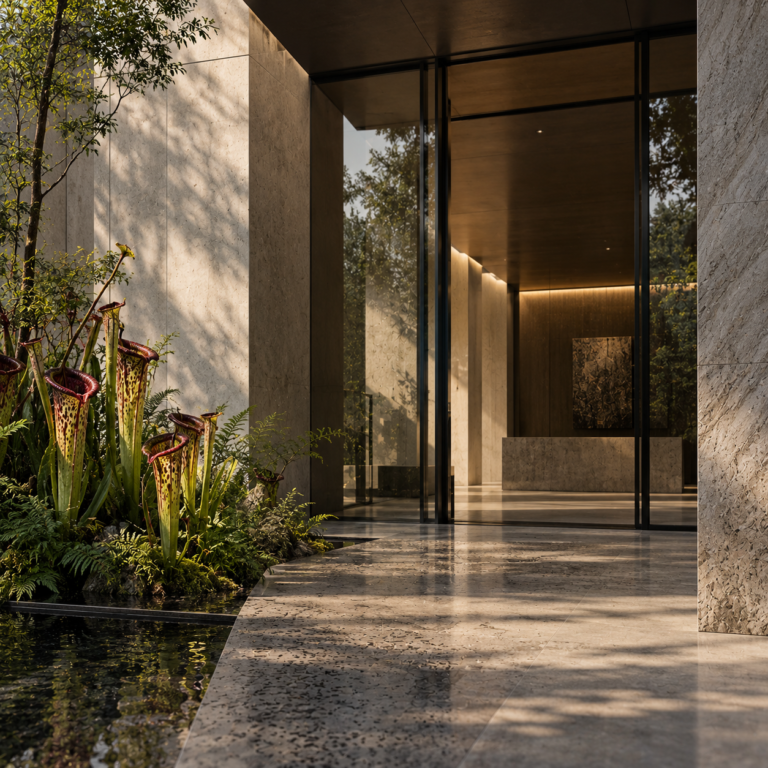
A pitcher plant’s wet rim offers a research lens for entrance floors: test the installed surface through wetting, cleaning and drying, while keeping insect evidence separate from human performance.
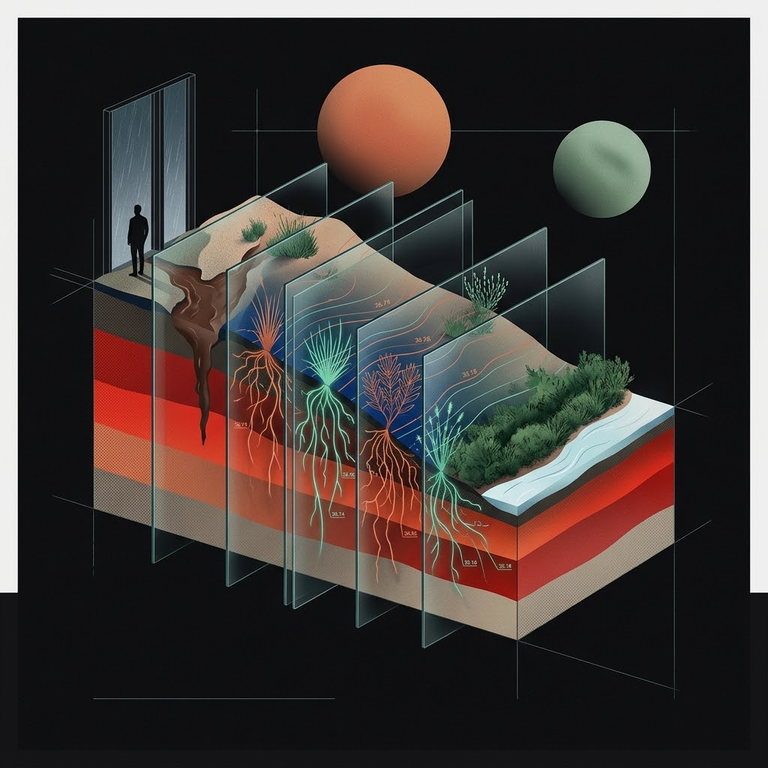
During the first heavy rain after a long summer, many of us stand at the window and watch the street….