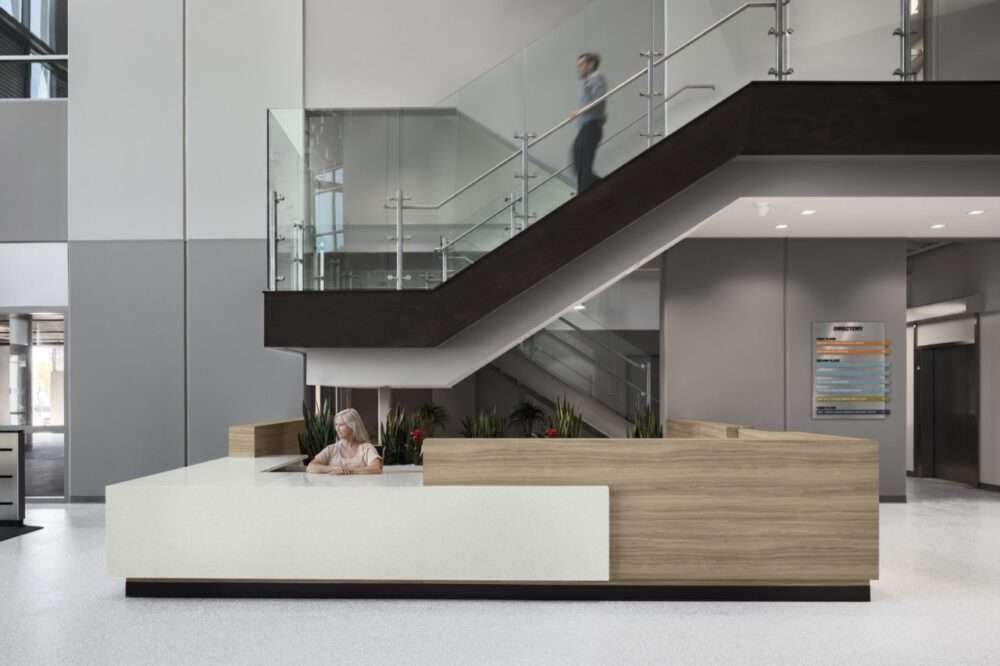
Commercial space design and innovative market experience


Commercial space design and innovative market experience
Retail design is a creative endeavor that brings together expertise in architecture and interior design. It also includes graphic design elements, product displays, functionality, and point-of-sale advertisements.
The retail design arena offers a wide variety of options, but to be successful, spaces must be designed in ways that promote a hassle-free and enjoyable shopping experience for the consumer.
The space you create displays not only the product(s) you’re trying to sell, but the consumer’s perspective.
A positive user experience builds a positive brand perception, which turns consumers into repeat and loyal customers.
The design of your retail space also attracts consumers and allows them to discover your brand.
Retail design addresses entrances, circulation, displays, services and accessibility. Test the experience with users and operational data where available rather than assuming a particular design guarantees higher sales or universal satisfaction.
Here are 8 design tips for creating a positive customer experience through retail design.

gravity
It’s all about first impressions, how does a consumer approach your space?
With the endless number of options available, your retail space must capture their attention.

incentivize
The color, pattern and texture of interior finishes, graphics and merchandise displays should spark curiosity as you move through the space, escaping monotony and sparking interest.

Create a clear point of view
What message are you trying to send to your customers?
This is the opportunity to tell your story and express what makes you different. One of Apple’s early slogans was “Simplicity is the ultimate sophistication.”
This message remains consistent in its brand and retail locations today.

Be unique
Make a statement and stand out from your competition, “express yourself” and your brand throughout your retail space.
The design was entirely focused on the customer experience, changing a routine visit to the bank into a relaxing café-like experience with free Wi-Fi… a financial spa!

Be consistent
Now that you have a point – your brand and market it!
Be consistent with your themes and message, down to the smallest detail. The more consistent your message is, the better your brand will be.
Design with a purpose
Trading and flow should be easy, exciting and encourage you to make a sale, and you should not lose the functionality of the space.
The ease with which one moves through space should also be a priority. It is assumed that the longer someone wanders around your site, the more they spend.
So incorporate eye-catching design elements throughout your space to encourage movement.
Connect and share
Focus on the big picture
Don’t lose sight of the overall experience, what do you want your customer to feel when they leave your space?
You create a space where you and your customers want to be, back it up with a great product and service and you’ll keep customers coming back…and bringing friends.
For more architectural news
Related reading: Interior design for home offices and co-working spaces; The problem of maintaining privacy and using visually isolated materials.
Editorial review and correction — 19 October 2026: Errors in the earlier version were corrected, including correcting the earlier explanation: Retail design addresses entrances, circulation, displays, services and accessibility. Reviewed by Archive Data Agent.