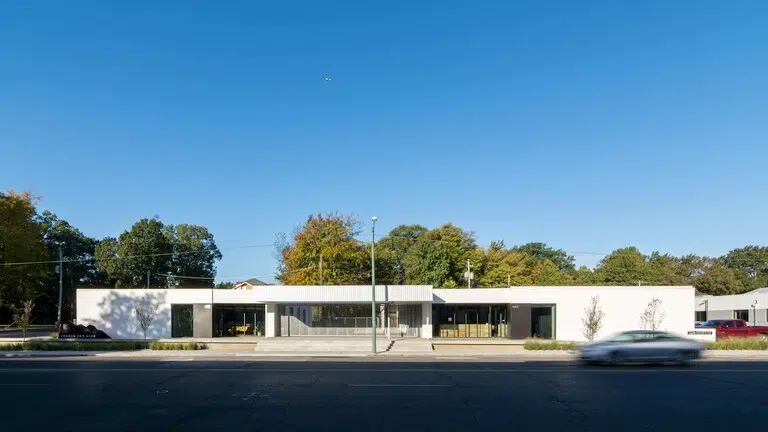
3D-Printed Homes in Colorado: An Architectural Revolution Resisting Fire and Serving Communities

3D Printing Homes: A New Experiment in Colorado
Homes That Look Ordinary… But Are Completely Different
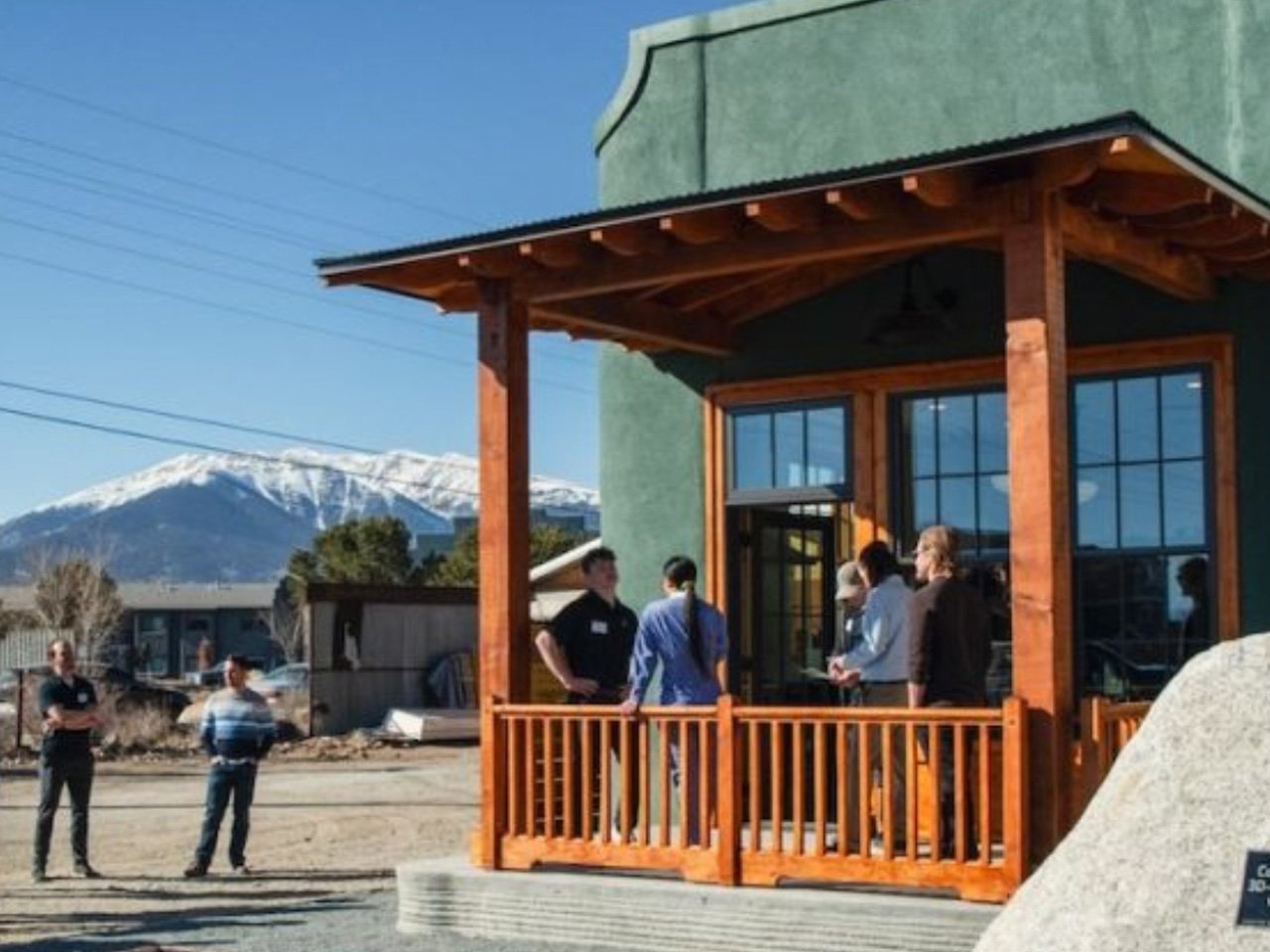
In the town of Buena Vista, Colorado, two neighboring houses stand side by side, appearing at first glance to be traditional: one coated with green plaster, and the other revealing its interwoven concrete layers. The surprising truth, however, is that these homes were not built in the usual way. Instead, they were constructed using 3D concrete printing technology, layering material one step at a time.
Integrating the Technology into Residential Settings
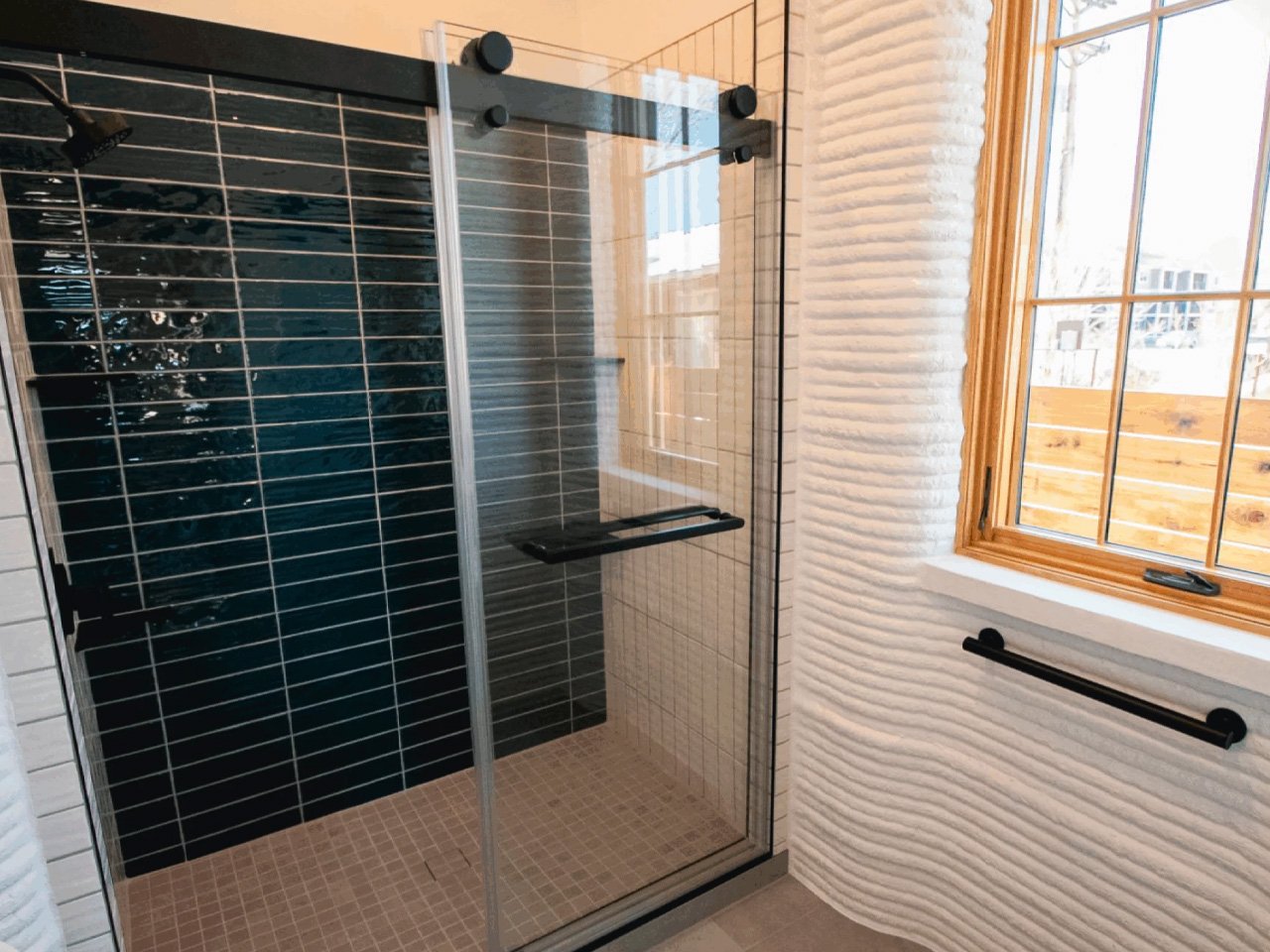
The company behind the project wanted to prove that printed homes could blend naturally into any neighborhood. For this reason, the printing layers of one house were hidden beneath plaster, while the other was left exposed to showcase the construction method. This approach demonstrates that the technology is not limited to innovation alone but can also merge seamlessly with local architectural tastes.
Faster Construction Compared to Traditional Methods
The most striking outcome was the speed of construction:
- The second house was completed in just 16 days of actual printing time, from pouring the foundation to installing the roof.
- The first house, however, took about a year and a half due to the research and development phase, while the second required only half that duration.
How Does the Concrete Printer Work?
The process relies on a massive printer known as the COBOD BOD2.
This printer moves along pre-programmed paths with extreme precision, significantly reducing manual labor and saving weeks of effort compared to conventional construction.
From Fire Resistance to Sustainability: The Real Goal of These Homes
Confronting the Threat of Wildfires
What makes this experiment stand out is not only the speed of construction but also its deeper purpose. Colorado faces a harsh reality, with nearly half of its residents living in areas threatened by wildfires. Traditional wooden-frame houses remain highly vulnerable to burning, making them unsuitable in the face of this growing danger.
This is where the VeroVistas homes come in, built with A1-rated concrete walls, the highest grade of fire resistance. These walls neither ignite nor contribute to the spread of flames at any stage, giving them a clear advantage over conventional wooden structures.
Design and Practical Features
Each home spans approximately 1,100 square feet, blending modern design with practical features. While the interiors may initially appear luxurious, they highlight that 3D printing is not just a technological experiment but also a way to deliver practical, long-term living spaces.
More Than Just Shelter
In addition to fire resistance, these homes offer other benefits such as:
- High energy efficiency.
- Mold resistance thanks to the materials used.
As a result, the project evolves from a mere architectural experiment into a practical step toward safer, more sustainable housing in the face of increasing natural and environmental challenges.
The Social and Economic Dimension of the Experiment
Engaging the Local Community
The project was not only about technology but also deeply tied to the community. VeroTouch partnered with local developers such as South Main, along with contractors in electrical work, plumbing, and finishing. This approach helped keep money and job opportunities within the region, strengthening acceptance of the new technology and integrating it into the local economic fabric.
Government Support to Address the Housing Crisis
The innovation also drew government attention. The state of Colorado granted the company about $680,000 through the Innovative Housing Incentive Program, which aims to build 7,500 new homes over three years. This official support reflects policymakers’ recognition that such solutions are not just architectural experiments but necessary steps to tackle the state’s housing crisis.
Expanding into New Projects
The success in Buena Vista paved the way for larger ventures. The company is now working on a new project of 32 homes in the nearby city of Salida, where construction of the first house has already begun. With demand growing, the company had to hire additional workers to keep pace with the expansion.
Toward Lasting Homes
The project’s vision is to create long-term housing capable of withstanding decades, perhaps even a century, even in the face of natural disasters such as wildfires. For a state that has seen entire communities burn in recent years, owning fire-resistant homes that can be built quickly and at costs comparable to traditional construction marks a true transformation in the concept of housing security.
✦ ArchUp Editorial Insight
The 3D printing housing experiment in Colorado can be seen as a promising step toward a safer and more sustainable future. It offers practical solutions in the face of wildfires, demonstrates the possibility of carrying out urban projects with greater quality and speed than traditional methods, and benefits from government and community support that strengthens its chances of success and wider adoption.
At the same time, the technology is still in its early stages and faces potential challenges, such as construction costs that may not yet be low enough, the need for specialized expertise in operation and maintenance, and questions regarding its scalability given the variations in climate and geographic conditions across regions. As such, the project remains an important experiment full of promise, but one that still requires further testing and development before becoming a familiar housing option everywhere.
Prepared by the ArchUp Editorial Team
Don’t miss the chance to explore more from ArchUp in fields like Architecture, Projects, and Design on the ArchUp website.