
Keeping the Façade Is Not Enough: Measuring the Environmental Value of Building Reuse
Six publications examine building reuse through retained materials, programme fit and life-cycle evidence, beyond the appearance of a preserved façade.
Architecture considered through its spatial, cultural and technical dimensions. This section examines design ideas, building traditions and the relationship between individual works and the conditions in which they are produced.
Explore architectural projects and building studies, connect them with cities and urbanism, and follow the questions developed in architectural research.

Six publications examine building reuse through retained materials, programme fit and life-cycle evidence, beyond the appearance of a preserved façade.

An architect writing under the pen name Ibrahim Fawakherji sets down his own history while still in his early forties,…

Imagine you could stop time on the afternoon of the fourteenth of July, 1789, in the instant the crowd poured…
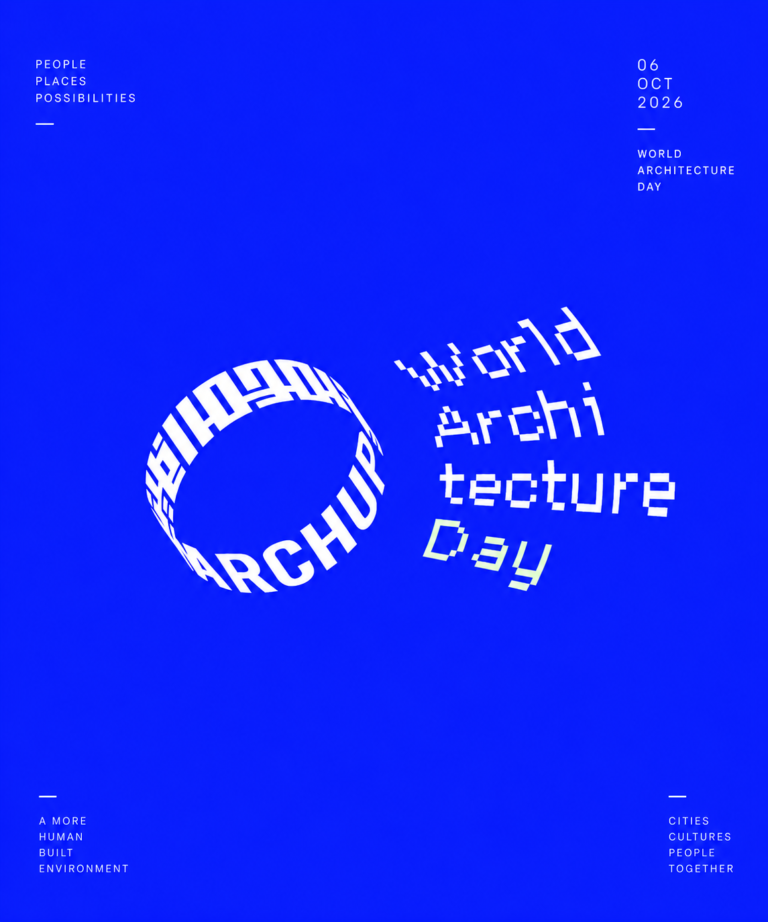
On World Architecture Day 2026, ArchUp reflects on architecture as a living field of writing, evidence, housing, memory and urban responsibility.

Architects fulfill an essential role in society by creating the physical spaces where all human activities occur. Drawing from a…

Advancements in technology and artificial intelligence have collapsed the distance to information, undermining authority based solely on status. In professional…
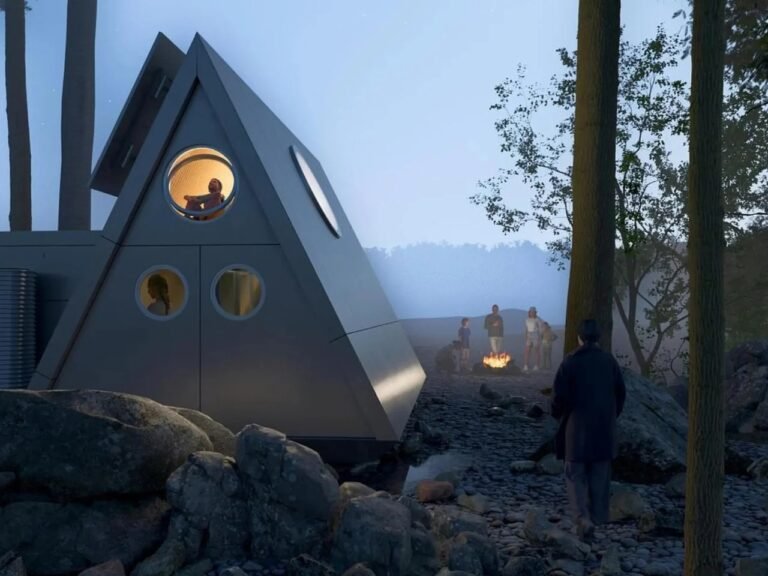
The Camping Trade-Off Between Freedom and StabilityCamping is built around a quiet trade-off: the freedom to be anywhere in exchange…
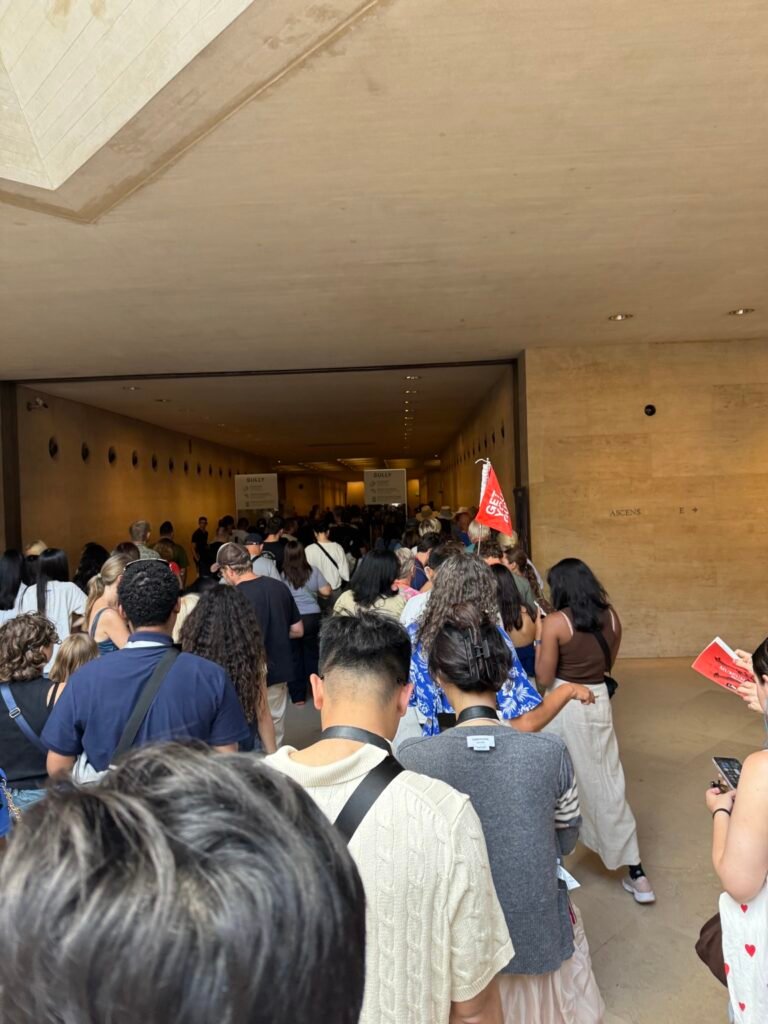
A critical architectural reading of the Louvre as an aging body under the pressure of memory, visitors, maintenance, and the billions of steps that pass through it.
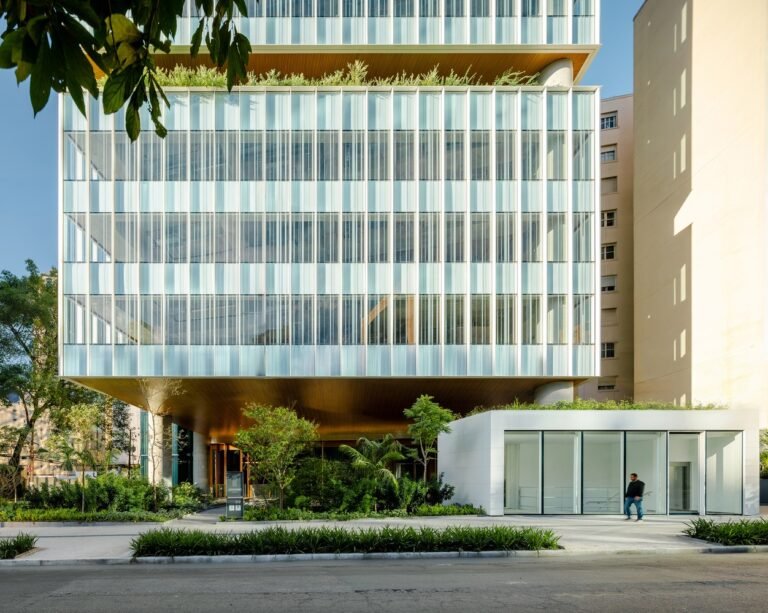
The Site as a Starting Point for the Architectural ConceptJeronimo Faria Lima is located at a sharply contrasting urban intersection:…

Reading Architecture as a Cultural Act: Between Preservation and ReinterpretationThe project begins with a critical view of the act of…

From Isolation to Integration: Redefining the Threshold and the PathThe healthcare sector is currently shifting toward a collaborative model between…

From the Mail Sorting Office to the Civic Threshold: Space as a Medium of ConnectionTemple Quarter Enterprise Campus occupies a…
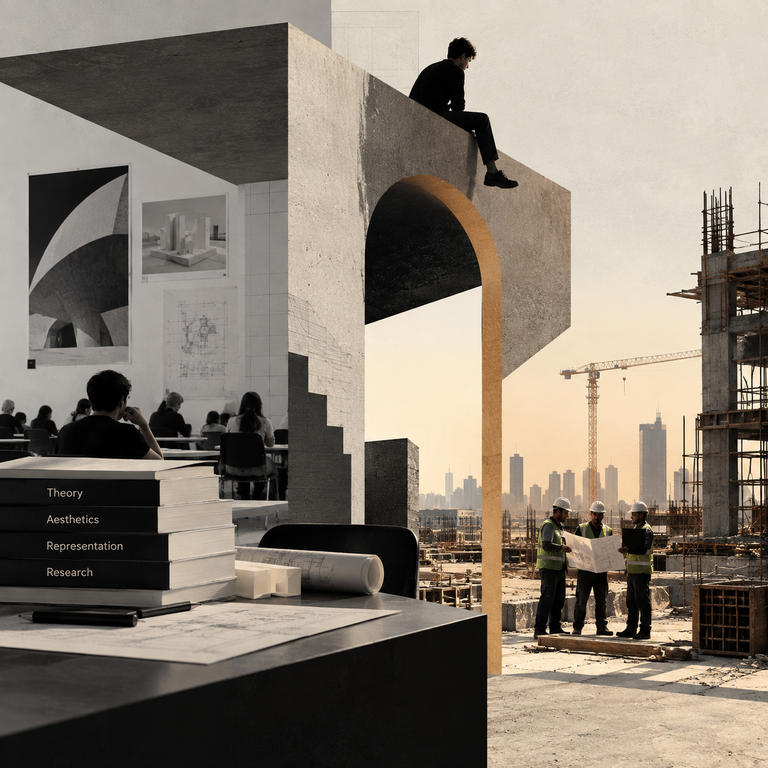
Modern architectural education prioritizes design theory, formal aesthetics, and visual representation over practical construction knowledge. University faculty often lack extensive…

Space architecture applies architectural design to off-Earth environments, including orbital facilities and planetary surfaces on the Moon and Mars. Unlike…

AI design agents mark a shift in architectural practice by autonomously executing spatial tasks, massing, and circulation from design briefs….

Islamic geometric patterns share deep structural and generative mathematical logic with natural systems like quasicrystals, plant growth, and cellular structures….
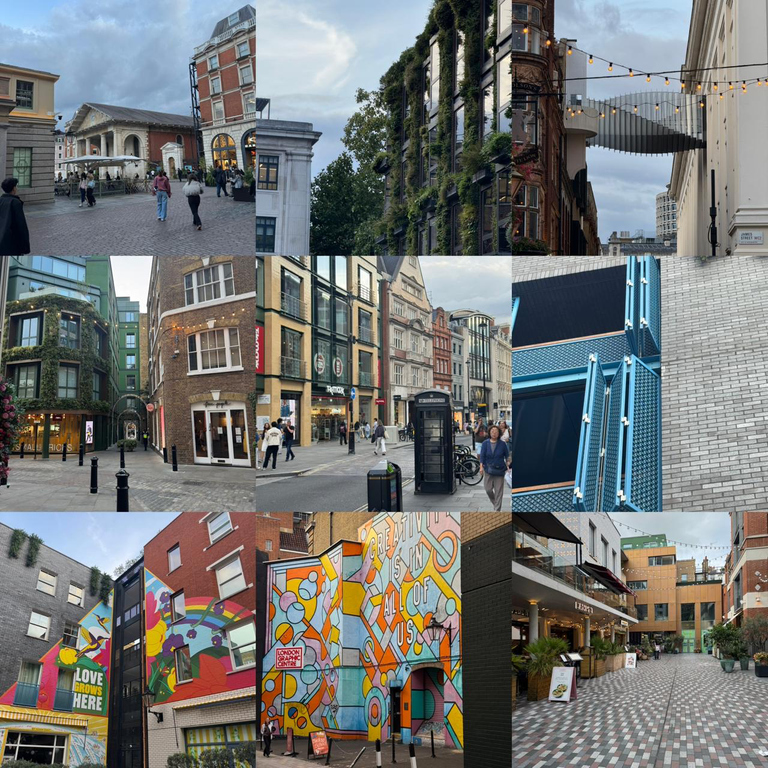
The Yards is an urban design project occupying over five acres in London’s Covent Garden. Rather than acting as a…
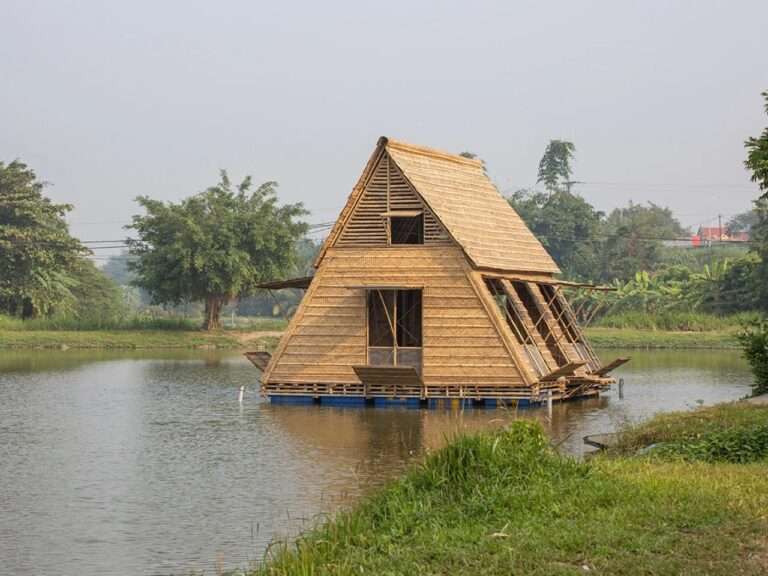
Spatial Adaptation to the Rhythm of WaterArchitecture in the Mekong Delta responds to seasonal fluctuations in water levels by transforming…

Media and professional industries face a major shift as artificial intelligence automates routine production tasks. While automated systems make generic…

Residential architects must understand a family’s social structure to design effective homes. Drawing from behavioral ecology, household dynamics often reflect…

Feng shui combines practical environmental design with metaphysical superstition. While the Compass School relies on unproven astrological calculations, the Form…