

Aratta Garden Earns Honorable Mention at SHARE Architecture Awards

Aratta Garden, a cultural and architectural complex , received an Honorable Mention in the Future Projects category at the SHARE Architecture Awards. The project is under construction near Khor Virap monastery. Mount Ararat is visible from the site. It comprises four distinct buildings that reinterpret Armenian heritage through spatial and symbolic forms. Aratta Garden responds to landscape and tradition without nostalgic imitation. This approach reflects broader inquiries in contemporary architectural design.

Design Concept
Aratta Garden includes a restaurant with an underground wine-tasting hall, a tonir/lavash bakery, a souvenir market, and a public restroom. The bakery draws from traditional clay salt sacks linked to the goddess Anahit. The market’s concrete columns mimic dancers in the shoorj par folk dance. The restaurant’s form echoes a reclining wine vessel, referencing the ancient Areni winery. All structures surround an elliptical public square. This space is designed for festivals, performances, and communal gatherings making it a living venue, not a monument.

Materials & Construction
The project uses earth toned, locally resonant building materials. Clay reinterprets the historic Hazarashen roofing technique in the bakery. Exposed concrete supports the market columns. Even the restroom adopts circular forms for visual unity. The restrained palette responds to the arid landscape. It avoids imported finishes, aligning with regional practices recorded in the firm’s archive.

Sustainability and Cultural Strategy
Formal sustainability certifications are not disclosed. Yet the subterranean wine hall, compact footprint, and passive lighting suggest a low impact approach. Cultural continuity takes priority over ecological benchmarks. Aratta Garden reflects a post-Soviet trend: heritage reclamation often precedes environmental optimization in architecture.

Urban and Regional Context
The site lies near a major pilgrimage and tourism destination. Aratta Garden adds to Armenia’s evolving cultural infrastructure. It raises questions about rural integration of contemporary design without pastiche. As one of four Armenian entries in the SHARE events, it shows how local studios engage global discourse. Aratta Garden exemplifies this strategy through symbolic yet functional forms.
Can cultural identity in architecture move beyond metaphor to shape inclusive, usable public space?
Architectural Snapshot: Aratta Garden reinterprets Armenian heritage through four symbolically charged structures arranged around a communal square near Khor Virap, Armenia.
✦ ArchUp Editorial Insight
Aratta Garden frames Armenian heritage through four symbolic structures near Khor Virap, positioning cultural identity as spatial narrative. The project’s formal gestures salt sack bakery, dance inspired columns, wine vessel restaurant lean heavily on metaphor, risking reduction of living traditions to aesthetic motifs. While the elliptical square offers functional potential, the design’s emphasis on visual symbolism overshadows programmatic depth. Still, its avoidance of imported materials and responsive siting reflect grounded regional awareness. Projects like this may shape short term tourism but face scrutiny over whether they foster genuine cultural continuity or merely stage it for global architecture platforms.


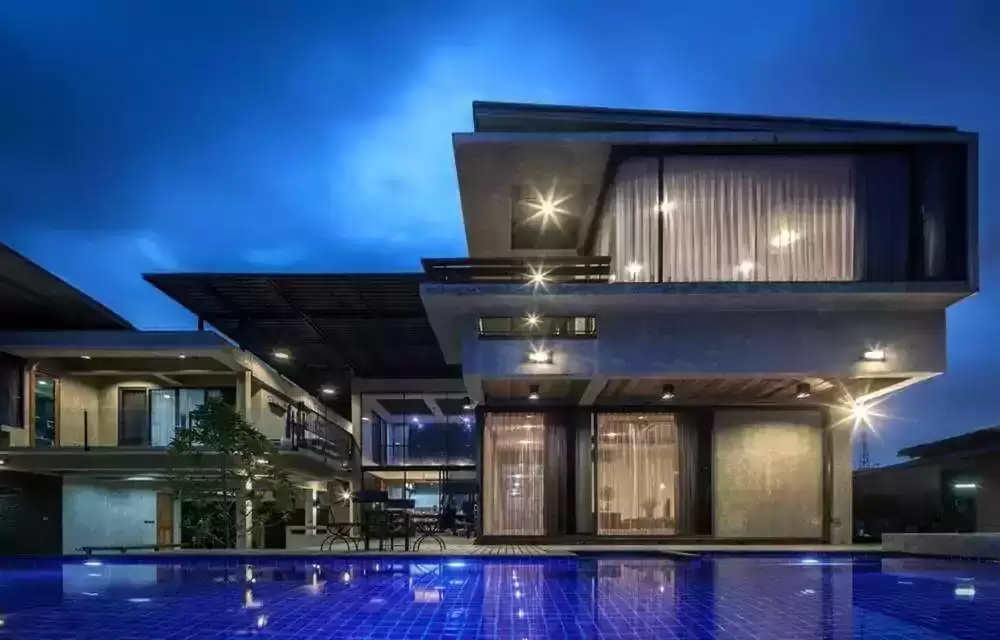
ArchUp: Technical Analysis of the Arata Park near Khor Virap Monastery in Armenia
This article provides a technical analysis of the Arata Park as a case study in contemporary architecture that reclaims cultural and spiritual heritage, transforming it into a modern public space. To enhance archival value, we present the following key technical and design data:
The project comprises four symbolic functional buildings arranged around an oval-shaped public square: a restaurant resembling a reclining wine vessel with an underground tasting hall; a traditional bread oven (tonir) inspired by the clay salt bags of the goddess Anahit; a souvenir market with concrete columns embodying the movement of the folk dance “Shurj Par”; and public facilities (restrooms). These elements create an integrated spatial system aimed at both tourists and the local community.
The design is characterized by the use of local building materials with earthy hues, harmonizing with the arid environment. The roof of the clay oven employs the historical “Hazarashen” technique, a traditional construction method using wood and clay. The market columns feature exposed concrete, reflecting structural honesty, while the public facilities adopt circular forms for visual and functional unity. This blend creates a complex dialogue between the old and the new.
In terms of cultural and environmental performance, the project clearly prioritizes cultural restoration over formal environmental standards, a common approach in post-Soviet architecture. Although there are no declared sustainability certifications, the integration of underground halls and reliance on natural lighting and ventilation suggest passive climate adaptation strategies. The oval square provides a flexible space for festivals and performances, transforming the site from a monument into a vibrant hub for community interaction.
Related Link: Please refer to this article for a comparison of other architectural projects dealing with heritage identity in different contexts:
Architecture of Civilizations: Tracing the Built Timeline of the Middle East
https://archup.net/andalusian-architecture-origins-and-influence/