Architectural Debate Surrounding a Large Scale Residential Project at La Cumbre Plaza

Introduction
A large-scale residential project on the former Sears site at La Cumbre Plaza has sparked an architectural debate over its compatibility with the traditional character of Santa Barbara. The development, which includes 443 residential units, aims to integrate natural landscapes with urban spaces while providing shared areas and pedestrian pathways. However, it faces challenges in maintaining the authentic Spanish Colonial architectural identity while accommodating modern residential needs.
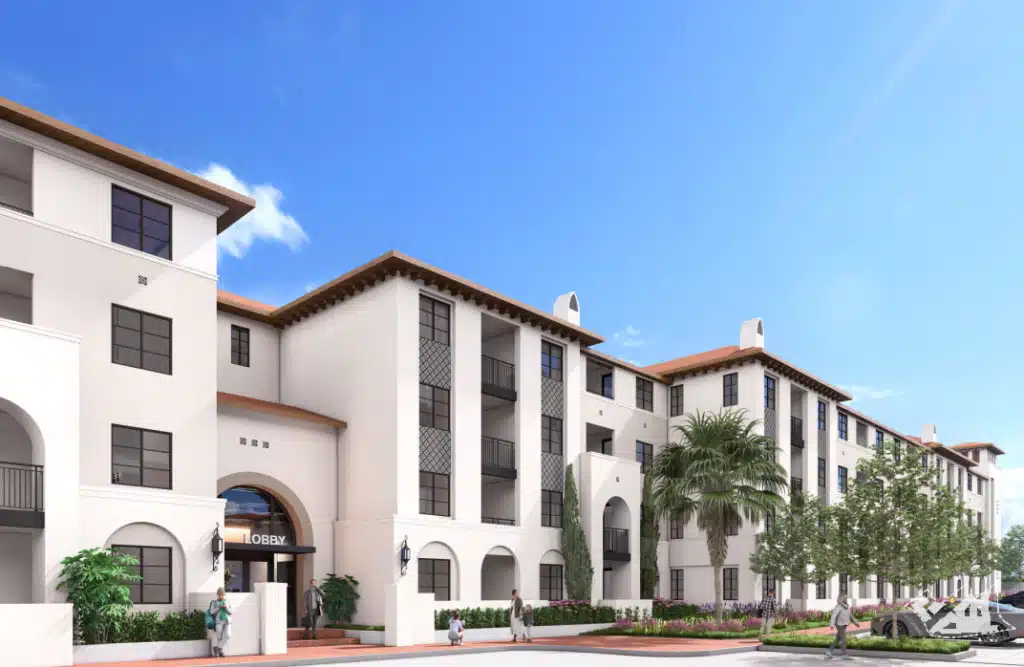
Debate Over Site Planning and Massing
The project occupies a substantial area, incorporating open spaces and natural pathways. The building blocks have been designed to follow the natural topography, reducing the sense of bulk and achieving visual harmony with the surrounding environment. Open spaces are thoughtfully distributed between the buildings and shared facilities, ensuring a visual and functional gradation across the development.
Design Concept and Architectural Approach
The design attempts to merge traditional Spanish Colonial architecture with contemporary elements through:
- The use of red tile roofs and white walls to highlight local identity.
- Simplification of architectural details and reduction of repetitive features, such as large arches.
- Creating a fully integrated residential environment that interacts with the natural surroundings and community, emphasizing harmony between buildings, green spaces, and open pathways.
The primary objective is to provide a balanced living experience that combines functional beauty with social connectivity while retaining the city’s architectural identity.

Architectural Challenges
Despite the design efforts, reviews indicate the project faces several challenges:
- Translating the fine details of Spanish Colonial architecture on a large scale.
- Integrating the amenities building in a way that aligns with the local architectural character rather than a contemporary approach that disrupts visual cohesion.
- Maintaining architectural authenticity across all elements, including rooflines, facades, and overall massing.
Interaction with the Environment and Sustainability
The Santa Barbara residential project emphasizes thoughtful integration with the natural landscape. The designers carefully align pedestrian pathways and public spaces with existing waterways and greenery, creating a seamless connection between the built environment and nature. They strategically distribute open areas and shared amenities to foster social interaction and community engagement. Varied building heights reduce the visual impact on the surrounding urban context, maintaining harmony with the cityscape. While the contemporary scale challenges the translation of traditional architectural identity, the design successfully balances functionality and aesthetics. Residents enjoy practical living spaces within a visually cohesive and environmentally responsive environment.

Architectural Recommendations
Key recommendations emerging from the project review include:
- Redesigning the amenities building to reflect the local architectural vernacular.
- Enhancing the presence of connected courtyards and paseos for cohesive spatial experience.
- Utilizing historical reference imagery to ensure authenticity in architectural detailing.
- Monitoring the visual impact of the buildings through representative poles to maintain harmony with the urban surroundings.
Conclusion
The La Cumbre Plaza project shows the challenges architects face when trying to balance traditional architectural identity with the needs of contemporary large-scale residential design. The ongoing debate highlights the importance of studying historical and regional references. This ensures the city’s authenticity and visual appeal are preserved. Architecture is not just about constructing buildings. It is a continuous dialogue between structures, the environment, and the community. Successful urban development requires integrating architectural thinking, functionality, and aesthetics.
ArchUp continuously documents leading architecture exhibitions and conferences, offering verified coverage of international competitions and official results within an open-access database.

Project Summary Table
| Element | Details |
|---|---|
| Residential Units | 443 units |
| Site Area | 9.4 acres |
| Architectural Style | Spanish Colonial Revival with contemporary elements |
| Challenges | Maintaining architectural authenticity, integrating amenities with local character, translating traditional details on a large scale |
| Open Spaces | Green areas, multi-use pathways, connected courtyards |
| Recommendations | Redesign amenities building, use historical references, enhance courtyards and pathways, installrepresentative poles for visual assessment |
✦ ArchUp Editorial Insight
The project features staggered building blocks that follow the land’s natural slope. Expansive green areas and open pathways encourage movement and social interaction. White facades and red-tiled roofs emphasize the traditional Spanish character. Simplified detailing and reduced repetition create clarity and visual harmony. However, the design struggles to translate the Spanish style accurately at a large scale. Some buildings appear more institutional than authentically local. Nevertheless, the development provides an integrated residential environment that connects nature and public spaces, enhancing the site’s architectural and cultural value.