The Warehouses: An Architectural Transformation Revitalizing Neglected Industrial Spaces

Urban Transformation: From Industrial Facility to Community Center
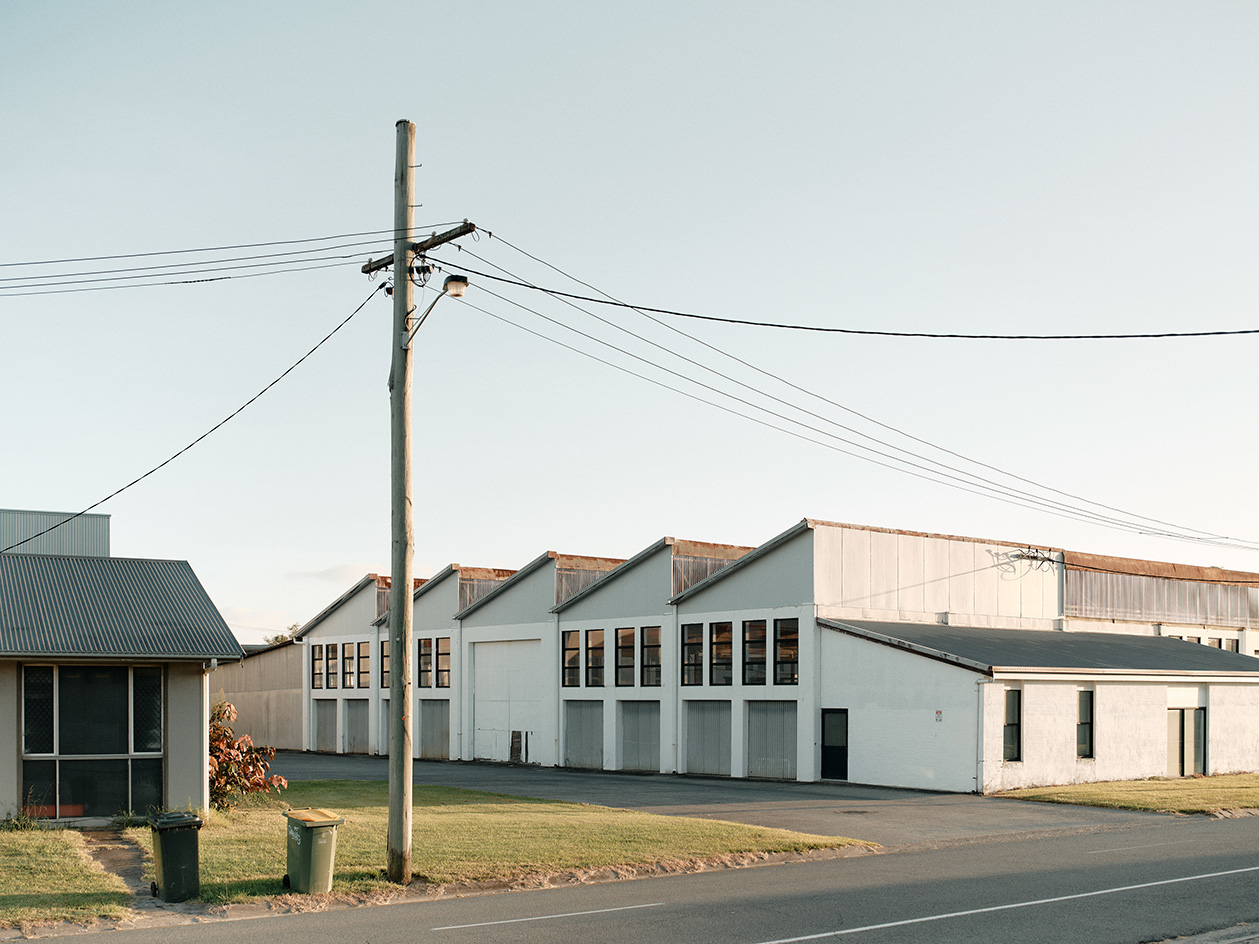
In one of the suburbs of Queensland, Australia, an old warehouse complex has undergone a qualitative transformation. This reflects how neglected industrial spaces can be repurposed to serve the needs of contemporary society. This project, known as The Warehouses, represents a model for the role of architecture in revitalizing urban environments through thoughtful design.
Project Background and Spatial Context
The original site suffered from neglect and frequent flooding and was previously used as a rescue center during natural disasters. Instead of abandoning this infrastructure, the design team led by architect Jared Webb and his architectural office, J.Ar Office, chose to utilize the existing structure. They aimed to transform it into a space that can serve multiple uses through an architectural intervention that respects the site’s past without overlooking present needs.
Blending Functionality and Memory
The redesign was not limited to technical aspects alone; it also carried a touch of nostalgia, reflecting the community’s connection to the building’s history. Through this balance, the project was able to offer an architectural vision that highlights the value of renewal without erasing the original identity of the place.
Rethinking Function: From Warehouse to “Community Village”
One of the most prominent features of the project is the conceptual shift in how the space is used. The design team treated the existing industrial structure as it was, without attempting to obscure or replace it. Instead, they reinterpreted it in a way that allows it to embrace a new life.
Design as a Means of Adaptation
The space was reshaped to function as a “small village,” where commercial functions and activities are flexibly distributed within an open and simple framework. This choice was not arbitrary but was a response to a central question raised during consultations with the client:
“How can a commercial building adapt to the changing needs of the community?”
A Functional and Social Perspective
This question leads us to a deeper understanding of the role commercial buildings can play within the urban fabric. Buildings are no longer merely containers for activities; they are dynamic tools that evolve alongside the society around them.

Blending Functionality and Nostalgia in Design
The project stood out by preserving the functional and practical character of the original building. It also infused a sense of nostalgia for its past. This balance created a space where visitors feel a tangible texture and genuine warmth, while the design remains contemporary and pure.
The Role of Colors and Materials in Shaping Atmosphere
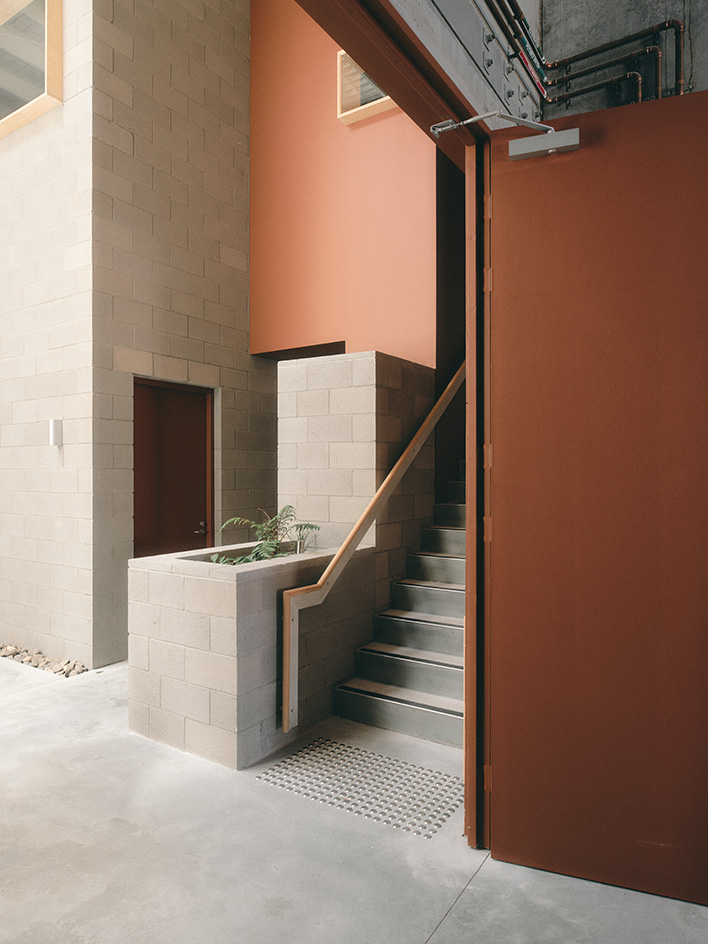
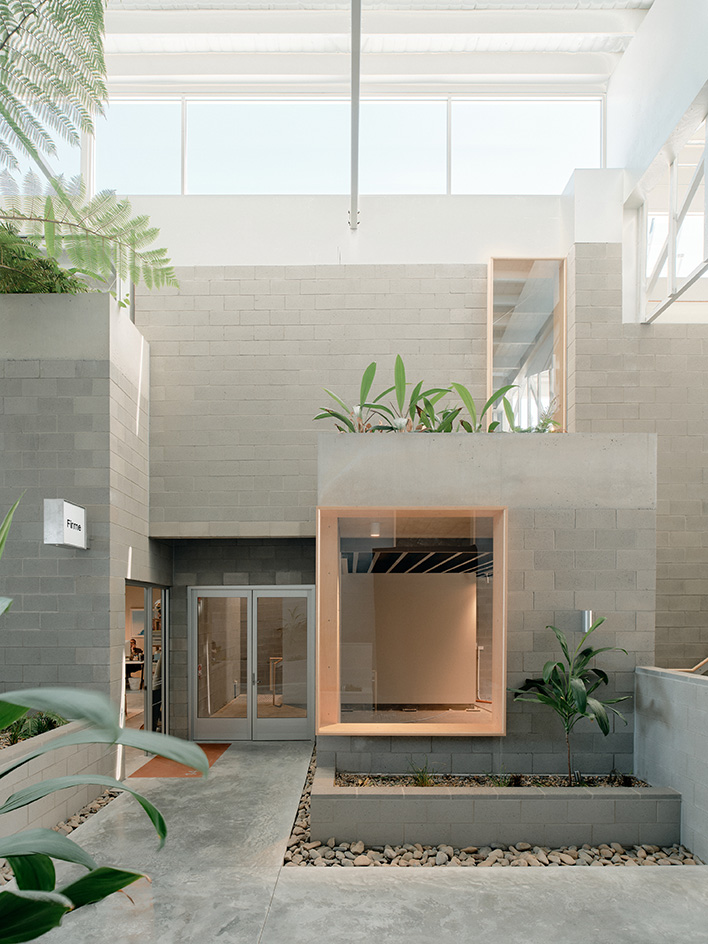
The architectural team used a neutral color palette and carefully selected simple materials. This contributed to creating a calm and stable atmosphere inside the building. These vibes are enhanced by the green spaces planted within the inner courtyards. This adds a natural dimension that softens the rigidity of the former industrial environment.
Reducing Visual Clutter
The design also distinguished itself by avoiding unnecessary ornamentation and harsh graphics, focusing instead on the building’s basic structure and natural elements. This approach was to provide a visually comfortable environment that enhances the sense of tranquility.
The Importance of Public Spaces in Unexpected Places
Architects point out that The Warehouses project addresses a type of architecture often overlooked in many architectural studies, as it lies “on the margins of attention.” Yet, the project highlights the importance of providing spaces that allow the pulse of public life to thrive within them. Even in places that may seem outwardly unsuitable for such activity, like industrial warehouses.
This emphasis reflects a deep architectural understanding of the role urban spaces play in supporting social interaction and strengthening community bonds. This is regardless of the nature or location of the building.
Project Materials and Their Architectural Expression
The architects discuss the details of material selection in The Warehouses project, noting the relationship between the project and neighboring buildings in terms of materials. Yet, it possesses a quiet and distinctive character.
Simple Expression and Avoidance of Ornamentation
Despite using similar materials, the project chooses to “whisper where other buildings shout.” This means it rejects excessive ornamentation and loud graphics that might distract, preferring to display the exposed Zincalume cladding without decoration. It embraces the raw appearance as a mark of the passage of time and its effects.
Facade Treatment and Visual Rhythm
The 80-meter-long facade presented a challenge addressed by using shiplap paneling, arranged in a staggered, vertical manner on multiple levels. This creates a visual rhythm that attracts the attention of passersby and breaks the monotony of the long surface.
Architectural Details
Additionally, the use of raw Zincalume Spandek continues in cladding the deep-set windows. Specially designed cladding details create a cohesive and distinctive architectural composition. It reads as a unified steel mass, expressing the building’s solidity and reliability.

Enhancing Social Interaction Through Design
The shared spaces and facilities were designed to bring users together. They encourage interaction among them, thereby fostering social life within the complex. This strategy reflects an understanding of the importance of creating environments that promote communication and collaboration among community members.
Sustainability and Harmony with the Surroundings
In addition, durable building materials were carefully selected to ensure the project’s quality and longevity. The design also incorporated a local planting system within the complex, helping to create an integrated natural environment that harmonizes with its surroundings.
A Sustainable Project Combining Durability and Nature
These features make the warehouse’s redesign more than just a cosmetic update; it is a sustainable project that reflects respect for the environment. There is a commitment to creating a space that remains active and connected to its community for years to come.