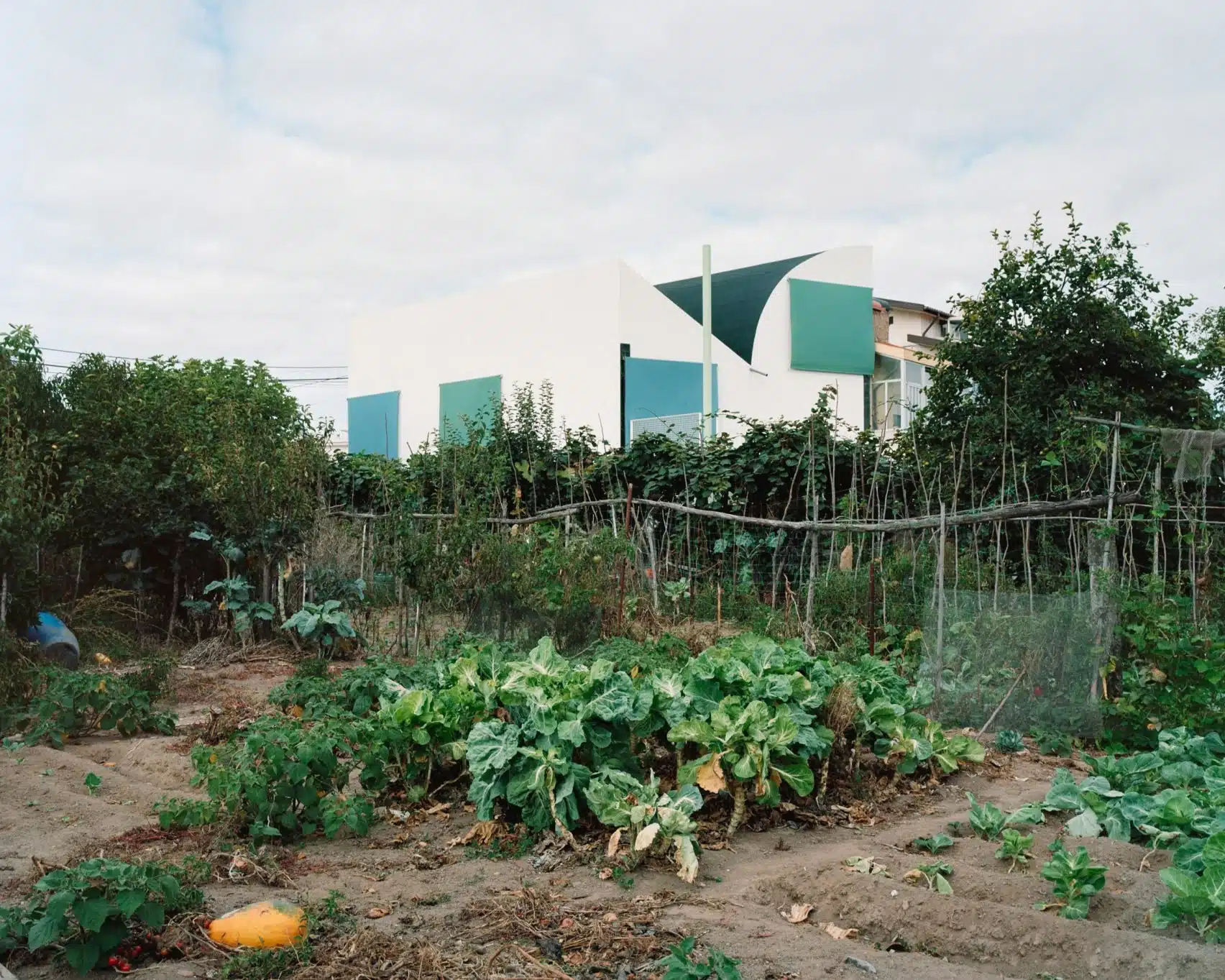
Bauhaus in Dessau When Design Becomes a Function

Introduction
In the heart of Dessau, Germany, stands a simple white building known as Bauhaus Dessau, which quietly revolutionised the way we think about design and architecture. The Bauhaus building wasn’t just a school — it was a living experiment in the philosophy of form follows function.
What might seem obvious today — that design should serve a purpose before aiming to be beautiful — was, at the time, a bold rebellion against ornate traditions. In Dessau, the Bauhaus movement turned this idea into a living reality, shaping the foundation of modern design around the world.

The Birth of Bauhaus
The Bauhaus was founded in 1919 by architect Walter Gropius in Weimar. However, it wasn’t until the school moved to Dessau in 1925 that it found its true form.
The vision was radical: to unify art and craftsmanship into a single, modern educational model. Artists were no longer isolated from the practical world — they were trained to understand materials, purpose, and structure. Art was no longer reserved for galleries; it was woven into daily life, made functional and human-centered.
The Meaning Behind Form Follows Function
At the core of the Bauhaus philosophy was a simple but revolutionary idea: design must serve a purpose before it serves aesthetics.
And nowhere was this idea more visible than in the Bauhaus Dessau building:
- No unnecessary decorations — every element had a reason to exist.
- Large glass windows — to let natural light flood into workshops.
- Thoughtful use of color — guiding people through the building rather than just decorating it.
- Exposed structure — nothing was hidden or beautified without function.

What Makes the Dessau Building Special?
| Element | Purpose | Design Translation |
|---|---|---|
| Glass façade | Maximize natural lighting | A full curtain wall of glass for transparency |
| Exposed staircases | Easy movement and circulation | Clearly visible, unadorned stairways |
| Color zoning | Organize internal navigation | Colors used for wayfinding, not decoration |
| Furniture and interiors | Comfort and practicality | Straightforward forms with functional design |
Global Influence of Bauhaus Dessau
When the school was shut down in 1933 by the Nazi regime, the Bauhaus spirit didn’t end — it spread. Professors and students emigrated across Europe and to the U.S., taking their ideas with them.
The result?
Bauhaus design principles shaped:
- Modern furniture design
- Government and university buildings
- Minimalist and modernist architecture
- Even user interface design in the digital age

Why Does Bauhaus Dessau Still Matter?
Because it asked one essential question:
What is the use of beauty if it doesn’t serve people?
And it answered it — not through theory, but through a real, functioning building. The Bauhaus in Dessau wasn’t just a school. It was a symbol of how good design can be simple, efficient, and meaningful.
Even today, designers around the world continue to draw on Bauhaus principles when crafting spaces, products, and digital experiences.
Conclusion
The Bauhaus building in Dessau wasn’t just an architectural achievement — it was a statement. A quiet, white building that helped reset the global design compass. It championed simplicity, celebrated purpose, and reshaped how we define beauty through function.
✦ ArchUp Editorial Insight
This article revisits the Bauhaus building in Dessau as a foundational milestone in functional design philosophy. The visuals emphasize flat geometries, transparent façades, and muted material tones that align with industrial clarity. While the narrative effectively highlights the school’s historical impact, it tends to generalize the building’s spatial complexity and overlooks user interaction dynamics. Could deeper analysis of circulation or interior ergonomics strengthen the architectural reading? Still, the article successfully contextualizes Bauhaus as a global design movement, and its minimalist ethos remains relevant in shaping educational and civic spaces across decades.
Explore the Latest Architecture Exhibitions & Conferences
ArchUp offers daily updates on top global architectural exhibitions, design conferences, and professional art and design forums.
Follow key architecture competitions, check official results, and stay informed through the latest architectural news worldwide.
ArchUp is your encyclopedic hub for discovering events and design-driven opportunities across the globe.