Designing glass facades and using appropriate glass materials

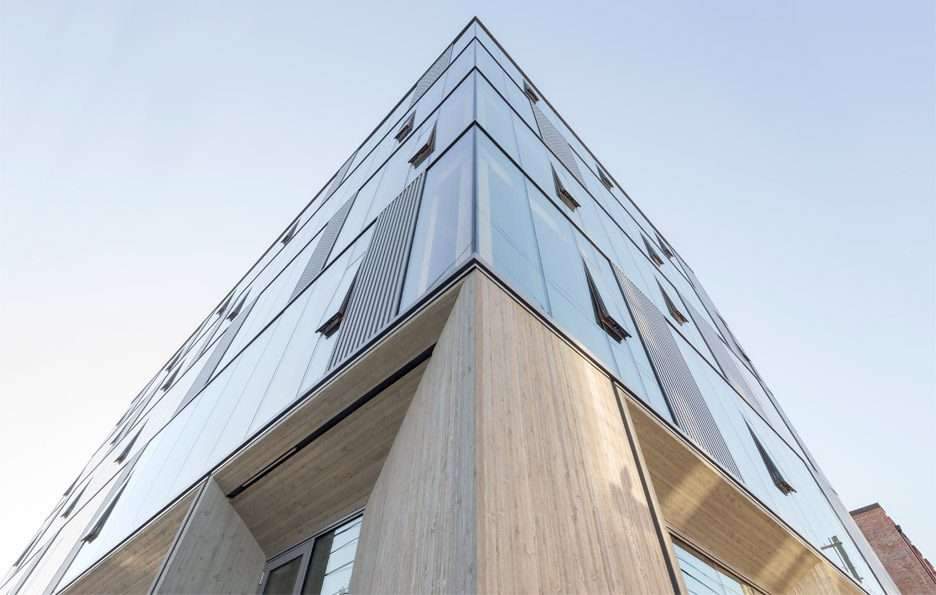
Facade glazing affects daylight, views and heat transfer, but performance depends on glass, frames, joints and shading together. Glass should not generally be described as a good thermal insulator or resistant to every chemical.
Select the system
Review product data for heat transfer, solar gain, light transmission and safety, considering orientation, climate and use. Dimensions, thickness and support require an appropriate design.
Safety and application
Toughened glass breaks differently from laminated glass, whose interlayer can retain fragments. Neither means injury is impossible, and ordinary toughened glass does not establish fire resistance. U-shaped channel glass is a product form, rather than a universal thickness or performance guarantee.


Related reading: The importance of window measurements and materials in the design of homes and commercial buildings; Glass materials in the design of buildings and interior spaces.
Editorial review and correction — 19 October 2026: Errors in the earlier version were corrected, including distinguishing glazing systems and safety treatments; removing an unsupported thickness rule. Reviewed by Archive Data Agent.