

$150 DIY VR Headset: Balancing Low-Cost Innovation and Smart Design Philosophy

Virtual Reality Between Possibilities and Economic Challenges
Virtual reality technology has reached an intriguing crossroads; it offers immersive and astonishing experiencesthrough advanced headsets, yet their high prices place them beyond the reach of most users. For instance, many commercial options either exceed the cost of a high-end laptop or provide a limited experience that does not reflect the full potential VR can offer.
The Impact of Costs on VR Users
These exorbitant prices pose a significant barrier for tech enthusiasts with limited budgets. Additionally, some companies’ use of plastic materials in headset design makes even expensive models appear less premium in terms of look and feel. As a result, users have started seeking more affordable alternatives that provide a genuinely immersive experience without paying for features that may be unnecessary for them.
Headset Design as a Cultural Symbol
On the other hand, VR headset design has become iconic, with many other accessories beginning to mimic this style, from specialized stands to gaming peripherals. It is also notable that collaborations with well-known tech brands are emerging to develop distinctive products, opening the door for innovation and experimentation.
DIY Projects and Creative Opportunities
In this context, some creators offer “Do-It-Yourself” projects as innovative solutions. For example, one innovator managed to assemble a fully functional VR headset for roughly $150, relying on careful component selection and clever engineering. This headset included high-resolution screens and a precise head-tracking system, serving as a practical example of how to balance cost and performance in the VR world.

The Design Philosophy Behind Innovation
What makes this project remarkable is not only its low cost but also the engineering brilliance embedded in its design. This headset was originally developed to meet the needs of racing simulations, where visual clarity and precise head-tracking are far more important than hand controllers or room-scale movement.
This focus on core elements allowed the designer to make calculated design compromises that do not diminish the quality of the experience. On the contrary, they enhance the sense of immersion and interaction noticeably, making the headset a practical model of a design philosophy that emphasizes essence over secondary details.

Small Screens for a Big Experience
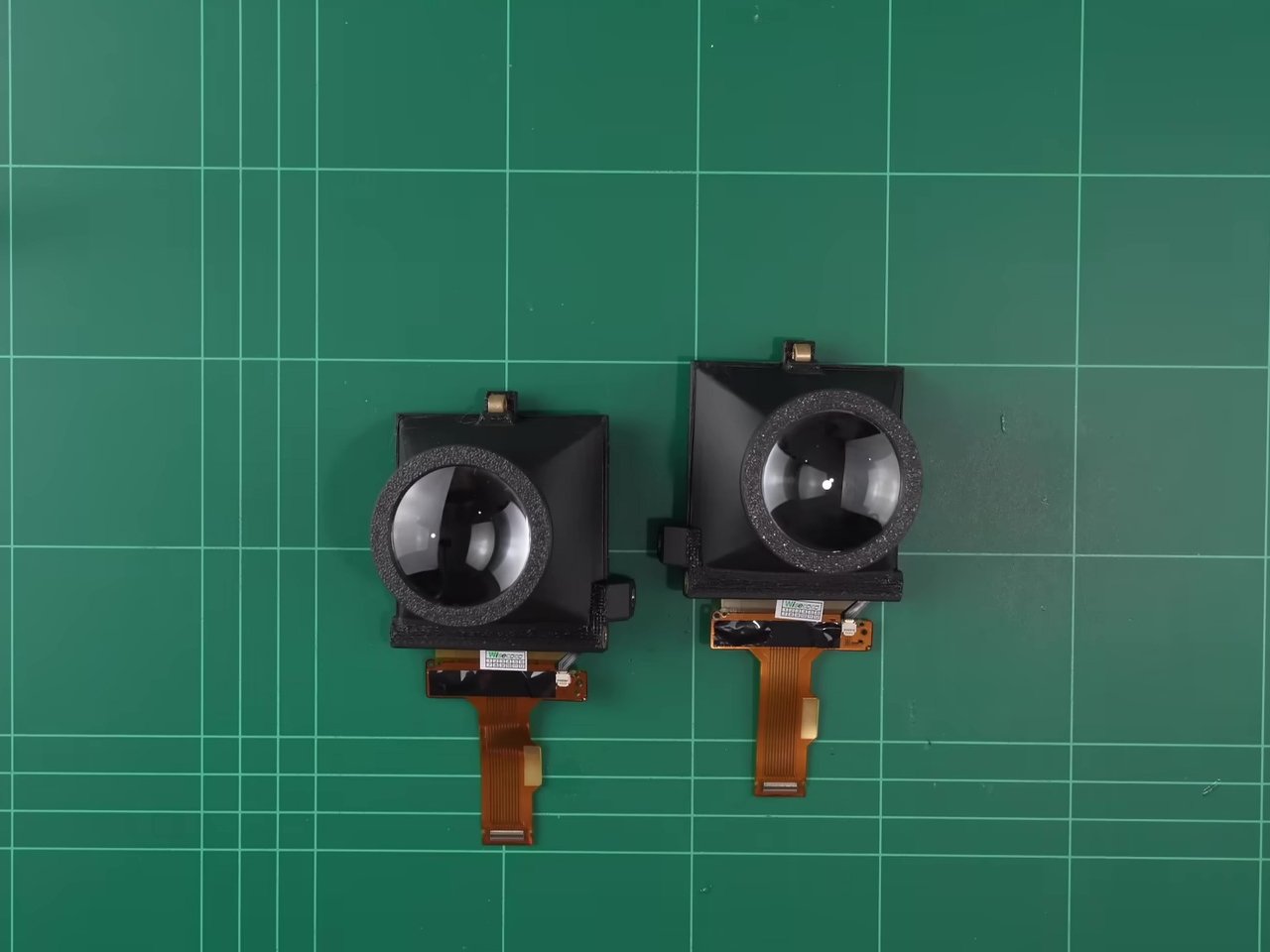
The headset relies on two small 2.9-inch screens, delivering a total resolution of 2880×1440 pixels. This provides a visual experience comparable to higher-priced commercial options, but without the hefty costs imposed by major companies.
Using small screens was not merely a cost-cutting measure; it was a smart engineering decision aimed at improving usability and wearing comfort. Larger screens would have required a minimum interpupillary distance of about 68 mm, making the headset difficult to use for those with smaller faces. Thus, the choice of screen size exemplifies how to balance performance with comfort.
Lenses: Built-In Engineering Intelligence
The choice of lenses reflects another aspect of integrated engineering thinking. Instead of expensive lenses, the project used Google Cardboard lenses with a 45 mm focal length. While this may seem like a simple cost-saving solution, it contributed to a more compact and snug headset design, maintaining image quality and an immersive visual experience.
However, this choice can pose a challenge for children with prominent eyes, who may find it difficult to use the headset correctly, highlighting the importance of matching design to the diverse needs of users.

Smart Compromises in Lens Selection
Initially, Fresnel lenses were considered, but they were later discarded. The reason was that their focal length would have made the headset larger and less comfortable during extended gaming sessions.
This example illustrates that sometimes the cheaper option can be the smarter one, especially when it achieves the intended purpose efficiently without adding unnecessary size or weight, factors that could significantly diminish the user experience. This approach highlights a design philosophy that prioritizes practical functionality and real-world experience over being impressed by technical specifications or high costs.
High-Precision Head-Tracking
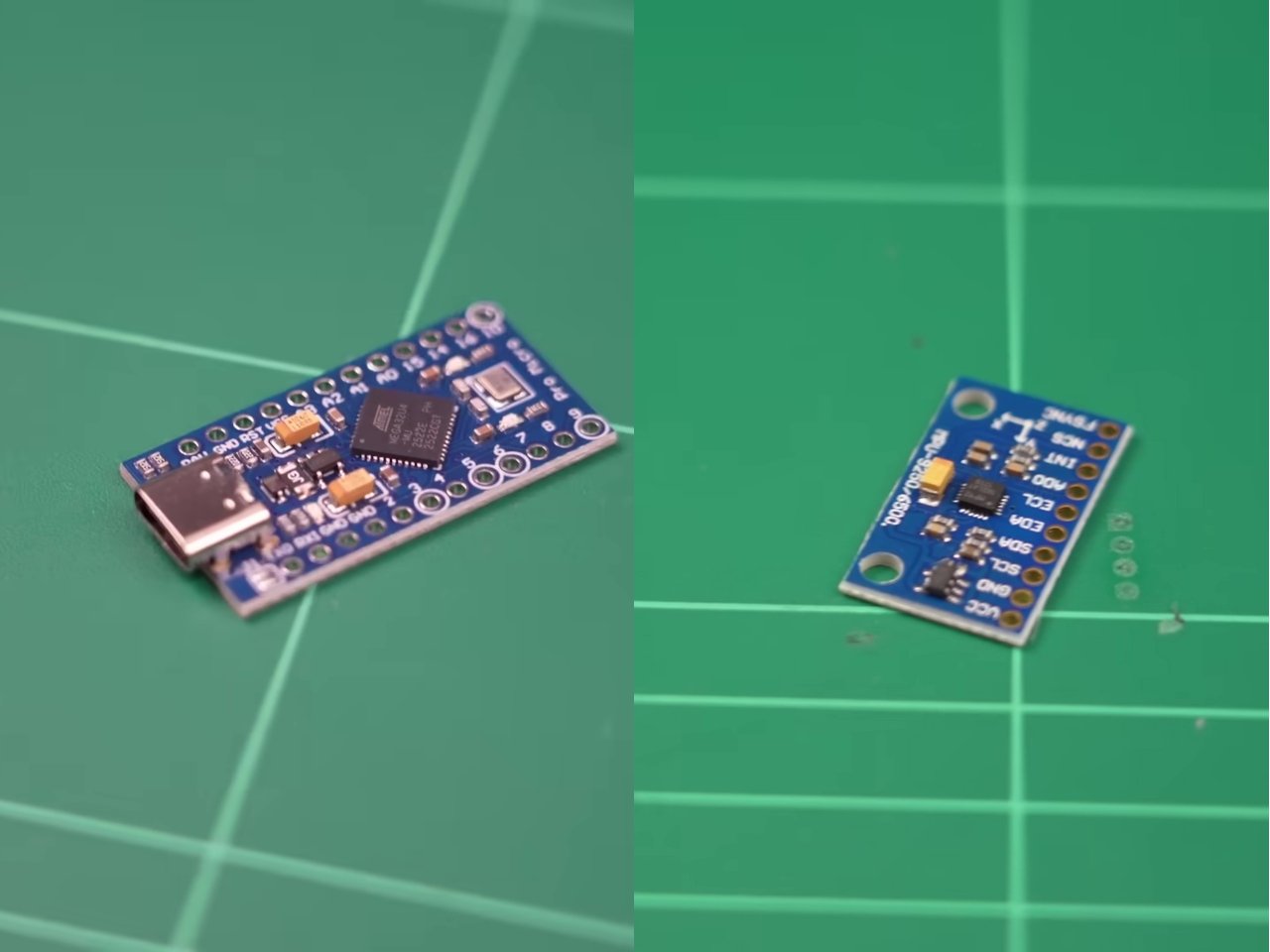
The headset relies on a GY-9250 IMU sensor connected to an Arduino Pro Micro board, using the open-source Relativity VR software to provide seamless integration with the Steam VR platform. This system allows precise tracking of pitch, yaw, and roll movements, exactly what racing simulation users need, without adding unnecessary complexity or features that could quickly drain battery power.
Easy and Efficient Assembly Experience
Another feature of this headset is its ability to be assembled without specialized tools or complex engineering certifications, making it a suitable option for tech enthusiasts with basic 3D printing skills.
Structural parts are manufactured using standard PLA filaments, while internal components are printed in matte black to reduce unwanted reflections, thereby preserving image quality and the visual experience during gameplay.
Lens Mounting System: Practical Simplicity and Design Intelligence
The headset’s lens mounting system reflects elegant simplicity by avoiding the use of permanent adhesives, which could damage expensive components over time.
Instead, the design employs twist-lock mounting caps that open and close with a simple twist, making lens replacement or cleaning an easy and quick process. This practical, user-friendly approach distinguishes carefully designed projects from temporary setups that deteriorate after a limited number of uses.


Interpupillary Distance Adjustment: Practical Precision
The interpupillary distance adjustment system reflects the same attention to practical details that directly affect the user experience. Lens units slide smoothly along stainless steel rails, and their positions are adjusted using a screw-based mechanism equipped with a small 3D-printed control wheel.
This design allows for high-precision adjustments without the need for complex mechanisms or fragile parts that might wear out with repeated use, reflecting a philosophy focused on practical functionality and durability.
Realistic Performance with Calculated Trade-Offs
Tests revealed a mix of notable strengths and some inherent limitations that anyone building this headset should be aware of. Among the standout features, the high-resolution screens deliver clear, sharp images, making the racing simulation experience immersive and enjoyable.
At the same time, this innovation achieves this quality without the usual compromises associated with low-cost devices, such as those available on platforms like AliExpress, highlighting the value of smart design choices and the balance between performance and cost.

Challenges and High Performance
Despite the significant innovation in this project, it is not without some important trade-offs that may affect sensitive users or applications requiring high performance. Although the screens are advertised as operating at a 90 Hz refresh rate, in practice they do not exceed 60 Hz at full resolution, resulting in a choppy display experience compared to professional headsets. This phenomenon may make the user experience less smooth, which is a notable design drawback that should be taken into account.
Proposed Solutions and Improvements
The designer openly acknowledges this limitation and suggests that upgrading to 120 Hz screens could significantly improve performance, although it would increase the overall project cost. Additionally, the system initially faced motion tracking drift issues, which were resolved through software calibration without any hardware modifications, highlighting the design’s adaptability to practical challenges.


Open-Source Impact and Pushing Hardware Boundaries
Perhaps the most significant aspect of this project lies beyond technical specifications and build quality, reaching a genuine impact on the global tech community. By making all design files, source code, and detailed assembly instructions openly available, enthusiasts and engineers around the world can build their own versions, modify them, and continuously improve upon them.
This approach has already attracted widespread attention from specialized tech websites and VR enthusiasts, who recognize the tremendous potential of grassroots innovation in developing consumer hardware. The project also demonstrates how open-source principles can contribute to democratizing access to advanced technology, previously reserved for major companies with closed development cycles and high prices designed to benefit stakeholders more than actual users.

The Future of Innovation in the “Do-It-Yourself” World
Instead of waiting for companies to offer truly affordable virtual reality options, talented individuals can now build powerful and efficient devices using readily available components and shared knowledge from the tech community.
This represents a fundamental shift in how we approach consumer electronics development, giving innovators the opportunity to participate in technological advancement outside the boardrooms of major corporations and the constraints of venture capital funding.
This approach points to a growing future for the “Do-It-Yourself” culture, where hobbyists and independent engineers can create and develop advanced technologies with open access for the community, enhancing technological democracy and redefining innovation beyond traditional market boundaries.

The Value of Innovation and Smart Design
This low-cost virtual reality headset, priced at just $150, is more than a clever weekend project or an economical alternative to commercial devices that cost ten times as much. It demonstrates how thoughtful design, open-source collaboration, and accessible manufacturing techniques can produce effective technology at a low cost, without sacrificing the core functionality that matters to users.
A Roadmap for Creators and Designers
The project offers creators and designers a practical roadmap for tackling complex hardware challenges with limited resources and maximum creativity. By focusing on essential functionality rather than feature completeness, selecting smart component alternatives, and leveraging open-source community knowledge, it has become possible to create advanced devices that individuals could not have achieved just a few years ago.
The Future of Innovation in the “Do-It-Yourself” World
The future of “Do-It-Yourself” innovation looks brighter as projects like this demonstrate what can be achieved with persistence, creativity, and open collaboration, beyond the budgets of large corporations and marketing departments. Often, the best solutions come from those who refuse to accept that good technology must be expensive, complex, or filled with unnecessary features, redefining accessibility to innovation.
✦ ArchUp Editorial Insight
Despite admiration for the headset’s smart design and low cost, the project should be approached cautiously from the perspective of long-term practical use, especially in applications requiring high precision and consistency. While the high-resolution screens and tracking system provide a satisfactory racing simulation experience, technical limitations, such as the restricted refresh rate and reduced actual resolution at full settings, may lessen the sense of immersion in complex environments. This can make relying on it for large architectural simulations or massive 3D models less effective compared to professional headsets.
On the other hand, the project represents an opportunity for experimentation and understanding the fundamentals of virtual reality from an educational and technical perspective. This can be useful for architects looking to test prototypes of spaces or visualize designs interactively before actual implementation. However, there remains a need to assess the equipment’s limitations in professional contexts, as tracking precision and movement space constraints may affect the ability to represent detailed aspects of large architectural projects.
In summary, this type of headset can be utilized as an educational tool or for visualizing preliminary ideas, while continuing to rely on advanced solutions when a higher level of accuracy and reliability is required. The project provides a practical example of combining low-cost innovation with smart design, yet it remains better suited for hobbyists and experimental applications rather than intensive professional use.
Prepared by the ArchUp Editorial Team
Don’t miss the chance to explore more from Architecture in fields like Buildings and Design on the ArchUp website.


