The Iconic Eichler House in California: An Architectural and Analytical Study of Mid-Century Design

The Iconic Eichler House in California: An Architectural and Analytical Study
The Eichler House stands as a prominent example of mid-century modern architecture, designed by Claude Oakland, one of the most notable architects for the famed developer. Built in 1964, the home’s limited change in ownership has remarkably preserved its original design.
Ownership History and Design Preservation
The first owners held the house for 56 years, contributing to the preservation of key elements, including the original kitchen and bathrooms. This long-term ownership allows researchers and architects to study the design in its most authentic state, without significant interventions.
Key Architectural Features
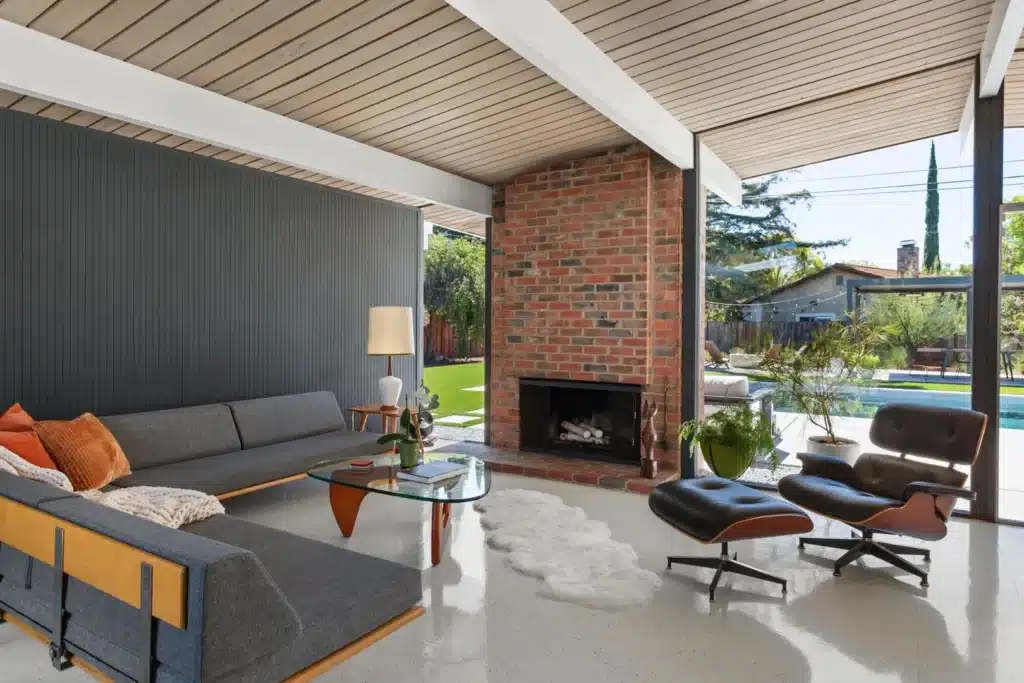
The house is characterized by clean lines and open spaces, reflecting the modernist philosophy of the era. Its design emphasizes the integration of indoor and outdoor spaces, with extensive use of natural glass to provide balanced lighting and create a sense of expansiveness.
Analytical Value of the House
Given the minimal alterations over the decades, this building serves as a valuable resource for understanding construction and design methods of the 1960s, as well as studying how architectural elements interact with the daily lives of its residents.

Renovation During the Second Ownership Period
The second owners of the house, who held it for five years, carried out significant updates to enhance the architectural functionality and maintain the building’s integrity. These updates included infrastructure improvements such as roof renovation and electrical system upgrades, along with kitchen appliance enhancements to meet modern standards.
Exterior Design Enhancements
Externally, new features were added, including a swimming pool and a pergola, reflecting an approach that integrates open spaces and practical comfort with the home’s original design. These updates provide an example of how modern improvements can be blended with classic architectural elements without compromising the building’s original character.
Impact of Renovations on Analytical Value
These improvements allow researchers and architects to study the impact of contemporary updates on iconic Eichler homes, and how modern technologies can be harmoniously and sustainably incorporated into mid-century designs.

Preserving the Original Character
The outcome of the renovations reflects a commitment to maintaining the house’s original mid-1960s character. This dedication allows architecture enthusiasts to study the design features of Eichler homes in their most authentic form.
Historical and Architectural Context
This house was one of approximately 70 homes built by developer Joseph Eichler in the Parkwood Estates community in Concord. These homes represent a significant portion of the city’s 179 residences, located about 20 kilometers northeast of Oakland. This context provides an opportunity to understand Eichler’s influence on shaping the architectural character of the city and the broader San Francisco Bay Area.
Importance of Studying Residential Communities
Studying such a community offers broader insights into mid-century urban planning and construction methods, as well as an understanding of the relationship between individual home designs and their surrounding environment.

3772 Gainsborough Drive: An Example of Eichler’s Late-Period Architecture
Architectural Design and Core Values
Located at 3772 Gainsborough Drive, this home stands as a prominent example of Eichler’s late-period houses. The structure features a low-rise profile and an open-plan layout, reflecting Claude Oakland’s vision inspired by Joseph Eichler’s values of providing contemporary design accessible to all. This style embodies Eichler’s philosophy of offering practical, well-lit spaces that harmonize with the surrounding natural environment.
Eichler and His Career
Joseph Eichler is considered one of the most successful developers of modest mid-century modern architecture, having built approximately 11,000 homes across California between 1949 and 1966. Eichler’s transformation into a modernist developer was inspired shortly after renting a home designed by Frank Lloyd Wright, prompting him to shift his career from selling butter and eggs to specializing in modern architectural development.
Impact of the Design on Modern Architecture
This house forms part of Eichler’s legacy in integrating modern design with everyday living, allowing researchers to study how modernist concepts can be practically and sustainably applied in a real residential context.

California Modernism and Eichler’s Approach
The California Modernism Style
California interpretations of modernism remain among the most compelling contemporary architectural styles, characterized by clean lines, transparent glass, natural sunlight, and refined elegance. These elements create a balanced living experience that combines simplicity and beauty, resulting in homes that are bright and visually spacious.
Eichler’s Democratic Approach
While many leading architects of the era focused on designing lavish mansions for celebrities using glass, steel, and wood, Joseph Eichler took a more democratic approach. He built modestly sized, affordable homes, such as the 3772 Gainsborough Drive house, which is under 2,000 square feet, allowing the general public to enjoy modernist design without excessive costs.
Social Impact of the Modest Approach
This approach represents a significant contribution to making modern architecture more inclusive. It also provides researchers an opportunity to study how modernist principles can be adapted to meet the everyday needs of a broad segment of society, while maintaining aesthetic appeal and practical functionality.

Eichler and Urban Expansion: An Innovative Vision
Transforming Urban Opportunities
Joseph Eichler was able to turn what seemed like limited opportunities for urban expansion into an innovative and appealing architectural project. While many suburbs at the time featured flat, repetitive street grids with little natural scenery or striking views, Eichler introduced design elements that added both aesthetic and functional value to these environments.
Case Study Homes Approach
Only a small portion of homeowners could follow the approach of the Case Study Houses, a series of experimental homes aimed at testing modern design solutions for daily living. Among these, the recently reopened Eames House serves as an example of how experimentation can be combined with practical functionality, highlighting Eichler’s influence in making modern design more accessible and widespread.
Impact on Urban Planning
Eichler’s approach to urban expansion reflects a deep understanding of how suburban living experiences can be enhanced, incorporating elements of architectural modernism that balance beauty and practical function. This makes his work a valuable case study for contemporary architects and urban planners.

The Eichler Team and Excellence in Architectural Design
Leveraging Available Resources
The Eichler team worked within the resources available to them, yet what they achieved naturally stood out above the prevailing landscape of uniform houses and traditional wooden fences of the period. This distinction did not come from size or cost, but from design innovation and high architectural quality.
Geographic Expansion and Its Impact
Since then, Eichler homes have become highly sought-after, with major projects in Marin County, Sacramento, Palo Alto, Sunnyvale, and Mountain View, as well as southern areas such as Thousand Oaks and Palm Springs. This widespread presence demonstrates the influence of Eichler’s style in shaping residential architecture in California and how his vision raised standards for housing design across multiple regions.
Analytical Value
This expansion provides researchers with an opportunity to understand how a specific architectural team, working within limited means, can leave a lasting impact on the built environment. It also highlights the role of innovation and quality in distinguishing residential projects from prevailing trends.

Eichler and the Intersection of Architecture and Technology
Cultural and Technological Context
The rise of admiration for Eichler coincided with Northern California’s transformation into an intellectual hub for dominant global technology companies. There is a notable parallel between the tech industry’s fascination with all forms of manufactured utopia and Eichler’s elegant, open-minded restraint, as he presented his designs in a modest, practical manner, focusing on open spaces and natural lighting.
A Prominent Architectural Team
Eichler’s team included some prominent architects of the era, such as Ray Kappe, A. Quincy Jones, Frederick Emmons, and Raphael Soriano. This team combined experience and innovation to develop homes adaptable to the diverse needs of buyers.
Customization and Flexibility
The house layouts were virtually infinitely adaptable, depending on location, buyer preferences, and required specifications, giving each home a unique character within Eichler’s overall style. This approach reflects the ability of architectural design to combine aesthetic and functional values while flexibly meeting the demands of daily life.

Claude Oakland’s Design: The CC-174R Model
Structure and Open Spaces
Claude Oakland’s design for the 3772 Gainsborough Drive house represents the CC-174R model, built in the post-and-beam style, reflecting the mid-century modern architectural philosophy. The home features an open interior hall and flowing spaces between indoors and outdoors, enhancing the sense of spaciousness and connection with the surrounding environment.
Natural Lighting and Materials
Glass windows extend from floor to ceiling throughout the home, complemented by wooden ceilings and openings that allow natural light to permeate. These elements enhance the harmony between form and function, imparting a sense of openness and clarity to the interior spaces.
Interior Layout and Amenities
The original layout of the expansive spaces included a kitchen with custom cabinetry and a laundry room, reflecting the design’s attention to practical details and daily living needs while maintaining the home’s contemporary aesthetic.

House Location and Architectural Background
Location within Parkwood Estates
The 3772 Gainsborough Drive house is situated within the Parkwood Estates community, close to several other Eichler designs, reflecting the stylistic harmony of residential areas from that era. This environment provides an opportunity to study Eichler’s approaches to planning residential communities and the distribution of homes to achieve both visual and functional cohesion.
Professional Background of the Current Owners
The current owners acquired the house in the early part of the decade and possess a distinguished architectural background. One of their parents was an architect who worked with Walter Gropius at the Architects’ Collaborative (TAC) in Cambridge, Massachusetts. This background highlights the owners’ dedication to understanding the architectural value of the house and preserving its historical and original features.

Personal Influence and Cultural Background
An Upbringing Immersed in Architecture
The owners grew up surrounded by a rich architectural legacy, which fostered a close relationship with the world of architecture from an early age. This cultural and personal context illustrates how one’s formative environment can shape an individual’s understanding and appreciation of design and architecture.
Academic Journey and Passion for the Built Environment
Coincidentally, both owners began their academic journey in architecture before transitioning to design, yet their passion for the built environment never waned. This enthusiasm reflects the profound impact of early education and experience in shaping design perspectives and the commitment to preserving the architectural character of the spaces they inhabit.

Acquisition of the House and the Owners’ Vision
Investing in Architectural Heritage
The acquisition of the 3772 Gainsborough Drive house was the culmination of a long-standing passion for architecture and design. The owners describe the house as “untouched,” having retained all its original elements since the first owner, reflecting the building’s unique historical and architectural value.
Challenges and Belief in Potential
Despite the considerable work required, which might have made the house seem like a risky investment for most people, the owners were able to see its potential. They believed in its structure, history, and design vision, highlighting the importance of appreciating original architectural value and the ability to integrate modern improvements while preserving the home’s authentic character.

Restoration and Preservation of the Original Character
Restoration and Preservation of Original Materials
The restoration work included the installation of period-appropriate vinyl flooring while preserving the original mahogany panels, as well as updating the utilities and roof. These measures reflect the owners’ dedication to maintaining the home’s historic character while introducing practical improvements in line with modern daily living standards.
Re-presenting the House According to Eichler’s Vision
The house was carefully showcased, recalling the way Eichler and his team prepared model homes in the 1950s and 1960s. The presentation included furniture designed by Eames and Harry Bertoia, demonstrating optimal use of open spaces and allowing researchers and architecture enthusiasts to understand the relationship between interior design and practical functionality in Eichler homes.

Impact of Eichler Homes on Urban Planning and Heritage
Beyond the Traditional Urban Model
It is no coincidence that an Eichler house, despite moving beyond the conventional suburban urban model, contributed to the creation of a car-oriented neighborhood with low population density. The design of these distinctive homes gives each residence a unique character and personality while maintaining the openness and open spaces that define Eichler’s style.
Challenges in Heritage Preservation
Despite their architectural distinction, heritage preservation restrictions and urban standards have become increasingly stringent over time due to prominent demolitions and alterations inconsistent with the original character. This challenge underscores the importance of implementing effective protection policies for historic homes to preserve Eichler’s legacy and provide opportunities to study his architectural methods in their most authentic form.
The Enduring Appeal of Eichler Homes
Modernism for the Mass Market
Over time, the appeal of Eichler homes remains strong due to their ability to combine practical modernism with refined aesthetic style. These homes symbolize modernism aimed at the mass market, offering designs that are both accessible and visually and functionally enjoyable.
The Eichler Network and Community Support
The long-standing Eichler network highlights the significant role of the architectural community in preserving the legacy, providing information and support regarding remaining homes, and raising awareness of the value of these historic properties. This ongoing interaction allows researchers and architecture enthusiasts to share expertise and lessons on how to maintain and enhance the homes while preserving their authenticity.

Owners’ Experience and the Natural Beauty of the House
Functional and Aesthetic Excellence of the Design
For the owners of 3772 Gainsborough Drive, who were relocating to be closer to family, the design benefits have always outweighed any drawbacks. The home reflects a perfect balance between beauty and functionality, providing a comprehensive and comfortable living experience.
Natural Light and Interaction with the Environment
The owners noted that the house offers a unique natural lighting experience: “There is no bad angle in this house. No matter where you stand or what perspective you look from, the house always remains stunning. We wake up to soft morning light casting gentle shapes on the walls, and as the day progresses, shadows move and dance throughout the house.” The glass windows also allow views of leaves and branches casting constantly changing patterns, creating a meditative experience that reflects the harmony between architectural design and the surrounding natural environment.

✦ ArchUp Editorial Insight
The Eichler house offers a unique architectural experience that combines practical modernism with visual beauty, showcasing design mastery in balancing open spaces and natural light, and seamlessly integrating indoor and outdoor areas. The home’s original details allow researchers and architecture enthusiasts to clearly understand Eichler’s mid-century style, highlighting the quality of materials and the innovative use of available resources.
Conversely, some may feel that certain design elements do not fully align with contemporary living requirements, such as the need to update some utilities or the limited space for larger families, and preserving the original character may impose restrictions on personal modifications by the owners. Overall, the house represents a rich case study, blending architectural achievements with the practical challenges associated with maintaining a historic legacy.
Prepared by the ArchUp Editorial Team
Don’t miss the chance to explore more from Architecture, Buildings, and Design on the ArchUp website.