

From Extraction to Renewal: The Role of Architecture in Rural Developments in Latin America

Rural areas have long played a fundamental role in the social and economic development of nations. Until the 18th century, they were the primary sites of production and social organization. However, the Industrial Revolution brought deep structural transformations that reshaped this landscape. Industry took center stage, entrenching itself in urban environments and establishing a hierarchical, binary vision rural versus urban, agricultural versus industrial. Within this new paradigm, two opposing narratives gained prominence: one predicted the decline of rural life in the face of urbanization and economic progress; the other envisioned its persistence and eventual renewal. Today, it is clear which of these predictions has come to pass.
Beyond Revival: The Rise of a New Rural Refinement
More than a mere revival, scholars now identify the emergence of a new refinement process a concept that gained momentum in the early 2000s when rural issues began appearing prominently on international agendas, linked to themes like sustainability, resilience, and quality of life. This shift calls for new frameworks and methodologies ones that move beyond viewing rural spaces as alternatives or remnants of urban areas and instead seek to empower rural communities through living practices rooted in their values and beliefs. In this evolving context, architecture begins to play a pivotal role.
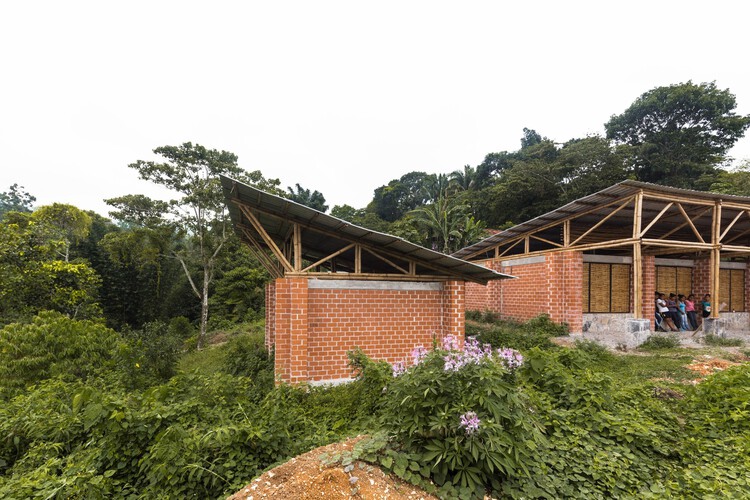
Latin America’s Rural Landscape: Challenges and Opportunities
Across Latin America, approximately 20% of the population lives in rural areas. In countries like Bolivia, Ecuador, and Panama, this figure approaches one-third. In Brazil the region’s largest country nearly 25.6 million people reside in rural zones. Researchers note that Brazil is now undergoing a third generation of public policies aimed at family farming a development mirrored in many Latin American nations, highlighting emerging architectural challenges in these areas.
- First Wave: Focused on agrarian reform and agricultural development.
- Second Wave: Centered on social programs and welfare.
- Third Wave (Current): Aims to create new markets based on food security and environmental sustainability.
These evolving dynamics underscore the urgency of better understanding rural trends and their deep connection to the natural world. Increasingly, rural spaces are recognized as critical in shaping the planet’s future not only due to their ecological importance but also as laboratories for innovation.
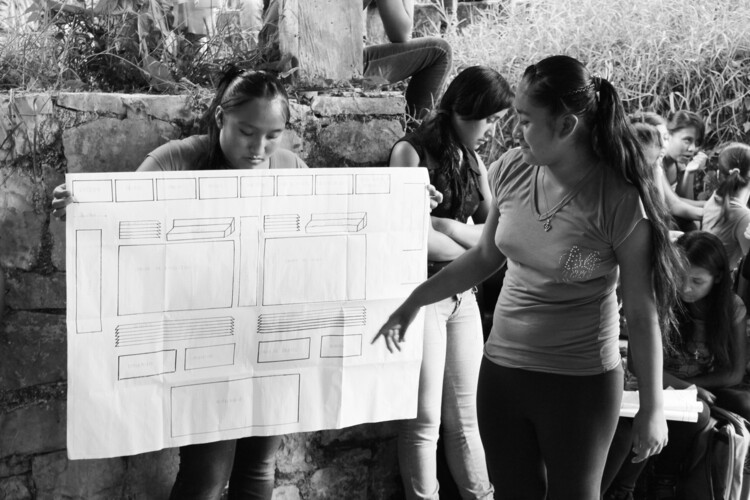
Architecture as a Catalyst for Regenerative Development
In this historical shift from extractive resource exploitation to regenerative practices architecture aligns with sustainability through a systems-based approach, integrating health and resilience across multiple scales. Among the tools supporting this transition, regenerative design stands out. Its goal is to rebuild local ecosystems in a healthy way, emphasizing active community participation and fostering cultures capable of continuous learning and transformation.
Case Study: Universidad Del Medio Ambiente, Mexico
The rural campus in Acatitlán, Mexico, exemplifies this approach. Designed to stimulate local regeneration, it features:
- Energy and water self-sufficiency
- On-site food production
- Low-impact materials (wood, earth)
Beyond its architectural solutions, it serves as a hub for rural knowledge and education, contributing to a broader mindset shift.
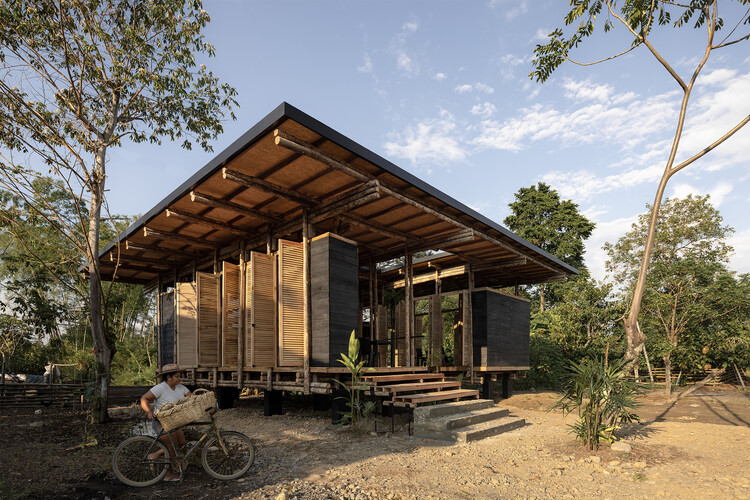
Case Study: First Productive Rural School, Mexico
Built with locally sourced stone and bamboo (donated by families), this school demonstrates how community collaboration can foster autonomous rural development.
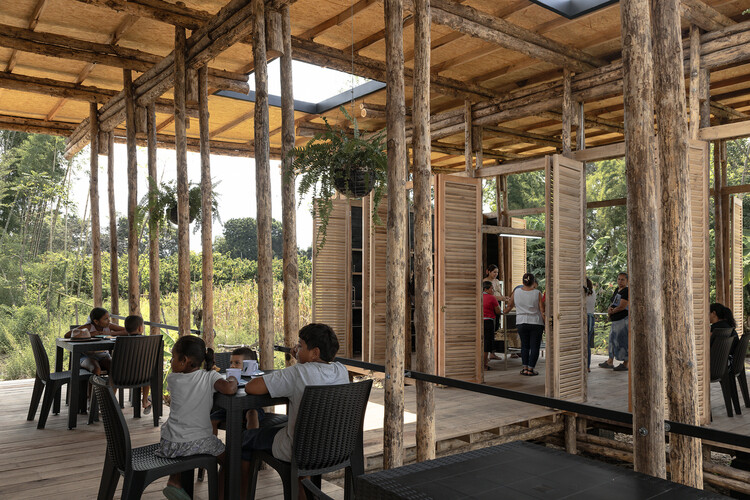
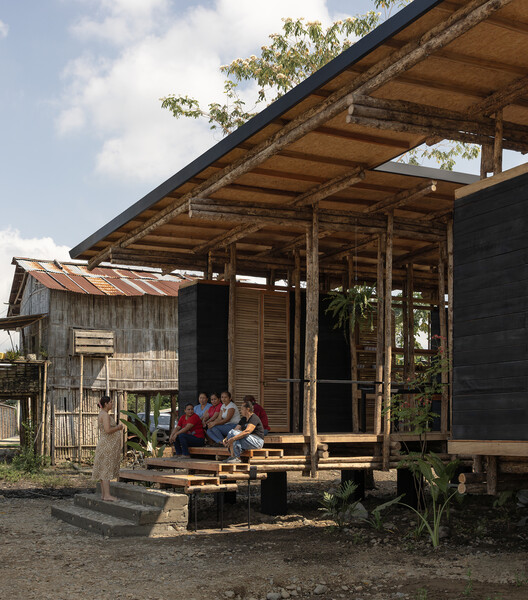
Case Study: La Panificadora, Ecuador
A rural production center supporting local economies through bread-making, its modular wooden structures adapt to flood-prone conditions, drawing from traditional coastal building systems.
Conclusion: Architecture as a Force for Renewal
Together, these projects small in scale but significant in impact form part of Latin America’s broader rural renaissance. They bring regenerative design to life, not merely as a harm-reduction strategy but as a profound commitment to architecture’s potential as a revitalizing force. Aligned with nature itself, this principle challenges us to rethink how we inhabit the world, advocating for a way of living that gives back more than it takes.
✦ ArchUp Editorial Insight
The discourse on rural architectural development in Latin America highlights a transformative shift from extraction to regeneration, emphasizing sustainability and community agency. While the focus on regenerative design is commendable, some case studies risk romanticizing localism without addressing systemic inequalities in resource distribution. A deeper critique of policy barriers could strengthen the argument. Nevertheless, the emphasis on architecture as a tool for ecological and social renewal is inspiring, proving that thoughtful design can indeed foster resilient, self-sustaining communities. These initiatives offer a hopeful blueprint for rural revitalization worldwide.
Explore the Latest Architecture Exhibitions & Conferences
ArchUp offers daily updates on top global architectural exhibitions, design conferences, and professional art and design forums.
Follow key architecture competitions, check official results, and stay informed through the latest architectural newsworldwide.


