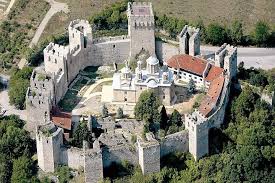
Hanging Monasteries of Serbia: Architectural Marvels Suspended in Time

Overview
Nestled within the rugged cliffs of eastern Serbia, the Hanging Monasteries are a rare and striking example of cliffside religious architecture. Built between the 14th and 16th centuries, these monasteries combine strategic placement with spiritual symbolism, seemingly defying gravity. Their timber and stone structures are ingeniously anchored into the rock face, providing both stability and a dramatic visual presence. The design reflects a harmonious blend of Byzantine and local Serbian architectural traditions, with narrow galleries, wooden balconies, and intricately carved doorways that connect the monastic community with the surrounding landscape.

Architectural Features
The monasteries exhibit adaptive construction techniques optimized for steep, unstable terrain. Thick stone walls at the cliff base transition to lighter timber frameworks above, reducing weight while maintaining resilience against earthquakes. Roofs are typically sloped and shingled, allowing efficient drainage, while interior spaces maximize natural light through strategically placed windows and small openings. The interplay between the verticality of the cliffs and the horizontality of the wooden platforms creates a visual tension that mirrors spiritual ascent, reinforcing the connection between earthly constraints and divine inspiration.

Cultural and Functional Significance
Historically, these monasteries served as secluded retreats for monks seeking spiritual contemplation and safety from invasions. The remote locations fostered self-sufficiency, with terraces for limited agriculture and water cisterns ingeniously carved into the rock. Today, they stand as invaluable heritage sites, offering insights into the interplay of faith, environment, and medieval construction ingenuity.

Panoramic Perspective
From a distance, the monasteries appear to float above the valleys, emphasizing the architects’ mastery of proportion, scale, and context. Each structural element is deliberately designed to maintain harmony with the cliff contours while ensuring long-term durability.

✦ ArchUp Editorial Insight – AI Perspective
The Hanging Monasteries of Serbia exemplify a masterful synergy between architecture and geology, centuries before modern sustainability concepts emerged. AI simulations suggest that their cliffside placement optimizes natural load distribution while minimizing erosion risks, creating a self-stabilizing structure that harmonizes with the terrain. The stepped terraces, cantilevered balconies, and staggered halls indicate an intrinsic understanding of environmental forces, light, and airflow. This architectural dialogue between protection and exposure inspires modern architects to explore vertical integration and adaptive design within precarious landscapes. Despite their delicate appearance, these monasteries continue to offer invaluable lessons on designing buildings that respond intelligently to both nature and human necessity.