Historic Diesel Station Transformed into Tashkent’s New Centre for Contemporary Arts

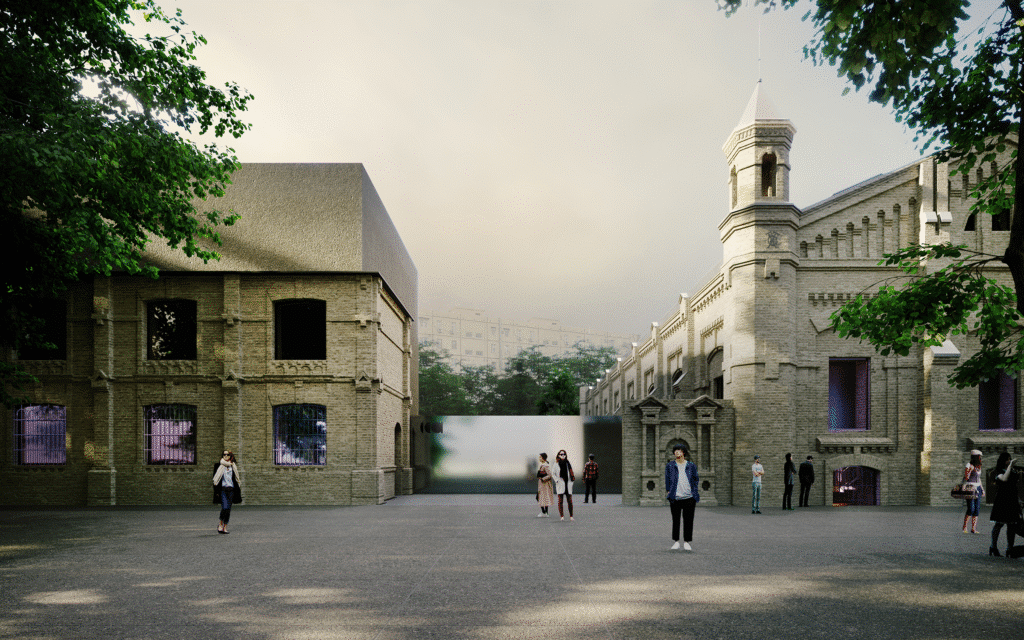
Uzbekistan’s Art and Culture Development Foundation has unveiled plans to turn a 1912 industrial building in the heart of Tashkent into a Centre for Contemporary Arts. This centre is set to become the first permanent space dedicated to contemporary art and research in Central Asia. The project is led by the French architecture studio Studio KO. They are breathing new life into a landmark that once powered the city’s electric grid.
Preserving the Past, Shaping a New Identity
Originally designed by architect Wilhelm Heizelmann as a diesel station and depot for Tashkent’s first tram line, the structure served the city’s electricity network for decades. It was handed over to the foundation in 2019.
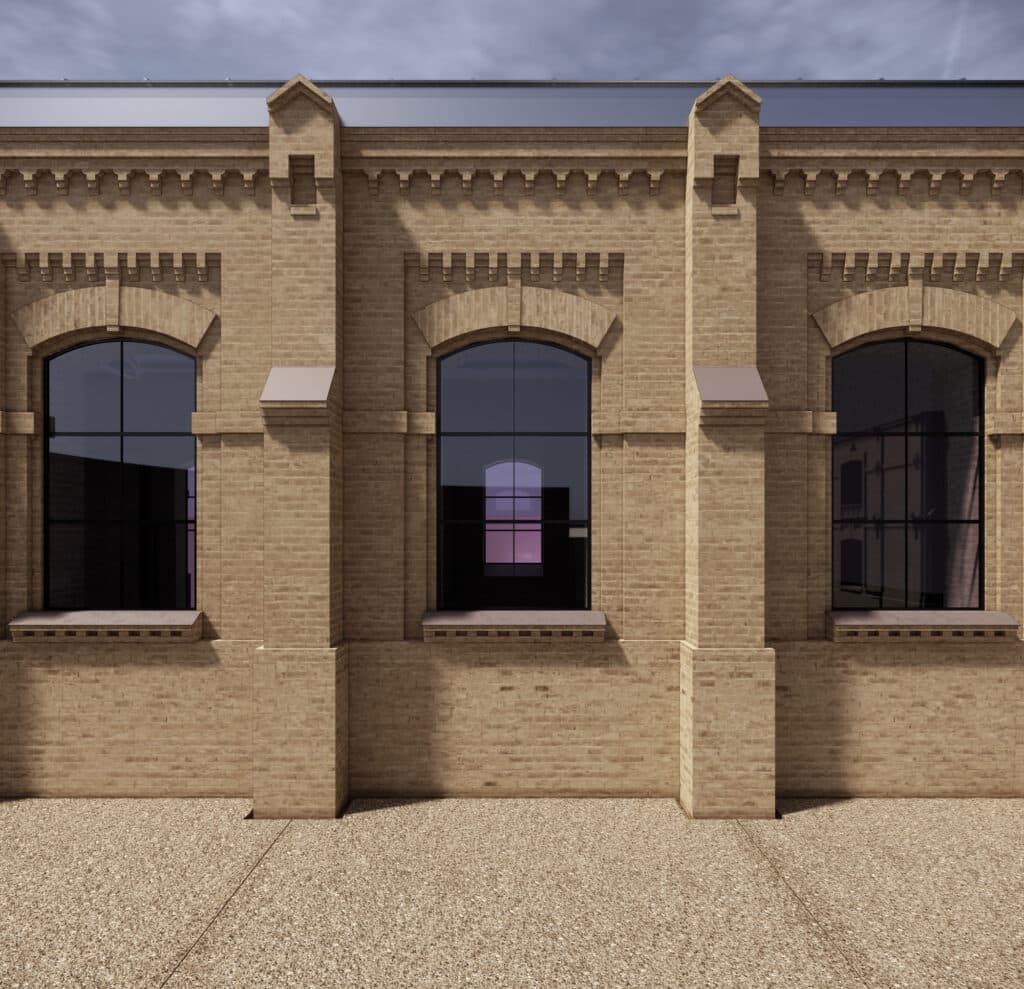
The redesign by Karl Fournier and Olivier Marty retains the robust industrial character. It weaves in local materials and light-filtering patterns inspired by Uzbek architecture. These create flexible spaces for exhibitions and cultural programs.
Public Opening Planned for March 2026
The centre is scheduled to welcome visitors in March 2026 with an inaugural exhibition titled “Hikmah” (Wisdom) curated by Dr. Sara Raza.
The show will bring together global artists such as Ali Cherri, Kimsooja, and Nadia Kaabi-Linke. It will also feature Uzbek and Karakalpak voices including Shokhrukh Rakhimov and Vladimir Pan. Highlights include Kaabi-Linke’s Flying Carpets from the Guggenheim Museum and Kimsooja’s participatory piece Archive of Mind. Additionally, there will be a site-specific ceramic installation by Rakhimov.
A Platform for Cultural Exchange
Beyond its debut, the centre aims to establish itself as a hub for year-round programming with artist residencies, workshops, youth initiatives, and interdisciplinary labs. Two annual events are also planned: Navruz Gala and the Tashkent Public Art Festival. These events position the venue as a key connector between the city’s industrial past and its evolving cultural landscape.
This effort complements larger initiatives such as the National Museum of Uzbekistan by Tadao Ando and the ambitious urban expansion project known as New Tashkent.
✦ ArchUp Editorial Insight
The article outlines the adaptive reuse of a 1912 industrial structure in Tashkent into a Centre for Contemporary Arts. It preserves its structural essence while integrating local materials and light-filtered motifs. These reference Uzbek identity. Imagery conveys lofty halls, exposed brick, and steel elements. These are balanced by reconfigured apertures and diffused daylight, suggesting spatial flexibility. Yet the narrative provides limited examination of the project’s urban impact or socio-cultural positioning within the city’s evolving fabric. Nonetheless, the scheme establishes a durable cultural platform. It reconnects industrial heritage with contemporary artistic discourse and offers fertile ground for ongoing research.
Explore the Latest Architecture Exhibitions & Conferences
ArchUp offers daily updates on top global architectural exhibitions, design conferences, and professional art and design forums.
Follow key architecture competitions, check official results, and stay informed through the latest architectural news worldwide.
ArchUp is your encyclopedic hub for discovering events and design-driven opportunities across the globe.