Hybrid Furniture: How the Modern Table Has Outgrown Its Traditional Role

The Contemporary Table: A Role Beyond Traditional Aesthetics
No longer is the role of a table in the living room or by the bedside limited to attractive design or refined craftsmanship. Today, user expectations have grown significantly. Many people now seek tables that offer multiple functions to support a more convenient daily lifestyle.
Meeting Evolving Needs
For example, modern tables are increasingly expected to provide features like wireless device charging, ambient lighting, and practical storage solutions. Yet, when visiting international design exhibitions, one might notice a strong emphasis on showcasing meticulous craftsmanship and fine aesthetic details.
However, when we return to the reality of our fast-paced daily lives, comfort and practicality emerge as top priorities. This drives demand for hybrid designs that successfully balance beauty with functionality.
Where Elegance Meets Function
In this context, a design approach appears that combines soft, organic lines with discreetly integrated technical solutions. Such ideas give the table a balanced appearance free of visual clutter. This transforms the table from a mere furniture piece into an element that naturally blends with its surrounding space.


Smart Integration Without Visual Clutter
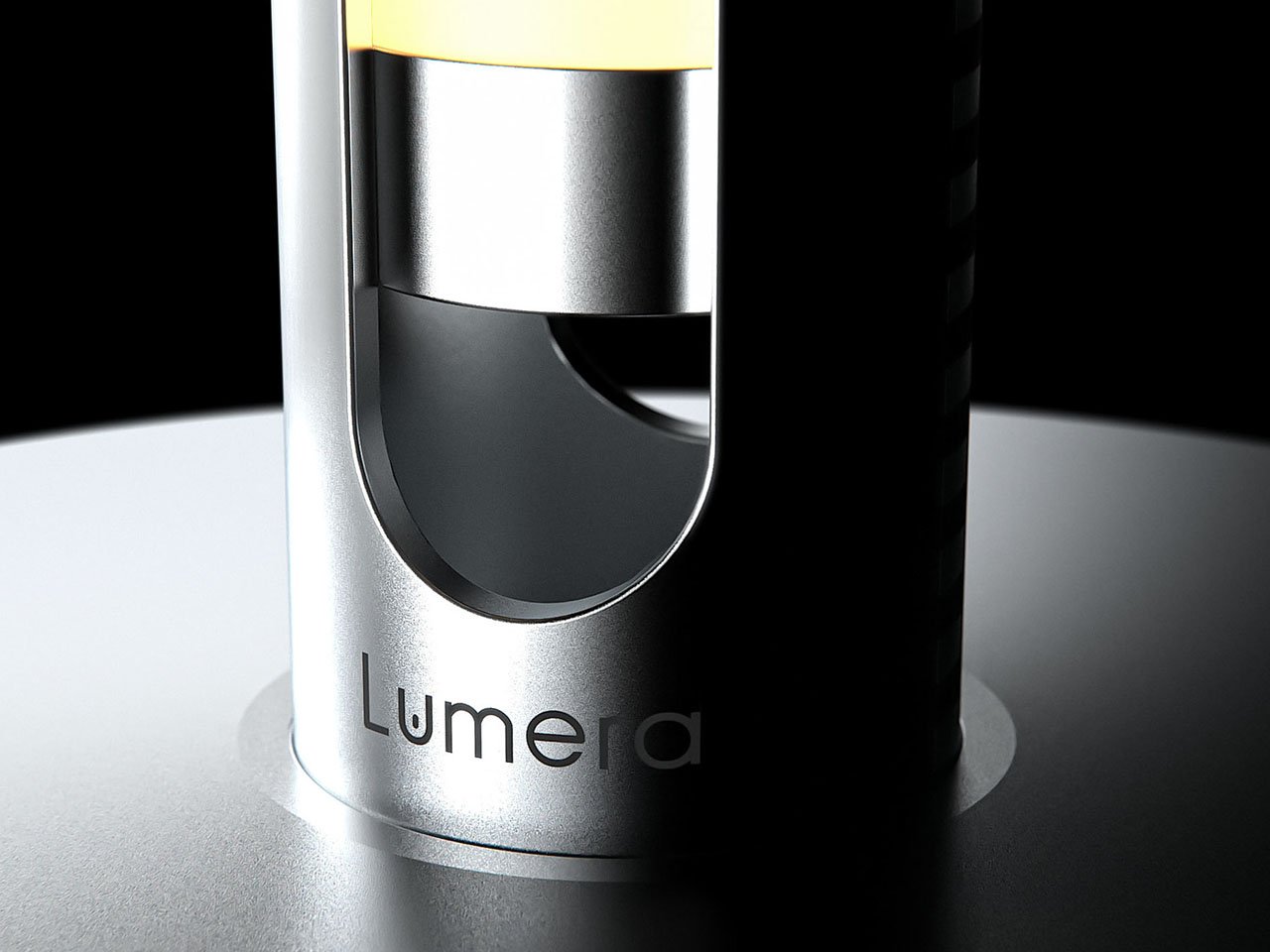
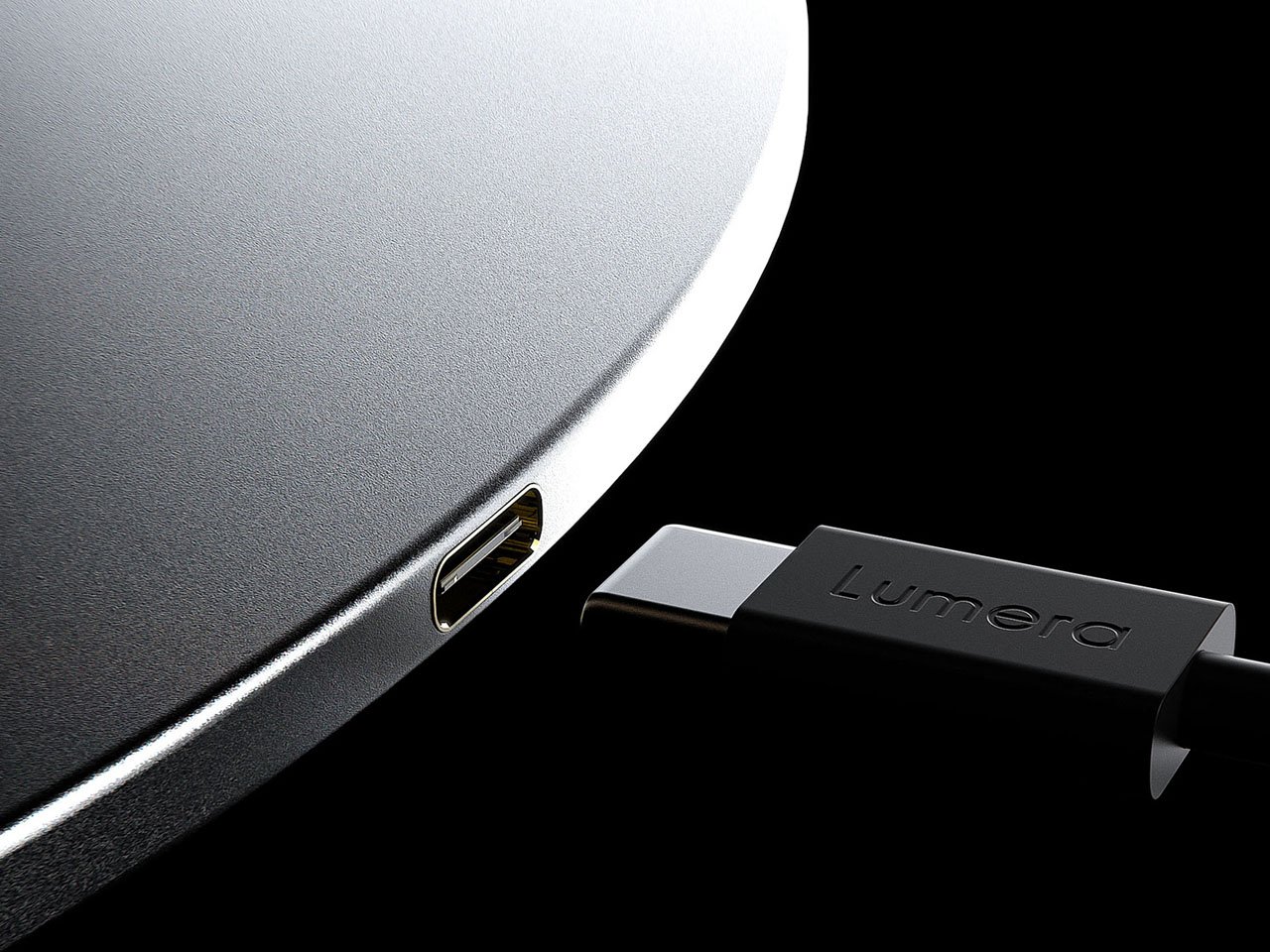
One remarkable aspect of certain modern designs is their ability to incorporate elements such as hidden lighting, concealed drawers, and even wireless charging. They do this without overtly displaying these functions or creating unwanted visual clutter. Through this approach, furniture becomes more aligned with practical daily use. However, it does not disturb the calm atmosphere of the space.
Materials: From Industrial Coldness to Natural Warmth
In addition, the choice of materials plays a vital role in achieving a balance between appearance and functionality. Using warm, natural materials like solid wood, along with fine details such as fluted panels or tambour surfaces, lends each piece a tactile, inviting character. This is a clear departure from cold, synthetic finishes that often lack a sense of interaction.
Adapting to Diverse Styles
Thanks to this blend of aesthetics and practicality, the table can easily harmonise with various furniture pieces — whether placed next to a bed, a sofa, or in a cosy lounge corner. It also offers well-planned storage and integrated lighting. This is achieved without the need for extra accessories that might disrupt the overall interior design.
Smart Solutions for Compact Spaces
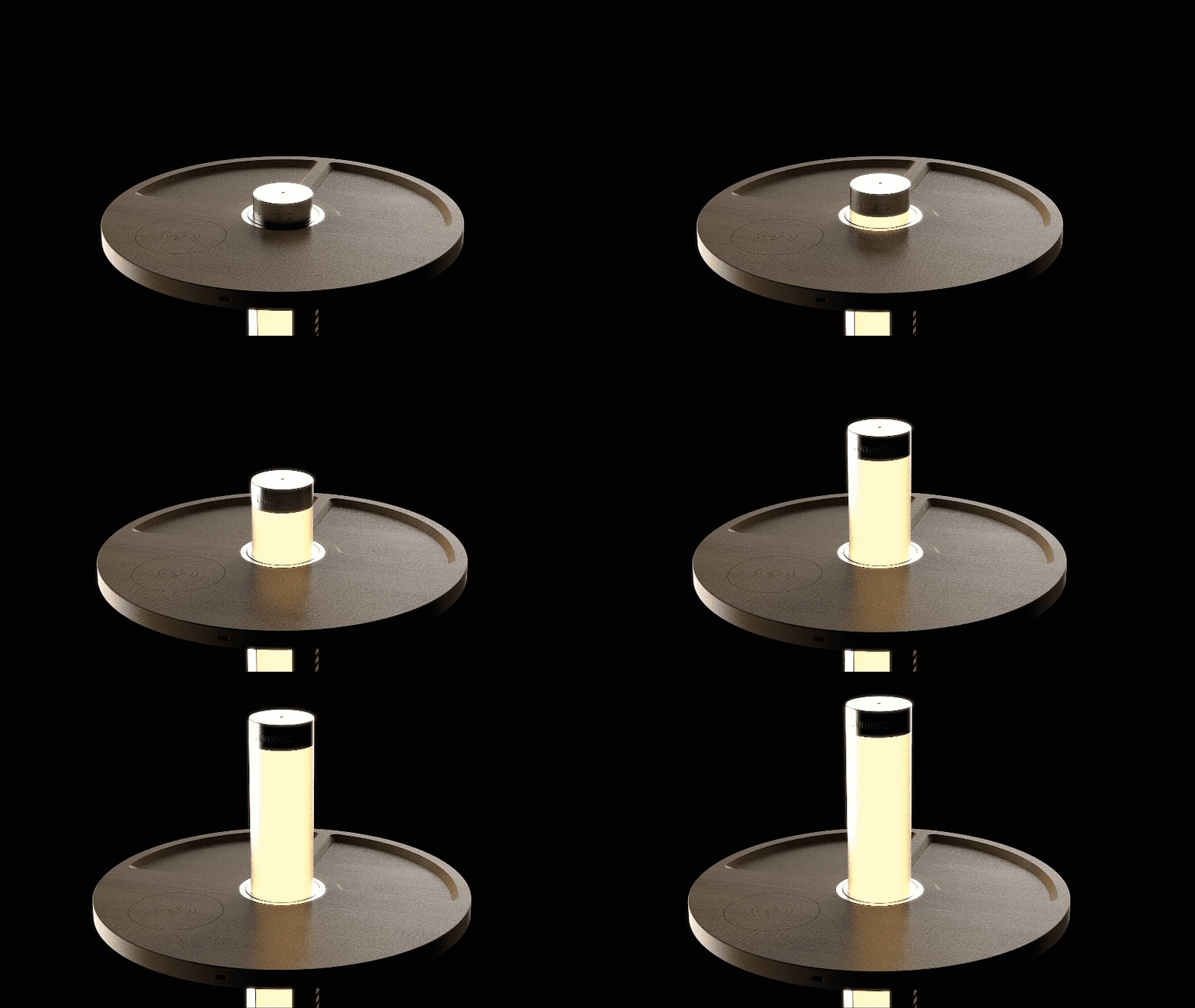
With the growing need to utilise small spaces efficiently, it has become essential to develop practical solutions that add value without occupying extra room. One idea that stands out in this context is the concept of an integrated nightstand that lifts up at the touch of a button. This provides the right ambient lighting without requiring a separate lamp.
Flexible for Everyday Use
More importantly, this feature is not limited to nighttime use alone. Once the lighting is no longer needed, the lamp can retract back into the table’s structure, maintaining a clean and elegant appearance. This flexible design allows the table to be used in other parts of the home as needed. Thus, it is not restricted to a single fixed purpose.
Easy and Practical Organization
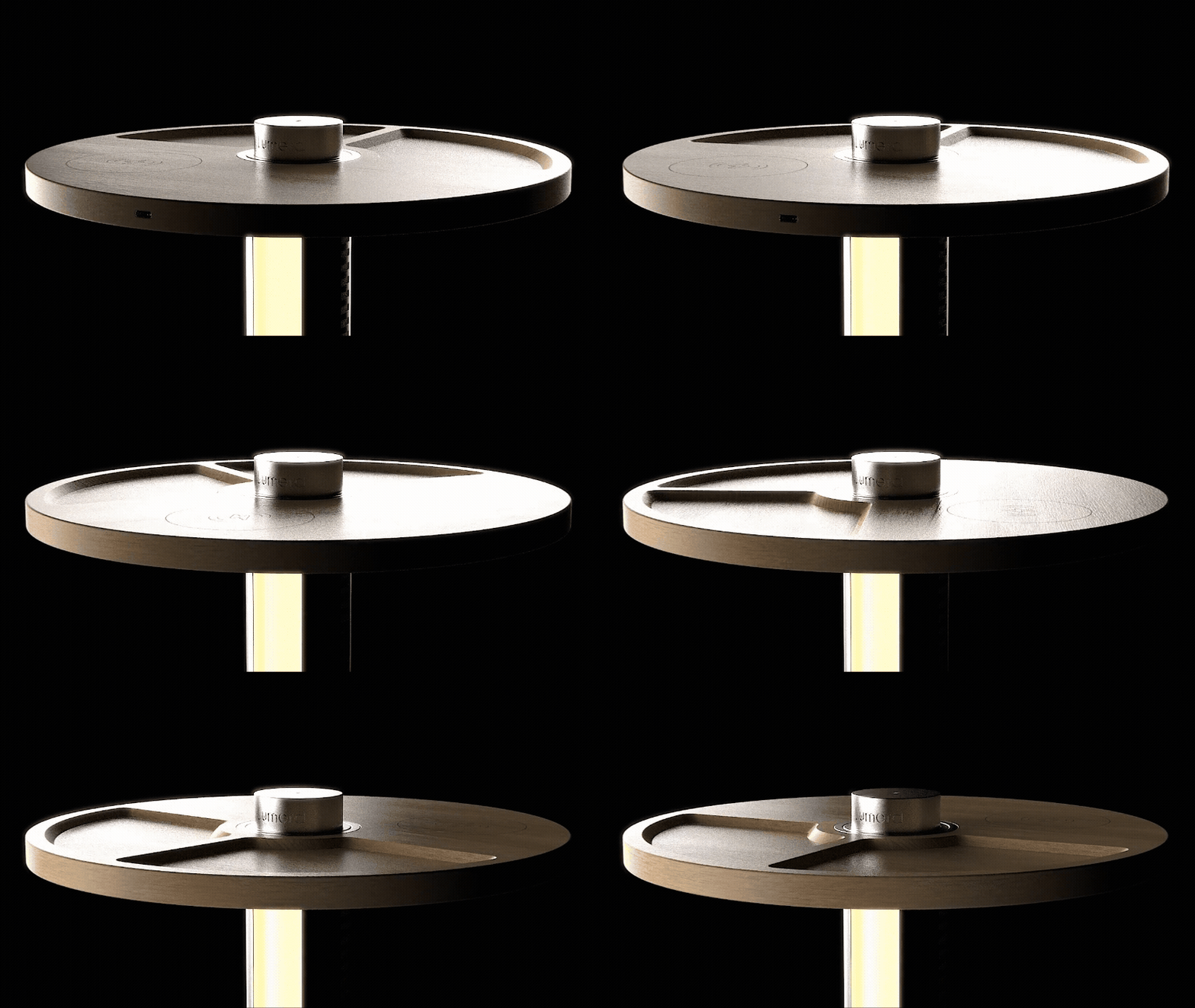
Additionally, the divided top section offers a neat way to organise everyday essentials without causing visual clutter. With a tabletop that can rotate in any direction, accessing stored items becomes much easier. It is adaptable to the user’s daily needs.

Hybrid Furniture: A Reflection of a Broader Cultural Shift
The increasing appeal of multi-functional furniture is no coincidence; it reflects a clear shift in how consumers think and choose their living spaces. Today, many people look for simple-looking solutions. These solutions remain smart and efficient in performance.
Simplicity Without Sacrificing Comfort
With this shift, people have become less willing to trade comfort for minimalism alone. They want pieces that combine multiple functions and thoughtful use of space. These pieces should not turn into complicated elements that cause visual clutter or overwhelm the room.
A Response to Modern Demands
In this context, the idea of a versatile side table stands out as a practical answer that matches the fast pace of modern living. Today’s furniture is expected to do more while maintaining a clean, understated look. This allows it to blend naturally into its surroundings.



✦ ArchUp Editorial Insight
The spread of this type of furniture reflects a broader cultural shift in modern lifestyles. Consumers today no longer settle for single-purpose or traditional solutions; instead, they seek hybrid designs that merge simplicity with smart functionality. They want every detail to harmonise with the interior space.
It is clear that contemporary hybrid furniture does more than embed new technology. It opens the door to redefining the relationship between utility and aesthetics within our homes.
Explore the Latest Architecture Exhibitions & Conferences
ArchUp offers daily updates on top global exhibitions, conferences, and professional art and design forums.
Follow key competitions, check results, and stay informed through the latest news worldwide.
ArchUp is your encyclopedic hub for discovering events and design-driven opportunities across the globe.