Kinetic Art and Architecture: Transforming Static Spaces into Dynamic Experiences

The Rise of Kinetic Art in Public Spaces
Since the mid-20th century, kinetic artists have revolutionized public art by introducing movement, interaction, and environmental responsiveness into architectural designs. Pioneers like Alexander Calder, Yaacov Agam, and Nicolas Schöfer redefined traditional static forms, creating sculptures and installations that interact with wind, human movement, or mechanical control. Even Victor Vasarely, primarily associated with Op Art, contributed by integrating geometric illusions of motion into murals and urban spaces, enhancing the sense of depth and dynamism in built environments.
These innovations marked a shift from passive observation to active engagement, turning viewers into participants in the artistic experience. This laid the groundwork for kinetic architecture, where buildings themselves could react, transform, and communicate with their surroundings.
From Art to Architecture: Integrating Movement into Design
The principles of kinetic and optical art have been absorbed into architectural design, transforming buildings into living entities that respond to their environment. Architects now use moiré patterns, shifting reflections, color-changing materials, and dynamic façades that adapt to light, wind, or human movement. Rather than merely applying art to surfaces, movement has become an intrinsic element of design.
Key developments include:
- Digital and Algorithmic Responsiveness Buildings that adapt using real-time environmental data.
- Perceptual and Mimetic Motion Surfaces that alter appearance based on viewing angle.
- Interdisciplinary Collaboration Architects working with engineers, programmers, and artists to create integrated kinetic experiences.
This evolution demonstrates how architecture is no longer just about form and function but also sensory stimulation, cultural storytelling, and technological innovation.
Case Studies: Kinetic Architecture in Action
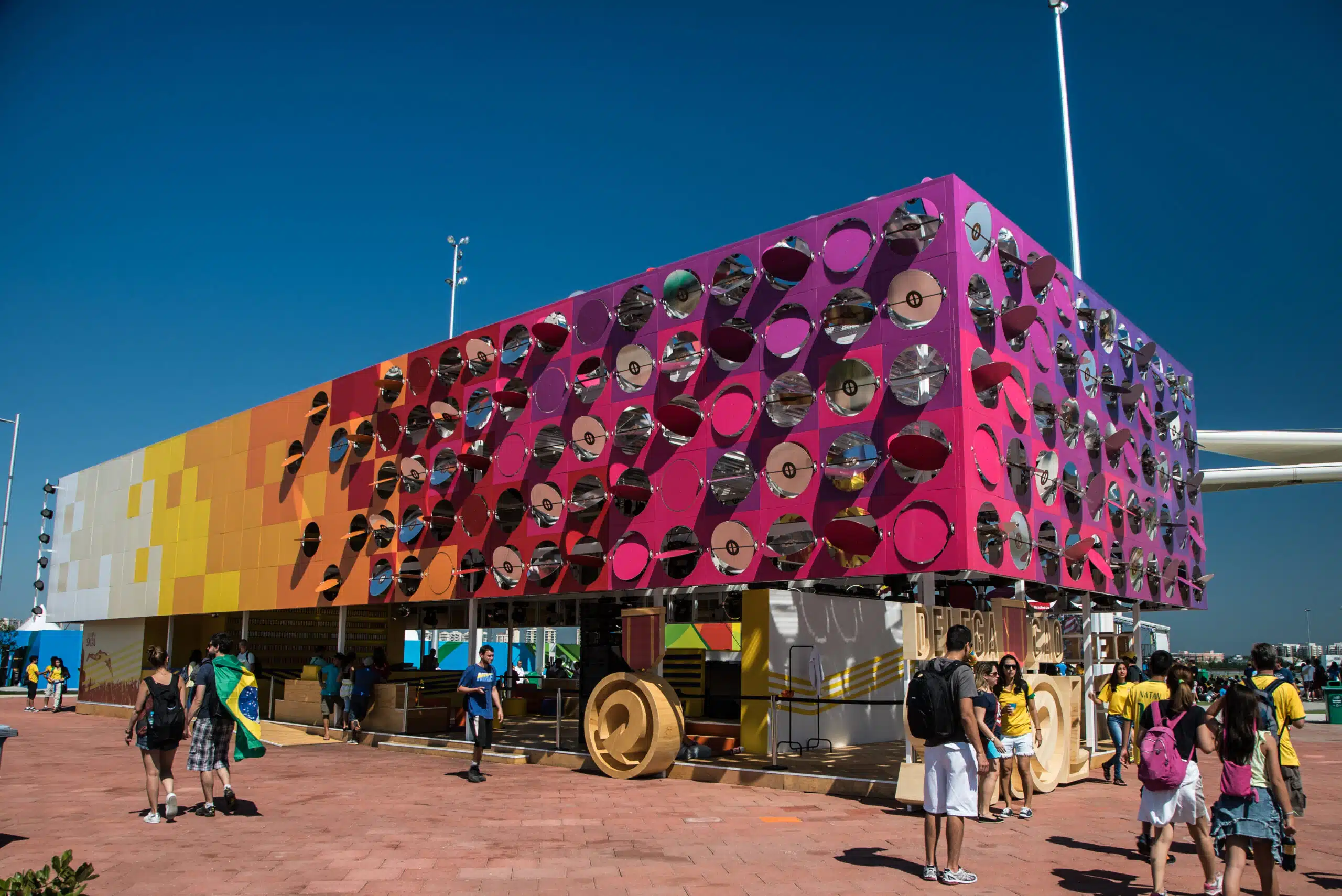
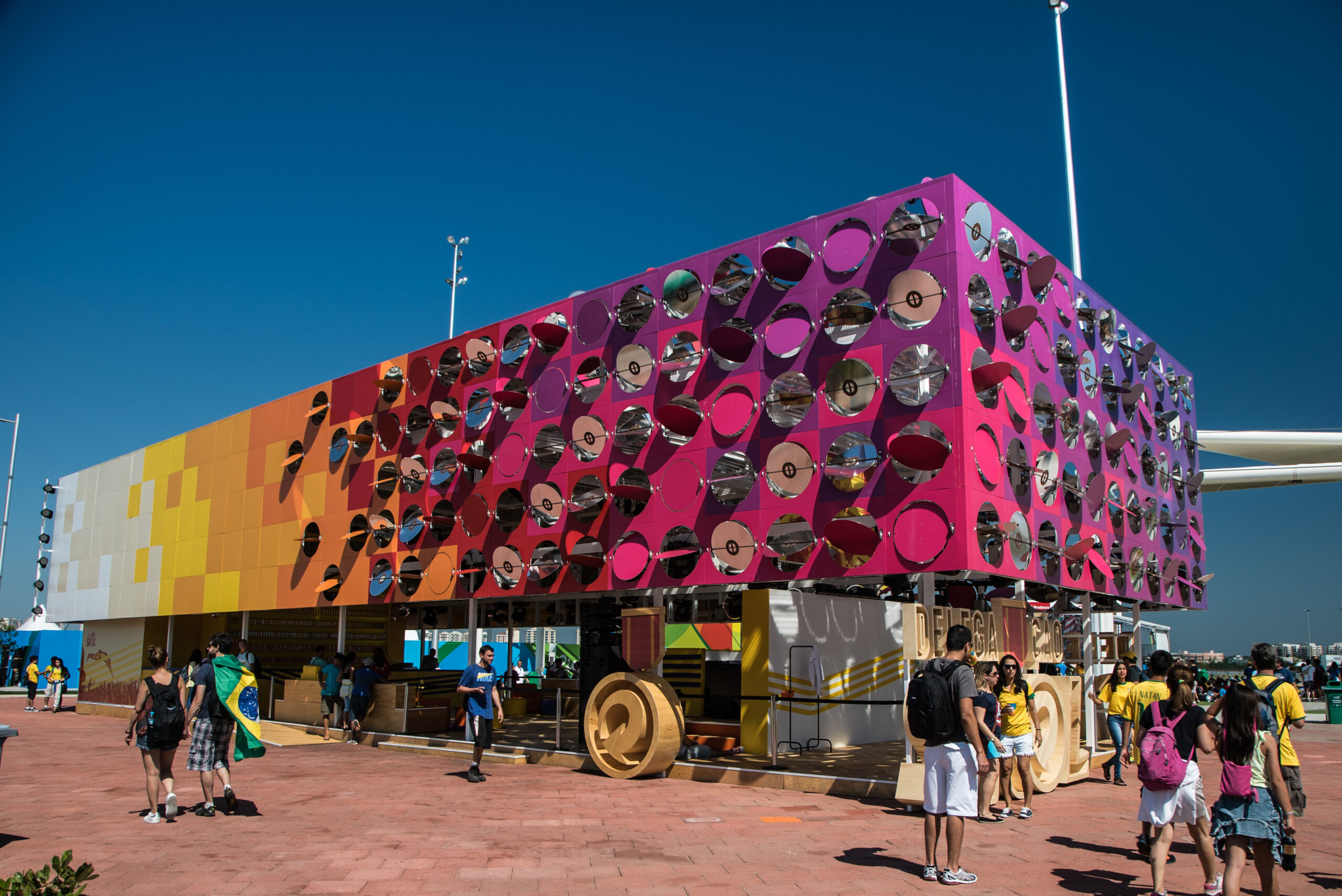
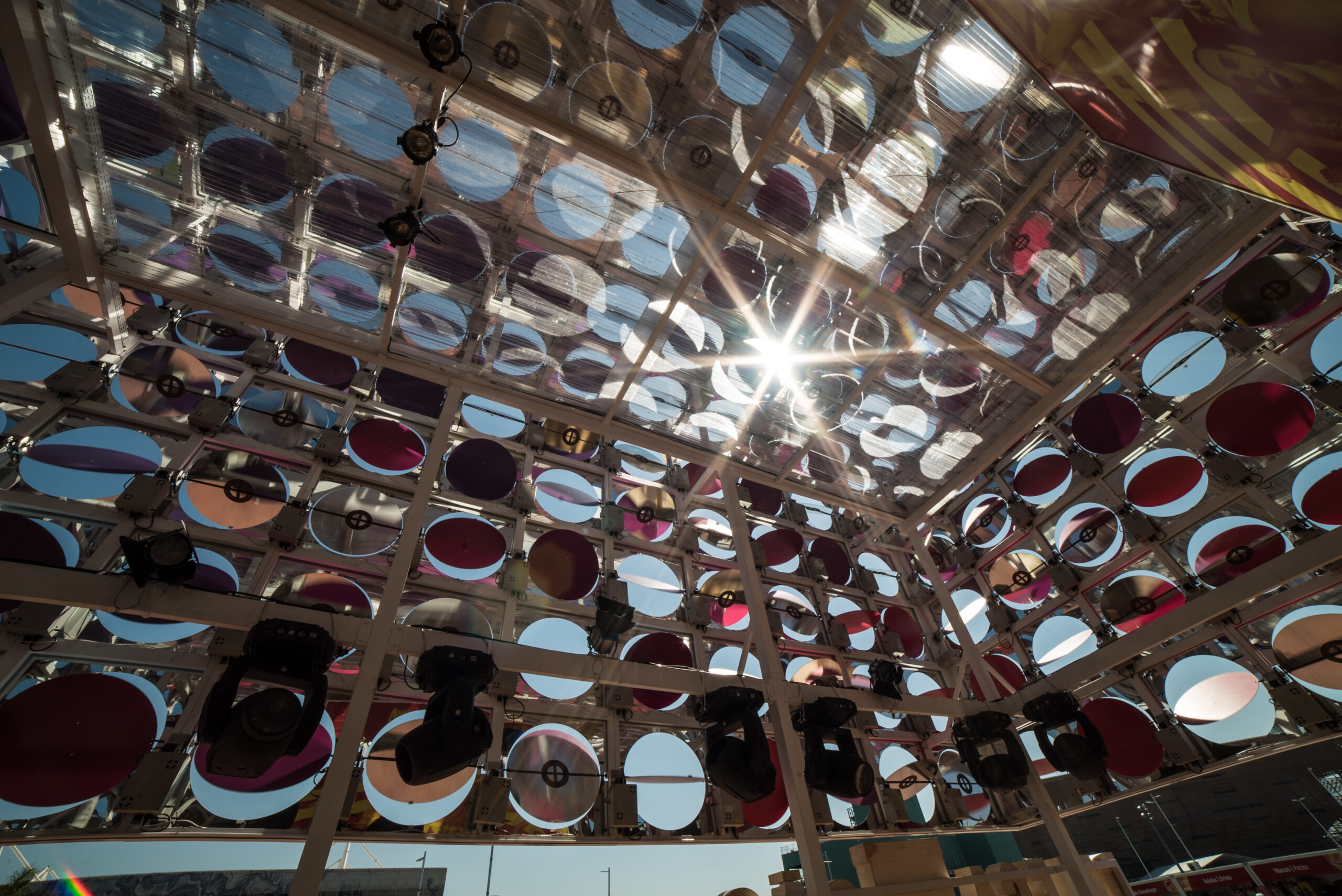
1. The Dancing Pavilion (Rio Olympics 2016)
Designed by Guto Requena Studio, this interactive pavilion translated music and movement into kinetic architecture. Embedded sensors detected motion and sound, triggering the rotation of over 500 motorized mirrors on the façade, creating a dazzling visual effect. This project was the result of a decade of research in hybrid architecture and interactive technology.
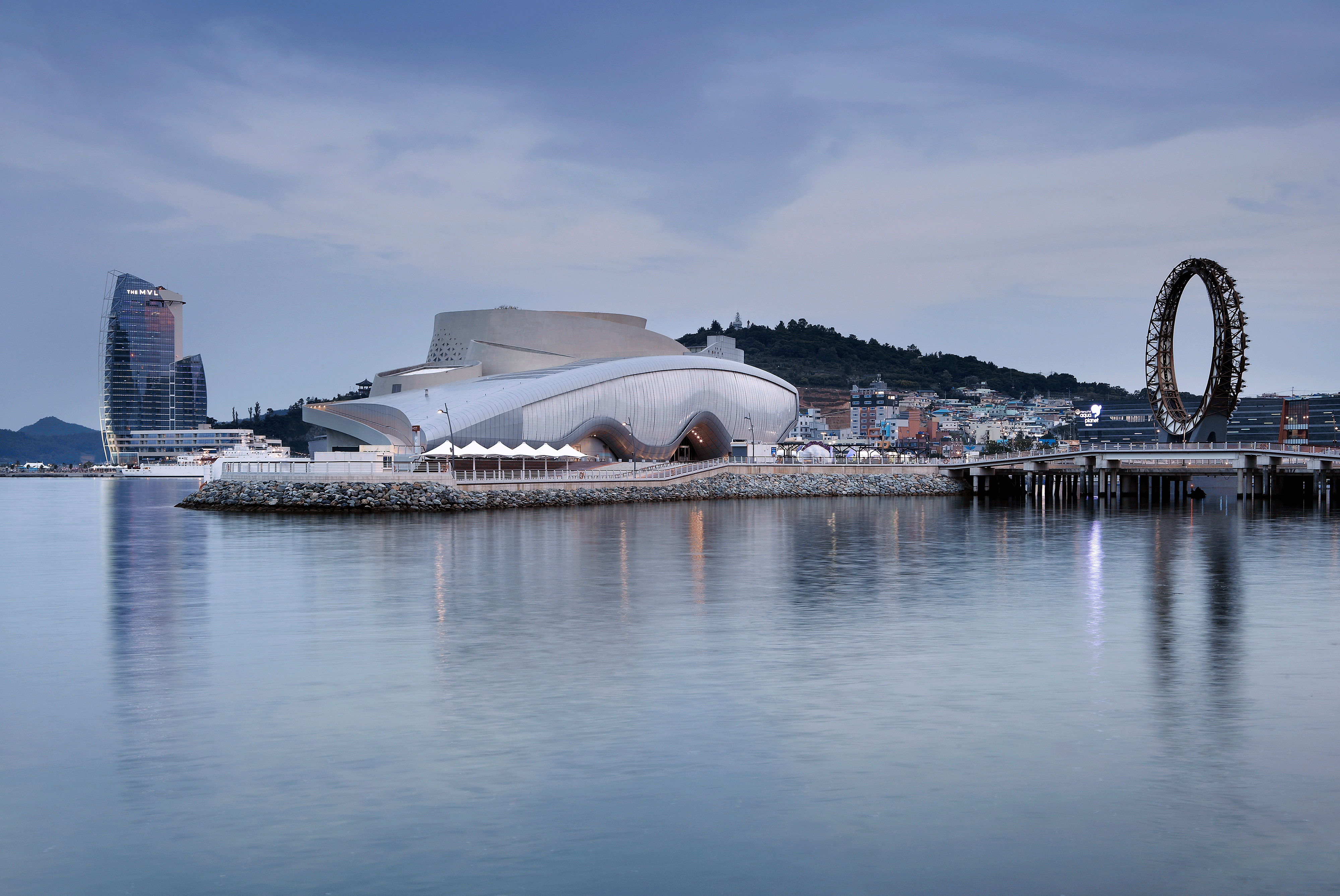
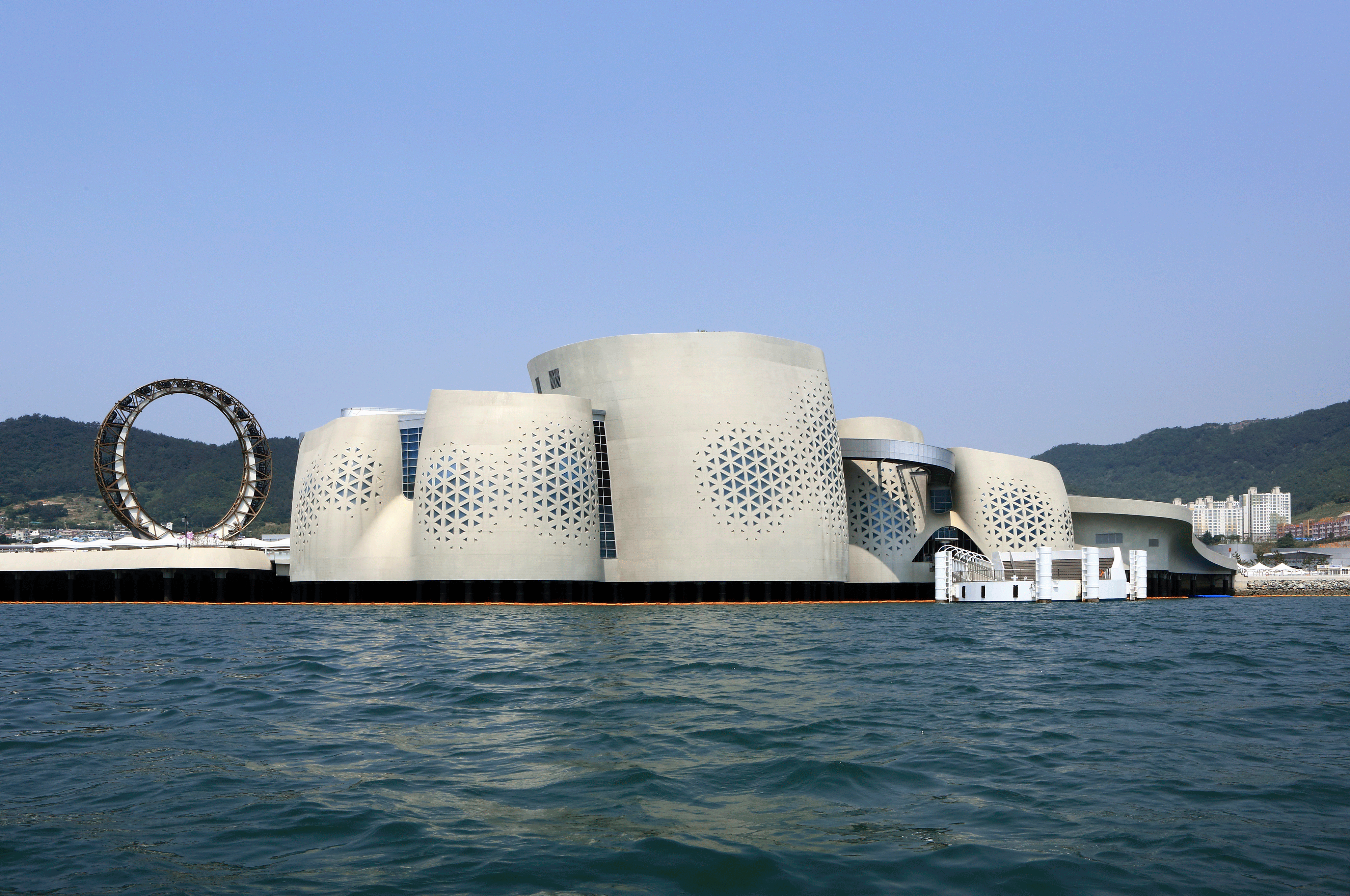
2. One Ocean Pavilion (Expo 2012, South Korea)
Inspired by the theme “The Living Ocean and Coast,” this pavilion featured a nature-mimicking kinetic façade that responded to environmental changes. Its twisting forms and interactive surfaces created an immersive, sustainable experience, now standing as a lasting cultural landmark.
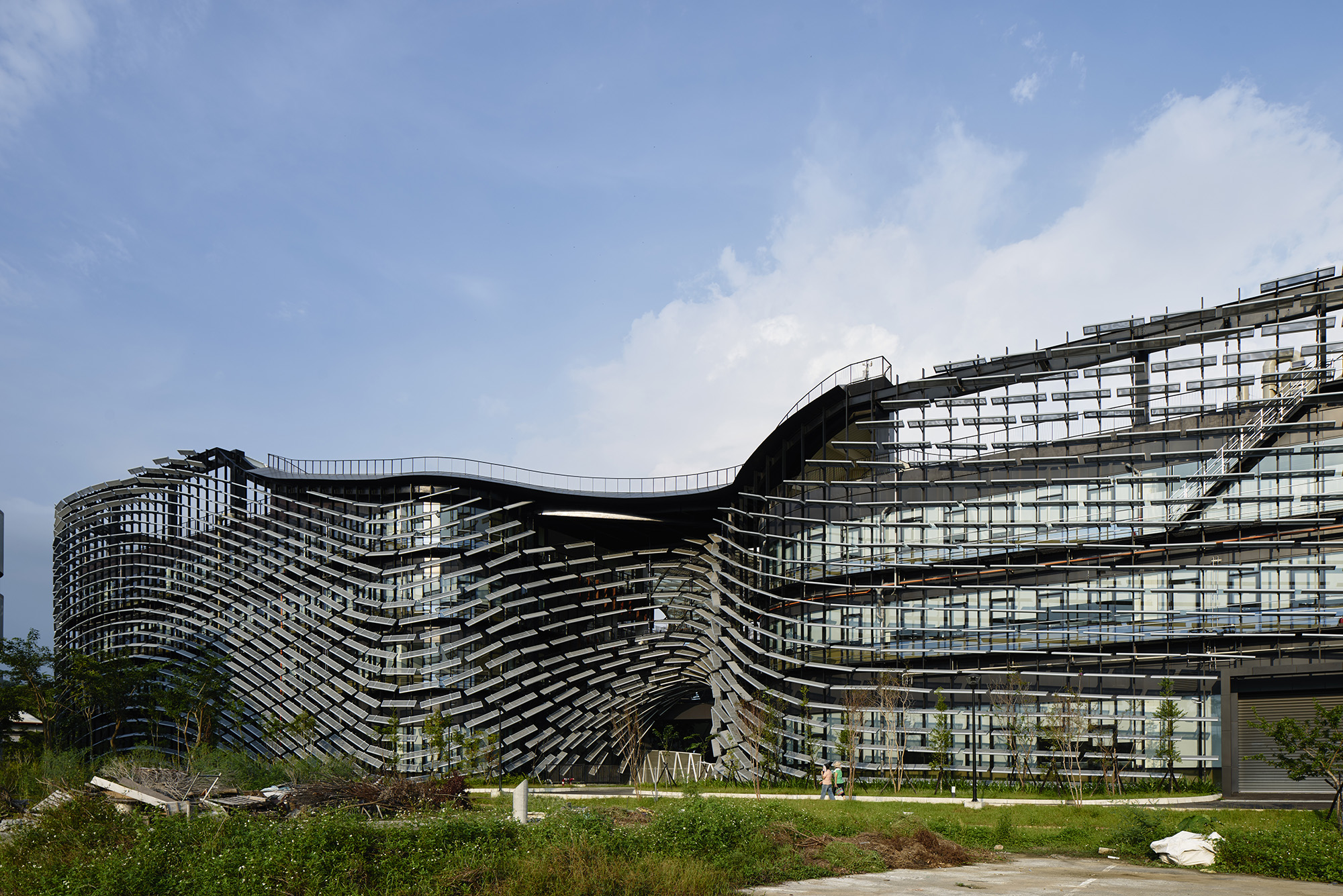
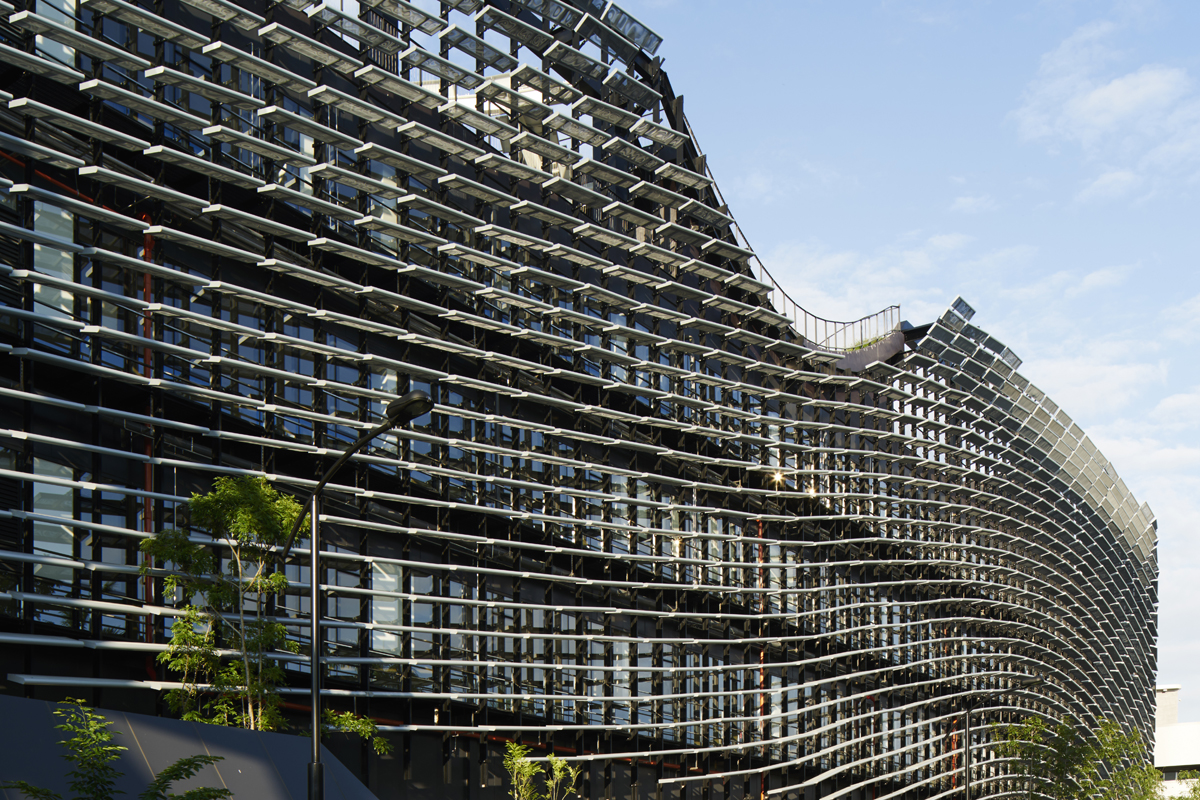
3. ITRI Central Innovation Campus (Taiwan)
Designed by Noiz Architects, this campus features a dual-layer kinetic façade with 4,000 aluminum panels that mimic the movement of a school of fish. These panels filter light, conceal mechanical systems, and create a transparent kinetic effect, proving that aesthetics and sustainability can coexist.
4. Central Plaza Lampang (Thailand)
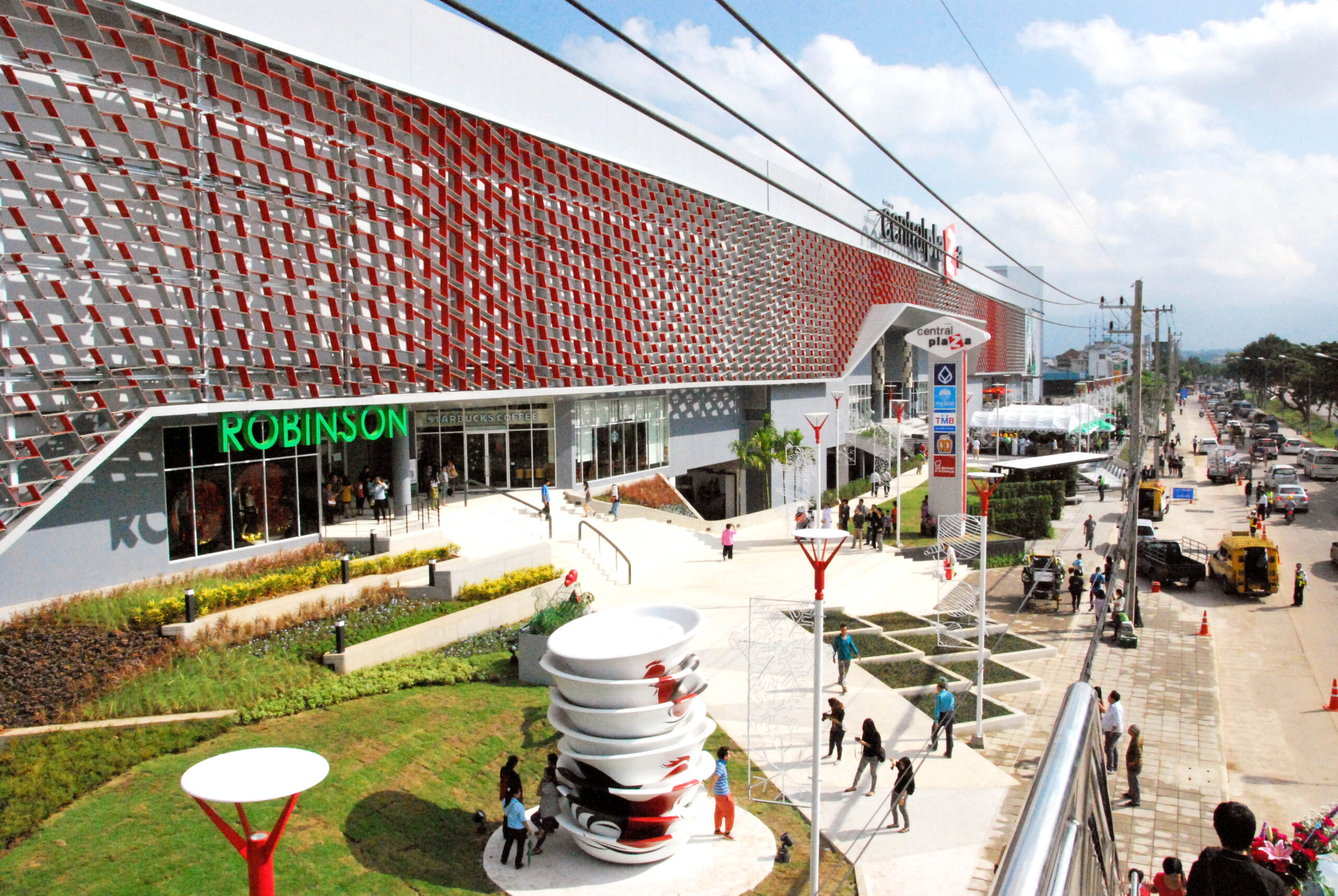
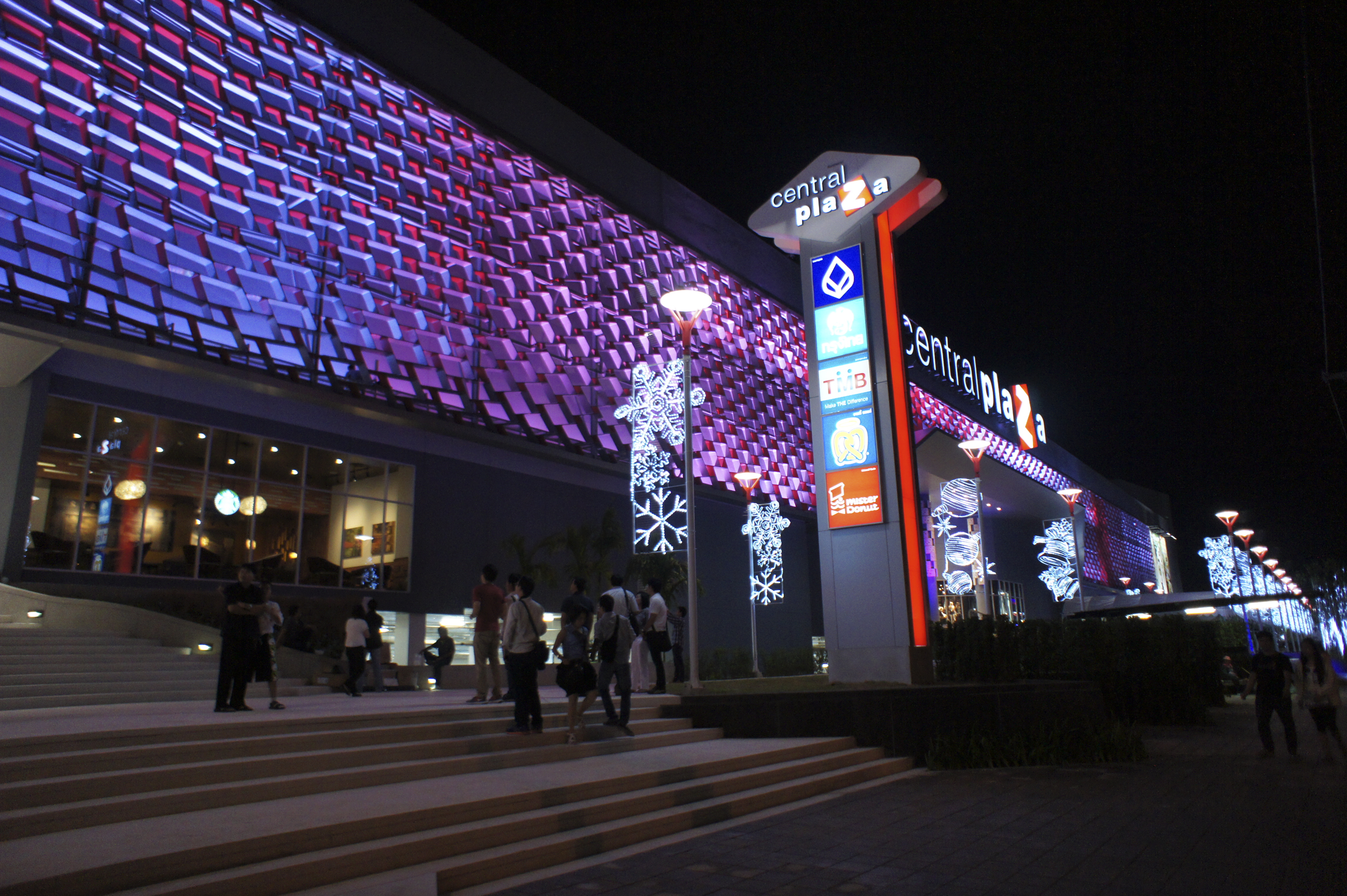
This shopping center’s façade uses an aluminum lattice structure to produce a moiré effect, shifting between transparency and opacity depending on the viewer’s angle. At night, color-changing LED lights enhance the illusion of motion, transforming the building into a stunning urban spectacle.
5. The Len Lye Centre (New Zealand)
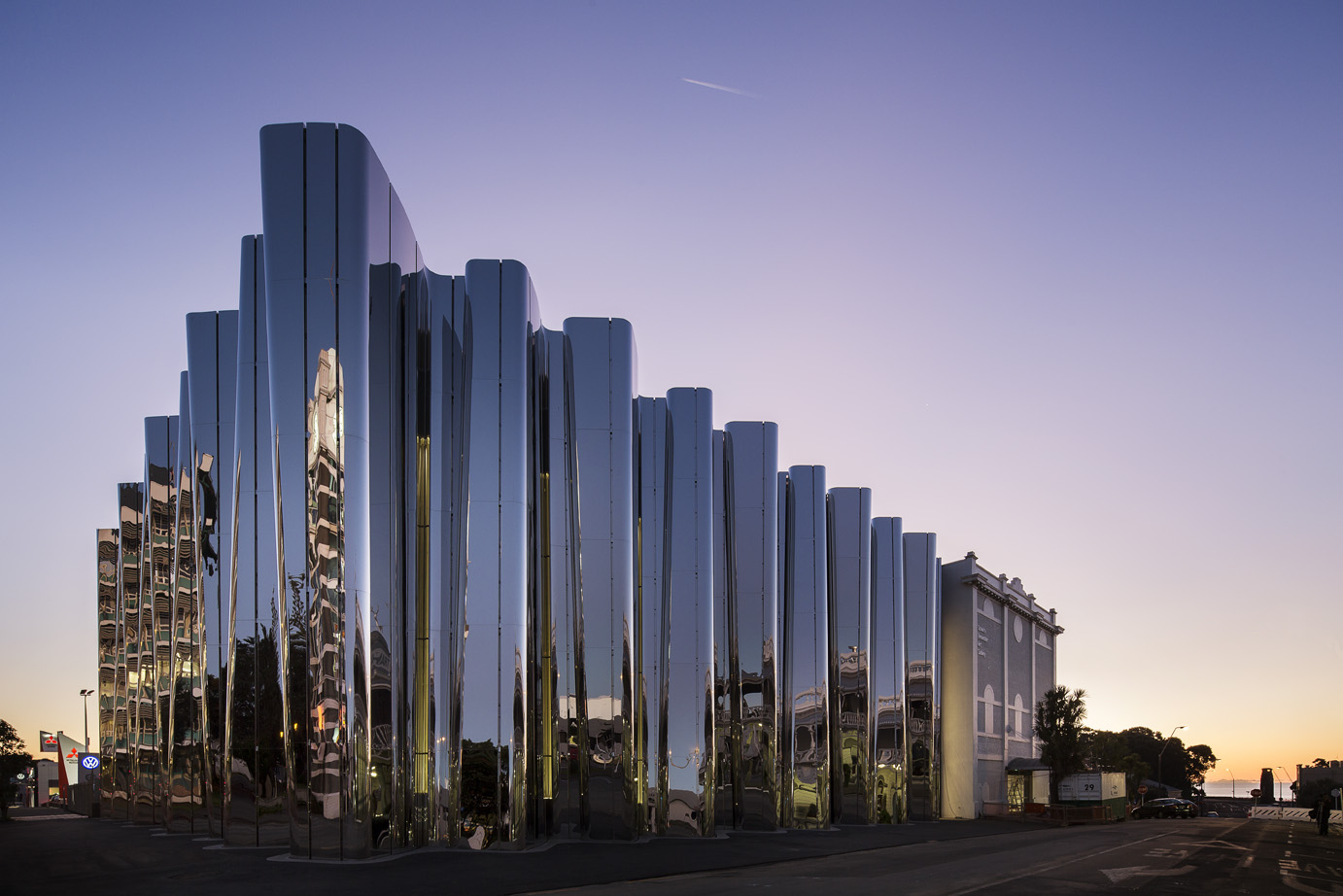
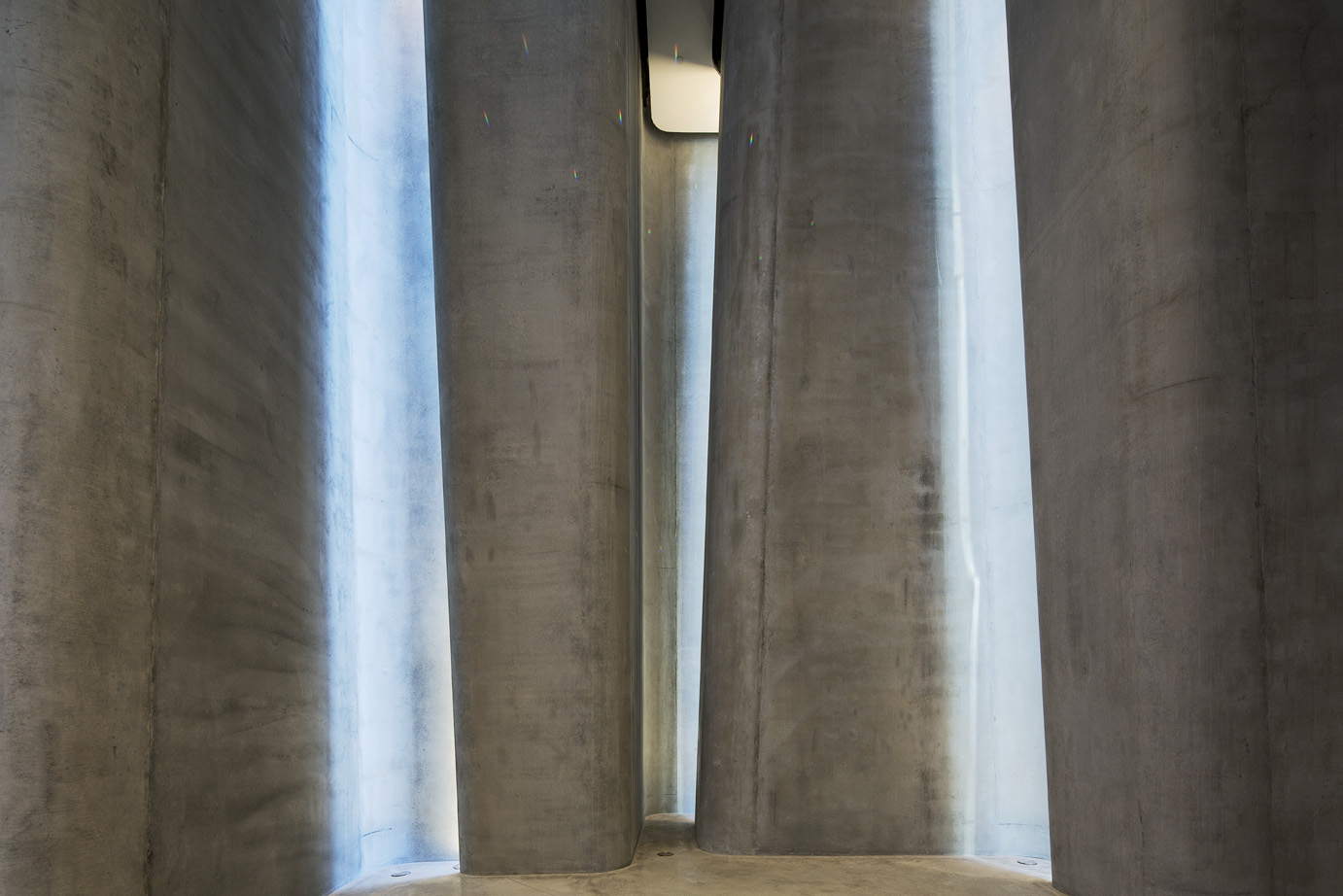
A tribute to kinetic artist Len Lye, this building’s reflective stainless-steel façade distorts and magnifies reflections, engaging passersby in an ever-changing visual dialogue. The design blends Polynesian tradition with industrial innovation, reinforcing Lye’s belief that “great art and architecture go hand in hand.”
6. Eskenazi Hospital Parking Structure (USA)
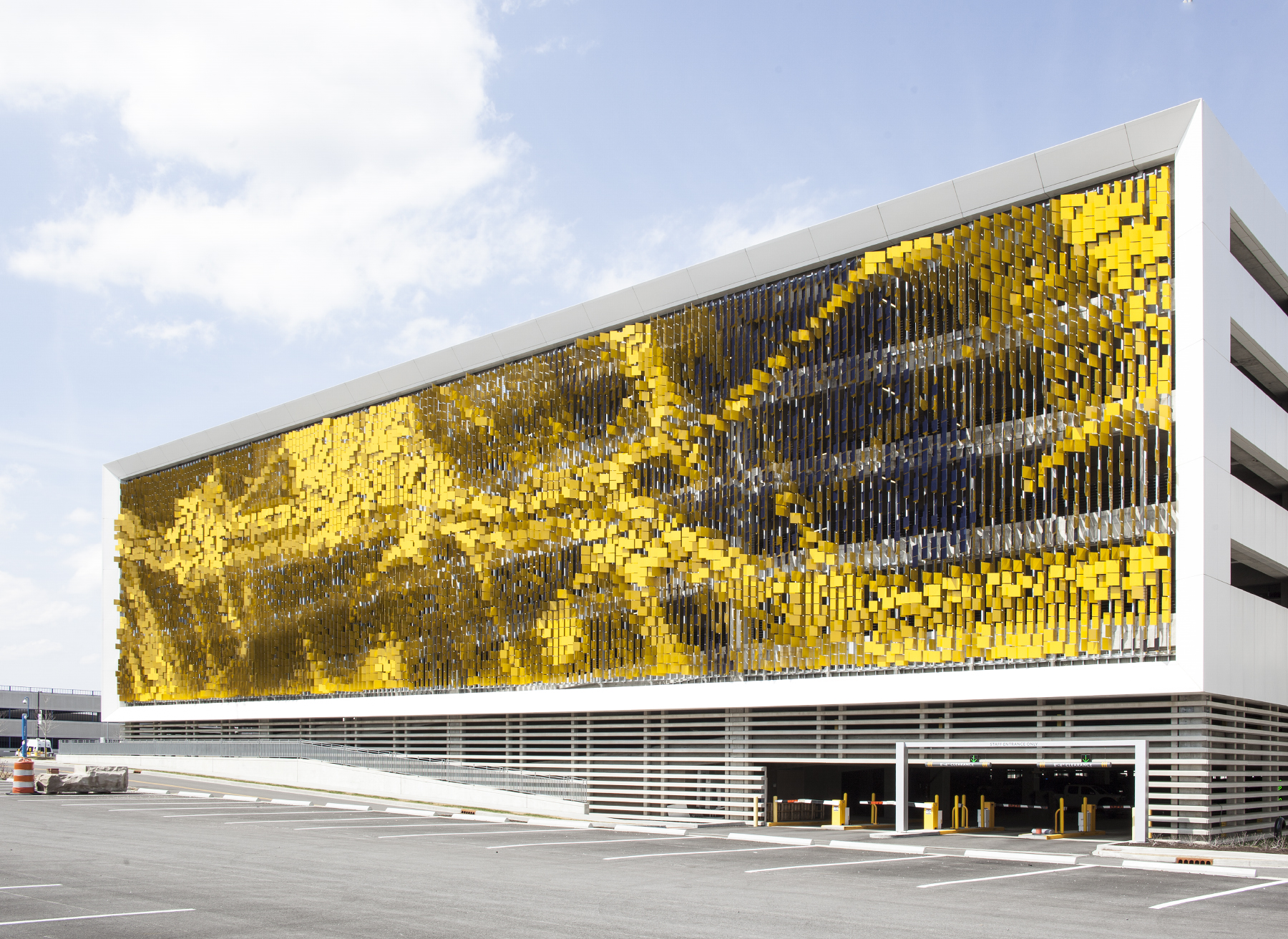
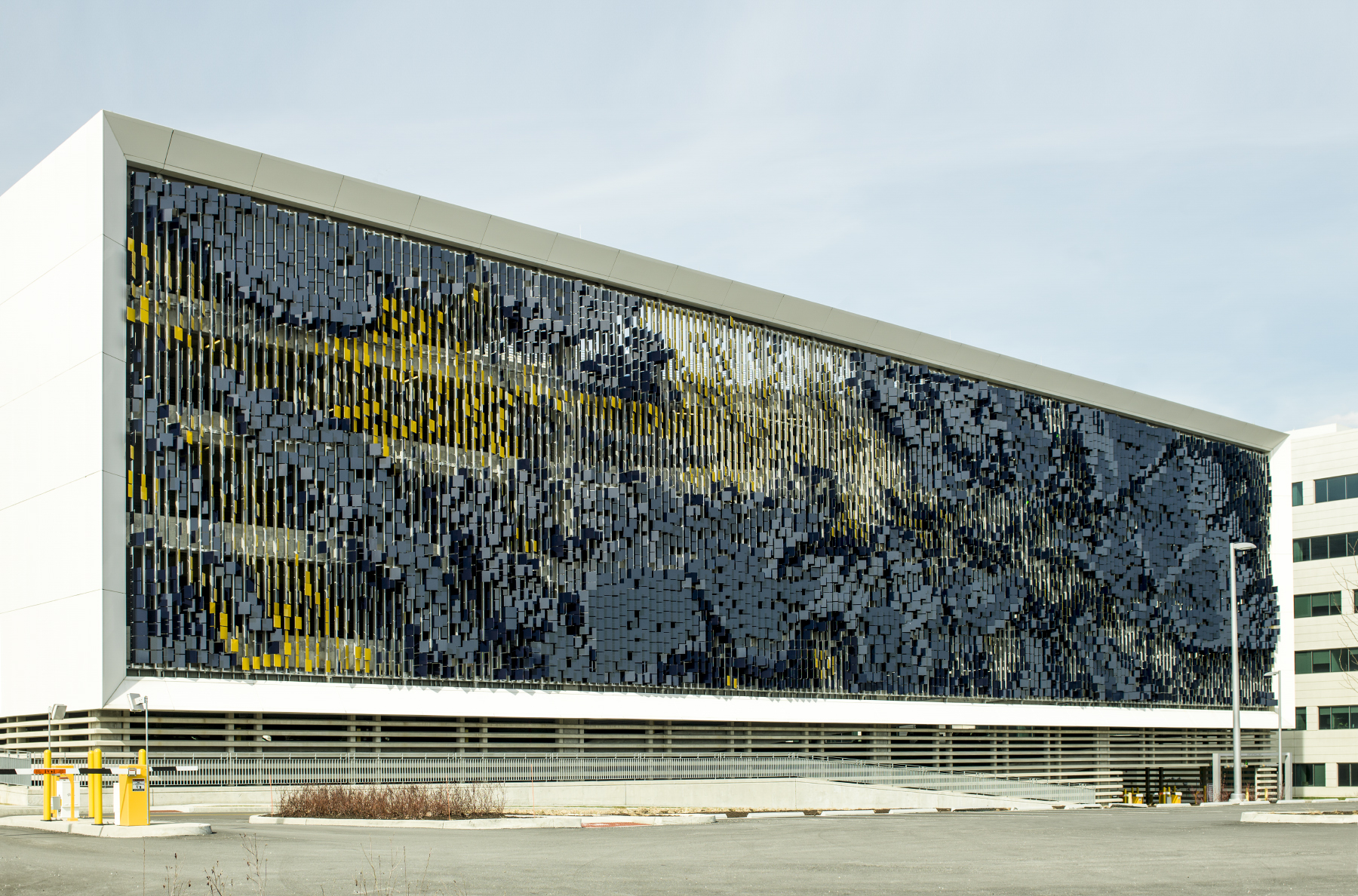
Challenging the notion that parking structures must be purely functional, this façade uses 7,000 two-toned (blue and yellow) angled metal panels to create perceptual motion. Depending on viewing speed and angle, pedestrians and drivers perceive shifting patterns, proving that even infrastructure can be artistic and dynamic.
The Future of Kinetic Architecture
As technology advances, kinetic architecture will continue evolving through:
✔ AI-powered smart façades
✔ Self-regulating climate-responsive structures
✔ Augmented reality-enhanced interactive spaces
The fusion of art, engineering, and environmental awareness ensures that buildings will no longer be static backdrops but active participants in urban life.
✦ Editorial Insight from ArchUp
Kinetic architecture is redefining urban spaces by integrating movement, perception, and interaction, turning buildings into dynamic experiences rather than static structures. While the concept is innovative, some applications may prioritize aesthetics over functionality kinetic elements should enhance usability, not just visual appeal. Nevertheless, the field’s potential is undeniable, offering new ways to engage communities, reduce energy consumption, and reimagine public art. As architects push boundaries, the future of cities may be in constant, beautiful motion.
Explore the Latest Architecture Exhibitions & Conferences
ArchUp offers daily updates on top global architectural exhibitions, design conferences, and professional art and design forums.
Follow key architecture competitions, check official results, and stay informed through the latest architectural newsworldwide.
ArchUp is your encyclopedic hub for discovering events and design-driven