

Lighthouse Tower Eindhoven: A Turning Point on the City’s Skyline

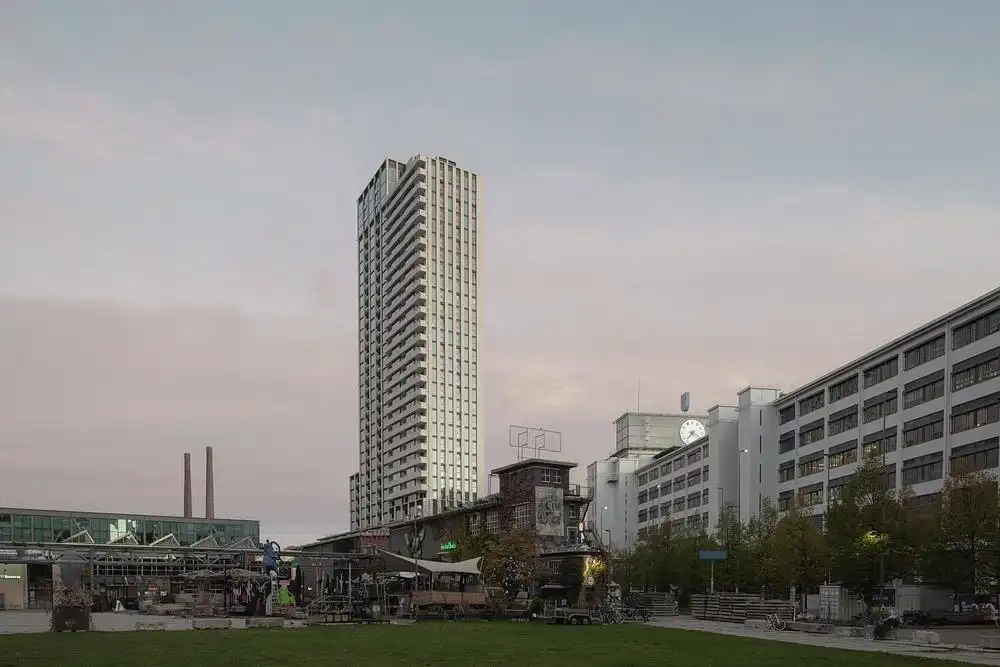
The scene begins in Strijp-S. This area once held the city’s industrial heart. A towering structure stands here. It announces itself as the highest architectural point. It measures 109 meters tall. This construction is more than just height; it is a visual marker. It stands alongside the old industrial giants. The Lighthouse Tower Eindhoven defines the neighborhood’s entrance. The visitor senses a transition. This happens when they move from the wide square to the transparent base of this structure.
A Brick Sculpture Narrating the Place’s History
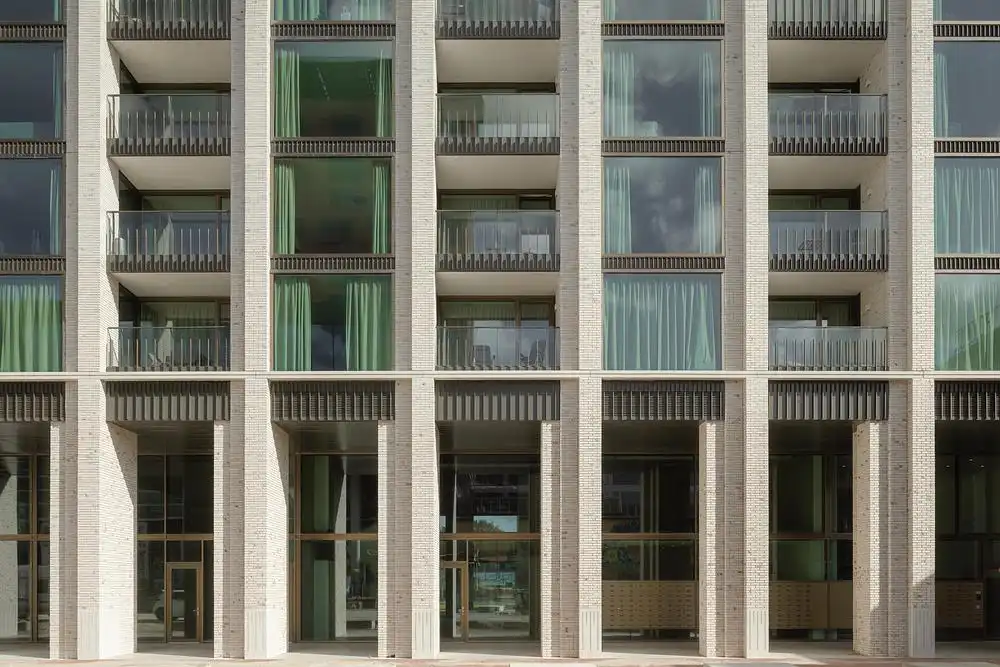
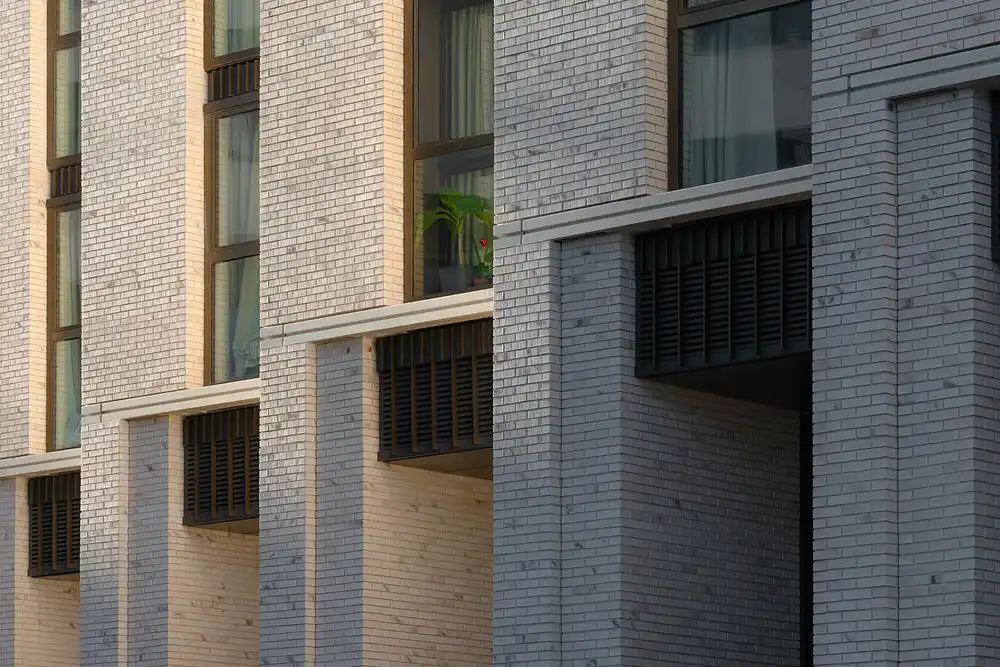
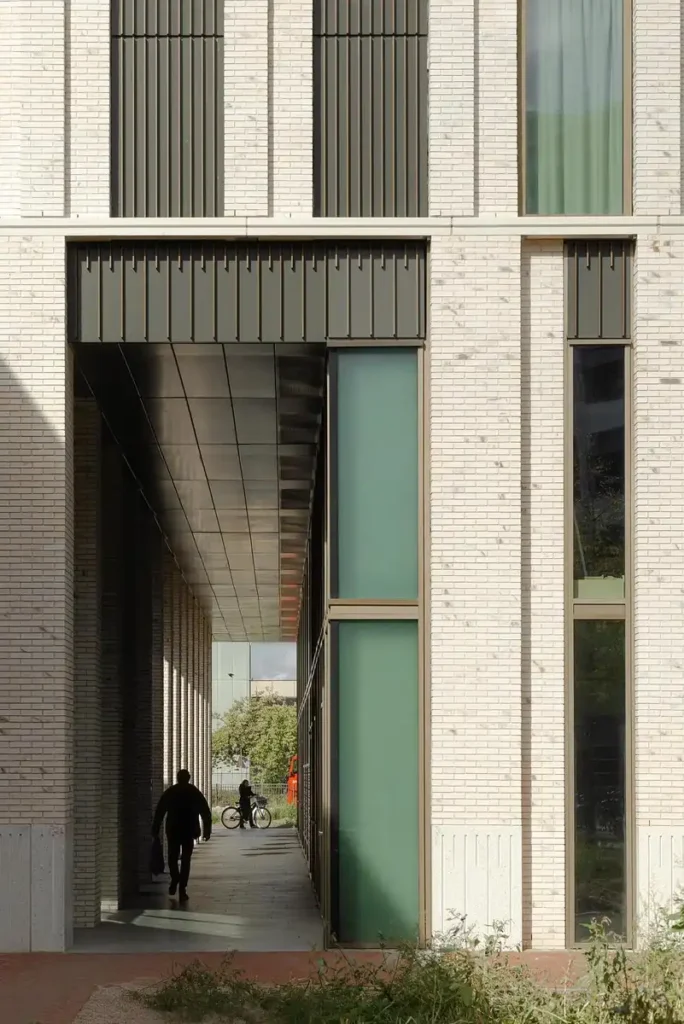
Approaching the base of the Lighthouse Tower Eindhoven, one feels the focus on craftsmanship. The design emphasizes this. The designers drew their style from local building traditions. They delivered a vertical sculpture using brick. This sculpture visually integrates the massive structure. It harmonizes with the surrounding buildings of varying heights. This integration shows in the façade’s powerful serrations. These serrations connect with the columns next door. This creates a unified visual path. The open entrance leads directly into the lobby. The vertical living experience starts here. The site’s industrial history also received honor. This appears through the soft evening lighting and the illuminated crown.
Precise Details in Architecture and Urban Development
The team treated the structure as interconnected layers. The first two floors offer communal and commercial facilities. This ensures constant activity and vibrancy in the surrounding square. The Lighthouse Tower Eindhoven uses materials precisely. These materials ensure effective visual and thermal insulation. Its structure resulted from deliberate urban planning efforts. This development aims to enhance urban density. It avoids sacrificing contextual awareness.
Façade and Construction Materials and Techniques:
- Solid Brick: It covers an estimated 55% of the vertical façades. It is the material defining the Lighthouse Tower Eindhoven‘s visual identity.
- Reinforced Concrete: It constitutes approximately 30% of the primary structural framework. It supports the 109-meter height. Review the technical specifications for such structures.
- High-Performance Thermal Glass: Designers used it in the large floor-to-ceiling windows. It accounts for about 10% of the envelope area. It maximizes natural light and resident views.
- Anodized Aluminum: They used it in the façade frames and precise finishing details. Its estimated ratio is 5%.
The Experience of High-Rise Living: From Balcony to Communal Roof
Indoors, residents feel connected to the outside. Wide windows create comfortable alcoves. Every residential unit has its own private outdoor space. They designed these spaces based on geographical orientation. South facing units feature spacious indoor balconies that protect residents from the wind. North-facing units include enclosed balconies or loggias. Designers specifically designed these to reduce railway noise. These architectural solutions maintain the quality of life within the Lighthouse Tower Eindhoven.
The focus extended beyond private units. The building offers multi-level gathering spaces. Shared roof gardens appear in the tower’s structural setbacks. They provide peaceful spots with panoramic views of the city. The location ensures easy access to the nearby transit station. A shared center manages parking. This reinforces the concept of connected and sustainable urban life. The Lighthouse Tower Eindhoven proves density can coexist with quality architecture and contextual awareness. This design respects the past and anticipates the future. Explore more similar projects in our archive.
✦ ArchUp Editorial Insight
The Lighthouse Tower Eindhoven stands as a vertical brick sculpture (Architecture) on the edge of the Strijp S industrial landscape, reaching a height of 109 meters. The design clearly attempts to integrate an intensive residential program with heritage cues through the façade sculpting and serrations, thus enhancing urban harmony. The critique centers on the inherent challenge of balancing this aesthetic and historical commitment with the commercial density demands that govern large vertical projects. Nevertheless, the building’s success in providing smart solutions for the residential environment, such as noise-insulating loggias, represents genuine added value to the overall development.




ArchUp: Structural & Urban Analysis of the Lighttower in Eindhoven
This article examines the Lighttower residential building in Eindhoven as a case study in integrating urban density with industrial identity. To enhance its archival value, we would like to present the following key technical and structural data:
The structural system is based on a hybrid framework of reinforced concrete (30%) for load-bearing, combined with a partially load-bearing brick façade (55%). The tower stands 109 meters tall (28 stories), featuring a slender design (Slenderness Ratio of 1:8) with vertical facade undulations reaching depths of up to 1.5 meters to create visual rhythm and self-shading.
The material performance is characterized by the use of 650,000 traditional Dutch Solid Bricks, combined with high-performance glazing constituting 10% of the building envelope, achieving a thermal transmittance (U-value) of 1.0 W/m²K. The inward-facing balconies (south-oriented) and enclosed loggias (north-oriented) provide an acoustic insulation solution that reduces noise pollution from the adjacent railway by 25 decibels.
In terms of functional efficiency, the tower dedicates its ground and first floors to community and commercial facilities, while providing shared rooftop gardens within the structural setbacks. The design achieves high residential density (120 units) while maintaining an opening ratio of up to 35% per unit for natural light, along with an underground parking arrangement accommodating 150 vehicles.
Related Link: Please refer to this article for a comparison of contemporary brick construction techniques in high-rise buildings:
Contemporary Brick Architecture: Between Heritage and Structural Performance
https://archup.net/four-modern-nyc-homes-by-the-turett-collaborative/