MAST’s Floating Spoorweghaven District in Rotterdam Set to Become the Largest in Europe

Rotterdam’s Bold Leap into Floating Urbanism
Rotterdam, a city renowned for its innovative approach to urban development, is once again pushing boundaries with MAST’s groundbreaking Spoorweghaven floating district. Designed by the Danish maritime architecture studio MAST in collaboration with local contractor BIK Bouw, this ambitious project will transform a disused dock southeast of the city center into Europe’s largest floating housing development.
The proposal includes over 100 modular apartments, integrated with public green spaces, commercial units, leisure harbors, and floating walkways, redefining urban living in a country where land scarcity demands creative solutions.
Why Floating Architecture? The Dutch Housing Crisis & Sustainable Solutions
The Netherlands faces an urgent need to build one million new homes within the next decade, yet with limited available land, cities must look beyond traditional construction. Rotterdam, a global leader in water-based urbanism, is turning to its harbors and waterways as the next frontier for expansion.
MAST’s design offers a low-impact, scalable solution that avoids the environmental damage caused by land reclamation and dredging. Instead of fighting the water, the project embraces it, creating a dynamic, adaptable neighborhood that coexists with the harbor’s industrial heritage.
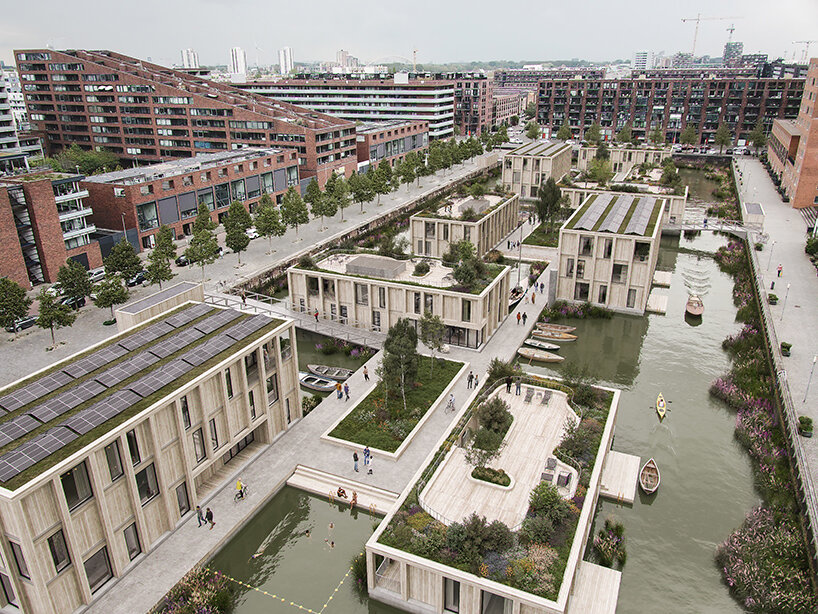
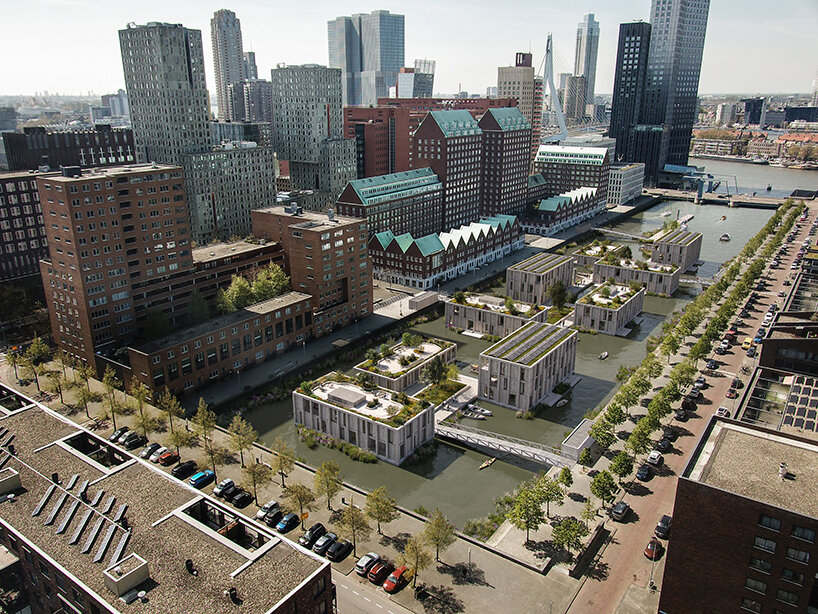
Key Features of the Spoorweghaven Floating District
- Modular & Prefabricated Construction
- Built using Cross-Laminated Timber (CLT) for sustainability.
- Assembled off-site to minimize noise, waste, and disruption.
- Structures can be relocated or repurposed, ensuring long-term flexibility.
- Eco-Friendly Water Integration
- 900+ sqm of floating reedbeds (in partnership with Biomatrix) to filter pollutants and support marine life.
- Blue corridors for boat transport, enhancing connectivity.
- Floating parks and gardens that promote biodiversity.
- Seamless Urban Connectivity
- Extended cycling routes linking to Rotterdam’s existing network.
- Pedestrian bridges and floating walkways for easy access.
- Mixed-use spaces blending housing, commerce, and leisure.
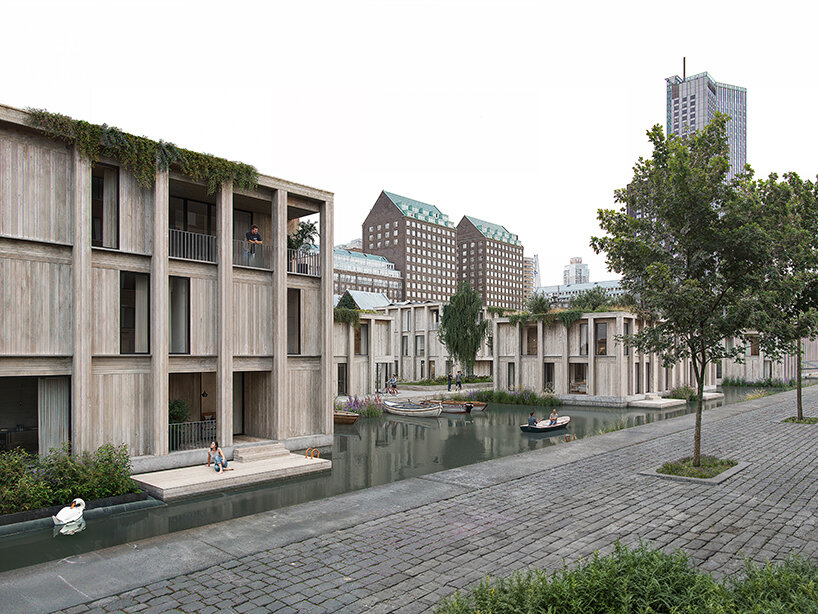
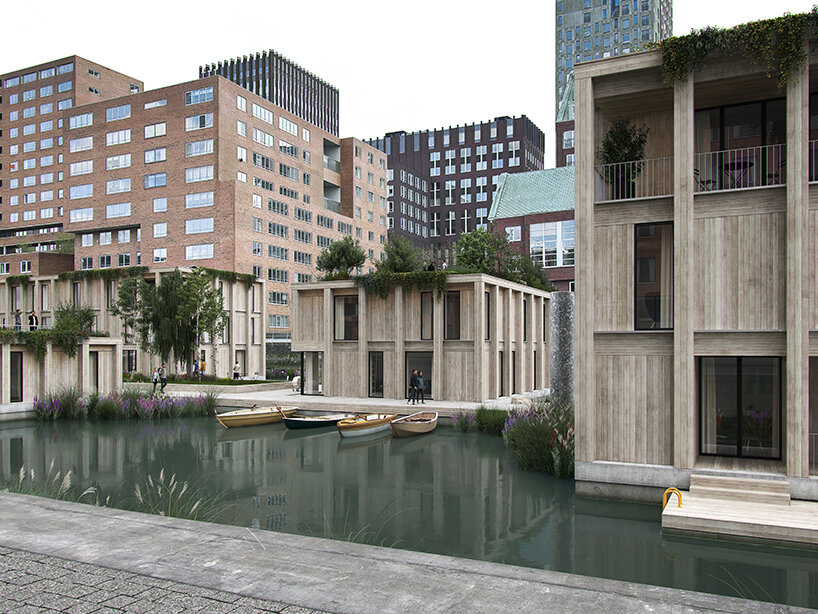
A New Model for Water-Based Urban Living
Unlike conventional land-based developments, MAST’s vision for Spoorweghaven is porous and participatory, ensuring the harbor remains an active part of city life. The design includes:
- Floating public plazas for community events.
- Shared rooftop terraces with panoramic views.
- Mooring spaces for private boats and water taxis.
By intertwining land and water infrastructure, the project revitalizes a once-neglected dock, making it a vibrant, livable extension of Rotterdam.
The Future of Floating Cities?
As climate change and rising sea levels threaten coastal cities, floating architecture is emerging as a viable, sustainable alternative. Rotterdam’s Spoorweghaven could set a precedent for future water-based urban developments across Europe and beyond.
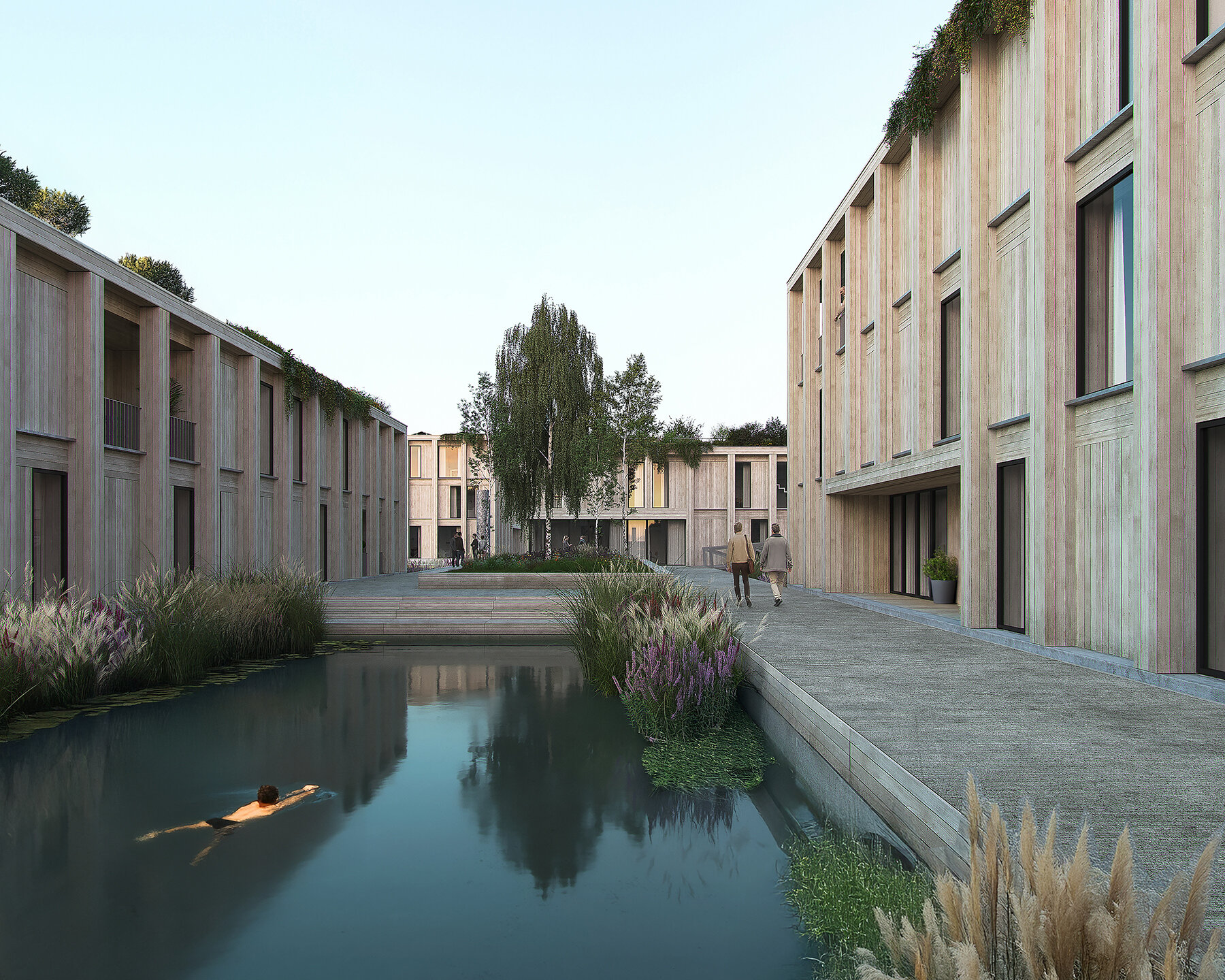
Why This Project Matters
Sustainable Urban Expansion – No land reclamation needed.
Climate-Resilient Design – Adaptable to changing water levels.
Biodiversity Enhancement – Floating ecosystems support marine life.
Community-Centric Planning – Public spaces foster social interaction.
Final Thoughts: A Blueprint for Tomorrow’s Cities?
MAST’s Spoorweghaven project is more than just a housing development—it’s a vision for the future of urban living. By leveraging modular construction, ecological restoration, and smart mobility, Rotterdam is once again proving itself as a global leader in innovative architecture.
As construction progresses, this floating district could become a model for cities worldwide, demonstrating how water can be an asset, not an obstacle, in urban growth.
Catch up on the latest projects, trends, and bold ideas in the world of “architectural” content on ArchUp.