

Maydan Market: A Cultural and Culinary Journey Through Global Flavors in Los Angeles

A Multicultural Culinary Experience
Inspired by the vibrant street stalls of Mexico City and the bustling night markets of Seoul, this project reflects the convergence of cultures through cuisine. Rather than offering a single culinary experience, the initiative brings together a diversity of flavors and the richness of food traditions spanning continents.
A Culinary Vision Beyond Borders
The initiative represents a transformative step in contemporary gastronomy, where the chef explores flavor pathways from Tangier to Tehran, and from Batumi to Beirut. This geographical reach is not only meant to showcase diversity but also to highlight how local traditions and ingredients intersect to create a cross-border culinary identity.
A Cultural Hub in Los Angeles
The project is located in the West Adams area of Los Angeles and features five distinct culinary concepts, in addition to two previous branches in Washington. Each corner of the complex tells the story of a flavor inspired by a different region, turning the experience into a sensory journey that bridges East and West.
A Market Redefining the Sensory Experience
Although Los Angeles is home to several renowned food markets, such as the Grand Central Market in downtown, the emergence of Maydan Market has added a new dimension to shopping and dining experiences. The space is not merely a place to eat; it offers a fully immersive cultural experience that blends visual aesthetics with sensory flavors.
A Design That Tells the Story of Cultures
From the very moment visitors enter the market through the double Moroccan doors, they are greeted by a scene rich in cultural symbolism. A large copper canopy crowns the central hearth, surrounded by seating areas designed for dining and observing the live cooking experience. This design reflects a philosophy of direct interaction between chef and guest, where fire becomes both a display and a medium of engagement.
A Visual Fusion of East and West
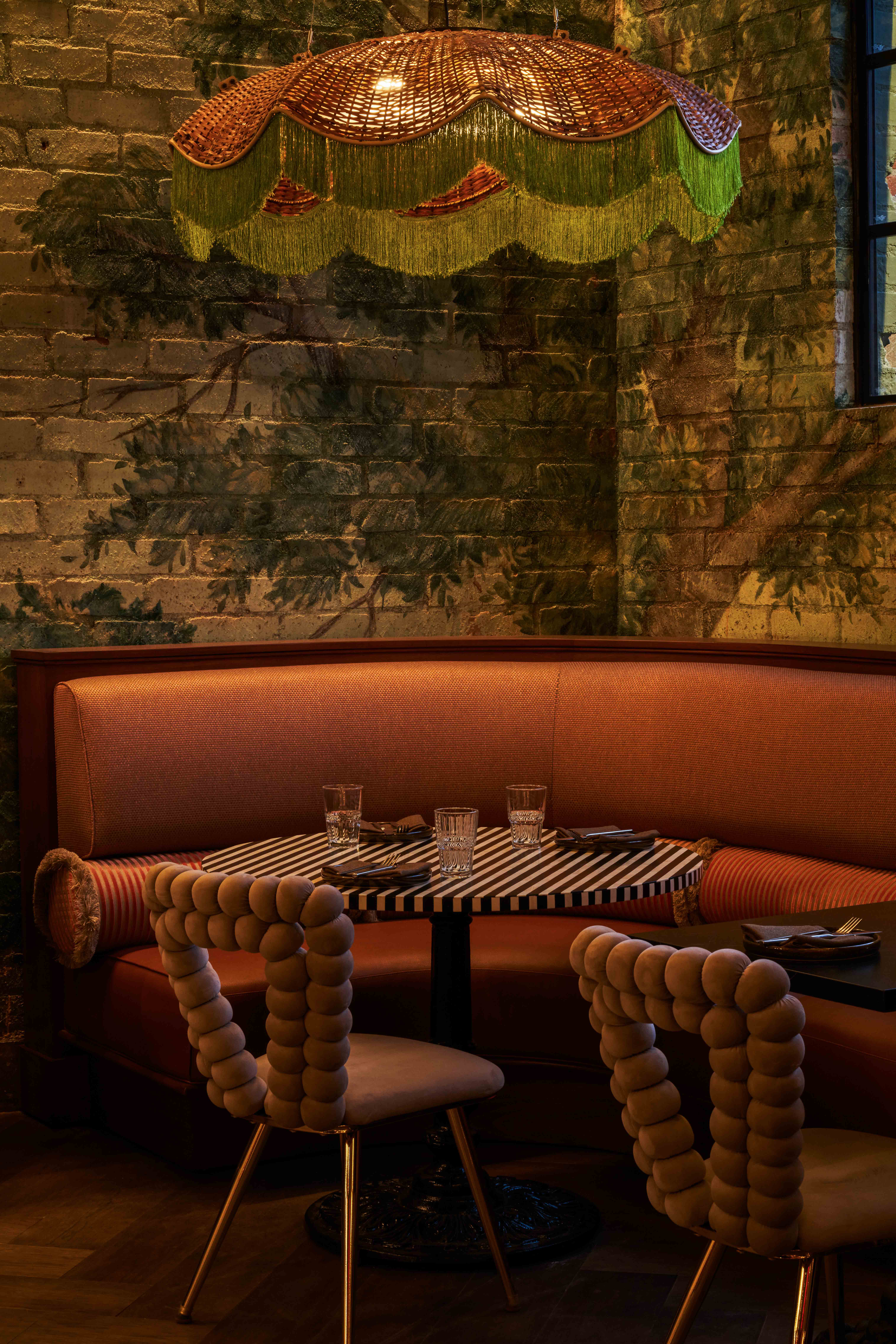
Every corner of the market carries details that narrate a quest for aesthetic identity; from hand-painted murals to fabrics, carpets, and carefully curated collectibles from antique shops and Middle Eastern furniture stores. These elements are not mere decoration, they serve as a means to evoke the spirit of distant places while connecting it to the context of the modern city.

Lighting That Bridges History and Modernity
The lighting design in Maydan’s restaurant section was inspired by Château Mukhrani, one of Georgia’s most renowned wineries, while incorporating multiple design styles, including the famous Fortuny designs from Venice. This blend reflects a meticulous attention to historical and aesthetic details, creating a unique atmosphere that balances authenticity with modernity.
A Local and Global Craft Touch
Chef Brivet added a personal touch by integrating handcrafted crochet lamps made by a Moroccan women’s cooperative, alongside art pieces from artisans based in Los Angeles. This diversity of sources embodies a philosophy of blending traditional arts with the local environment, giving each corner of the space a renewed artistic character.
A Multidisciplinary Design Collaboration
The project was executed by ITX Construction Consultants and designed in collaboration with NCA Studios, while Preen supervised the final design touches. This collaboration across multiple disciplines allowed the integration of modern architecture with traditional artistic elements, delivering a comprehensive experience that goes beyond functionality to create a cohesive visual and sensory identity.
Choosing the Right Spot in the Market
It may be challenging to decide which stall to start your visit from, but you can also enjoy sitting within the Maydan section itself. For instance, secluded corners offer the opportunity to enjoy relative calm while staying connected to the vibrant atmosphere that spans the spacious area. This layout reflects a thoughtful approach to providing a balanced experience between privacy and engagement with the overall activity.
Collective and Individual Dining Experiences
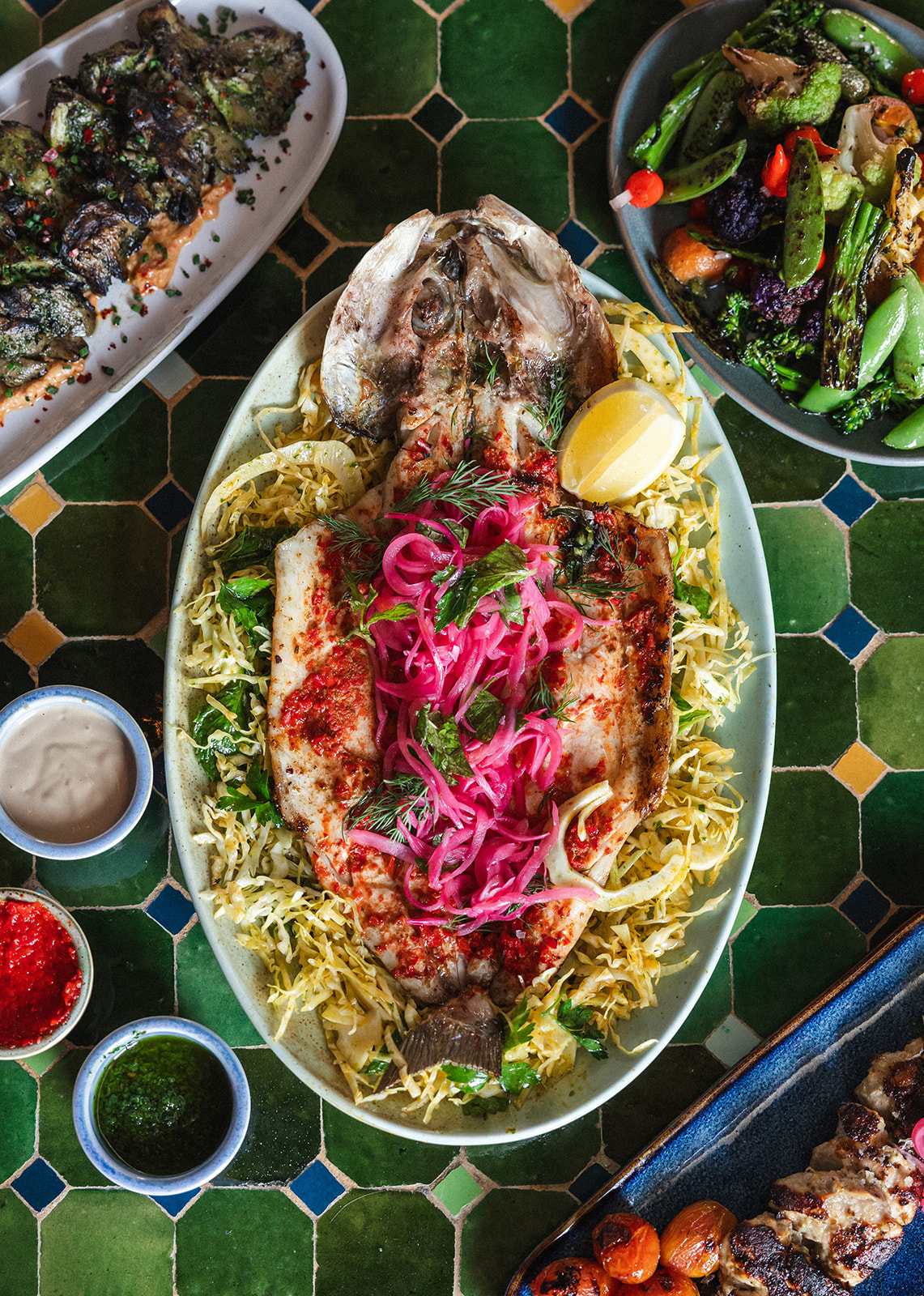
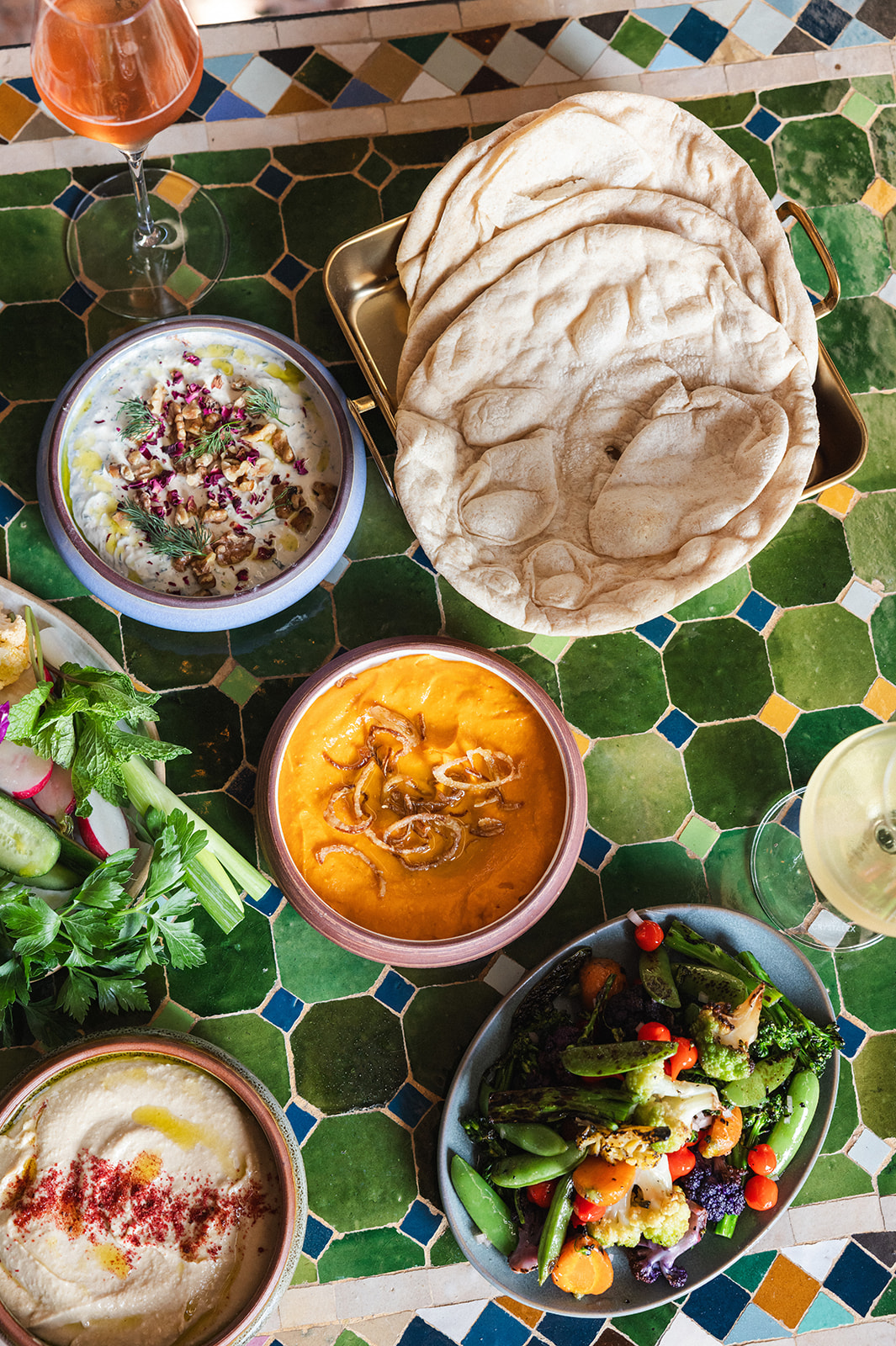
When dining with a group, visitors can enjoy traditional shared meals featuring a variety of fresh, seasonal ingredients. This type of dining highlights the social nature of traditional Middle Eastern cuisine, where sharing dishes fosters a sense of community and interaction.
For visitors who prefer individual dishes, selecting fresh, seasonal ingredients embodies the market’s philosophy of combining traditional flavors with diverse local products, offering a culinary experience that is both renewed and balanced between authenticity and modernity.
Exploring Global Flavors
Visitors can also head to specialized stalls that reflect the diversity of global tastes. For instance, Yhing Yhang BBQ offers a Thai culinary experience focusing on the famous gai yhang dish, highlighting how urban markets can bring the authenticity of cuisine from its country of origin into a new environment.
Authentic Regional Flavors
Lugya’h provides an in-depth exploration of Oaxacan cuisine, emphasizing traditional flavors and local ingredients specific to this region in Mexico. This experience demonstrates how regional food culture can maintain its identity even when presented in an urban setting far from its original home.
New Concepts in Contemporary Markets
Maléna, on the other hand, explores regional cuisine with an innovative approach, reinventing traditional recipes in a modern format that caters to the city’s diverse tastes.
Meanwhile, Sook represents a new generation of Middle Eastern markets, combining a traditional grocery store with contemporary culinary experiences, offering a variety of local products such as house-made spices and artisanal goods. This integration of food ingredients and handcrafted products illustrates how a market can serve as a space for cultural learning and a multidimensional sensory experience.

✦ ArchUp Editorial Insight
Maydan Market represents an exciting experience in blending cuisine, culture, and architectural environment. The choice of materials, the use of lighting, and the spatial layout reflect a clear effort to create a fully immersive sensory atmosphere, an aspect that can inspire similar projects aiming to enhance visitor engagement with the space. Additionally, the incorporation of local craft elements and handcrafted details adds visual depth and a tangible experience not commonly found in traditional markets.
However, certain potential challenges can be noted from an architectural perspective. The extensive space and the integration of five distinct culinary concepts may lead to a sense of distraction or a lack of cohesive visual identity for some visitors. Moreover, the diversity of design styles and cultural details may be difficult to replicate in other projects without a careful study of the site context and local identity. This highlights that balancing cultural diversity with architectural clarity is a key consideration when planning similar projects, especially those aiming to merge culinary experiences with interior design.
Prepared by the ArchUp Editorial Team
Don’t miss the chance to explore more from Architecture in fields like Architecture Competitions and Buildings on the ArchUp website.


