Minimalist Architecture: Pure Art or Just Laziness?

As cities become louder and more visually crowded, minimalist architecture has emerged as a calm alternative one that offers a sense of balance and breathing space. At its core, this movement is built around a simple idea: if it’s not essential, leave it out. Still, one question remains up for debate: is minimalism a refined form of design, or is it merely the easy way out?
What is Minimalist Architecture?
Minimalist architecture isn’t just about stripping things away it’s a mindset before it’s a style. It emphasizes simplicity, open space, and raw, natural materials. The famous phrase “less is more” perfectly captures its essence: beauty through reduction, not addition.

Key Characteristics
| Element | Description |
|---|---|
| Color Palette | Neutral tones: white, grey, beige, black |
| Materials | Raw and natural: concrete, wood, glass |
| Space | Open layouts with minimal visual clutter |
| Lighting | Heavy use of natural light as a design element |
| Furniture | Simple, functional, and unornamented pieces |
Why Some See It as a Pure Art Form
- Every detail matters: With fewer elements, each one must serve a clear purpose.
- Visual calm: Clean lines and open spaces create mental clarity.
- Harmony with the environment: Minimalist structures tend to blend in, not dominate.
And Why Others See It as Lazy
- Lack of uniqueness: Many minimalist designs look too similar, losing identity.
- Over-simplification: Sometimes, function is sacrificed for aesthetic minimalism.
- Avoiding complexity: Some argue it’s an excuse to skip the hard design work.

Notable Minimalist Projects
| Project | Location | Architect | Distinctive Feature |
|---|---|---|---|
| Tadao Ando’s House | Japan | Tadao Ando | Exposed concrete and natural light |
| Villa Neuendorf | Switzerland | Richard Meier | Crisp white volumes and geometric clarity |
| Desert House by MZ | UAE | MZ Architects | Blends desert landscape with minimalist form |
More Than Just a Design Trend
Minimalist architecture often reflects a broader life philosophy: focus on what matters, remove distractions, and appreciate simplicity. This concept extends beyond buildings to areas like lifestyle, time management, and even emotional well-being.

✦ ArchUp Editorial Insight
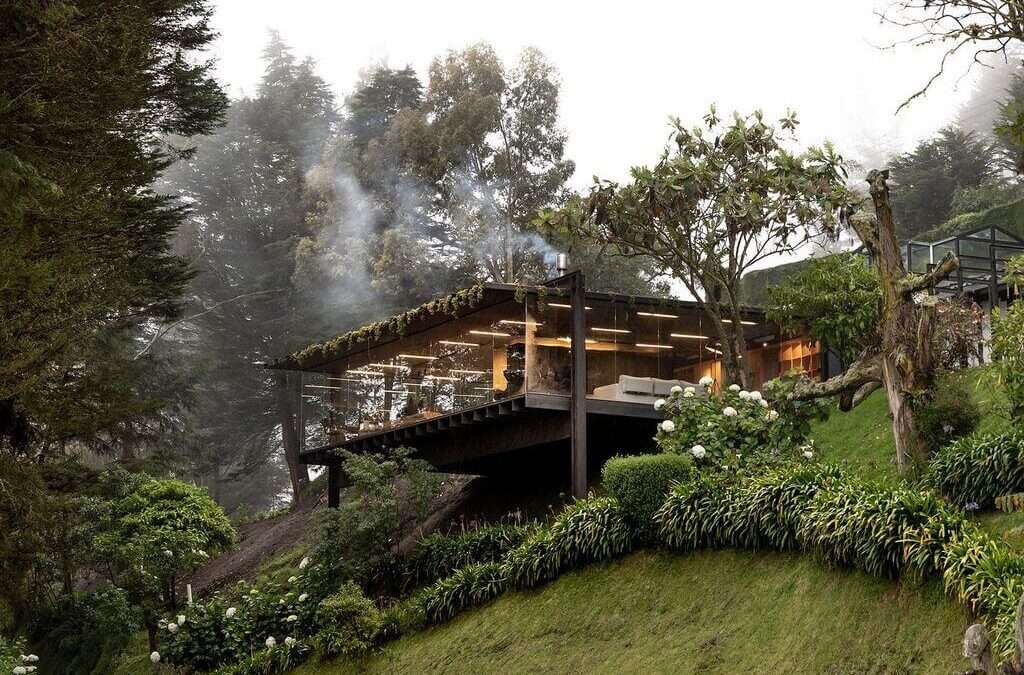
This article frames minimalist architecture as a balance between visual restraint and functional intent. The imagery reveals a controlled use of neutral palettes and natural materials such as concrete and wood, emphasizing openness and natural light. However, certain design examples raise questions about contextual relevance or cultural identity, prompting reflection on the global adaptability of the style. Still, the article succeeds in highlighting minimalism as more than a visual trend—it positions it as a broader lifestyle philosophy that adds depth to its architectural expression.
Conclusion
Minimalist architecture isn’t inherently lazy, nor is it automatically art. It’s a tool — one that can produce breathtaking results when used with intention, or fall flat when misapplied. The difference lies in thoughtful execution, not just visual restraint.
Explore the Latest Architecture Exhibitions & Conferences
ArchUp offers daily updates on top global architectural exhibitions, design conferences, and professional art and design forums.
Follow key architecture competitions, check official results, and stay informed through the latest architectural news worldwide.
ArchUp is your encyclopedic hub for discovering events and design-driven opportunities across the globe.