North Korea Opens Its Largest Beach Resort on the Eastern Coast under Kim Jong Un’s Supervision

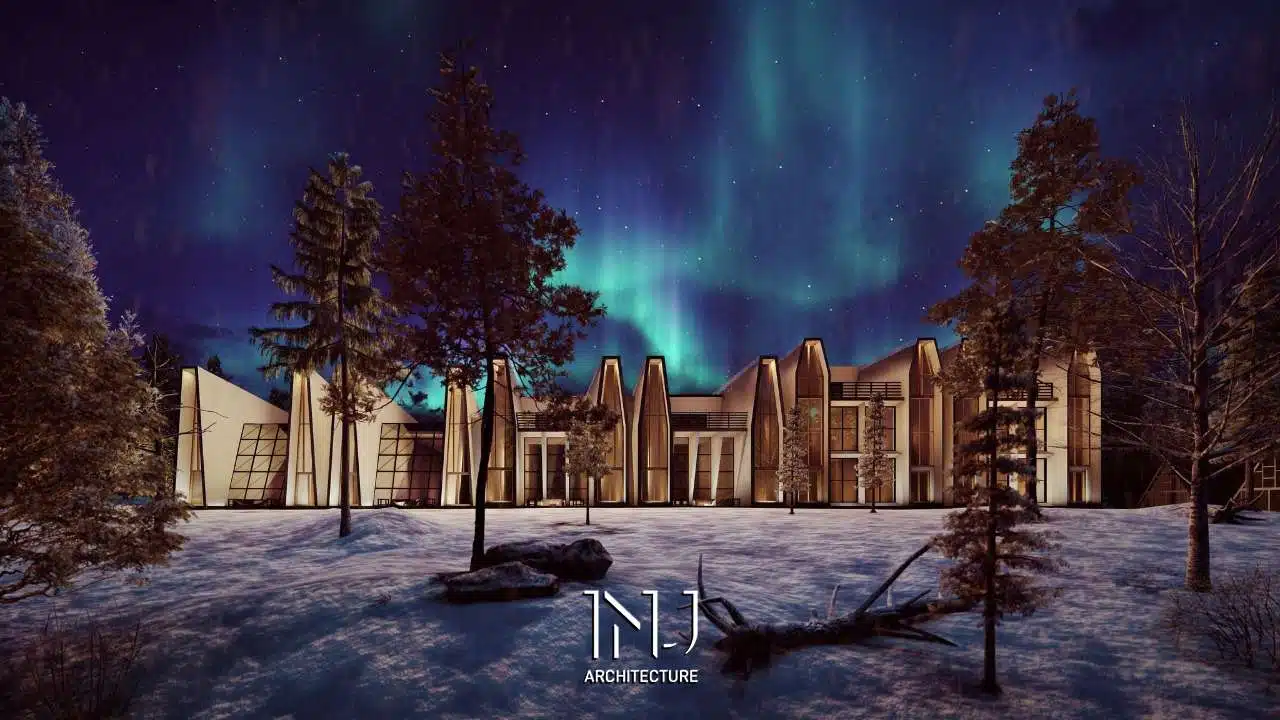
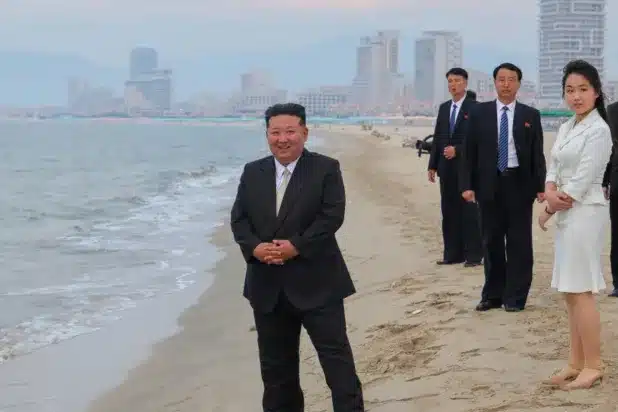
In a rare public appearance, North Korean leader Kim Jong Un inaugurated the country’s newest and most ambitious tourism project: the Wonsan-Kalma Coastal Resort. Stretching over 5 kilometres along the eastern shoreline, the project features more than 150 hotels and luxury facilities. In addition, it includes a massive water park.
A Grand Resort, for a Limited Audience
Unveiled on 24 June 2025, the resort reflects Pyongyang’s ongoing push to develop leisure infrastructure. This effort continues even as the country remains largely sealed off due to the COVID-19 pandemic. According to the official Korean Central News Agency, the resort is set to open its doors to domestic visitors starting 1 July. Access is currently restricted to North Koreans and Russian nationals.
Despite its modern design and beachfront appeal, the resort remains inaccessible to the broader global audience. In reality, it caters to a select few primarily high-ranking elites and select Russian guests—under tight government control.

A New Transport Hub for a Closed Destination
Just days before the resort’s grand opening, North Korea launched a new Kalma train station. It aims to improve access to the coastal zone. Conveniently located near Wonsan International Airport, the resort’s placement underscores the regime’s broader strategy. They are focusing on attracting foreign currency through tourism, even if international access is still restricted.
Russia in, the West Out
The ribbon-cutting ceremony was attended exclusively by the Russian ambassador and his staff. This highlights North Korea’s growing political alignment with Moscow amid deepening isolation from the West.


Controlled Leisure, Strict Rules
Tourism in North Korea has always existed within a narrow, highly regulated framework. Russian tourists who previously visited North Korean ski resorts reported strict limitations on what could be photographed. They also had to attend government-curated cultural shows mandatorily.
A Strategic Move with a Domestic Message
Experts suggest that the Wonsan-Kalma resort serves more than just leisure purposes. It plays into a wider narrative crafted by the North Korean state. This narrative emphasizes care for the people while deflecting focus from the country’s military posture.
Rachel Minyoung Lee, a non-resident fellow at the 38 North program, notes that “projects like this bolster the regime’s media narrative of putting people first. This occurs while balancing its heavy investment in defence.”

Professor Lim Eul-chul from Kyungnam University adds that the resort is likely to serve the domestic elite. This includes top party officials in Pyongyang, in a country where internal travel remains tightly restricted.
Can Tourism Work in a Sealed Country?
North Korea is no stranger to tourism ventures. In the late 1990s, it opened Mount Kumgang to South Korean visitors. More recently, it operated the Masikryong ski resort for select foreign groups. But such efforts have always existed under watchful supervision.
While the Wonsan-Kalma resort stands out for its scale and ambition, questions remain about its long-term viability. This is especially true in a country where access is limited, and global tourism is far from a reality.
ArchUp strives to document the architectural and urban journey in the Arab world. This is achieved through precise editorial content and rich analyses that reflect the depth of design and the diversity of architectural schools. The editorial team consists of specialists who are committed to covering all the latest developments in the field. You can always learn more about our editorial team or contact us to contribute or participate in building this open knowledge archive.