Nossa Terra: A Celebration of Terracotta at Lisbon Design Week

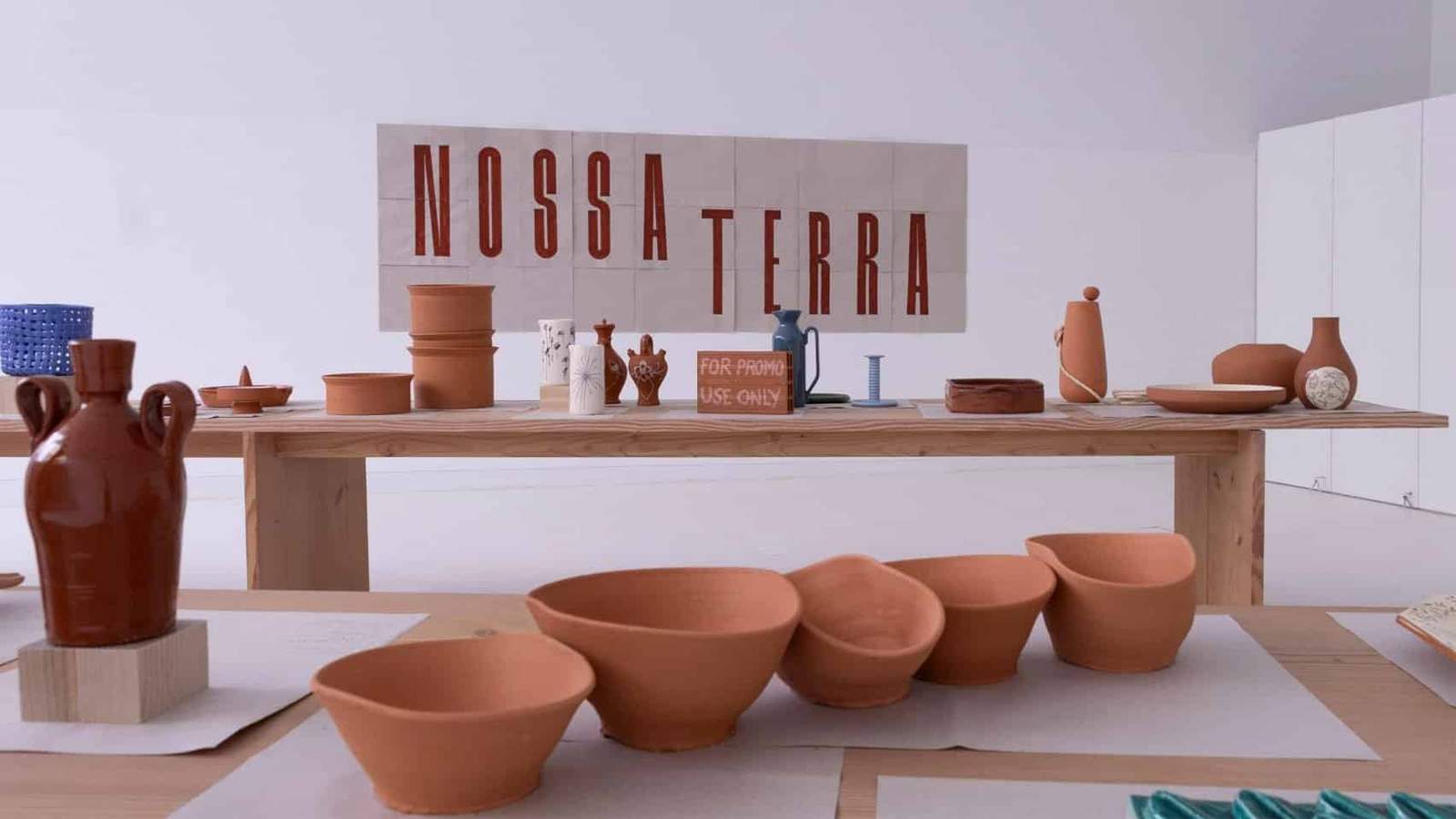
French designer Sam Baron curated the Nossa Terra exhibition, which showcases terracotta designs and artifacts to highlight the customs and traditions of different Portuguese regions. Held at the Arquivo Aires Mateus exhibition space during Lisbon Design Week, Nossa Terra—meaning “Our Earth”—featured a variety of contemporary and historic terracotta pieces.
Exhibition Overview
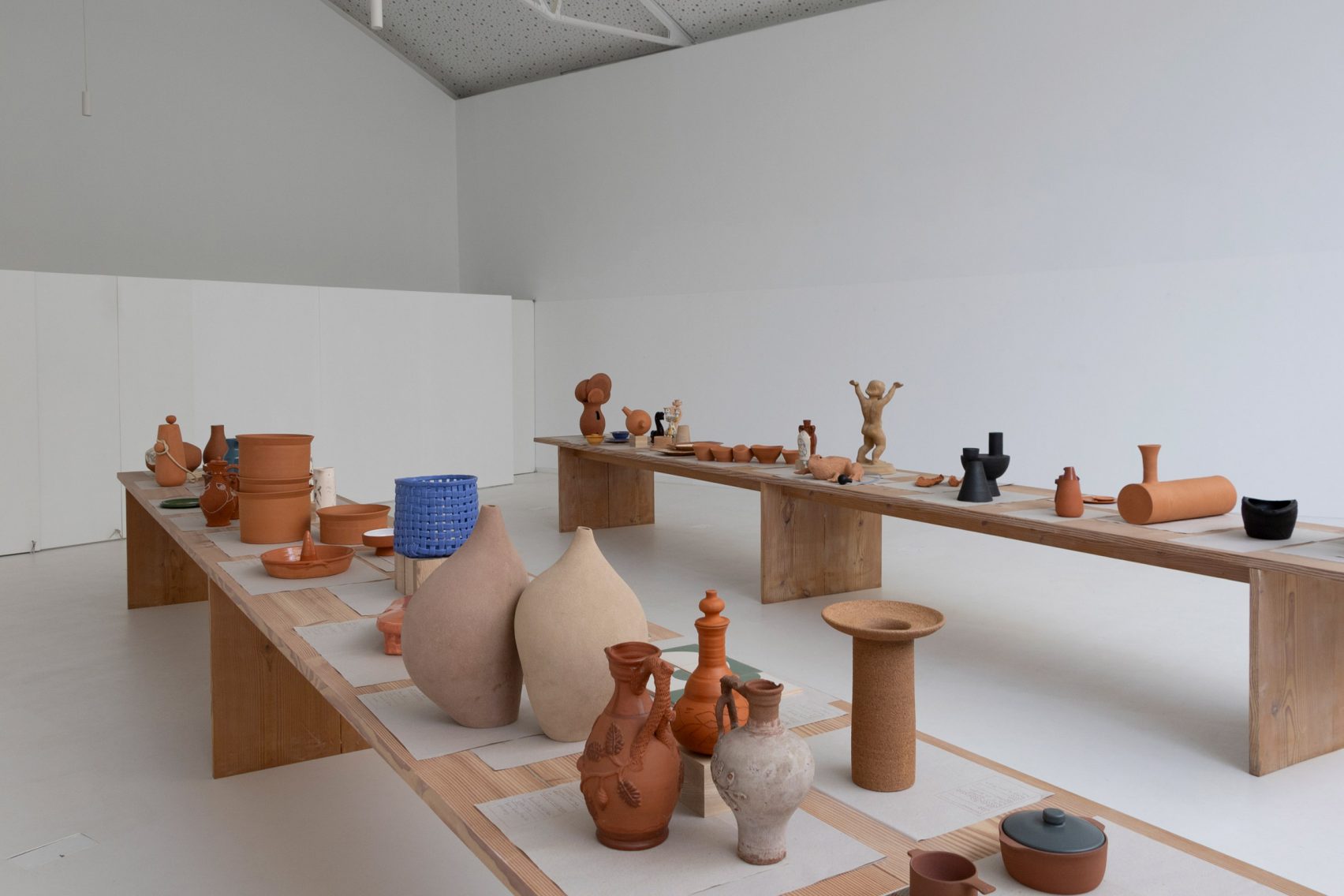
The Nossa Terra exhibition was staged on two 14-meter-long wooden tables within the Arquivo Aires Mateus space, formerly the studio of renowned Portuguese architect Manuel Aires Mateus. This setup allowed for an intimate and detailed exploration of the exhibited pieces.
Curatorial Intent
Baron, who has resided in Portugal since 2001, curated the exhibition to demonstrate the versatility and regional diversity of terracotta. By showcasing different treatments and uses of the material, Baron emphasized its cultural significance across Portugal.
“The exhibition is made up of very different types of pieces to show how Portuguese design is evolving and growing,” Baron told Dezeen. “It’s all made from terracotta but treated in very different ways.”
Highlights and Featured Pieces
Nossa Terra included a wide range of terracotta items, from vases and jugs to plates and historic sculptures dating back to the 1800s. The exhibition featured:
- Black Terracotta Vases by Porto-based designer Gabriel Tan
- Water Jugs by Lisbon-based designer Marco Sousa Santos
- White Illustrated Jars by ceramicist Vítor Serrano
- Water Sculptures from the 1800s supplied by Portuguese tile manufacturer Viúva Lamego
- 3D-Printed Vases made by local student Sara Batista da Silva, incorporating terracotta mixed with coffee waste
- Ceramics by Rue Pereia for Danish furniture brand Hay
Cultural and Regional Representation
Baron emphasized how terracotta reflects the cultural habits of different Portuguese regions. For instance, black terracotta is more common in the north, while the village of Nisa, located near a river, is known for creating white stone bottles. Terracotta water bottles are typically made in the countryside for farmers, whereas cities focus more on ceramics and tiles.
“The idea is to show the diversity of this material and how it is easily shaped by different people, from illustrators, designs, architects and artists – everyone can take a bit of earth and make something with it,” Baron explained.
Conclusion
Nossa Terra provided a comprehensive look at how terracotta, a simple and versatile material, can be used in a multitude of ways to reflect the cultural and regional diversity of Portugal. By curating a wide array of items—from historical artifacts to contemporary designs—Sam Baron successfully highlighted the rich heritage and ongoing evolution of Portuguese design.
Finally, find out more on ArchUp: