

The Pearl River Delta Wetland Museum: An Architectural Design Integrating Building and Ecosystem

Environmental Museum Design: Integrating Architecture with Wildlife
Located in the Pearl River Delta in China, the Wetland Museum sits within a landscape-rich park, serving as a model for how architecture can be designed in harmony with surrounding ecosystems. The museum emerges as a quiet, understated presence, concealed behind cedar trees, embodying an architectural approach that respects the environment rather than seeking visual dominance.
Moving Away from Conventional Iconicity
Unlike traditional museums that are often conceived as iconic buildings, this project prioritizes integration with nature. The design places bird life at the center of its considerations, particularly given the presence of approximately 25,000 herons in the area. As a result, the building becomes an integral component of the ecosystem, rather than an imposed object within it.
Multiple Levels for a Layered Natural Experience
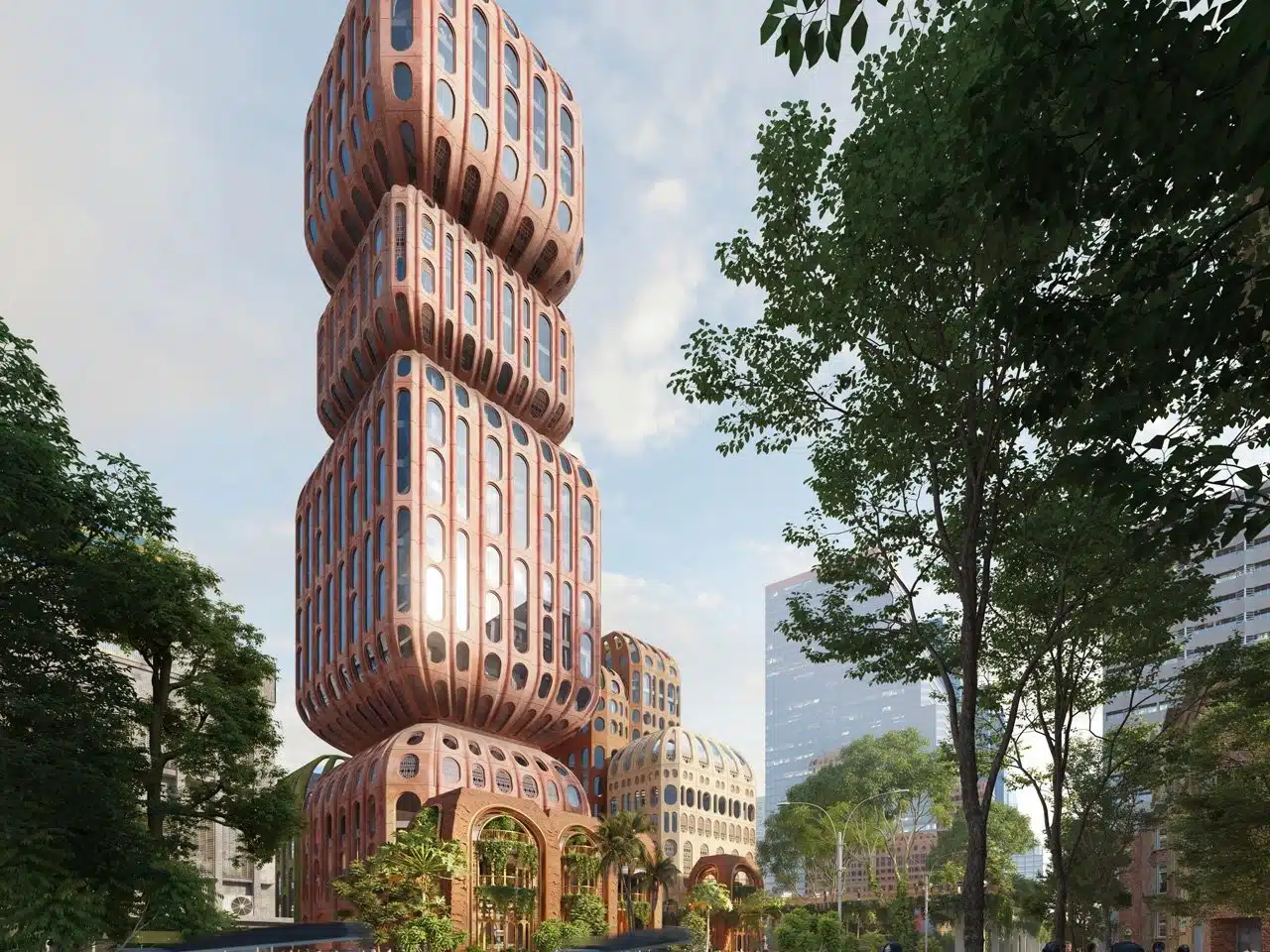
The building is composed of four stacked concrete tubes, each oriented to offer a distinct perspective of the surrounding forest. The ground level focuses on tree roots, the second level engages with the trunks, the third addresses the upper canopy, while the fourth extends toward the treetops. Through this vertical progression, visitors are offered a layered spatial experience that mirrors the daily life of birds in their natural habitat, while providing a unique lens through which to explore the relationship between architecture and nature.


Movement and Harmony with Nature
Architectural design here goes beyond visual form, aiming to convey a sense of movement and vitality. The building’s curved geometries create the impression that the structure itself is interacting with its surroundings, responding to the motion of birds across the water. Its terraced form helps embed the building within the dense wetland landscape, where tall vegetation blends with reflective water surfaces, softening the boundaries between the built environment and the natural world.
Internal Structure and Spatial Experience
Each level is conceived as an integrated box-like structure, with walls, ceilings, and floors working together to support the building’s dynamic architectural projections. The museum also features a triangular atrium that cuts through all floors, unifying multiple viewpoints into a single, cohesive spatial experience.
Natural Light and a Layered Experience
The design allows natural light to filter in through upper-level windows, moderated by concrete beams to prevent excessive glare. From this vertical space, visitors can simultaneously perceive several levels, each framing the surrounding landscape in a different way. In doing so, the traditional linear sequence of viewpoints is transformed into a richer, more open, and more democratic experience, one that resonates with the rhythms of nature itself.

Water Layers and the Role of the Roof
The roof incorporates a flower pond, adding another aquatic layer to the architectural composition. From the perspective of viewers walking along the park’s pathways and bridges, the roof water visually merges with the wetlands below. This integration reduces the building’s vertical impact, allowing it to read as part of a continuous water system rather than as an isolated object within the natural landscape.
Environmental Sustainability and Wildlife Conservation
The project emerges from long-term efforts to preserve the local environment. Local residents played a key role in transforming the site into a refuge for herons, which later formed the basis for expanding the protected area. Scientists and designers subsequently collaborated to rehabilitate the water systems and bamboo forests, reinforcing the site’s ecological resilience.
A Design That Puts Nature First
The building offers visitors a space for observation and learning while maintaining wildlife as the top priority. This approach raises an important question in contemporary architecture: what happens when design begins with the needs of birds and natural life, rather than focusing solely on humans? This shift demonstrates how architecture can actively support biodiversity while creating an educational experience that is balanced, immersive, and deeply aligned with nature.


✦ ArchUp Editorial Insight
The Wetland Museum can be viewed as an intriguing case study for exploring how architecture can be integrated with ecological systems. The project demonstrates several positive aspects, particularly in its sensitivity to the surrounding landscape and its ability to offer visitors a layered, immersive spatial experience. At the same time, however, it raises important questions within contemporary architectural discourse. The extensive reliance on vertical curvature and stacked tubular forms may limit the future flexibility of interior spaces while increasing the complexity of maintenance and operational requirements. Moreover, the strong emphasis on a bird-centered experience positions human use as secondary, which may prove difficult to replicate or adapt in other architectural contexts or environmental settings.
In addition, the visual integration of the water roof with the surrounding natural layers introduces design challenges related to light control and moisture management, potentially placing long-term pressure on operational and maintenance budgets. From a broader architectural perspective, the project offers valuable lessons in strategies for integrating buildings with nature, while also underscoring the importance of balancing visitor experience, wildlife priorities, and the practical demands of sustainable operation.
★ ArchUp Technical Analysis
Technical Analysis of the Pearl River Delta Wetland Museum:
This article provides a technical analysis of the Pearl River Delta Wetland Museum, serving as a case study in architectural integration with sensitive ecosystems.
Structural and Design System:
The structural system is based on four vertically stacked concrete tubes, featuring a central triangular atrium that penetrates all levels to connect visual perspectives. The area of the water surface (flower pond) constitutes approximately 15% of the total roof area.
Visual System and Ecological Integration:
The visual and environmental system directs each of the four levels to a different perspective frame of the forest. The design protects a natural habitat for approximately 25,000 heron birds, reducing the building’s visual impact on the environment by up to 60% through integration with the forest density.
Related Insight: Please review this article to delve deeper into the topic of environmentally compatible architecture:
Principles of Biomimetic Architecture and Their Applications in Wetlands



✅ Official ArchUp Technical Review completed for this article.