Pescetrollo: Where Italian Architectural Heritage Meets Contemporary Creativity

Architectural Innovation in Puglia
Giuliano Pesce’s work focuses on reimagining Italian vernacular architecture through a contemporary lens. In this context, the “Pescetrollo” project offers a reinterpretation of the traditional trullo, a type of stone building with a distinctive conical roof commonly found in southern Italy.
Location and Design
“Pescetrollo” is situated between the towns of Ostuni and Carovigno in the Puglia region, and was designed in collaboration with architect Gabriele Pimpini. Through this project, Pesce presents a unique model that blends traditional architecture with contemporary touches, reflecting a deep architectural understanding of local culture and the region’s building history.
Reinterpreting the Trullo
The project offers a flexible reinterpretation of the classic trullo, preserving the traditional conical roof form while introducing modern design elements, allowing for a balance between authenticity and innovation. This approach embodies an architectural philosophy that emphasizes both functionality and aesthetics while respecting the local heritage.
The Relationship Between Design and Local Architecture
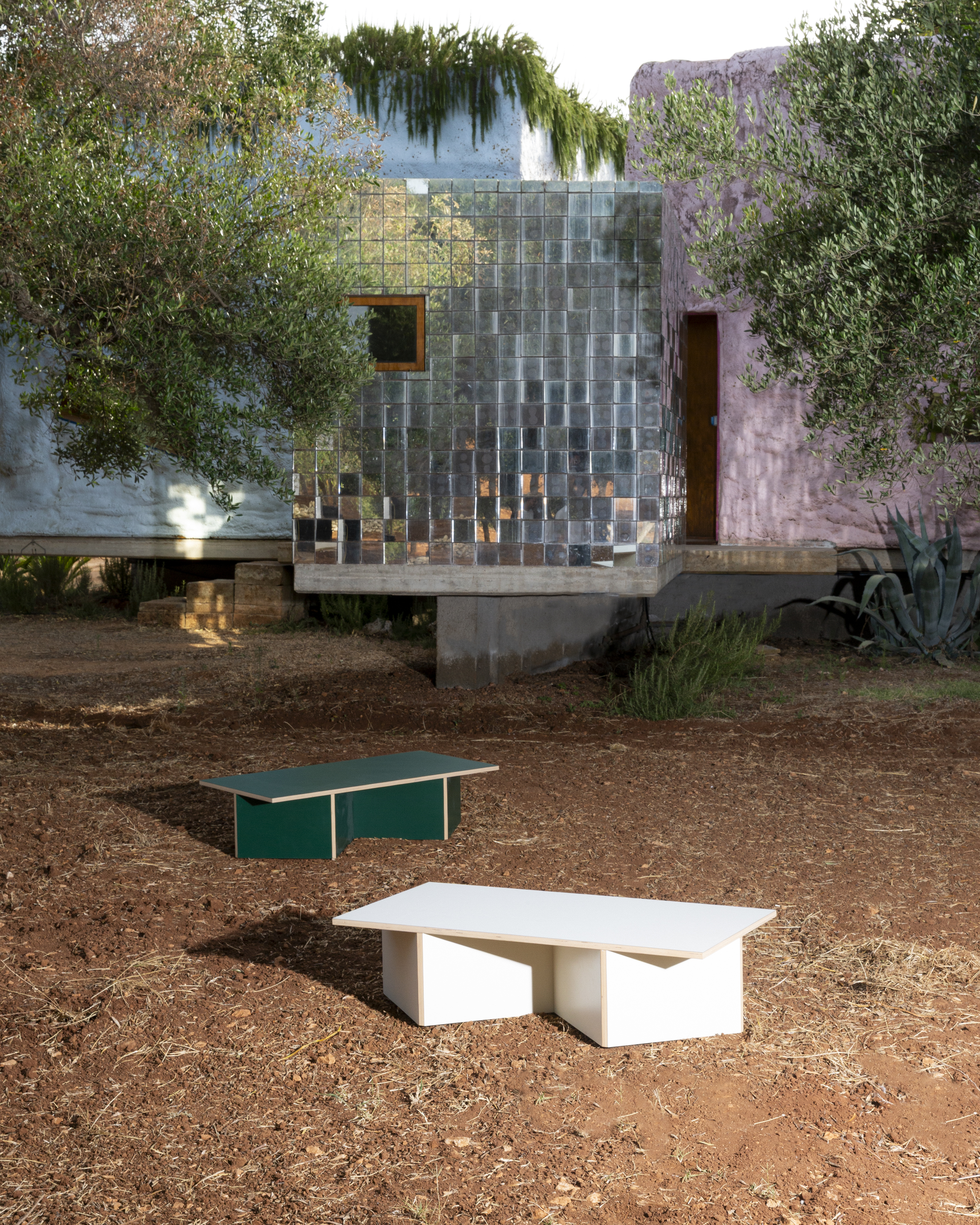
Vero’s projects demonstrate how design brands can draw inspiration from local architecture to offer a fresh perspective on furniture and objects. For example, the latest campaign highlights the connection between Giuliano Pesce’s residence and Pescetrollo, illustrating how unique architectural spaces can inspire creativity in contemporary design.
Local Roots and Production
Founded in 2022 by Pasquale Apollonio, Vero focuses on supporting a team of emerging design talents. Its works are manufactured in Galatina, a region located south of Pesce’s architectural residence, reflecting a commitment to linking local heritage with modern innovation.
Dialogue Between Architecture and Design
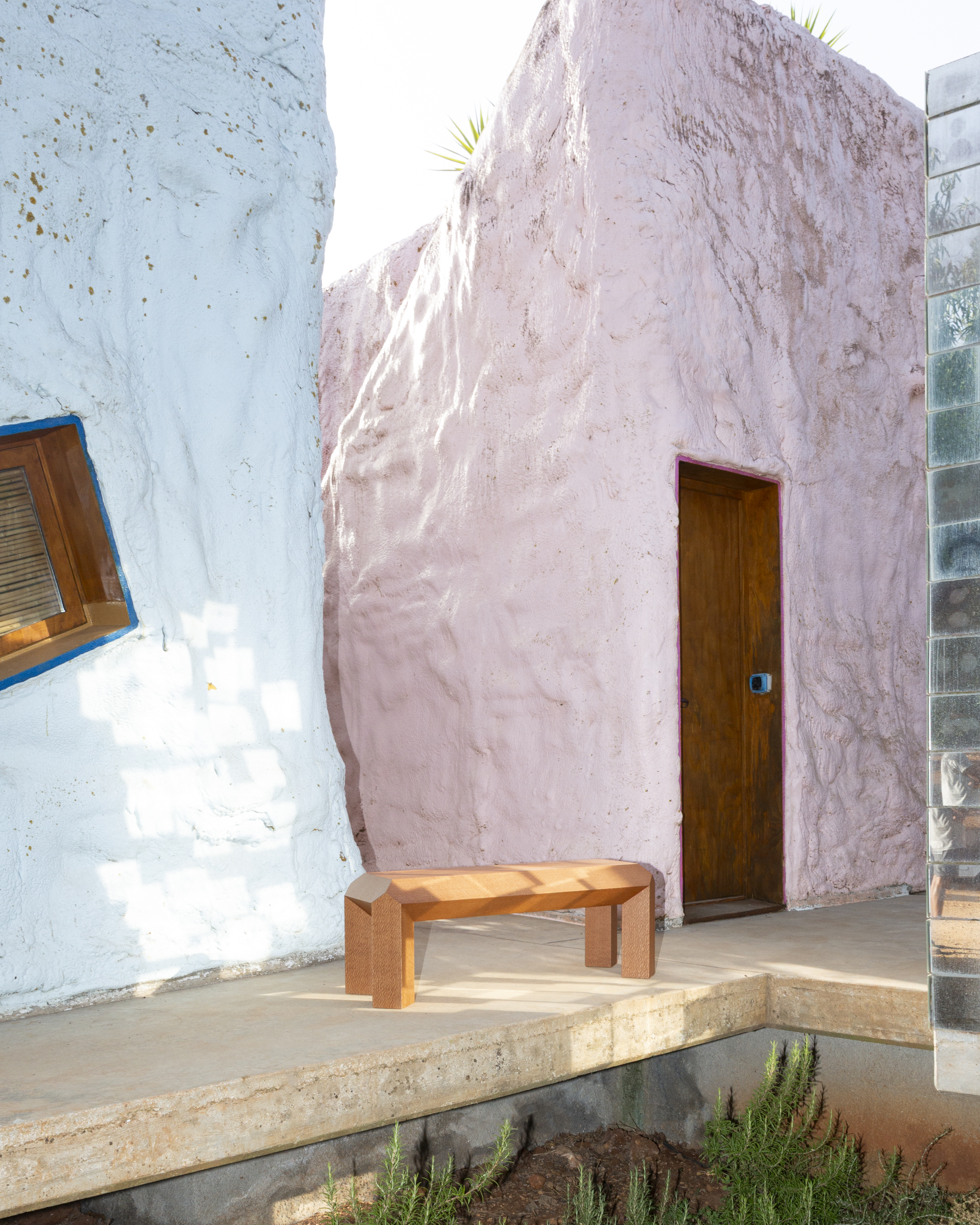
Through the latest photographic series, it becomes evident how contemporary design can reflect historical and architectural contexts. This approach to presenting products goes beyond aesthetics, aiming to highlight the relationship between place, function, and creativity.

The Intersection of Architecture and Contemporary Design
The Vero project reflects how contemporary design can converge with radical architecture. In this context, the projects highlight how the lightness of ideas interacts with the weight of materials, achieving a balance between innovation and structural solidity.
Dialogue Between the Residence and Art Pieces
Within the semi-surreal atmosphere of the residence, Vero’s pieces become part of a visual dialogue with the space, interacting with the home as if they were independent works of art. This interaction relies on the play of materials, textures, and forms, adding a new dimension to the experience of living in these unique architectural spaces.
Diversity in Materials and Design
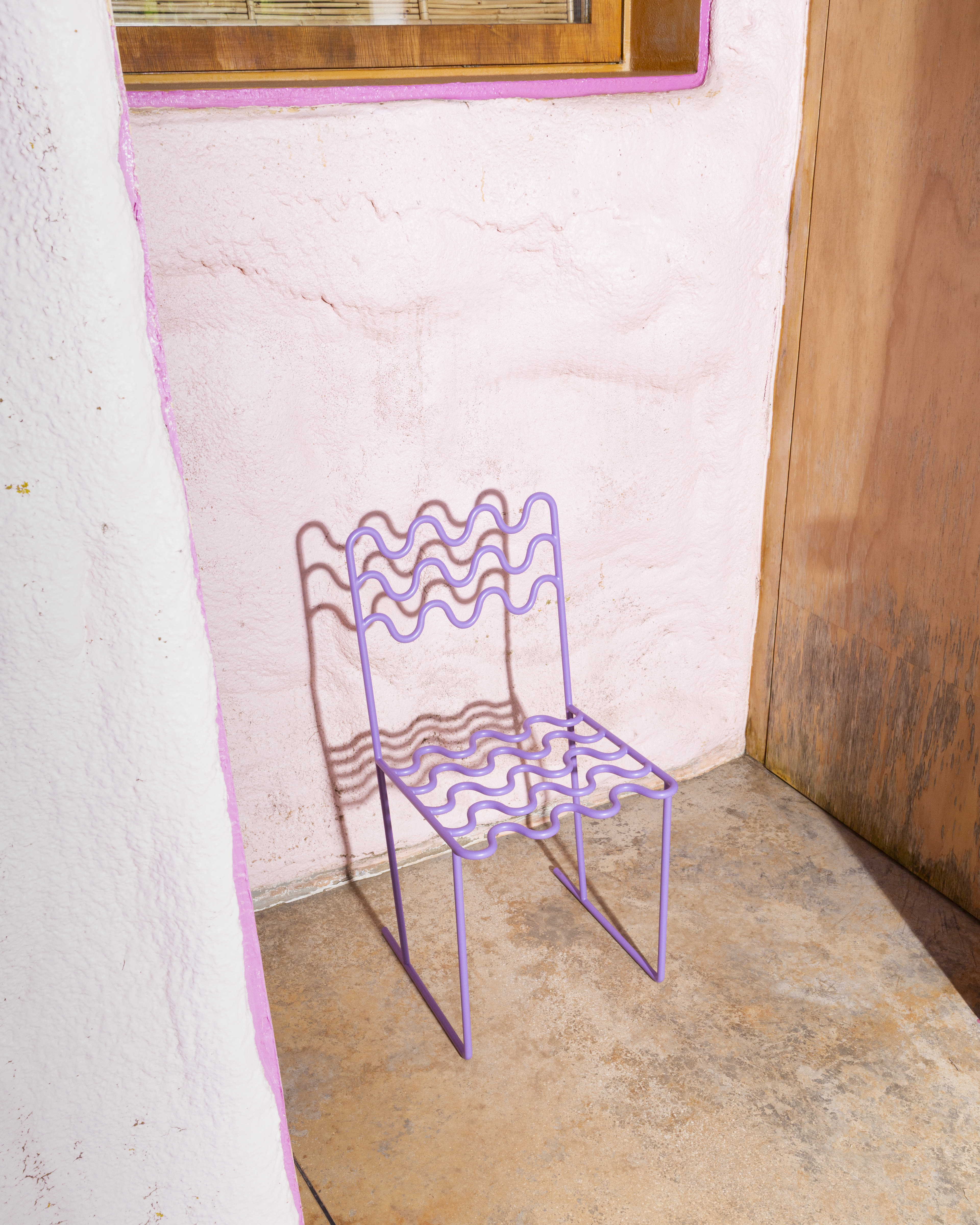
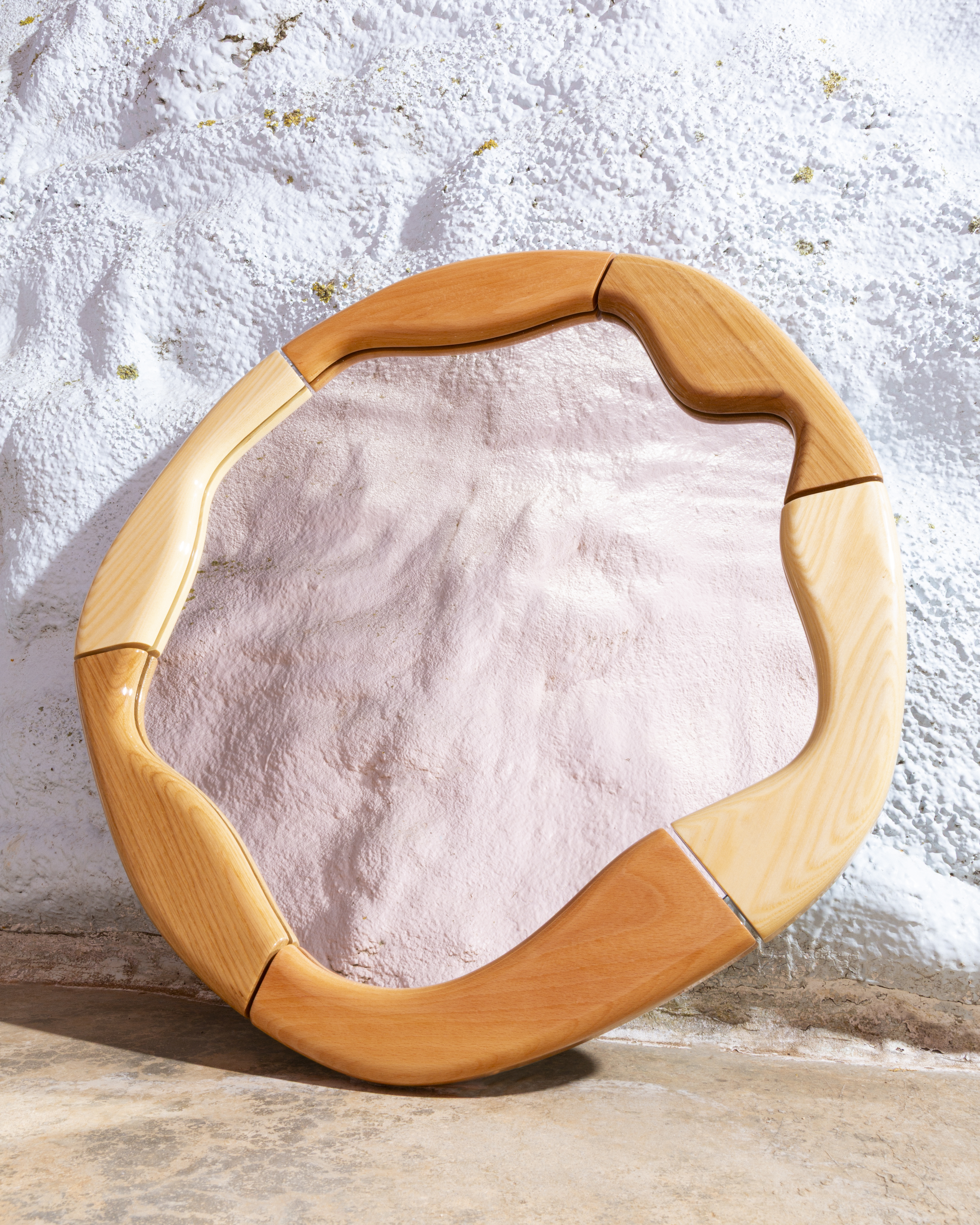
The collection highlights the variety of materials and techniques used, from the ceramic pieces by Venice-based Zaven, to Frederik Paulsen’s wavy chair, the volumetric-based furniture by Cara/Davide, and Federica Elmo’s undulating mirrors. This diversity reflects the convergence of function and aesthetics, demonstrating how architectural and artistic ideas can interact within a single space.
Design Philosophy and Identity
Pesce’s mantra for the house, “Be Pescetrollo,” encapsulates the design philosophy, encouraging deviation from the conventional and embracing free identity, with a focus on transforming thought into tangible space. This concept illustrates how architecture and furniture can become expressive tools, extending beyond daily use to create a fully integrated sensory and intellectual experience.


✦ ArchUp Editorial Insight
The Pescetrollo project leaves a compelling impression, clearly highlighting the innovative nature of its architectural design while reflecting a deep appreciation for local heritage. On one hand, the lightness of ideas and contemporary touches added to the traditional structure are commendable, as is the interaction between materials and furniture as an integrated artistic element. However, some viewers may feel that the contrast between traditional character and modern innovations occasionally creates a less cohesive experience or presents a style that is challenging to grasp for audiences unfamiliar with such bold architectural approaches. Overall, the project provides rich intellectual material and a fresh perspective on Italian vernacular architecture, albeit with certain reservations that reflect the experimental nature of the concept.
Prepared by the ArchUp Editorial Team
Don’t miss the chance to explore more from Architecture in fields like Design and Projects on the ArchUp website.