Potala Palace – The Eternal Jewel of Tibet


Overview
Situated 3,700 meters above sea level in the heart of Lhasa, the Potala Palace commands both physical and spiritual dominance.
Originally built in the 7th century and reconstructed in the 17th by the Fifth Dalai Lama, it served as the religious and political epicenter of Tibet.
Architecture
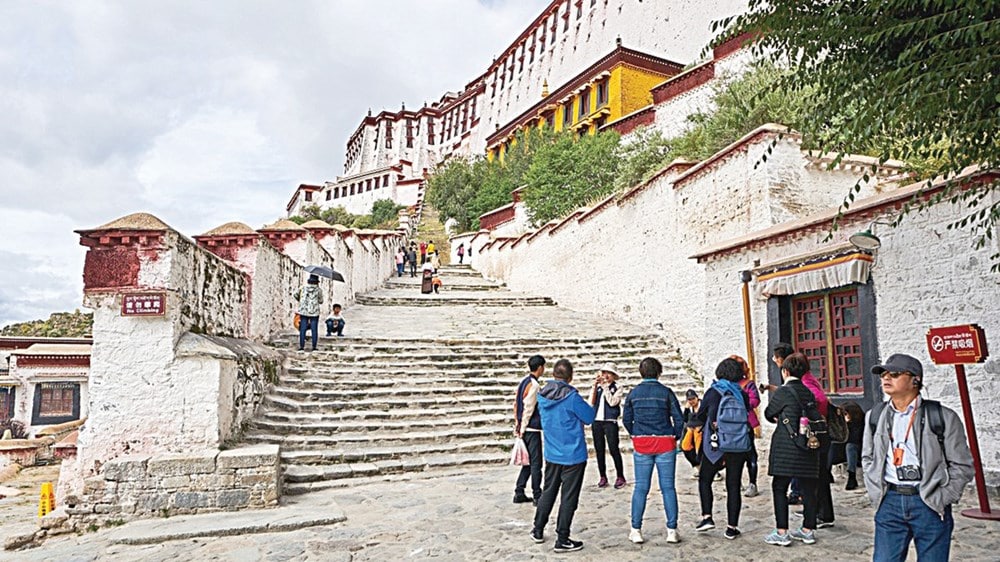
The complex consists of two main sections:
- The White Palace (Potrang Karpo): once the administrative and residential area.
- The Red Palace (Potrang Marpo): devoted to worship, meditation, and containing the stupas of past Dalai Lamas.
The architecture relies heavily on stone, wood, and rammed earth, with base walls nearly 5 meters thick to ensure thermal and seismic stability.
The façades combine deep reds and ochres that symbolize power, spirituality, and protection — a color palette rooted in Tibetan cosmology.
The Spirit of the Place
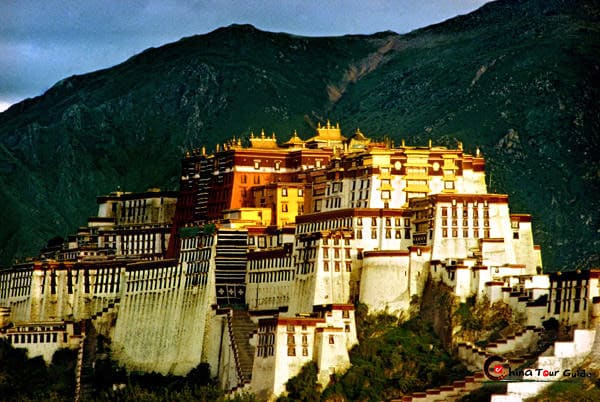
The vertical layering of the structure creates a gradual journey from darkness to light, symbolizing enlightenment.
Windows are carefully positioned to channel sunlight throughout the day, while interior oil lamps maintain a mystical atmosphere that bridges heaven and earth.
Integration with Nature
The palace appears to grow organically from the mountain itself.
Architects followed the contours of the rock, harmonizing built and natural environments.
The drainage systems and terraces adapt seamlessly to the slope — an early example of eco-adaptive architecture centuries ahead of its time.
Symbolism and Function
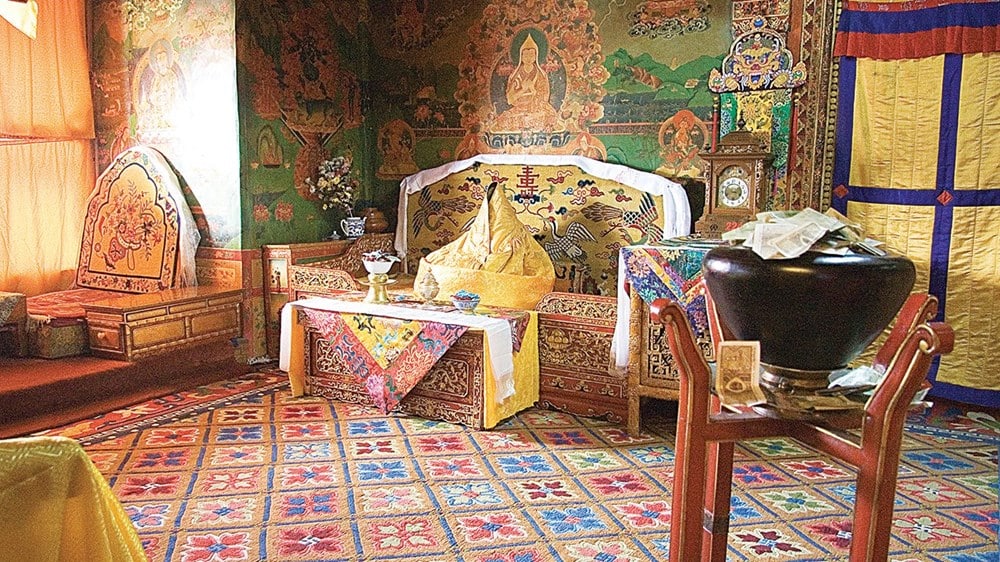
Each level of the palace embodies a spiritual layer of Buddhist philosophy — from the earthly base to the celestial sanctuaries above.
Corridors and stairways weave an allegorical path of ascension, reflecting the soul’s journey toward transcendence.
ArchUp Editorial View
The extracted text provides a strong, concise analysis of the Potala Palace’s historical, architectural, and symbolic structure, emphasizing its significance as a spiritual and environmentally adaptive masterpiece.
1. Analysis Strengths (Key Achievements)
- Comprehensive Overview: The article successfully covers the major facets of the structure: Location, History (7th and 17th centuries), Architecture (White and Red Palaces), and Spiritual Significance, offering a holistic view.
- Functional Architectural Breakdown: The clear distinction between the two main sections—the White Palace (Potrang Karpo) for administration and residence, and the Red Palace (Potrang Marpo) dedicated to worship and containing the stupas (tombs) of past Dalai Lamas—clearly defines the building’s dual function.
- Symbolism and Depth: The text skillfully explains how the use of materials (stone, wood, rammed earth), colors (deep reds and ochres), and the vertical composition serves a spiritual purpose, symbolizing a journey toward enlightenment. This elevates the analysis beyond mere description into meaningful architectural interpretation.
- Integration with Nature: Highlighting the Palace’s conformity to the mountain contours, its effective drainage systems, and the five-meter-thick base walls as an early example of eco-adaptive architecture adds a relevant, modern-day critical perspective to the ancient structure.
2. Critique and Suggestions for Completeness
Source Credibility (for a full critique): While the writing is descriptive and powerful, a detailed academic or critical architectural analysis would typically require more specific references to technical architectural details or academic sources to support the claims about construction and design principles.
Missing Foundational Figures: While the centuries of construction are mentioned, the text notably omits the name of the original 7th-century founder, Songtsen Gampo, which would significantly enhance the historical context and completeness of the piece.
Current Status and Global Recognition: The analysis focuses heavily on the Palace’s historical function as a political and religious center but does not explicitly state its current, primary status as a museum and its designation as a UNESCO World Heritage Site. This is a critical piece of information for its modern global relevance.
Scale and Dimensions: The critique lacks specific data points regarding the Palace’s colossal scale (e.g., number of rooms, total height, or overall area). Including such metrics would provide the reader with a more concrete appreciation of the immense engineering and construction feat it represents.