NHC Opens Registration of Interest for Rehab Al-Worif Project in Jeddah

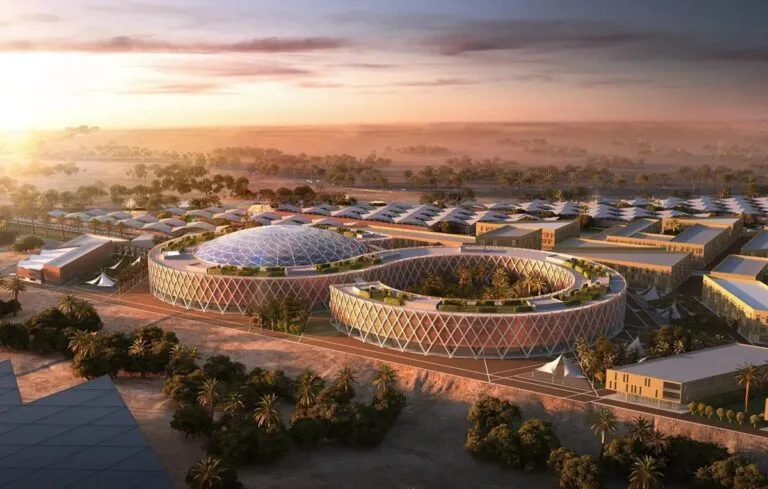
NHC announced the start of registration of interest for its latest real estate project, Rehab Al-Worif, located in the Al-Worif district, southeast of Jeddah.
Project Details and Residential Units
The project includes over 3,300 residential units in the form of apartments, featuring various designs and layouts, with areas ranging from 116 to 164 square meters, offering diverse housing options to meet different needs and lifestyles.

Al-Worif: The Largest Urban Destination in Makkah Region
Al-Worif is the largest urban destination developed by NHC in the Makkah region, with an investment value exceeding SAR 9 billion. The project spans over 10.4 million square meters and offers more than 12,000 diverse residential units. It is surrounded by educational, healthcare, and commercial facilities, as well as public gardens covering over 1.3 million square meters, reflecting the company’s commitment to sustainable, integrated urban development.

Registration of Interest and Project Details
The company invited those interested to register their interest and review project details through the official NHC website.
✦ ArchUp Editorial Insight
The launch of NHC’s Rehab Al-Worif project exemplifies Contemporary large-scale residential development, emphasizing integrated Spatial Dynamics and Material Expression within a master-planned urban framework. Spanning over 10.4 million square meters, the Al-Worif district offers 3,300 new apartments amid educational, healthcare, and commercial amenities, reflecting a deliberate approach to Contextual Relevance and community-oriented urban design. However, the scale and density of such mega-developments raise critical questions regarding Functional Resilience, particularly in ensuring infrastructure capacity, transportation connectivity, and long-term livability for diverse residents. While the project signals a robust architectural ambition to create a sustainable, multi-use urban hub in the Makkah region, its lasting success will depend on translating planning intentions into tangible, resilient, and socially inclusive environments.