River & Rowing Museum to Close Permanently Amid Financial Struggles: A Reflection on Architecture, Sustainability, and Cultural Legacy

Henley-On-Thames, Oxfordshire In a poignant blow to cultural heritage, the River & Rowing Museum, designed by Pritzker Prize-winning architect David Chipperfield, announced its permanent closure effective September 21st, citing insurmountable financial pressures. The museum, an architectural gem since its 1998 debut, will disperse its 35,000-item collection while exploring options to relocate to a smaller facility. Interim Director Kevin Sandhu revealed to BBC News that annual net losses averaged $1.4 million, driven largely by the soaring operational costs of its acclaimed but high-maintenance building.
Architectural Triumph Meets Financial Reality
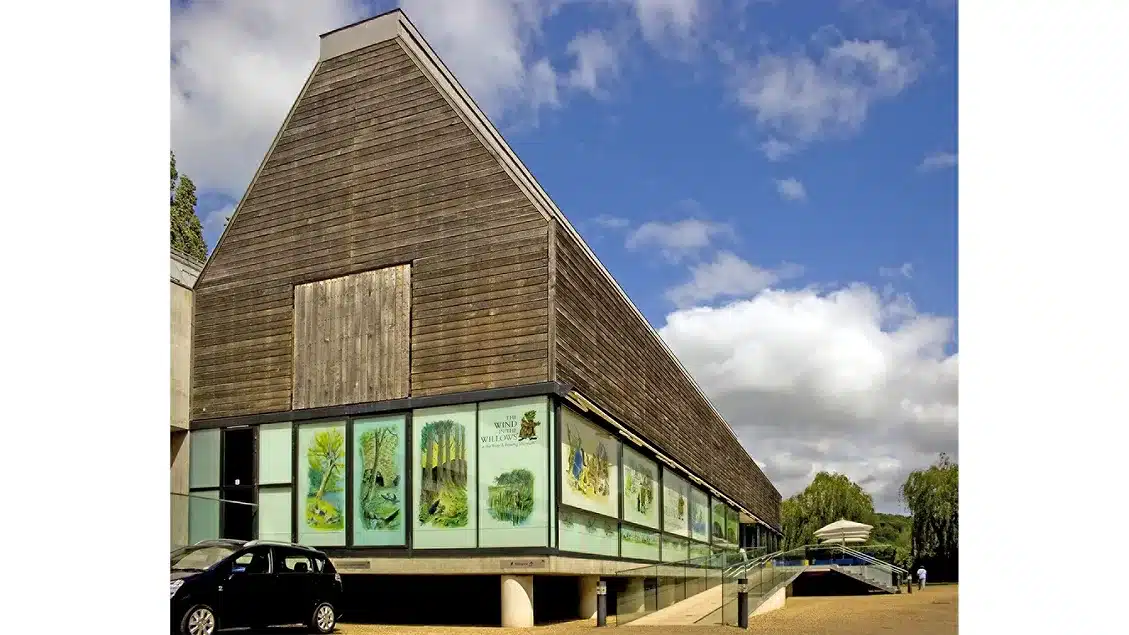
Nestled on the south bank of the Thames, the 35,000-square-foot museum was hailed as a masterclass in modernist sensitivity to tradition. Chipperfield’s use of untreated oak and nods to local boat sheds crafted a “delicate yet powerful dialogue between modernity and heritage,” as noted by the 2023 Pritzker jury. Yet, this very ambition became its undoing. The building’s expansive scale designed for a global audience proved unsustainable for a niche museum in a small market town. Sandhu lamented the “disconnect we couldn’t resolve,” praising its visual brilliance while acknowledging its impracticality: “It’s architecturally stunning but demands relentless care.”

A Collection in Limbo: Rowing, Art, and Local History
The museum’s five galleries celebrated rowing’s international legacy, the Thames’ natural history, and Henley’s cultural fabric, including a permanent exhibit on 20th-century artist John Piper. Its 2004 Wind in the Willows immersive exhibit became a family favorite. Despite decent foot traffic, admission revenues failed to offset maintenance costs, exposing a systemic issue: Can architectural prestige justify operational burdens? The trustees’ statement to Museums Journal was unequivocal: “A new use for the building must be found urgently.”
Broader Trends: Museums in Crisis
The closure mirrors global struggles. In the U.S., Trump-era cuts to arts funding strained institutions; Paris’ Louvre faced June closures due to staff shortages; and Smithsonian museums grappled with HVAC failures. While some venues thrive post-pandemic, others especially those reliant on specialized appeal face existential threats. The River & Rowing Museum’s fate underscores a critical question: How can cultural spaces balance architectural ambition with long-term viability?

Final Weeks and Future Hopes
A notice on the museum’s website assures efforts to engage stakeholders, adding: “We have much to celebrate before we close.” As the search begins for a new home whether for the collection or a downsized iteration the museum’s legacy as Chipperfield’s “keystone work” remains indelible.
✦ ArchUp Editorial Insight
The impending closure of the River & Rowing Museum reveals a tension between architectural brilliance and pragmatic sustainability. Chipperfield’s design, celebrated for harmonizing modernity with vernacular charm, ultimately fell victim to its own grandeur a cautionary tale for cultural projects prioritizing form over financial foresight. Yet, the museum’s struggle also highlights a systemic undervaluation of niche institutions in funding models. While its physical space may vanish, its legacy as a catalyst for conversations about place-making endures, proving that even in failure, architecture can spark vital discourse.
Explore the Latest Architecture Exhibitions & Conferences
ArchUp offers daily updates on top global architectural exhibitions, design conferences, and professional art and design forums.
Follow key architecture competitions, check official results, and stay informed through the latest architectural newsworldwide.
ArchUp is your encyclopedic hub for discovering events and design-driven