Salone del Mobile Riyadh Edition A Fully Fledged Architectural and Conceptual Experience

Introduction
Riyadh will host a new edition of the Milan Furniture Fair at the King Abdullah Financial District. The event reflects the urban environment that surrounds it. This edition is more than a furniture fair; it is an architectural and conceptual project. It demonstrates how design can shape urban spaces and enrich the visitor’s architectural experience. The Saudi edition highlights the interaction between architecture and design thinking. Furniture and interactive spaces become intellectual and visual elements that enhance the dialogue between users and the space.

Location and Architectural Approach
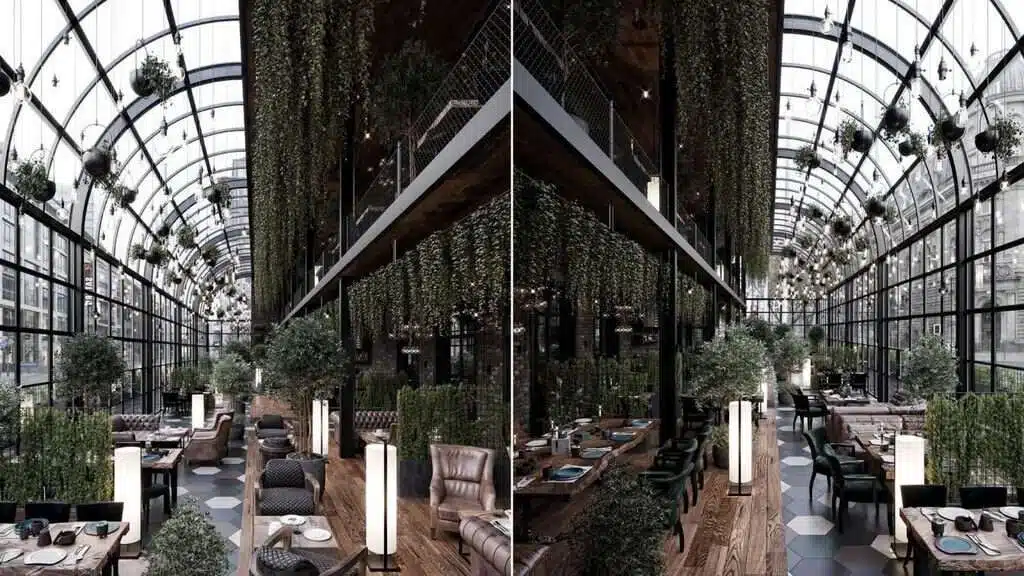
The Saudi edition takes place within a modern urban context, where open spaces and architectural facades interact with visitor movement to create a fully immersive design experience. The spatial planning encourages free movement and engagement with architectural installations, while carefully balancing light and shadow to enhance visual perception and sensory experience.
The architectural concept focuses on bridging the local environment with global design thinking, preserving the identity of the place while integrating elements of traditional Saudi culture into a contemporary and sustainable design framework.

Design Concept and Conceptual Interaction
The Riyadh edition goes beyond the traditional exhibition format to become a hybrid platform of conceptual and practical exploration:
- Each design and architectural element represents a dialogue between space and human perception, turning visitor movement into a sensory and intellectual journey.
- Different spatial levels, open and enclosed areas are used to guide attention and create a sense of flow and gradation.
- Emphasis is placed on material and visual sustainability, integrating natural and lightweight materials that allow direct visitor interaction without compromising the surrounding environment.
The designers conceived the exhibition as a cohesive architectural layout that connects visual experience with design thinking, encouraging visitors to explore the relationship between architecture, furniture, and local cultural identity.

Materials and Architectural Techniques
Materials are carefully selected to balance sustainability and functionality:
- Use of lightweight natural wood allows flexibility in architectural composition.
- Integration of natural fabrics and sustainable leather provides tactile and visual richness.
- Implementation of interactive technologies and transparent facades enhances engagement between visitors and architectural installations.
These design choices aim to transform the exhibition into a multi-dimensional experience, where materials and forms actively contribute to the architectural and conceptual dialogue of the space.

Conclusion
The Riyadh edition of Salone del Mobile represents more than just a furniture exhibition; the organizers created a fully integrated architectural and conceptual platform that combines design innovation with a sensory experience.The project allows visitors to explore the relationship between spaces and volumes, materials, and lighting, while raising awareness of sustainable architecture and contemporary urban design. By integrating sensory interaction with design thinking, the exhibition offers a model for documenting contemporary architecture and highlighting its cultural and conceptual value within Riyadh’s urban context.
Architecture professionals can follow ArchUp’s events section for verified updates on exhibitions, conferences, competitions, and results.
Final Summary Table Riyadh Edition
| Aspect | Details |
|---|---|
| Project Type | Fully-fledged architectural and conceptual exhibition |
| Location | Modern urban context in Riyadh |
| Objective | Integrate architecture, design thinking, and sensory experience |
| Spatial Design | Open and enclosed spaces with gradation and flow |
| Materials Used | Natural wood, natural fabrics, sustainable leather |
| Architectural Techniques | Transparent facades, interactive spaces, spatial flow |
| Conceptual Value | Platform for design exploration and architectural innovation |
| Relationship to Urban Context | Integration of local culture with contemporary design concepts |

✦ ArchUp Editorial Insight
The Riyadh edition of Salone del Mobile stands out visually, with a seamless blend of open and enclosed spaces, and facades interacting with natural light and shadow to create a rich sensory experience for visitors. The multi-level spatial arrangement guides movement and encourages exploration, highlighting each design piece within its urban context. Critically, the design approach relies heavily on visible interaction with visitors, which may slightly limit conceptual depth in certain areas; however, the balance between sustainable materials and multifunctional spaces enhances the overall experience. Overall, the project serves as an integrated platform reflecting architectural innovation and design thinking.