Should a Building Always Be Functionally Successful? Or Does It Have the Right to Experiment—and Fail?

While reading through a collection of recent architectural case studies, I came across a building that sparked intense debate upon its debut. Its design was bold—unorthodox, even rebellious. This raised the age-old question of function vs experimentation in architecture. Some hailed it as a masterpiece, while others dismissed it as a functional disaster. That’s when I paused and asked myself:
Does a building always need to succeed functionally? Or should architecture have room to experiment, to fail, and to try again?

Functional Design: When a Building Serves Its Users
In classical architectural thinking, functionality is the cornerstone. A building’s success isn’t defined by its looks alone, but by whether it:
| Aspect | Explanation |
|---|---|
| Supports human comfort | Adequate lighting, ventilation, privacy, flow |
| Operates efficiently | Easy to maintain, clear circulation, adaptable |
| Responds to context | Serves its environment and local community |
In this view, architecture is not an art exhibit—it’s a system that improves people’s lives.
If users get lost, feel uncomfortable, or face daily frustration, it’s considered a failure.
Experimental Design: When Architecture Becomes a Question, Not Just an Answer
On the other hand, another school of thought views architecture as a creative and philosophical practice—not just a functional one. This approach encourages:
| Idea | Purpose |
|---|---|
| Experimenting with form and materials | To discover new architectural languages |
| Challenging conventions | To provoke thought and evolve the discipline |
| Accepting failure as part of growth | Not every great idea works the first time |
Several buildings that were heavily criticized at first are now beloved cultural icons, like:
- The Pompidou Centre in Paris: Initially shocking, now a symbol of architectural freedom
- Sydney Opera House: Faced intense backlash for delays and budget issues, now a global landmark

So Which Path Is Right? Function or Experimentation?
The truth lies somewhere in between. Architecture doesn’t need to choose sides. A good architect can respect function without sacrificing imagination.
| Perspective | The Balanced Approach |
|---|---|
| The pragmatic architect | Begins with user needs, then weaves in identity and vision |
| The conceptual architect | Starts with a concept, but refines it for real-world application |
The key is to read the context well. Is the project public or private? Who will use it? Is there room for risk? Can the idea evolve over time?
Comparison Tables
Functional vs. Experimental Architecture:
| Element | Functional Design | Experimental Design |
|---|---|---|
| Primary Goal | User comfort and efficiency | Exploring boundaries and ideas |
| Public Acceptance | Often immediate | Often delayed or debated |
| Risk Factor | Low | High |
| Long-Term Impact | Consistent and predictable | Variable and contextual |
When Is It Okay to Experiment?
| Condition | Justification |
|---|---|
| Non-essential use | Museums, pavilions, conceptual spaces |
| Flexible budget | Allows room for prototyping and redesign |
| Supportive client | Willing to invest in a bold vision |
| Backup plan exists | To mitigate issues if the idea doesn’t succeed |
Final Thoughts
Not every failed idea is worthless, and not every functional building is memorable. Architecture, at its core, is a delicate balance between necessity and expression. Success isn’t just about what works—it’s also about what moves, what provokes, and what endures.
✦ ArchUp Editorial Insight
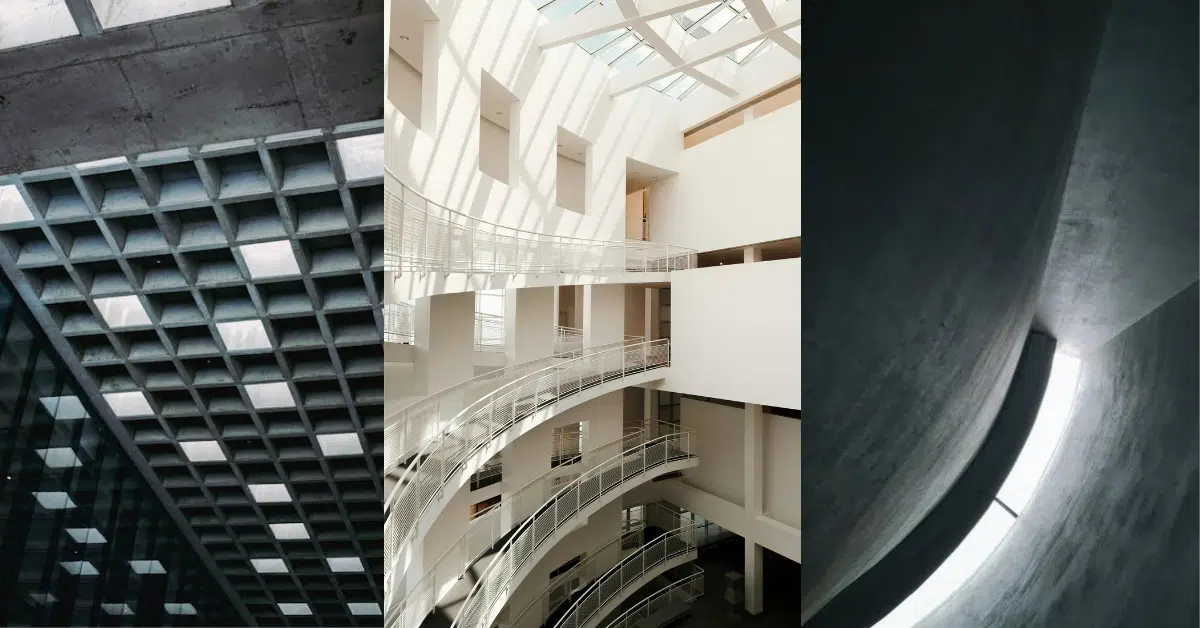
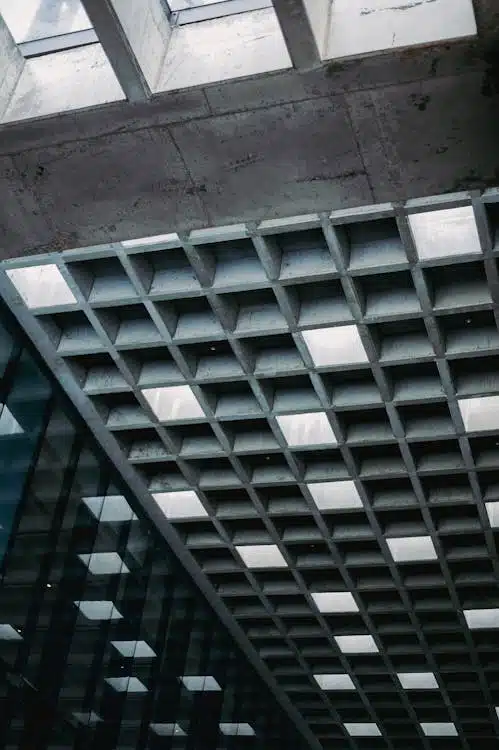
This article explores the ongoing tension between functionality and experimentation in architecture, analyzing how designers navigate between practical performance and conceptual provocation. The visuals reveal a contrast of angular and fluid forms, with exposed concrete and filtered daylight emphasizing a desire to disrupt conventional expectations. While visually compelling, the lack of specific contextual examples limits the article’s grounding in real-world practice. Does a bold idea alone justify architectural risk? Nonetheless, the discussion offers valuable reflection, contributing to a broader reevaluation of what success truly means in contemporary architectural design.
Explore the Latest Architecture Exhibitions & Conferences
ArchUp offers daily updates on top global architectural exhibitions, design conferences, and professional art and design forums.
Follow key architecture competitions, check official results, and stay informed through the latest architectural news worldwide.
ArchUp is your encyclopedic hub for discovering events and design-driven opportunities across the globe.