Stone Farmhouse Extension by Studio Bressan in Italy

Studio Bressan has taken up a 19th-century stone farmhouse perched on a hill on the Asolo hills in Italy and turned it into a residence that bears witness to both the past and the present. The project retains the historic stone structure but introduces a transparent new volume that connects the house with nature. The antique and the modern coexist through the medium of skillful architecture. More on materials and architectural practice can be found in ArchUp building materials.
Project Overview
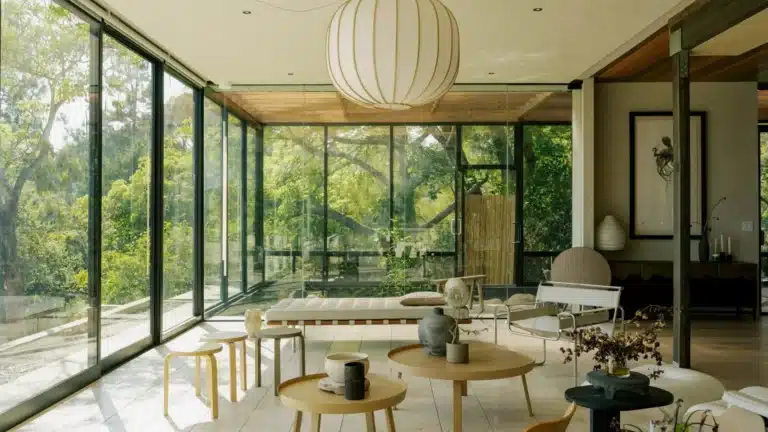
The structure is known as Casolare Biordo Vecchio. It is located in the area of the previous farm and has a gentle slope. When doing their work, the architects preserved the existing stone walls and the roofline. To the south they have added a new extension with glass walls that has made the dining and living areas much bigger. Besides, this new structure not only makes the house more lively by letting it be daylighted but also provides beautiful views. The formulation of ideas is one of the ways in which this project relates to ArchUp projects.

Design Logic
The design had both continuity and contrast in its balance. The old stone shell is still very visible. The new volume contrasts with it in being very contemporary. The concept distinguishes clearly between light and the view of the plan. The extension marks the place in which the house and the garden meet most closely. Moving around is easy and understandable. The architect’s main aim was to preserve the site identity. This also connects to architectural research themes.
Table: Spatial Zones
| Zone | Function | Architectural Role |
|---|---|---|
| Original Stone Volume | Private rooms and structure | Retains historic character and anchors the site |
| Glass Portico Extension | Dining and living areas | Invites light and view and links interior and garden |
| Outdoor Terrace and Garden | Leisure and views | Extends living into the landscape and frames the hills |

Material and Structure
The material palette is one of restraint and truthfulness. The stone and timber are used in such a way as to have their natural predispositions revealed. The combination of oak flooring with local stone produces a soft, warm atmosphere. The new porch is of steel and glass. The glass has been put in such a way that it does not glare, but at the same time, it provides an unhindered view. The materials play dual roles both structurally and aesthetically. For similar notes regarding materials and detailing, refer to ArchUp building materials.
Context and Culture
The farmhouse is located in a cultural landscape that appreciates repair and recycling. The renovation, while maintaining the character of the public road and historic surroundings, directs the house towards the garden. It is made with local craftsmanship and at a local scale. The project is a demonstration of how to adapt heritage for current needs. It also connects to the discussions about urban development and conservation in ArchUp cities.

Architectural Lessons
This project offers several clear lessons. Preserve the identity of the old work. Make additions that are recognizable as new. Use modest designs to enhance the intake of daylight and cross ventilation. Allow materials to express themselves. Minor interventions can lead to significant social and environmental benefits. These lessons are applicable to both practice and education in the field of architecture.
Why This Matters Today
The process of adaptive reuse not only minimizes waste but also preserves the energy that has already been invested in the building. The extension of the farmhouse is a good example of how even small interventions can elevate the life and quality of a structure. It is a model for design that is both climate and culture aware. The project proves that careful architecture can be both site-specific and modern. For more information on design thinking, refer to ArchUp design.

✦ ArchUp Editorial Insight
The Stone Farmhouse Extension shows a very careful interaction between heritage and modern-day intervention. It combines the simplicity and elegance of stone, timber, and glass, which makes the contrast between the old building and the new extension even more visible. The extension brings in light and air and the whole project could make it easier for people to go from the outdoor spaces to the indoor ones. However, the architects’ sensitivity to context is demonstrated by the careful selection of materials, straightforward plan organization, and visual connection to the surrounding landscape.
Conclusion
The Studio Bressan farmhouse extension in Asolo illustrates the exact method to enhance a heritage site without erasing its nature. It is done through the material truth, clear form, and purposeful daylighting. For the architects, the project offers a compact lesson in restraint and generosity. The house illustrates that architecture can be both gentle and stringent at the same time. For further information on construction practice, visit ArchUp construction.

The photography is by Emanuele Bressan.
Explore the Latest Architecture Exhibitions & Conferences
ArchUp offers daily updates on top global architectural exhibitions, design conferences, and professional art and design forums.
Follow key architecture competitions, check official results, and stay informed through the latest architectural news worldwide.
ArchUp is your encyclopedic hub for discovering events and design-driven opportunities across the globe.
Brought to you by the ArchUp Editorial Team
Inspiration starts here. Dive deeper into architecture, interior design, research, cities, design, and cutting-edge projects on ArchUp.