Structural Engineered Bamboo: Seven-Storey Observation Tower in St. Louis

Structural engineered bamboo stands out as one of the most promising sustainable building materials today. Therefore, the upcoming seven-storey observation tower in St. Louis plans to use this material combined with stainless steel, marking a pioneering effort in eco-friendly construction. This project not only showcases innovative design but also promotes the use of biodegradable building materials in modern architecture.
Project Location and Architectural Design
The tower will rise to 34 meters in St. Louis, Missouri. Moreover, it will feature seven floors that include public observation decks, an architectural materials library, an electric vehicle lounge, a café, and event spaces.
Furthermore, the tower’s shape draws direct inspiration from the nearby Gateway Arch, famous for its catenary curve. The design team intentionally mimics this geometry by blending engineered bamboo with stainless steel to achieve both strength and elegance.
Materials: Structural Engineered Bamboo and Stainless Steel
Structural Engineered Bamboo (SEB)
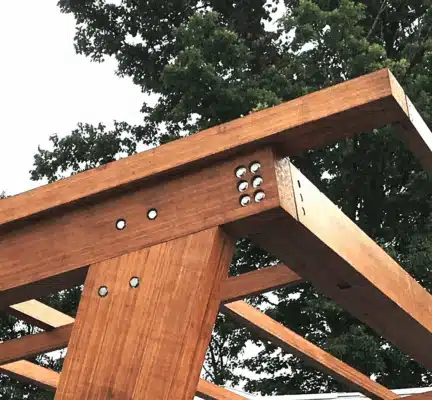
SEB comes from Guadua bamboo, known for its fast growth and impressive density. Additionally, ReNüTeq processes this bamboo to create a laminated, load-bearing material that outperforms Moso bamboo and traditional wood products such as glulam and CLT by more than three times in strength.
| Material | Relative Strength | Density (kg/m³) | Notes |
|---|---|---|---|
| Structural Engineered Bamboo | 3.0 | 600-700 | Renewable and highly durable |
| Moso Bamboo | 1.0 | 500-600 | Natural wood |
| Glulam Wood | 0.8 | 600-700 | Engineered wood product |
| Stainless Steel | 10+ | 7850 | Strong but heavy |
Integration of Stainless Steel
In addition, the use of stainless steel enhances structural stiffness and weather resistance. Therefore, the tower combines the flexibility of bamboo with the durability of steel to withstand various environmental factors.



Significance in Sustainable Construction
As the construction industry shifts towards low-carbon and circular practices, this project demonstrates how structural engineered bamboo can serve as a powerful alternative to traditional steel and concrete in mid-rise buildings.
Moreover, the tower illustrates how architectural beauty and sustainability can coexist, delivering a multifunctional urban landmark that respects the environment.
Conclusion
Overall, the St. Louis observation tower serves as a practical example of how structural engineered bamboo can revolutionize building methods. Thus, it encourages architects, engineers, and developers to explore renewable materials that provide both strength and sustainability.
In short, this project not only builds a new structure but also lays the foundation for a greener future in architecture.
ArchUp is your platform to follow everything “architectural“: news, analyses, and designs straight from the heart of the modern architectural movement.