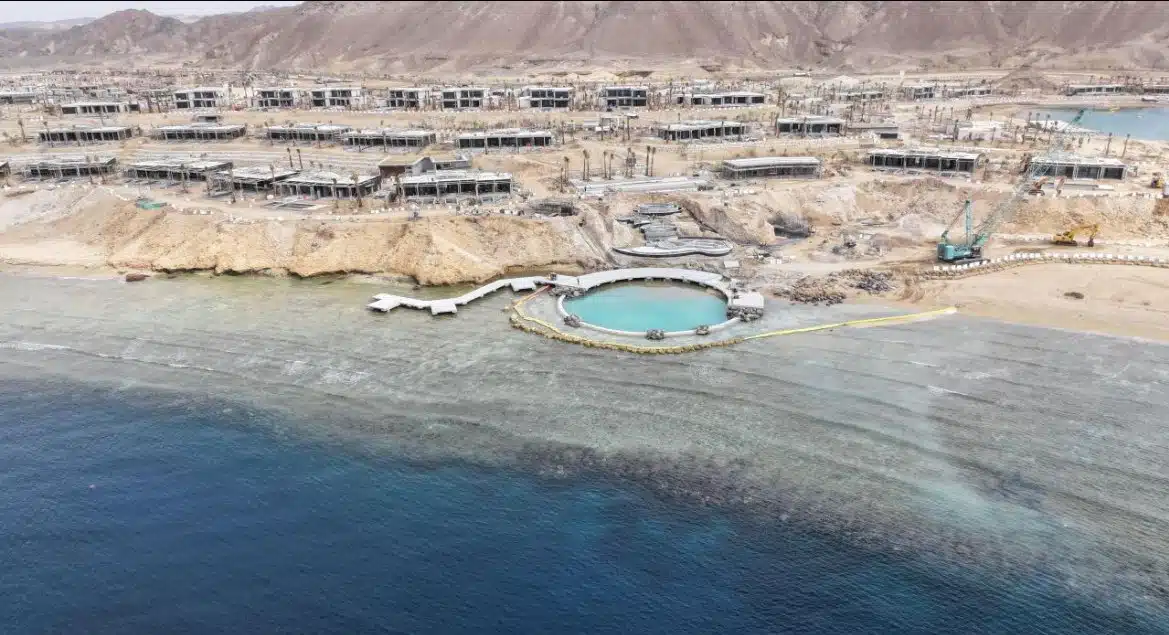
Boulder Park in Jinan: An Urban Experience Blending Nature, Art, and Sustainability

Boulder Park: Transforming Urban Spaces into Natural Oases
Park Location and Urban Significance
Boulder Park is located in the heart of Jinan, a city in China’s Shandong Province. This site holds great importance. Indeed, it is a living example of how landscape architectural design can transform a crowded urban environment into an open space that invites reflection and serenity.
Design Inspired by Local Nature
The project was developed by the Xisui Design team. They drew aesthetic inspiration from the rocky terrain and natural springs that Jinan is famous for, earning it the title “City of Springs.” This vision guided the design to become a visual and emotional extension of the surrounding natural environment.
Integrating Natural Elements with Urban Form
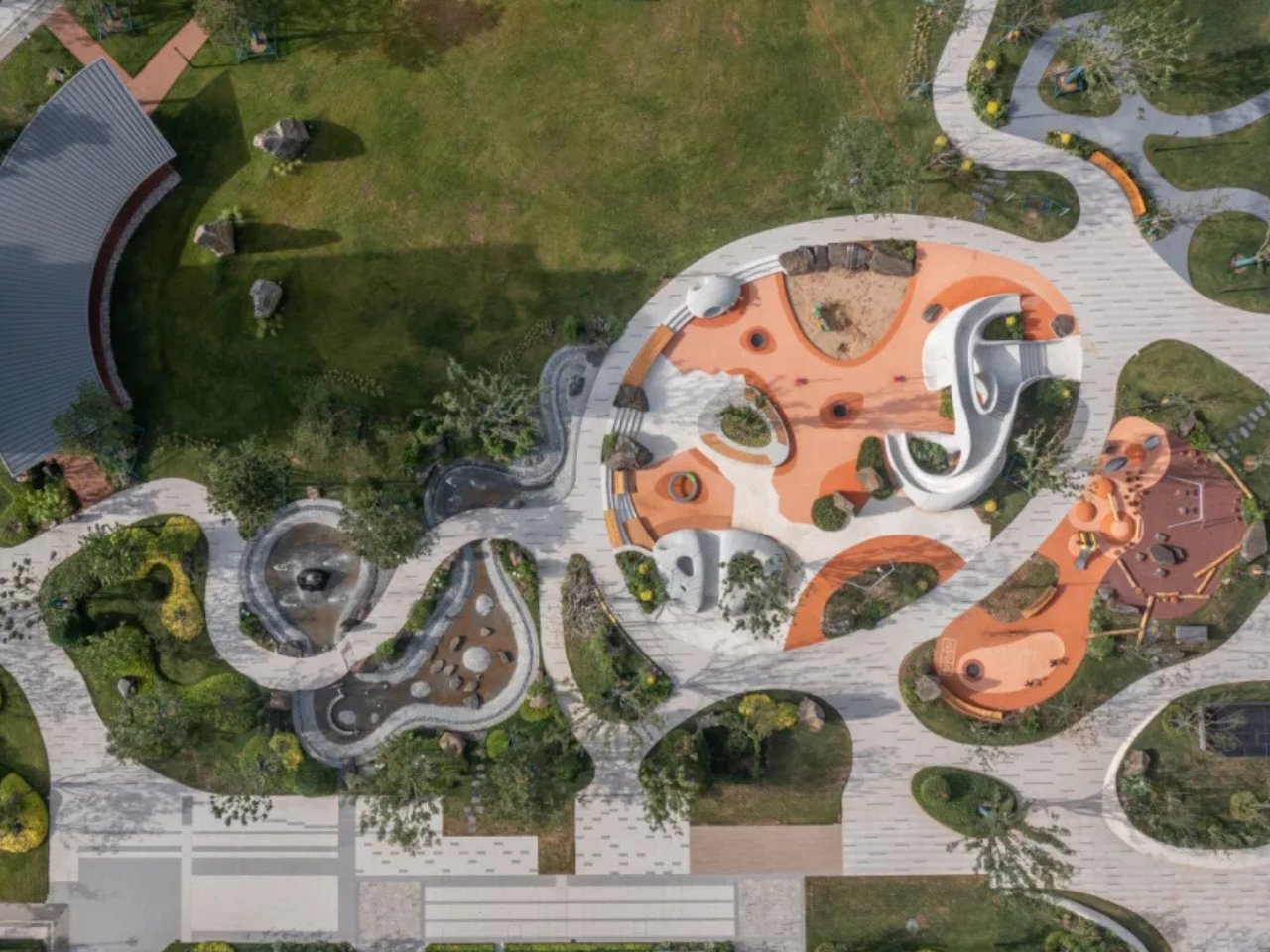
One of the most striking aspects of the park’s design is the thoughtful use of stones and organic forms. These elements were seamlessly integrated into the city’s urban fabric. This integration was not merely aesthetic; it embodied a balanced philosophy that harmonizes nature with modernity.
A Holistic Vision for Social Function
The park’s architectural role goes beyond beauty, encompassing a variety of social dimensions. The space was designed to offer a refuge for all age groups. Whether for relaxation, play, or social interaction, it makes a truly inclusive public realm.
Using 3D Printing in Public Space Design
An Architectural Element Blending Art and Technology
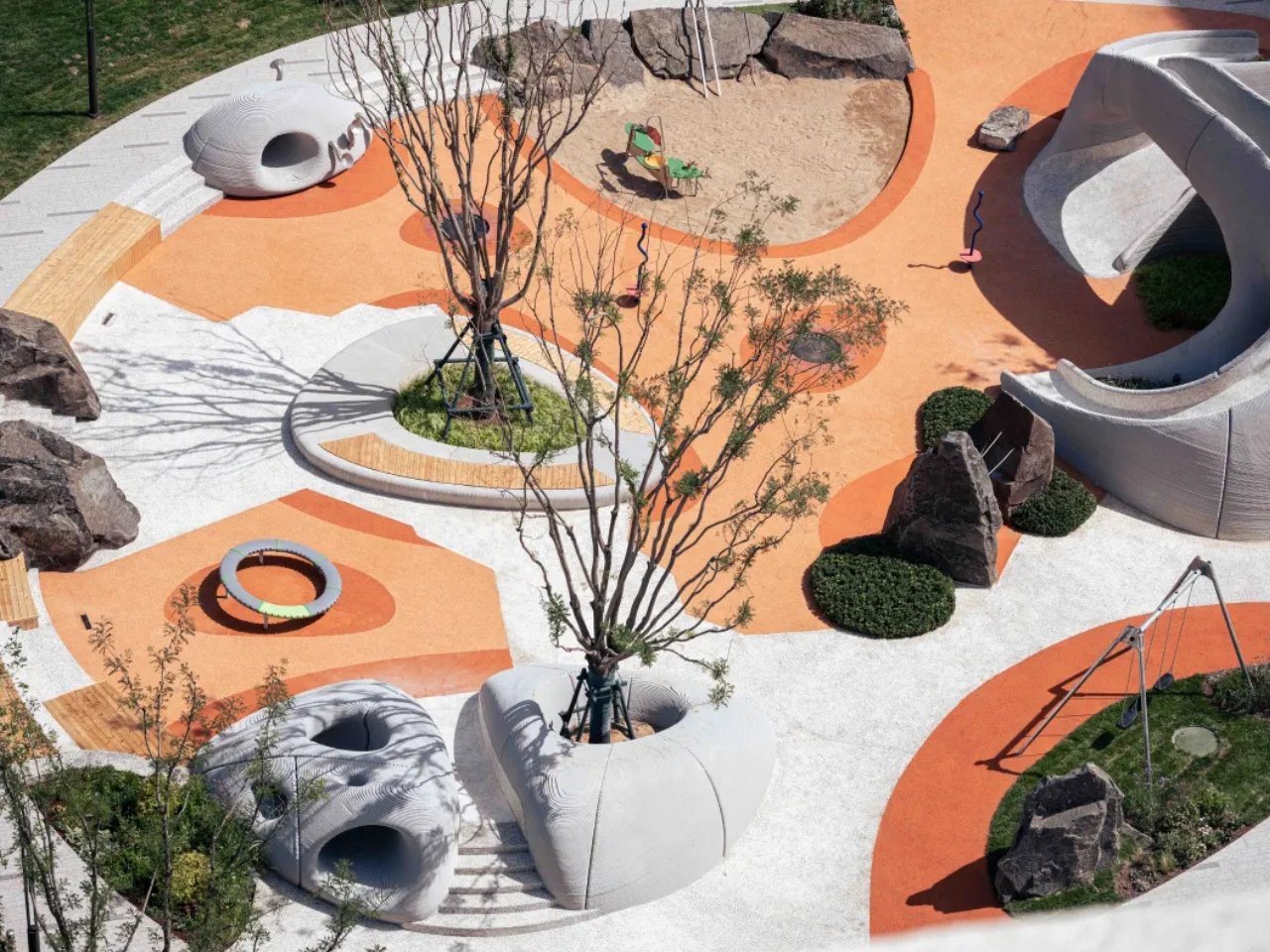
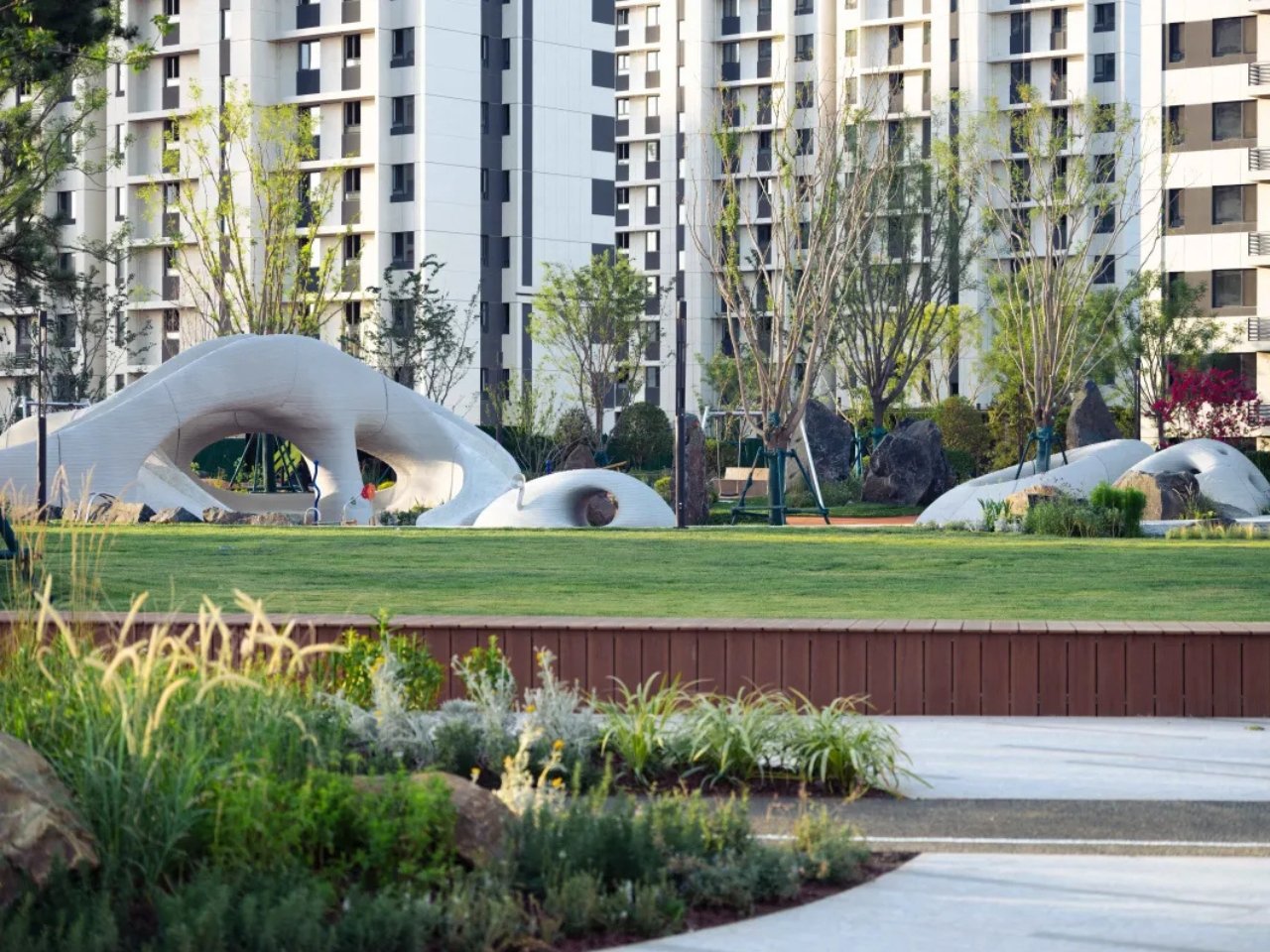
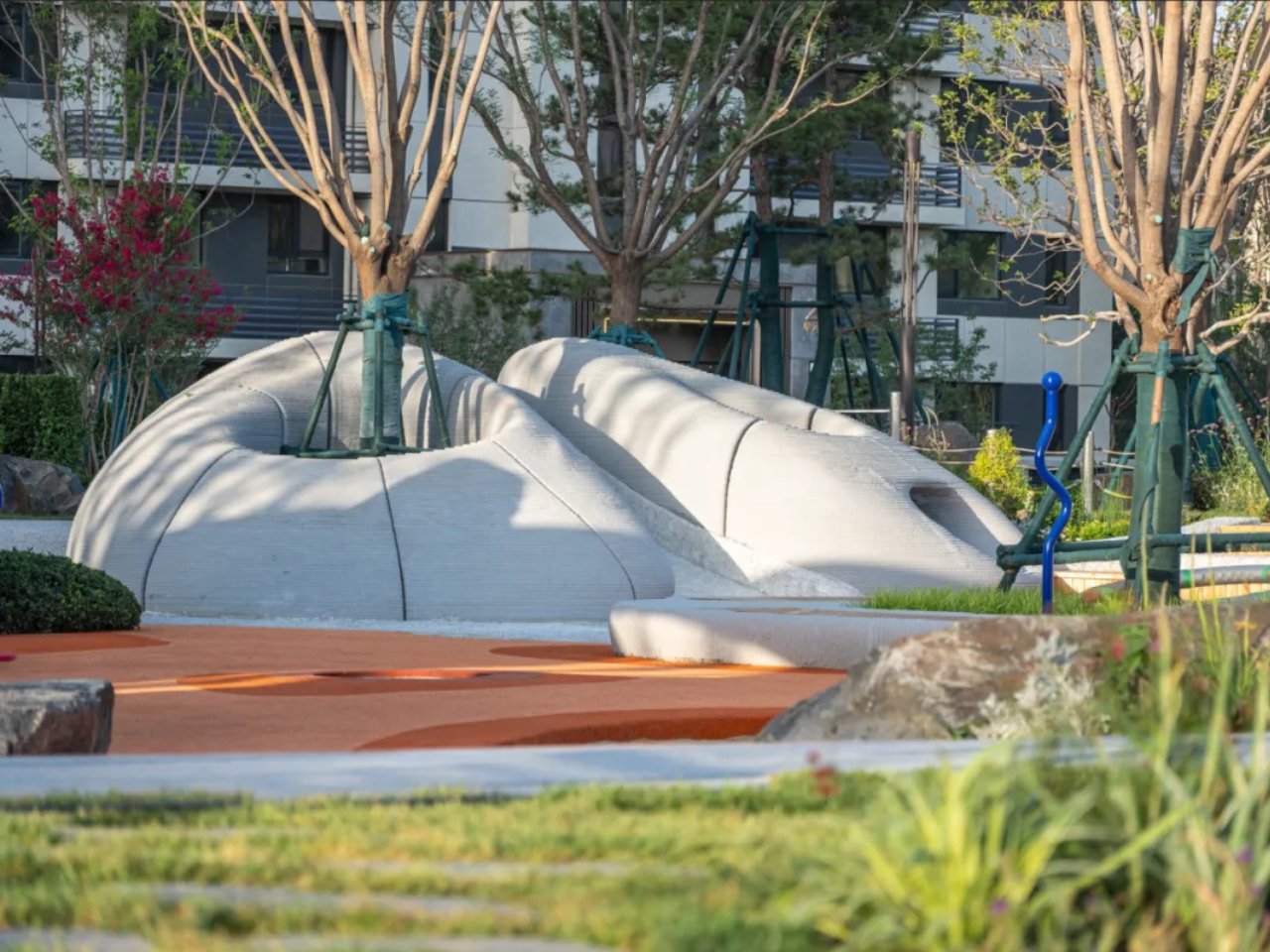
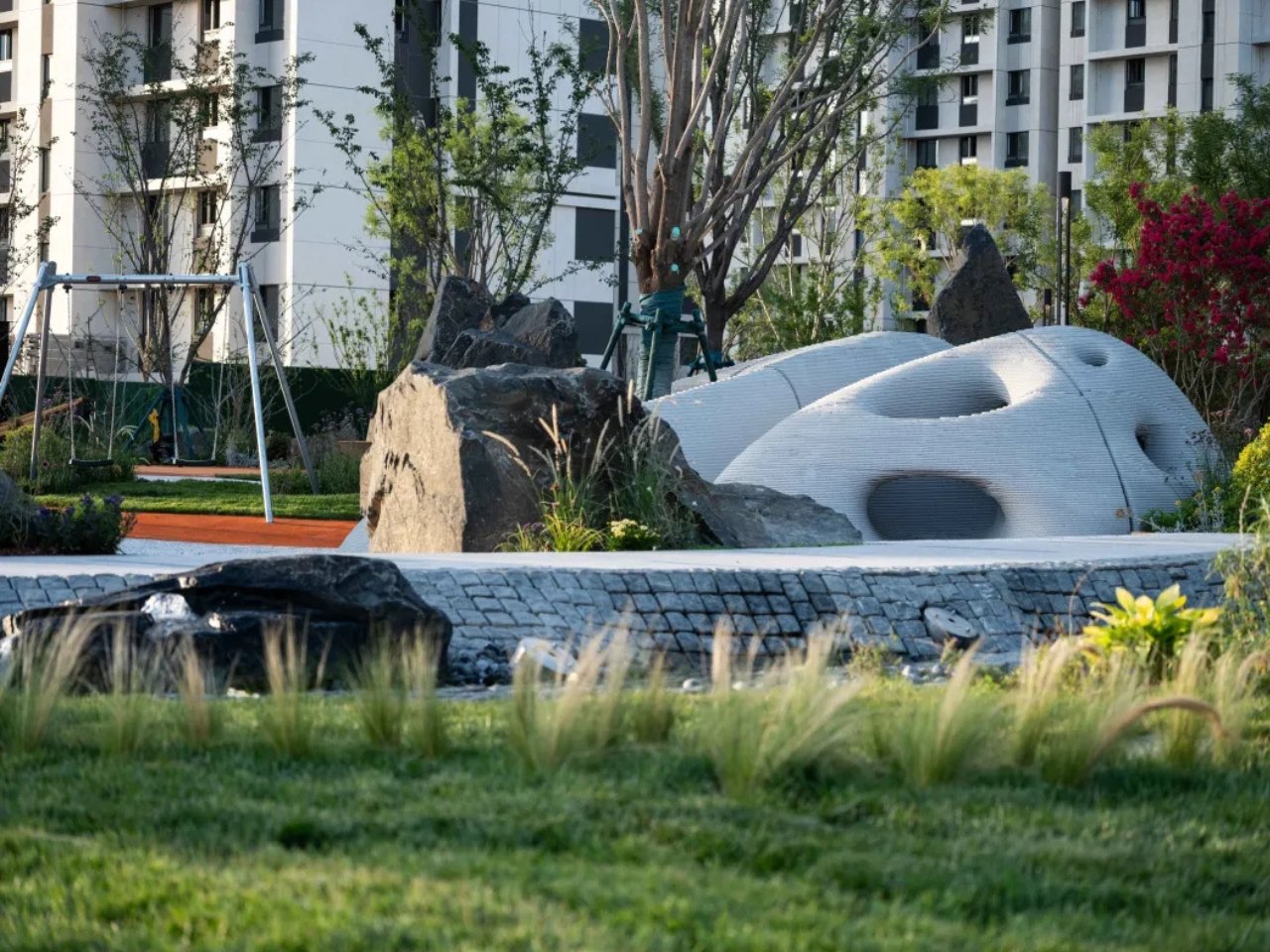
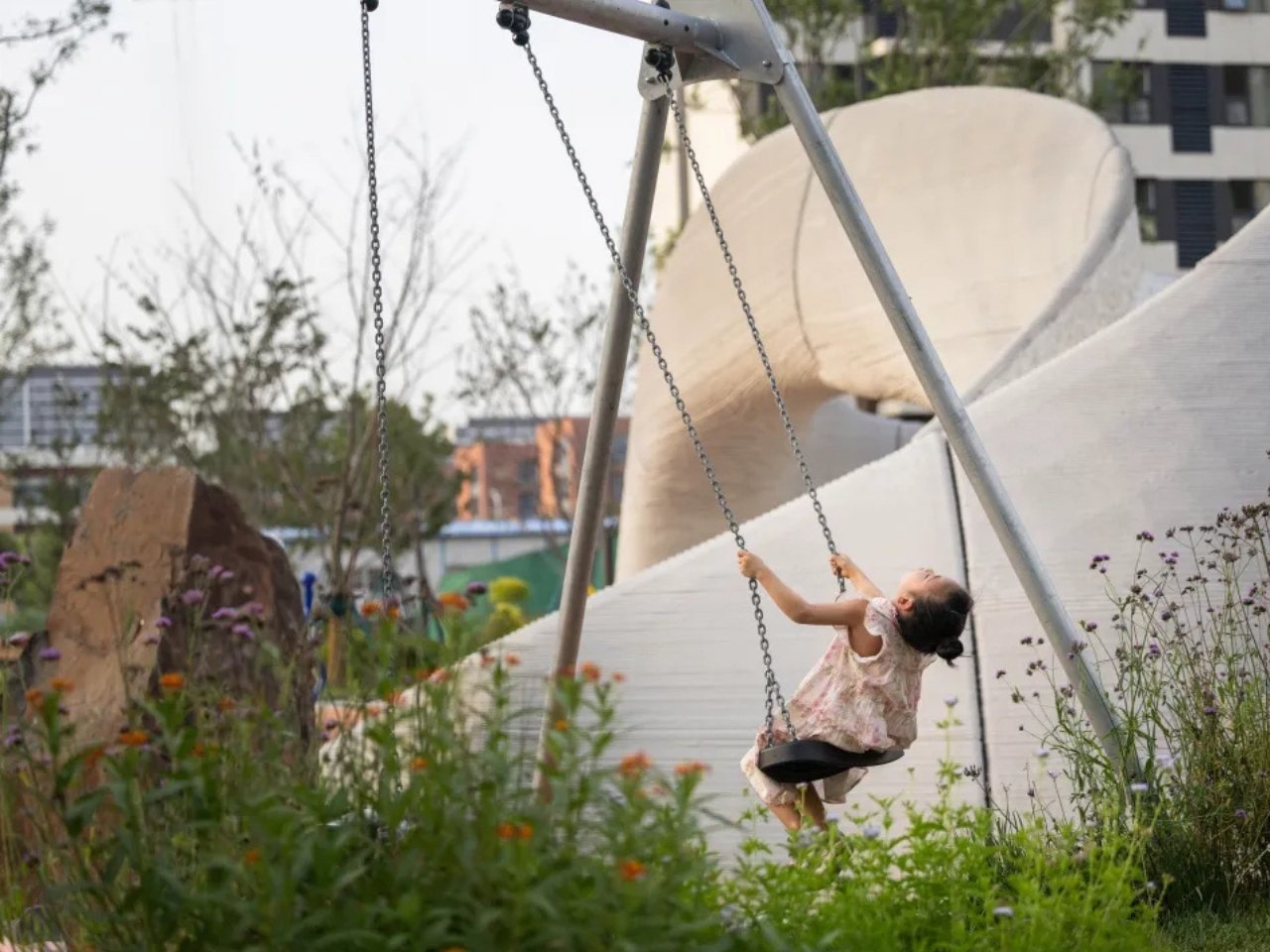
A striking architectural feature stands out in Boulder Park, crafted using 3D-printed concrete technology. This is not merely a decorative structure. Rather, it is a functional piece of art that represents a fusion between contemporary art and innovative architectural design.
Harmony with the Surrounding Rocky Landscape
This element blends seamlessly with the natural environment, its curved forms echoing the weathered stones shaped by time. The visual integration goes beyond aesthetic harmony, it seeks to redefine the relationship between humans and their natural surroundings.
An Invitation to Interact and Explore
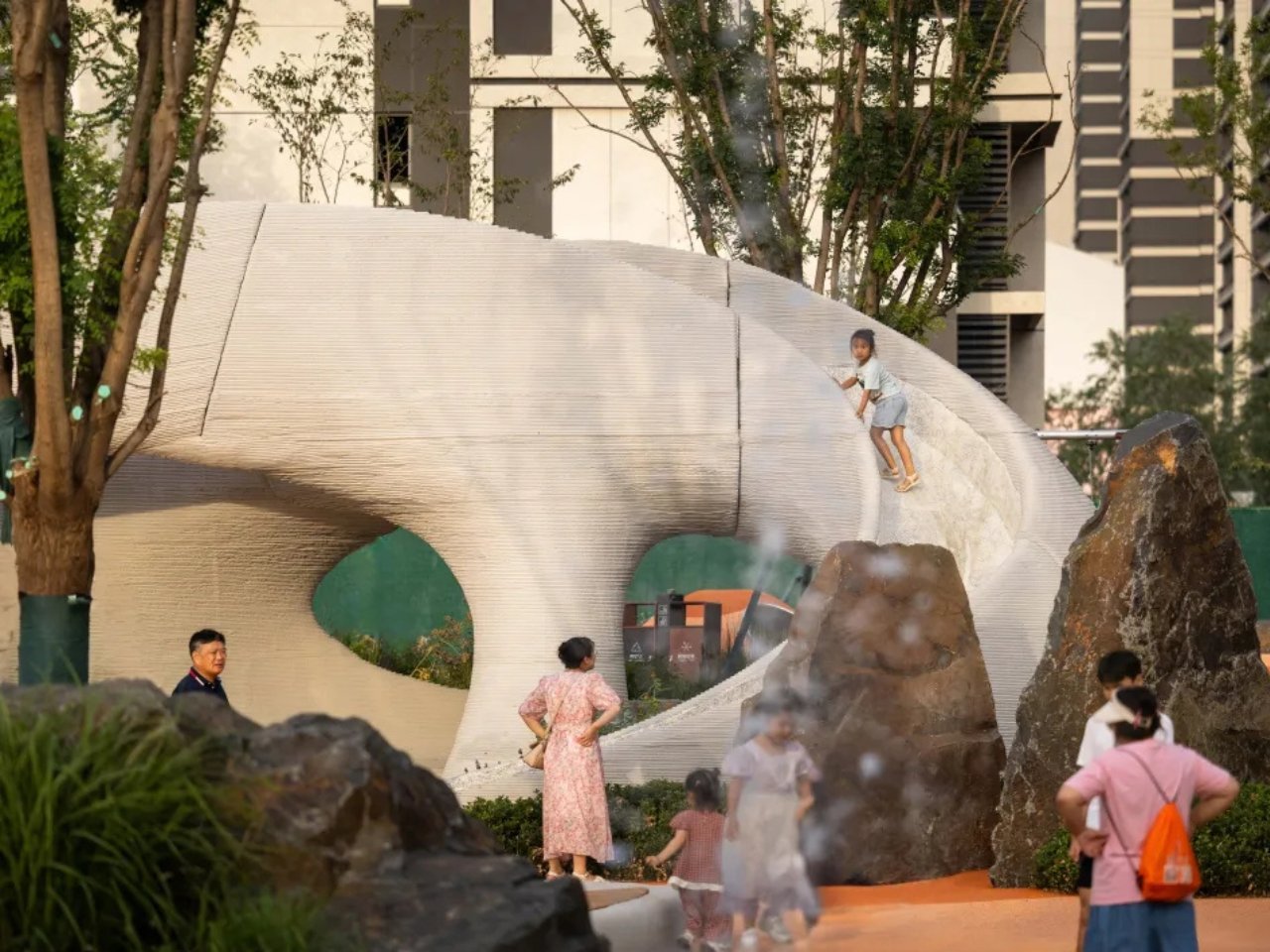
The organic design of this structure extends beyond visual appeal. It invites visitors to sit, climb, or gather around it. In doing so, it transforms from a static object into an open, interactive space that combines social engagement with architectural expression.
A Move Toward Sustainability and Future Technologies
Beyond its aesthetic appeal, this element reflects a forward-looking approach to sustainable construction technologies. The use of 3D printing allows for reduced material waste and offers designers greater flexibility. This helps create complex forms that would be difficult to achieve through conventional methods.
An Interactive Entrance That Sparks Exploration
A Visually Rich Scene of Natural and Human-Made Forms
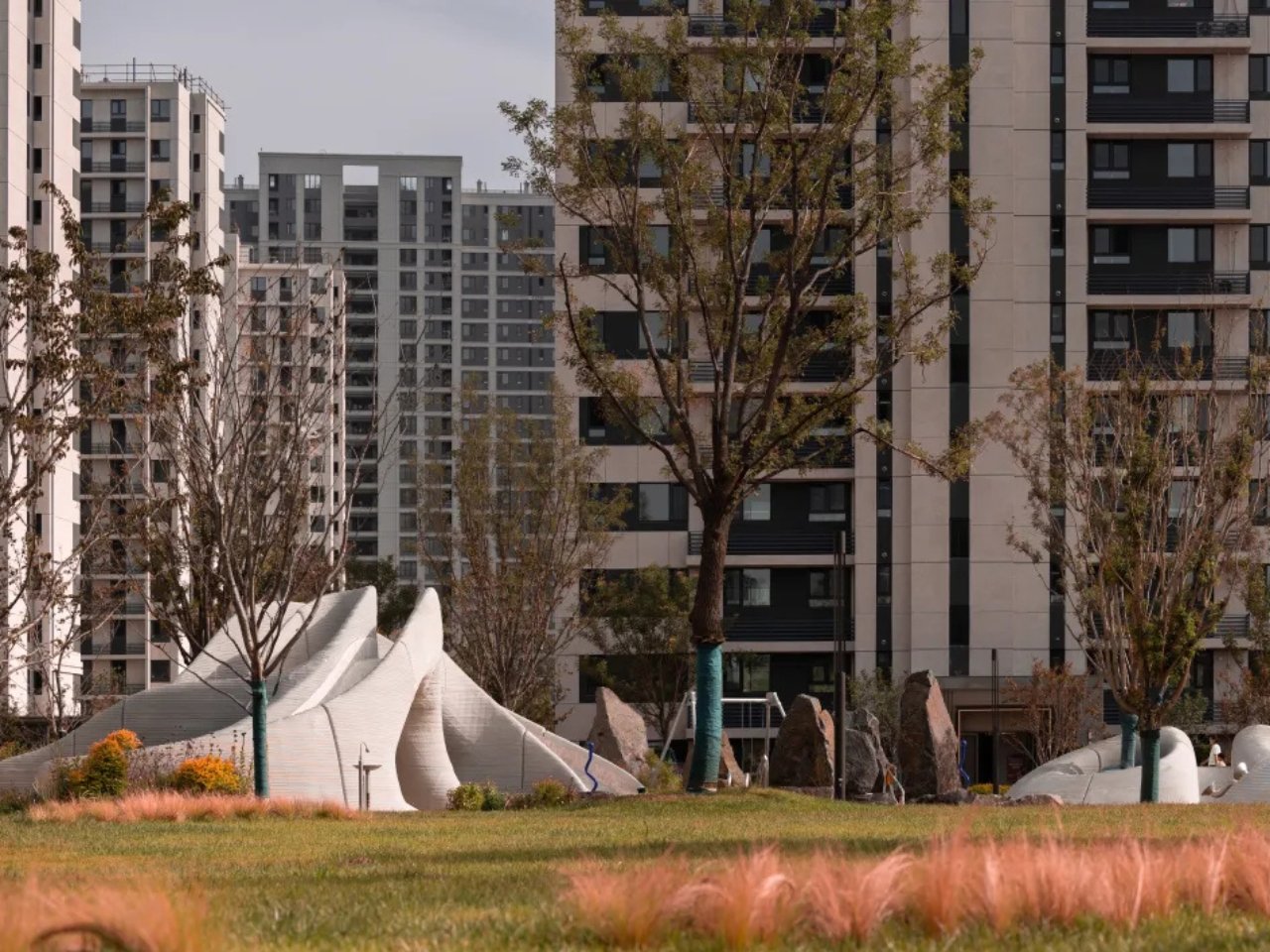
As visitors enter Boulder Park, they are welcomed by a sculptural rock formation arranged in a dramatic composition, positioned alongside the 3D-printed structure. This scene forms a powerful entry point, capturing attention and stimulating the senses from the very first moment.
Curved Pathways That Invite Walking and Discovery
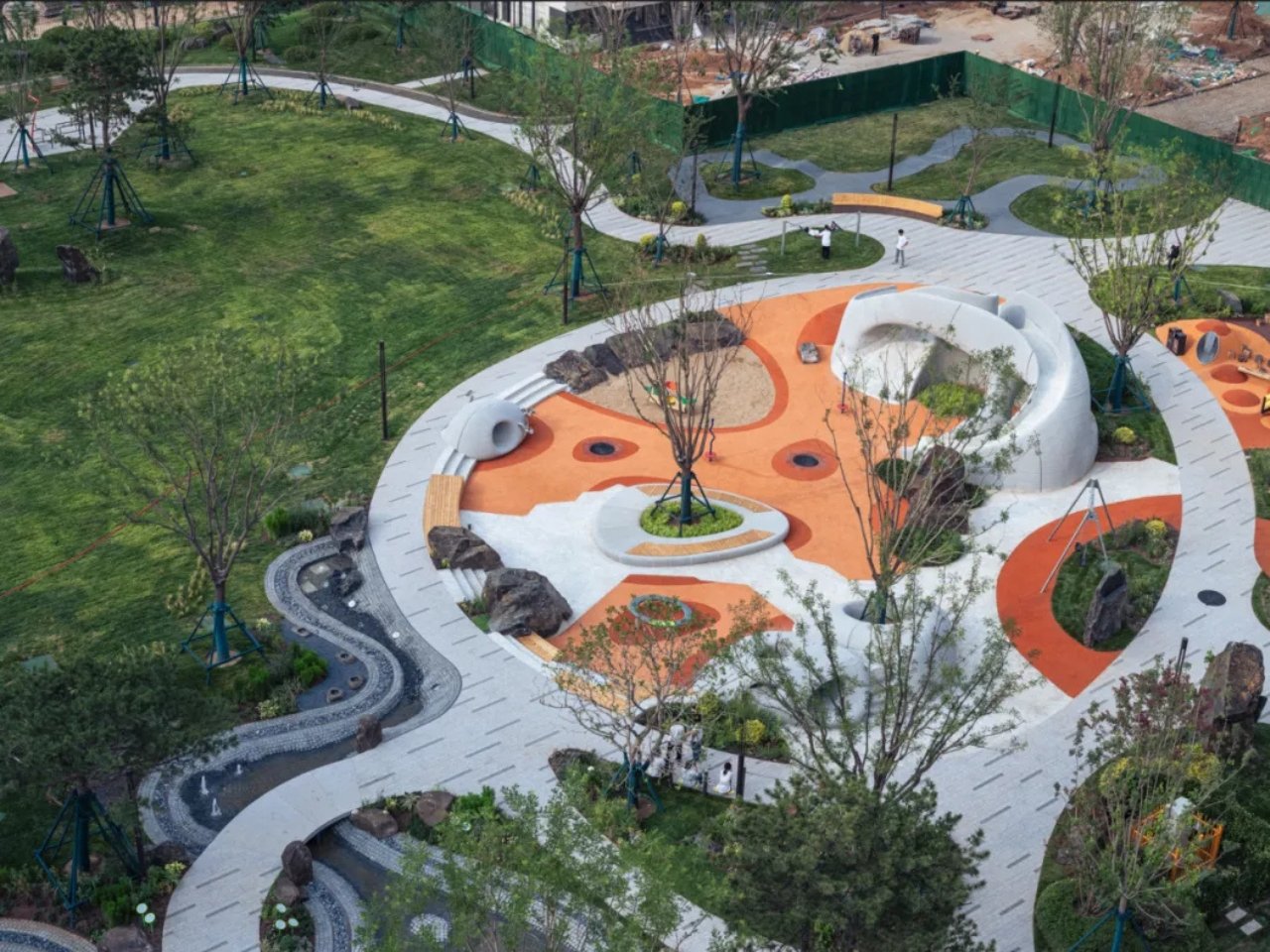
The park’s main pathways do not follow straight lines; instead, they curve gracefully around these architectural elements, creating a dynamic and engaging walking experience. This layout offers visitors ever-changing views as they move through the garden. Consequently, it encourages further exploration of its hidden details.
A Sensory Design That Encourages Interaction
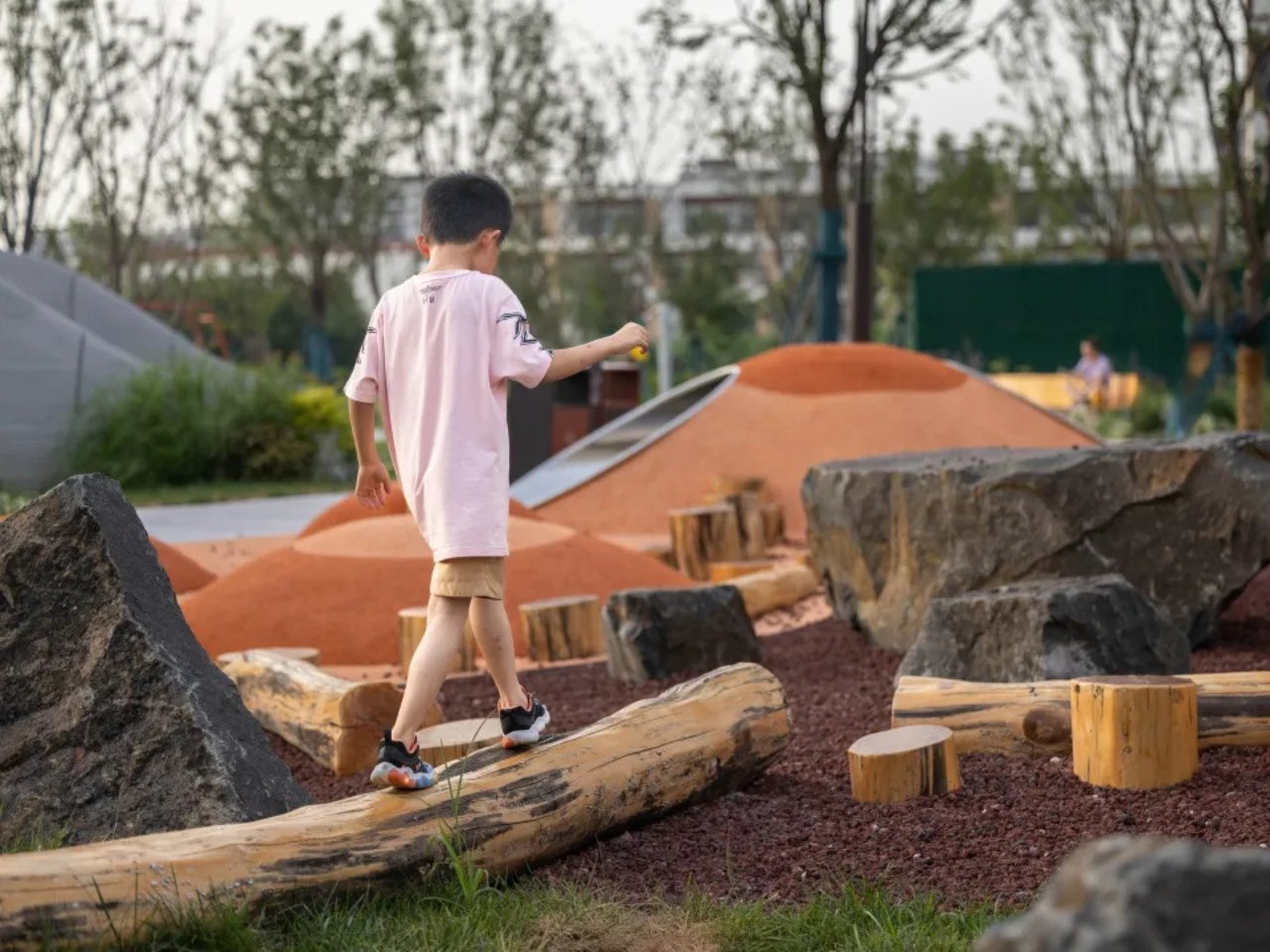
The rocks and concrete structure serve more than aesthetic or spatial functions. They were designed to be interactive elements. Both children and adults are invited to touch, climb, and play, adding a sense of joy that encourages physical and emotional engagement with the space.
Planting Design: A Harmonizing Element and Seasonal Vitality
Thoughtful Planting to Enhance Visual Harmony
Plant selection in Boulder Park was carried out with precise care. The goal was to balance the presence of solid stone and concrete elements within the space. Native grasses, low shrubs, and seasonal flowers were introduced. As a result, they form soft layers that ease the visual weight of hard materials, adding a humanising touch to the design.
Seasonal Change Brings Continuous Visual Renewal
One of the most distinctive features of this planting scheme is its adaptability and renewal with the changing seasons. In spring and summer, the garden bursts with vibrant colors and dense vegetation, creating a lively and energetic atmosphere. Come autumn, warm hues and seed heads emerge, offering a rich visual texture that reflects maturity and calm.
Winter Aesthetics: A Focus on Simplicity and Form
In winter, as colour and plant mass recede, the beauty of rocks, concrete elements, and the printed 3D lines becomes more pronounced. In this setting, the elegance of minimalist design comes to the forefront, where a delicate balance between simplicity and poetry defines the overall scene.
Diverse Spaces to Meet Varied Needs
Quiet Seating Areas and Spaces for Reflection
Seating zones have been carefully integrated throughout the park, sometimes appearing as hidden corners tucked between rocks or placed near the 3D-printed concrete structure. This thoughtful distribution offers visitors peaceful moments of rest, whether for personal reflection or quiet conversation in a tranquil setting.
Night Lighting That Adds a New Dimension
As evening falls, a soft and carefully designed lighting system activates, subtly revealing the textures of rocks, plants, and architectural elements. This gentle illumination creates a serene and warm atmosphere, enriching the sensory experience after sunset.
Open Lawns and Family-Friendly Activities
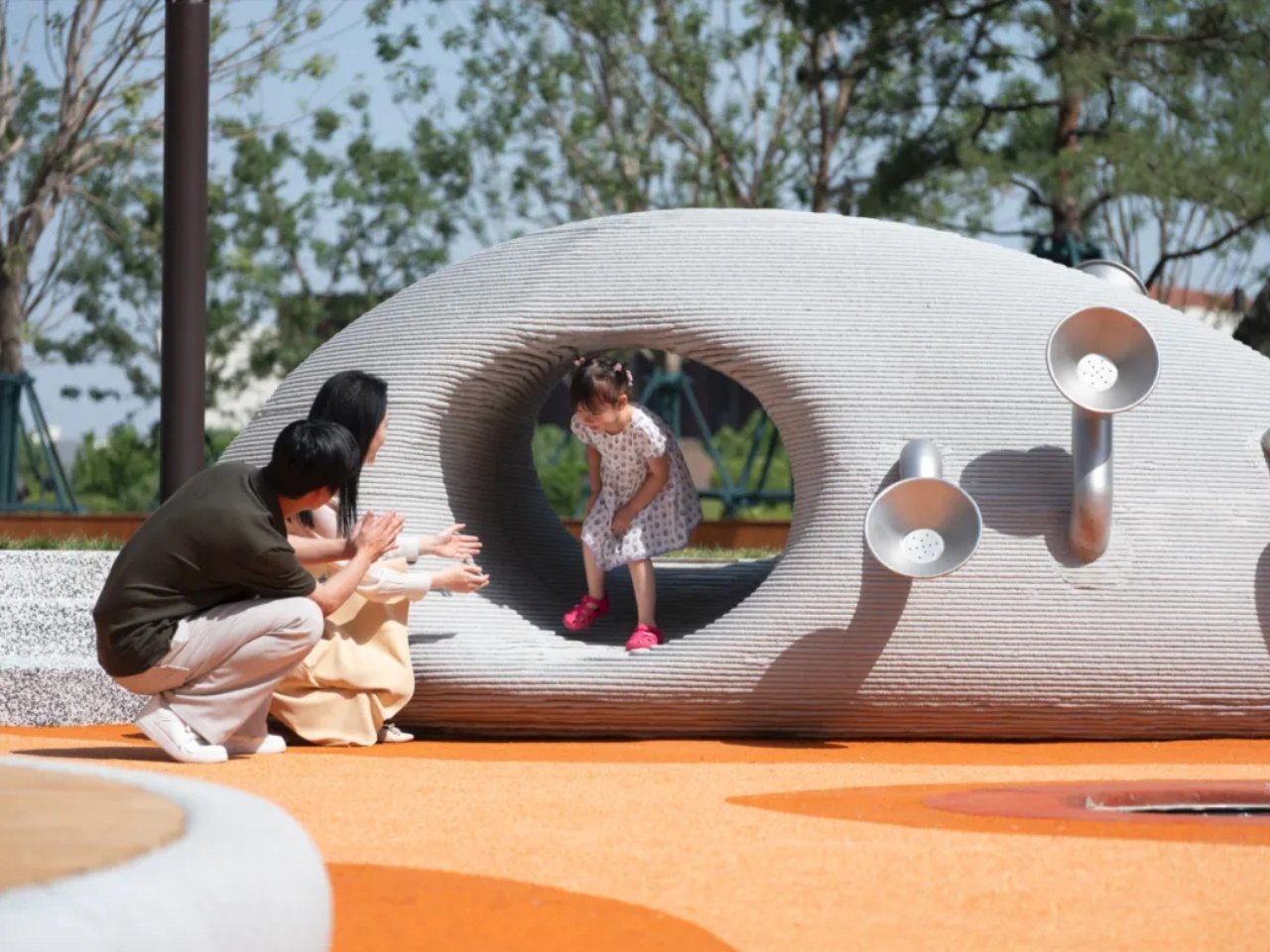
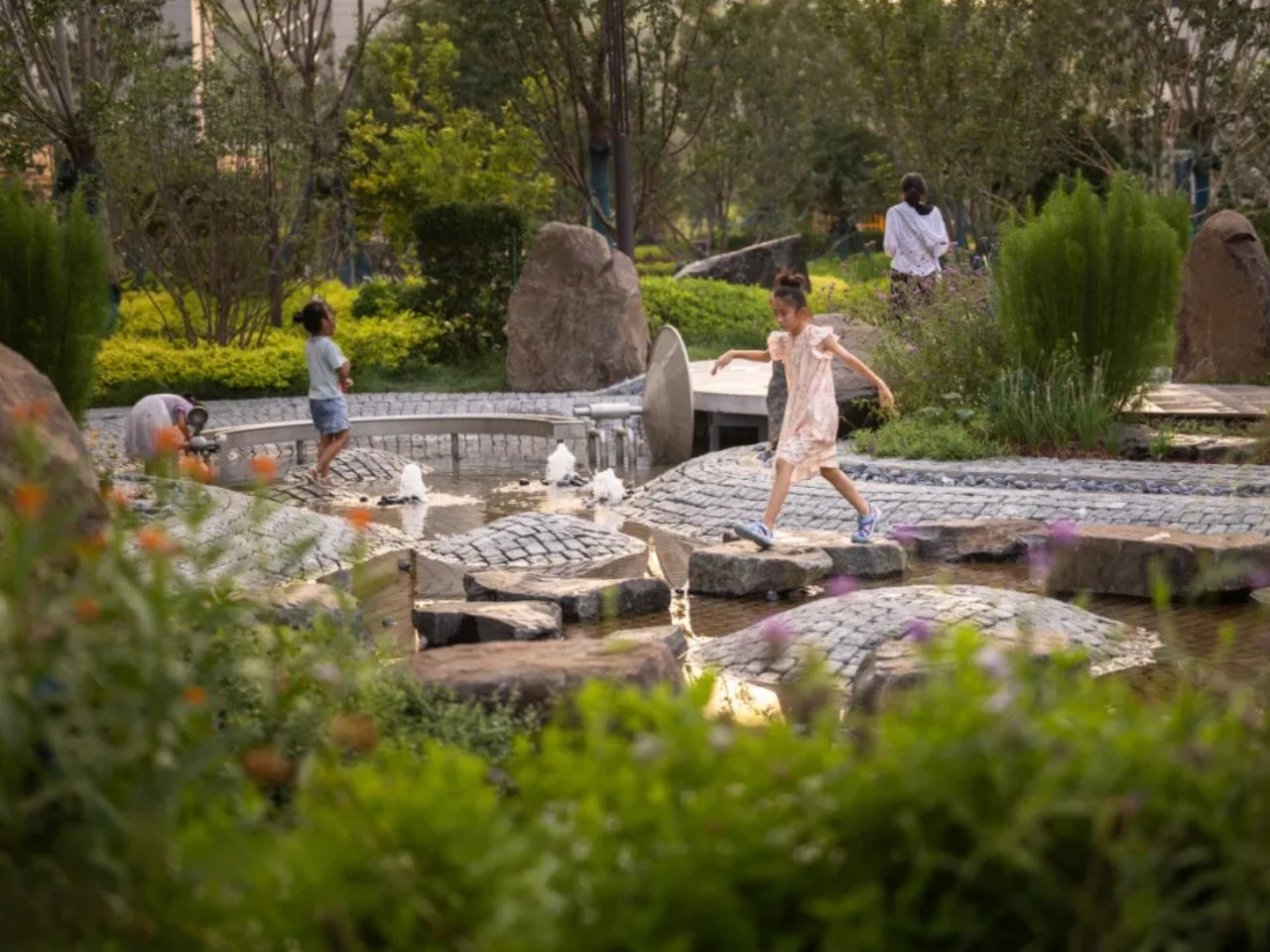
The park offers more than visual beauty. It features open grassy areas suitable for recreational activities or casual picnics, alongside designated zones for children’s play that encourage safe and free interaction. Symbolic water features inspired by Jinan’s iconic springs subtly connect visitors to the region’s natural heritage.
A Model of Sustainable Design and Community Connection
Boulder Park is more than just a beautiful green space. It is a tangible embodiment of sustainable urban design. The Xisui Design team prioritised eco-conscious practices. This included the use of locally sourced materials and the development of efficient water management systems, reinforcing a commitment to reducing the environmental footprint of architectural projects.
One of the clearest manifestations of this approach is the 3D-printed concrete element. It stands as an innovative model of sustainable construction. It minimises material waste while enabling the creation of complex, organic forms. This occurs without excessive energy or resource consumption.
Ultimately, Boulder Park represents a project where art, nature, innovation, and community spirit come together. It stands as a contemporary urban landmark in the city of Jinan. It invites residents and visitors alike to experience the city through a renewed lens: one that is more attuned to natural beauty and more conscious of the future of design.
✦ ArchUp Editorial Insight
While Boulder Park reflects a mature design vision that fuses natural elements with advanced technologies, its visual success does not eliminate important questions regarding replicability and long-term sustainability.
On one hand, the project serves as an inspiring example of how public spaces can be transformed into vibrant civic attractions. It merges function with beauty and reshapes the human relationship with the urban environment. The use of 3D printing, in particular, presents an innovative solution. Consequently, it could redefine how future public spaces are conceived and built.
On the other hand, certain challenges remain. The durability of the printed components and their resilience under various climatic conditions have yet to be tested over extended periods. Additionally, while the park offers a rich sensory experience, its strong artistic identity may present difficulties for adapting the concept to other urban settings with different economic or social contexts.
In the end, Boulder Park can be viewed as an ambitious architectural experiment. It opens the door to necessary discussions about the relationship between form, technology, and local context. It is a project worth contemplating, not as a final model, but as a starting point for a broader dialogue on the future of urban design.
Prepared by the ArchUp Editorial Team
Don’t miss the chance to explore more from Projects in fields like Design and Architectural News on the ArchUp website.