The Double-Edged Sword of Architectural Utopias: When “Ideal” Cities Fail

The Allure and Peril of Utopian Visions
The word “ideal” carries a subtle yet powerful trap, particularly in city-making and urban design. Throughout history, architects have often assumed a godlike role, crafting visionary urban proposals that prioritize perfection over practicality. These architectural utopias were driven by a deep-seated belief that reshaping the physical environment could transform society itself.
Yet, the pursuit of the “perfect city” has repeatedly led to unintended consequences—social exclusion, rigid control, and isolation rather than the promised harmony. Why do these grand visions so often fail? And what can modern urban planners learn from these ambitious yet flawed experiments?
The Rise of 20th-Century Utopian Architecture
While utopian visions date back to Thomas More’s Amaurot and Étienne-Louis Boullée’s Cenotaph for Sir Isaac Newton, the 20th century marked an explosion of futuristic, radical urban designs. Architects embraced modernism on an urban scale, fueled by technological optimism and a desire to reinvent living spaces.
But now, in the first quarter of the 21st century, architectural utopianism has declined. Have architects abandoned grand ideals in favor of pragmatic, incremental approaches? Or have these utopian models simply failed to deliver on their promises?
To answer these questions, let’s examine three of the most famous—and controversial—utopian city projects of the past century.
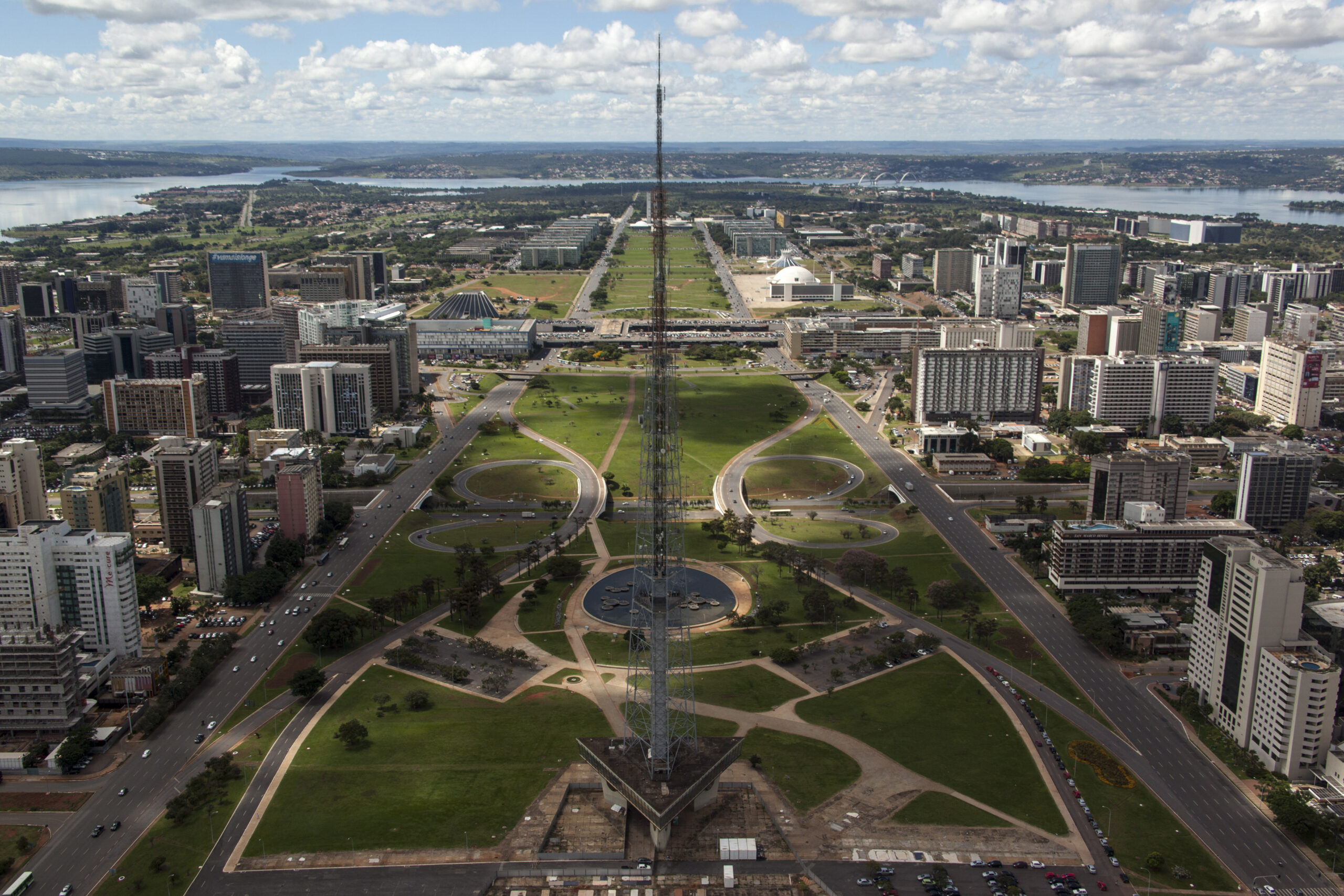
1. Brasília: A Modernist Marvel with Hidden Flaws
The Vision
Designed by urbanist Lúcio Costa and architect Oscar Niemeyer, Brasília was conceived as a progressive, orderly capital for Brazil. Its design followed four key scales:
- Monumental (grand axes and symbolic structures)
- Gregarious (civic architecture)
- Quotidian (residential zones)
- Bucolic (open green spaces)
The Reality
Despite its stunning aesthetics, Brasília faced critical issues:
- Social Segregation: Work camps turned into slums, deepening class divides.
- Car Dependency: The city was designed for cars, not pedestrians, leading to accessibility problems.
- Urban Sprawl: Unplanned settlements grew beyond the original design, exacerbating inequality.
Today, Brasília stands as a cautionary tale—a reminder that beauty and symbolism alone cannot create a functional city.
2. Le Corbusier’s Radiant City: A Machine for Living (That Never Was)
The Vision
Le Corbusier envisioned a hyper-efficient, symmetrical city inspired by the human body’s functionality. His Radiant City (Ville Radieuse) proposed:
- Vertical concrete towers in a rigid grid
- Vast open spaces for public transit
- Underground passages linking business, residential, and commercial zones
The Reality
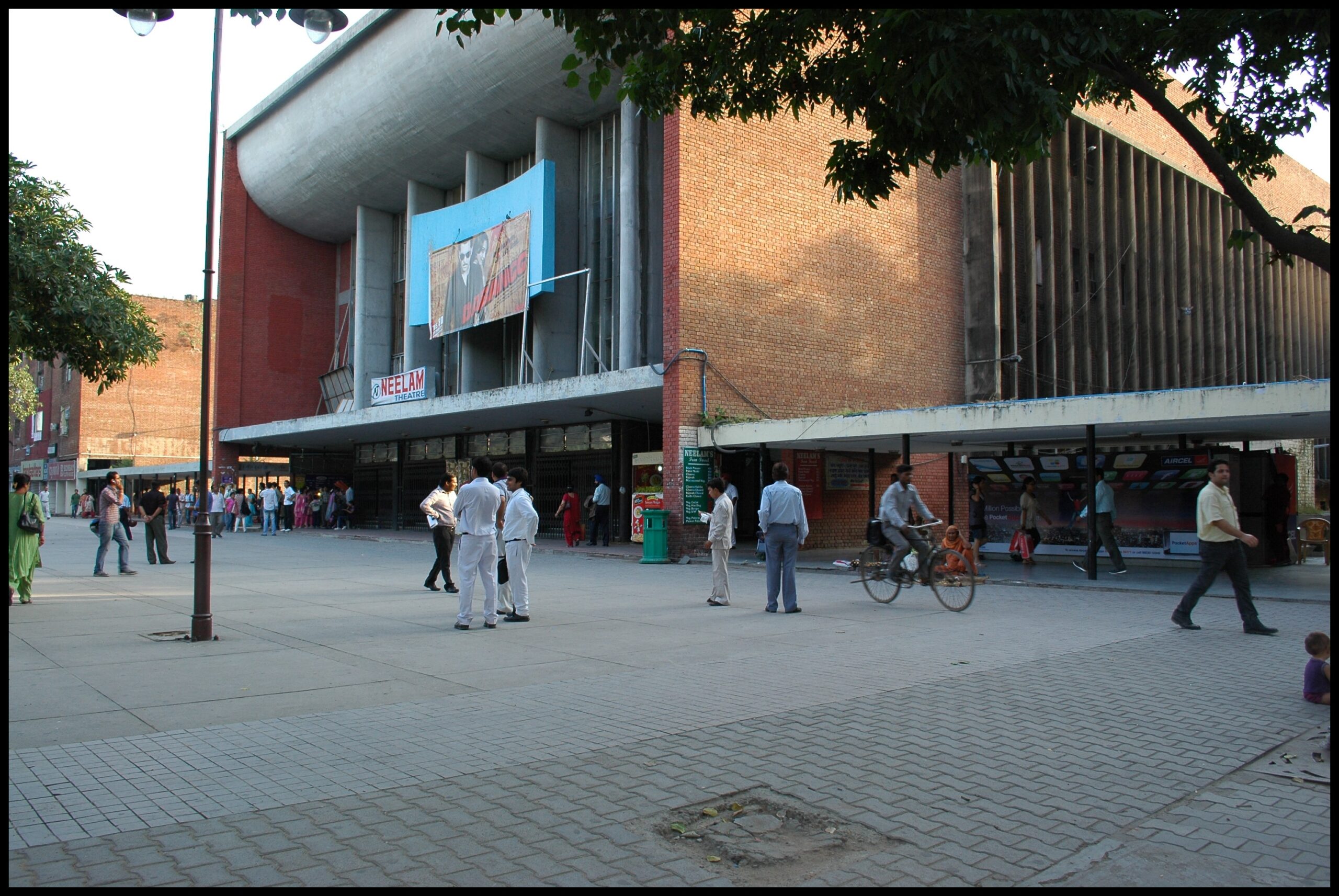
Though never fully realized, elements of Le Corbusier’s vision influenced Chandigarh, India. Yet, critics argue the city:
- Lacked cultural identity (“too European, not enough Indianness”)
- Outgrew its capacity, with green belts overtaken by informal settlements
Le Corbusier’s dream of a “machine for living” ultimately proved too rigid for organic urban growth.
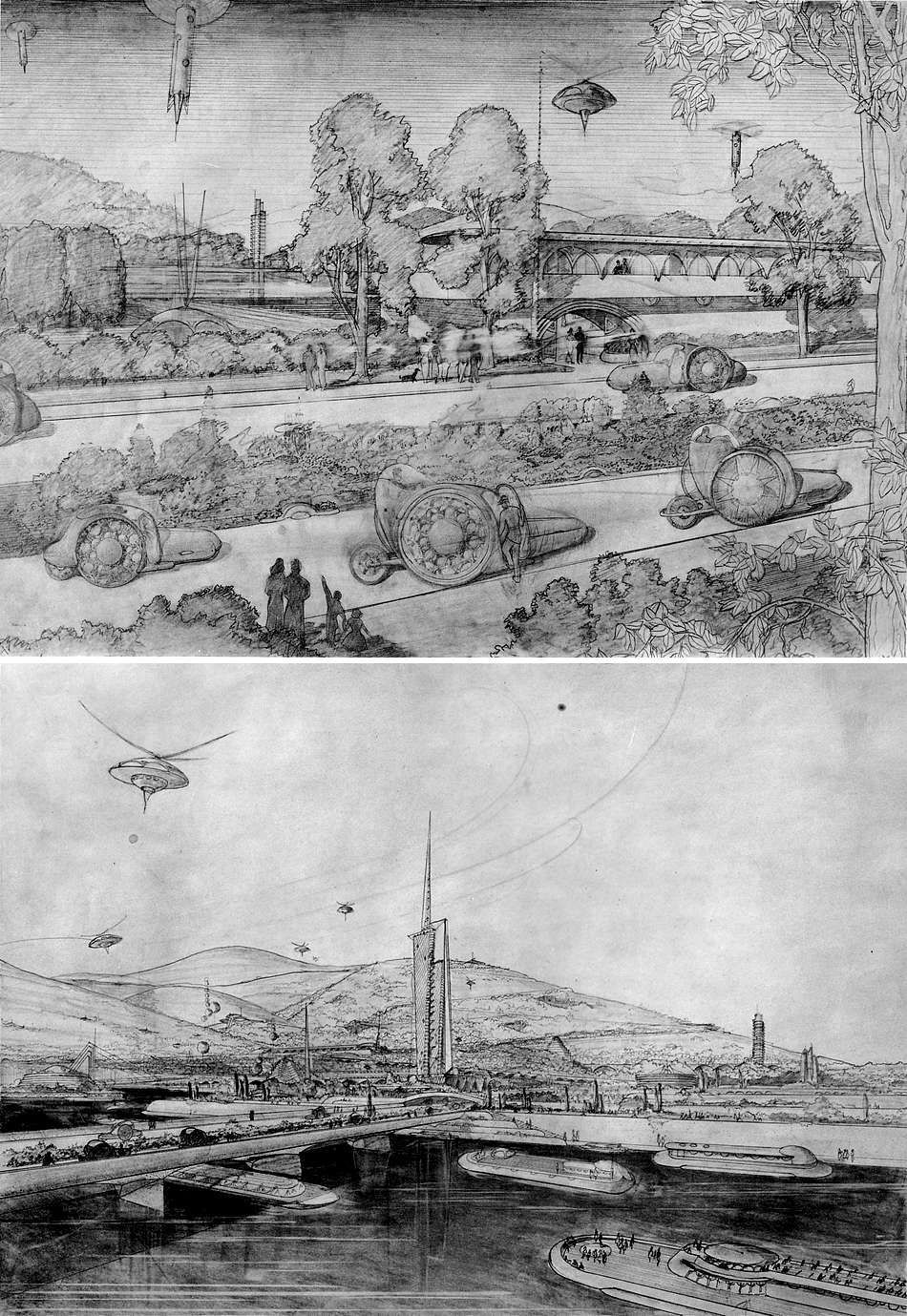
3. Frank Lloyd Wright’s Broadacre City: Democracy Gone Wild
The Vision
Frank Lloyd Wright rejected dense urbanism in favor of Broadacre City—a decentralized, democratic utopia where:
- Every family had a home, a farm, and employment
- Public ownership governed utilities and transportation
- Government was minimal, emphasizing personal freedom
The Reality
Broadacre City was never built, but its principles influenced:
- Suburban sprawl in the U.S.
- Wright’s later community projects
However, its anti-urban, car-dependent model contributed to today’s sustainability challenges.
The Decline of Utopianism: Have Architects Stopped Dreaming?
Today, architectural discourse leans toward: Incremental change over radical reinvention
Resilience and adaptability
While this shift addresses real-world constraints, it raises a crucial question:
Have We Lost the Power of Visionary Thinking?
Architecture today often prioritizes:
- Regulatory compliance
- Economic viability
- Short-term deliverables
But does this pragmatism come at the cost of innovation?
Reclaiming the Middle Ground: Balancing Dreams and Reality
The challenge for 21st-century architects is not to abandon utopian thinking but to merge it with practicality. We need:
Speculative yet grounded proposals
Community-driven designs (not top-down impositions)
Flexible urban frameworks that adapt over time
Learning from Utopia’s Failures
Architectural utopias remind us that cities are living ecosystems—not static blueprints. The best urban futures will balance:
Big ideas with practical execution
Aesthetic ambition with social equity
Technological innovation with cultural relevance
The “ideal” city may never exist, but the quest for better urban living must continue—responsibly.
Catch up on the latest projects, trends, and bold ideas in the world of “architectural” content on ArchUp.