Traditional Interior Design: Everything You Need to Know

Traditional Interior Design: Everything You Need to Know
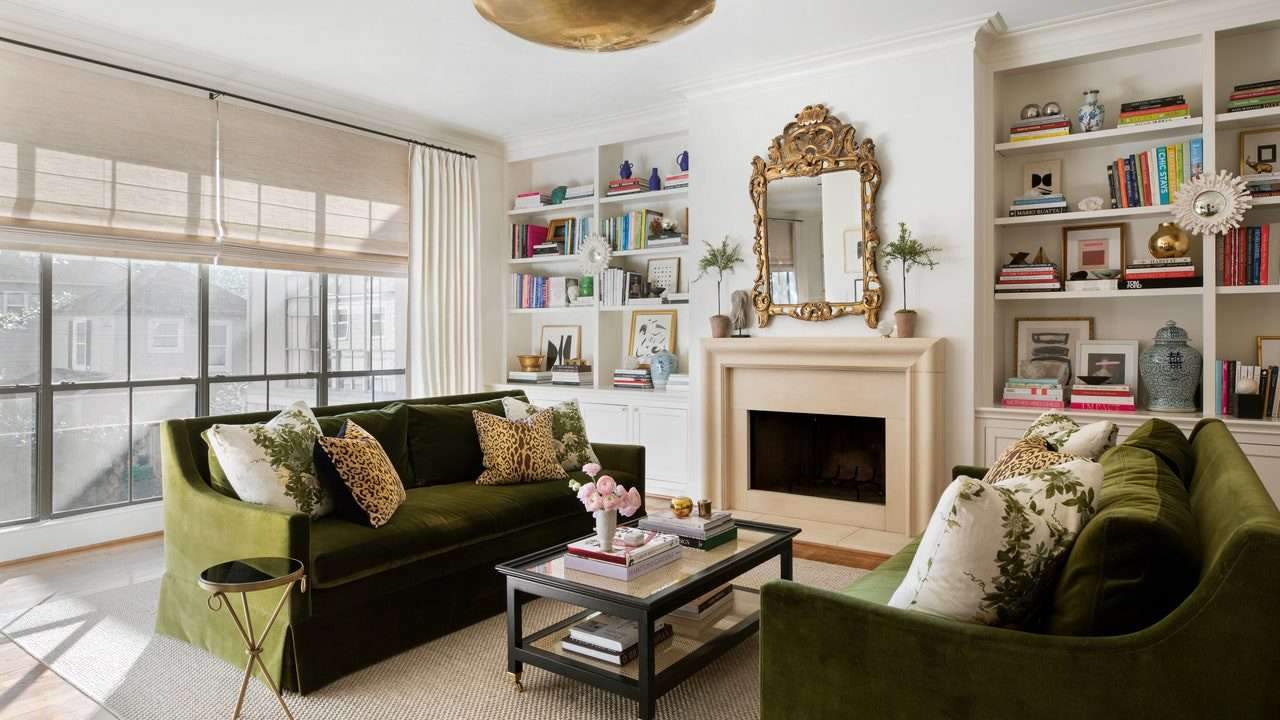
Classic, elegant, timeless…. These are only a few of the adjectives you might hear someone use to describe traditional interior design. “In keeping with its name, traditional design has its roots in tradition, or the past,” says Paloma Contreras, a Houston-based interior designer, author of Dream Design Live, and member of the AD Pro directory. If you like the sound of rooms that look like modern versions of something you might find in Versailles, traditional interior design might just be for you. To learn more about the sophisticated and refined style, AD spoke with Contreras as well as Elizabeth Ghia, a Miami-based interior designer and member of the AD Pro directory.
What is traditional interior design?
When talking about traditional interior design, most are referencing a design style that originated in the 18th and 19th century throughout Europe. However, it’s worth noting that other cultures have their own versions of a traditional style that may not look the same as this more Western version. “If you can envision Louis XVI dining chairs, an English Regency mahogany dining table, balloon shades, loads of passementerie, or Chippendale influences, any of these are part of the foundation of traditional design,” Contreras explains. “There is also a common thread of formality or appropriateness woven through traditional interiors.”
Despite its lengthy history, the decorating style isn’t dated, stuffy, or boring. Rather, it takes cues from this point in history and reinterprets them in a modern way. According to Contreras, when done correctly, a traditional home will feel polished and curated.
According to Ghia, a traditional interior can also reference something that feels timeless with no expiration date. “Traditional, to me, means collected and evolved,” she says. “Historically, people inherited furniture from their parents, and furniture and textiles were passed down from generation to generation.” This occurrence made home evolve in a way that included pieces from various eras and style. Creating a natural collection of historic and modern additions. In this way, it can be similar to transitional interiors; however, traditional ones tend to make more use of classic design.
History of traditional interior design
As noted, the look many classify as a traditional interior design style has its origins in Europe during the 18th and 19th century, particularly in England and France. During this time, people were largely inspired by the art and culture of classical antiquity, which isn’t all that different from today. While we often describe design from this era as neoclassical, according to Encyclopaedia Britannica. It was known as the Empire style in France and, in England, as Regency. “The usual vocabulary of classical ornament is to be found in both Empire and Regency. With some modifications from earlier times,” the encyclopedia reads.
Architecture and interiors honored the age-old study of symmetry, curves in furniture started to disappear, and ornamentation became less dramatic. Decor objects also started to change: Cream-colored earthenware began to replace ceramics. And Greek vase shapes came into vogue, per the encyclopedia. “Historically, the color palette would have been comprised of rich colors and rich dark wood finishes,” Contreras adds.
What is the traditional way of designing?
Today, traditional interiors reference motifs from this era with a similar emphasis on polished, curated interiors. However, Ghia says it can also be interpreted a bit more loosely. “Nowadays, I think the word ‘traditional’ is broad and, to me, can mean anything over 50 years old,” she says. “Newer items, that is things that are 30–40 years old, we just tend to classify as ‘vintage.’”
Finally, read more on Archup: