Traditional Mud Houses in the Maghreb: The Art and Function of Clay Architecture

Overview
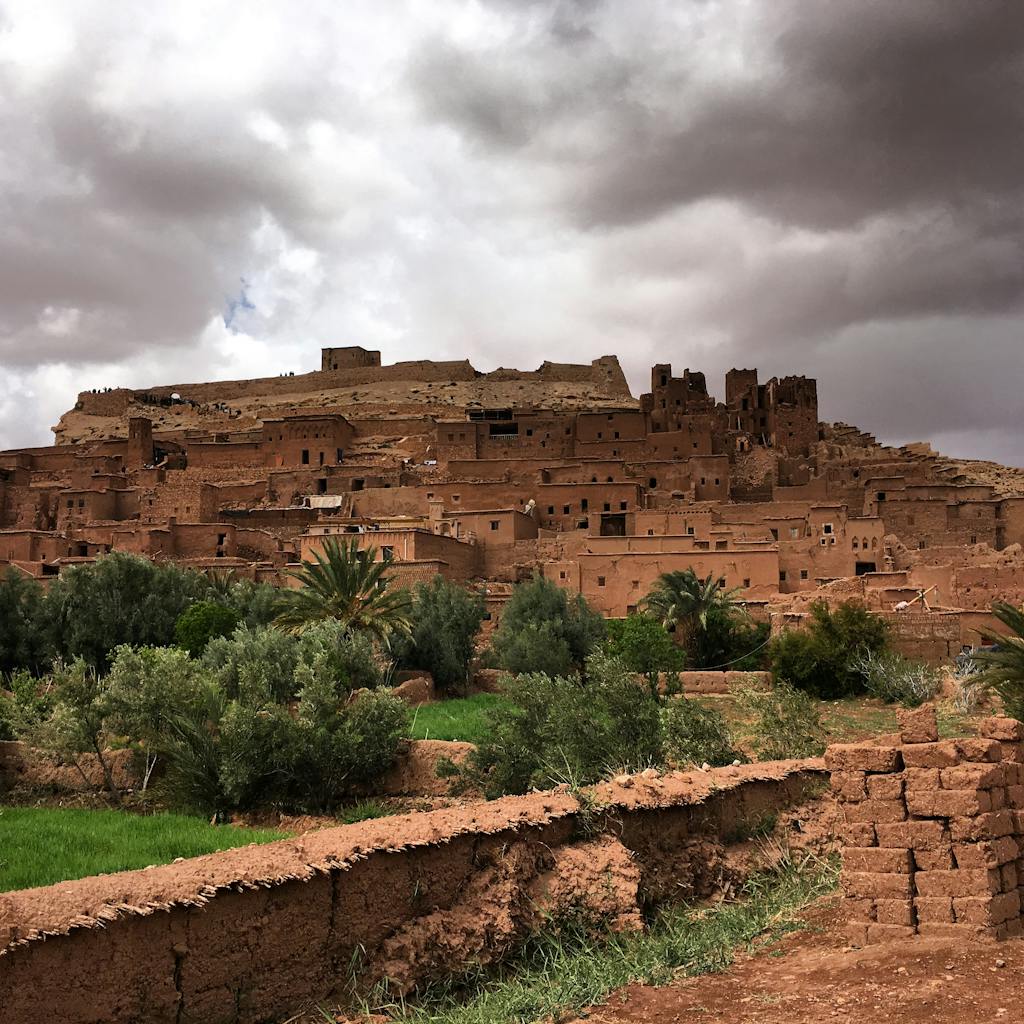
Across the Maghreb region, traditional mud houses stand as timeless symbols of ingenious vernacular architecture, blending practicality with aesthetic charm. These homes, crafted primarily from clay and local materials, were designed to adapt seamlessly to harsh climates, offering cool interiors during scorching summers and warmth in winter. Beyond shelter, they reflect centuries of communal life, environmental wisdom, and cultural heritage.

Architectural Significance
The design of mud houses demonstrates a sophisticated understanding of natural resources and spatial organization. Thick earthen walls regulate indoor temperature naturally, while strategic placement of windows and ventilation shafts ensures airflow and light without modern energy systems. Roofs and domes often incorporate geometric patterns that distribute structural load evenly, showcasing the skillful balance between functionality and artistry.
Courtyards serve as multifunctional spaces, fostering social interaction, family activities, and microclimate control. Each dwelling is uniquely tailored to its environment, making mud architecture a model of sustainable and resilient building practices.

Cultural and Symbolic Meaning
These homes carry deep cultural narratives. Decorative motifs, carved doors, and patterned facades tell stories of local traditions, tribal identity, and artistic expression. The clay itself connects inhabitants to the land, creating a profound sense of place and belonging. For many communities, the house is more than a shelter — it is a living canvas of heritage and continuity.
Preservation and Modern Inspiration
Today, traditional mud houses inspire architects and urban planners seeking eco-friendly and climate-responsive designs. Their passive cooling techniques, resource-efficient materials, and communal planning principles inform modern sustainable architecture worldwide. Preservation efforts across Morocco, Algeria, and Tunisia aim to maintain these structures as cultural and educational landmarks, ensuring future generations witness the blend of art, functionality, and ecological wisdom embedded in clay walls.

✦ ArchUp Editorial Insight
Traditional mud houses in the Maghreb embody a poetic union of art, function, and environmental wisdom. Their thick clay walls and geometric designs demonstrate how architecture once harmonized human needs with nature’s constraints. By transforming simple materials into resilient, sustainable dwellings, these homes inspire modern architects to reconsider eco-conscious design, where beauty, utility, and cultural meaning coexist seamlessly.
Aggregation Links
To appreciate this living heritage, delve into traditional architectural methods in the Architecture section, and view more Projects concerning restoration within Research, or explore the properties of earthen [https://www.google.com/search?q=Building Materials](https://www.google.com/search?q=Building Materials) used in Building.