Villa Medici in Rome Where Heritage Meets Modern Creativity

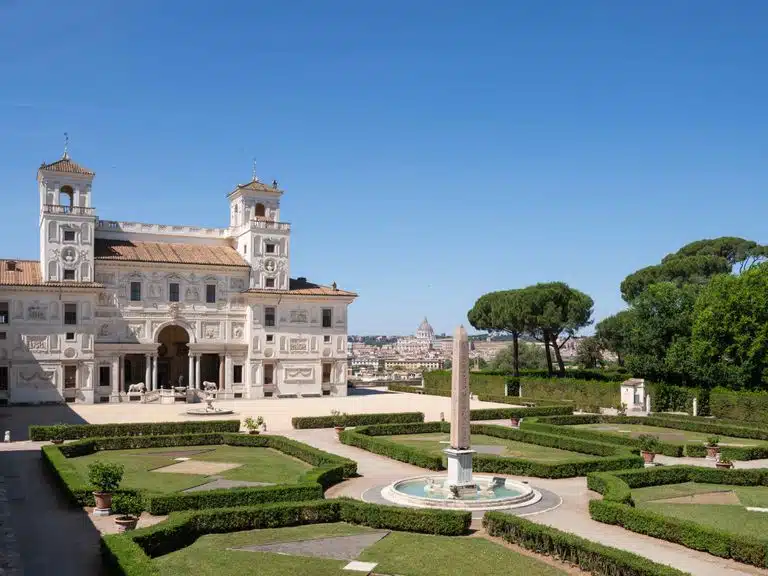
At the heart of Rome, perched high on the Pincio hill, stands Villa Medici , one of the most iconic examples of Renaissance architecture. Surprisingly, this historic gem doesn’t belong to Italy it’s owned by France. Since 1803, when Napoleon Bonaparte acquired it and turned it into the home of the French Academy in Rome, the villa has hosted generations of French artists, from Ingres and Fragonard to Debussy.
But today, Villa Medici offers more than just a cultural legacy it invites visitors to experience its magic firsthand. Since 2009, the public has been able to stay overnight in its guest rooms, and after a recent renovation of six of them, these spaces have become some of the most unique accommodation options in the Eternal City.
A New Chapter: Bringing History Into the Present
In 2020, Sam Stourdzé took over as director of the villa and launched an ambitious project to refresh its interiors. His vision was clear: not just a cosmetic update, but a full reimagining that would reflect both the heritage of the place and the creativity of contemporary design.
As he puts it:
The building is beautiful, but when people came to visit, they’d go straight to the window and look at the view. We wanted the rooms themselves to be just as captivating.
To make this happen, an open competition was launched, inviting architects and designers to reimagine the space. The result? Thirty-eight craftspeople from glassmakers and cabinetmakers to decorative painters and enamel specialists came together to transform each room into a unique artistic expression.

Each Room Tells Its Own Story
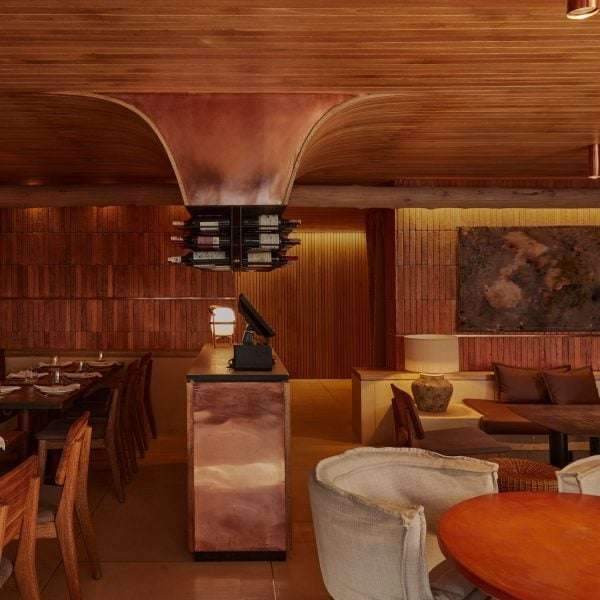
Though all the rooms are roughly the same size (around 45 square meters), each one is now completely different in style and atmosphere. Here’s a quick look at some of the standout designs:
| Room Name | Designer(s) | Key Features |
|---|---|---|
| Isola | Sabourin Costes | An open-plan space with no spiral staircase or barriers, centered around a large wooden table perfect for writing, drawing, or sharing ideas |
| Stratus Surprisus | Constance Guisset Studio | Walls coated in a mix of marble powder and plaster in soft blues and browns, complemented by glowing glass stones that add a playful touch |
| Il cielo in una stanza | Studio Zanellato/Bortotto | Inspired by Rome itself, with green copper panels behind the staircase echoing the surrounding pine trees, and patterns recalling ancient Roman masonry |
| Camera Fantasia | Studio GGSV | Swirling black-and-white textures on the walls mimic stone, while dreamy cloud-like motifs bring a surreal, immersive feel |
| Pars Pro Toto | Eliane Le Roux & Miza Mucciarelli | Velvet-textured walls made from traditional “Malta Antica” mortar and a vintage chest of drawers with missing knobs replaced by bronze-cast stones from the property |
| Studiolo | Léa Padovani & Sébastien Kieffer | Designed like a painter’s studio, inspired by Antonello da Massina’sSaint Jerome in His Study, with vivid green kitchen walls and arched cutouts reminiscent of church organs |

A Stay Like No Other
Overnight stays start at €280 per night , which might seem surprisingly affordable given the location and exclusivity. But booking a room isn’t easy priority is usually given to cultural partners of the Villa. If you’re planning ahead, contact the academy two months in advance, or try your luck during August when exhibitions and events tend to slow down.
This isn’t a typical hotel experience there’s no reception desk, no room service, and definitely no elevator. But what you do get is something rare: a quiet evening alone in the lush gardens, a bottle of Barolo in hand, with the entire city of Rome stretched out beneath you.

The Gardens: A World of Their Own
Beyond the rooms, the villa’s vast grounds are equally enchanting. Recently, the Lemon Garden was redesigned by Bas Smets in collaboration with Pierre Antoine Gatier. Featuring custom designed furniture called “Cosimo de’ Medici ” by Muller Van Severen, the garden blends history with modern elegance.


Looking Ahead
This latest renovation marks the second phase of a planned three-stage transformation. With every step, Villa Medici continues to evolve not just as a historical monument, but as a living space for art, creativity, and unforgettable experiences.


✦ ArchUp Editorial Insight
This article explores the transformation of Villa Medici’s guest rooms into immersive design experiences that blend historical context with contemporary creativity. The visuals highlight a curated mix of materials, colors, and spatial arrangements that reflect both Italian craftsmanship and French artistic identity. While the narrative successfully captures the poetic atmosphere of the renovation, it lacks deeper analysis on sustainability, accessibility, or long-term cultural impact elements increasingly vital in modern heritage projects. Still, the integration of artisanal techniques within a historic setting offers valuable insight into evolving strategies for adaptive reuse in architectural storytelling.
ArchUp: A Live Chronicle of the Arab and Global Architectural Scene
Since its launch, ArchUp has aimed to build an open knowledge archive covering everything related to architecture, design, and urbanism in the Arab world and beyond. We strive to provide neutral, encyclopedic content written in a professional tone, aimed at every architect, researcher, student, or decision-maker.
The content is managed by a dedicated editorial team that ensures daily review and updates of news, articles, and design data. We invite you to reach out via our Contact Us page to contribute, suggest, or collaborate in expanding the architectural knowledge network we are building together.