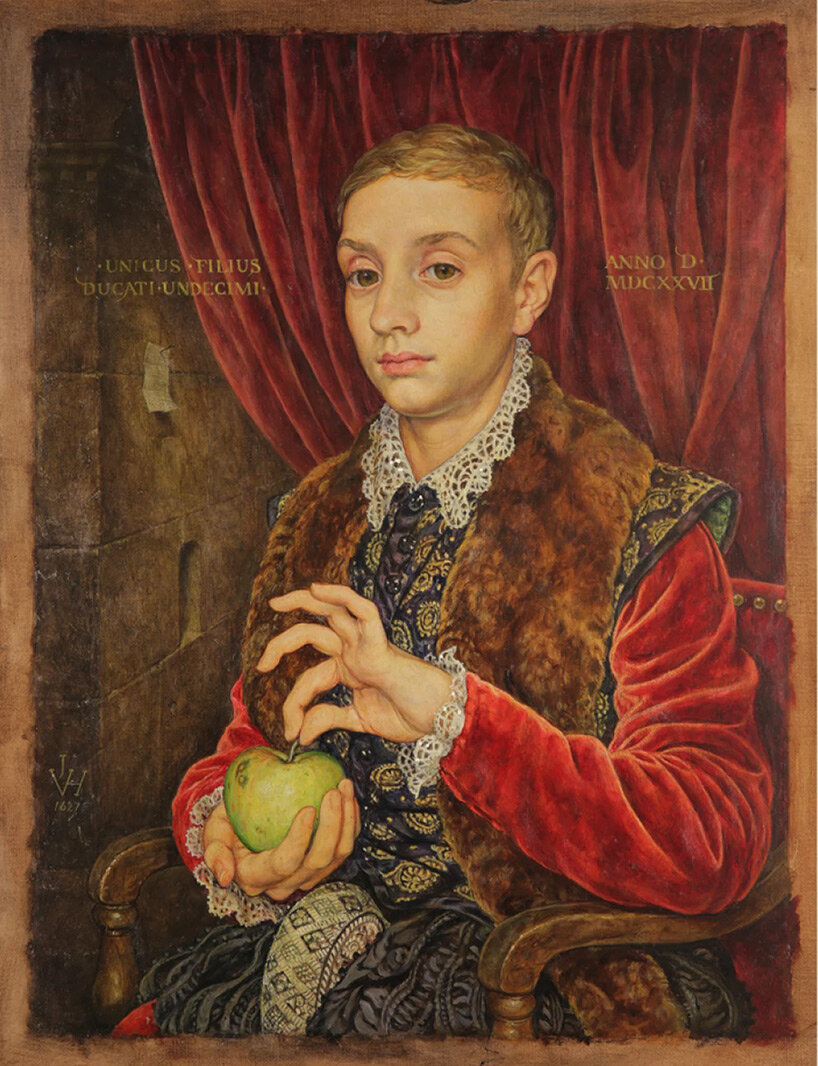
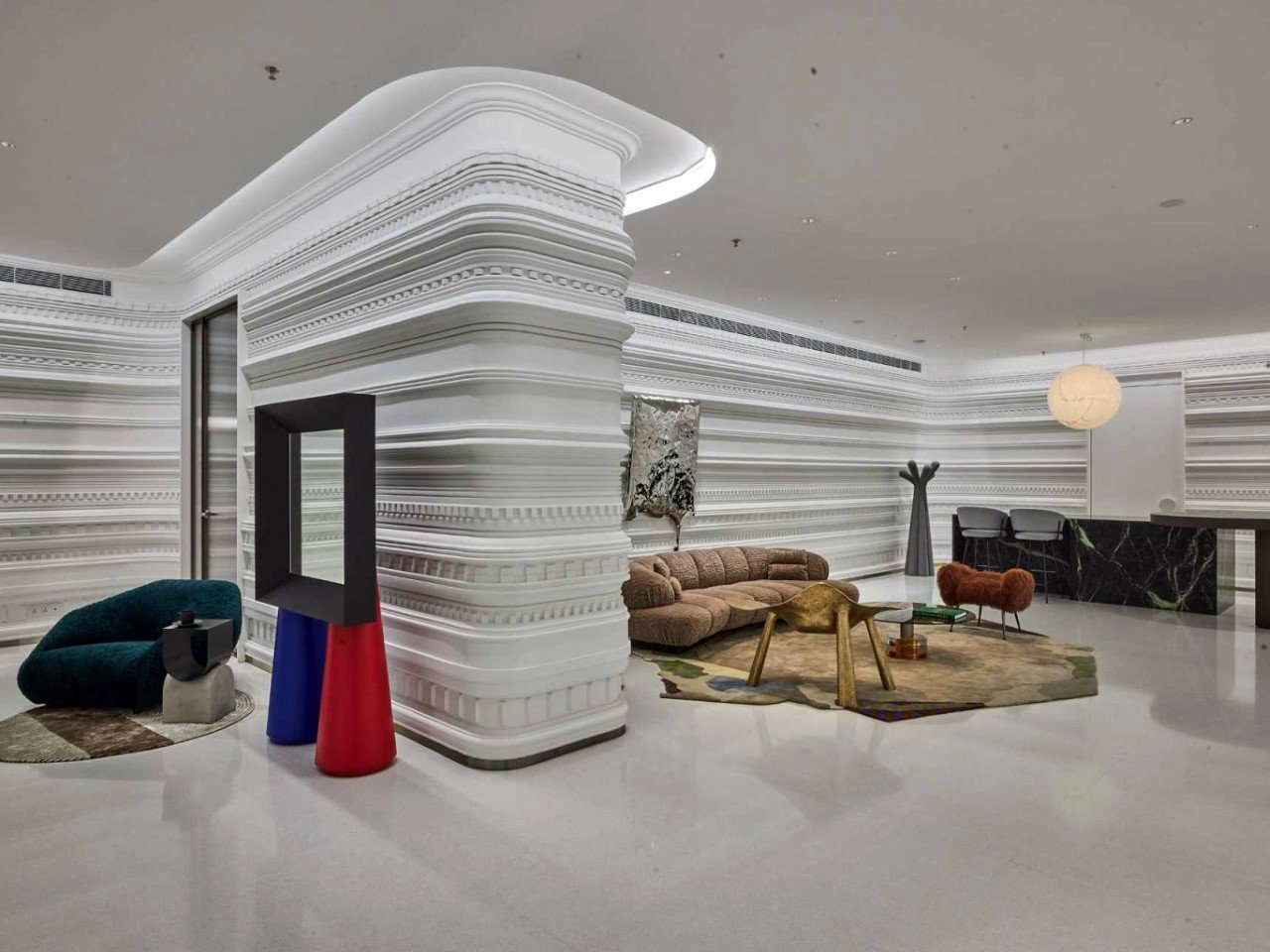
Inside Wes Anderson’s World: London Exhibition Reveals the Secrets of Craft and Cinematic Imagination

A Cinematic Glimpse into the Mind of Wes Anderson
The Design Museum in London presents a unique exhibition that offers visitors a rare opportunity to dive into the visual and inner world of the renowned filmmaker, Wes Anderson. Based on Anderson’s personal archives, the exhibition provides an in-depth view of his thoughts and artistic evolution. It spans from his early days as a student filmmaker to his current status as one of the leading creators in visual cinema.
Architecture as a Visual Narrative
Wes Anderson is known for his meticulous attention to detail. In his films, architecture, costumes, and colors become narrative elements in their own right. Through this exhibition, this vision is brought to life with displays of miniature architectural models (Maquettes), Polaroid photographs, storyboards, and annotated scripts. These elements reveal how scenes are composed and structured.
Film Environments: The Background and the Protagonist Together
Anderson’s cinematic environments are not just a backdrop for events but play a dramatic role in themselves. The exhibition reveals how these environments are carefully designed like the work of a painter or set designer. Scenes are built with high aesthetic sensitivity, employing every visual element to serve the story.
From Facade to World: A Visual Analysis of Wes Anderson’s Universes
Symbolism of Facades and the Construction of Nostalgia
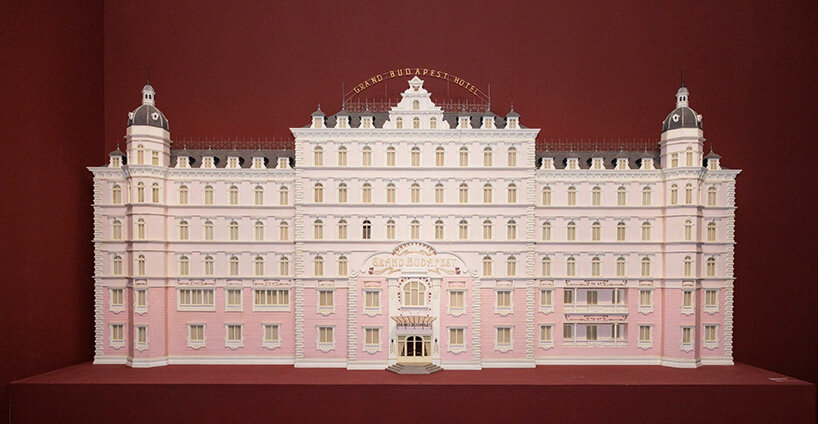
In the archive of architectural models displayed at the Design Museum in London, a pink-colored facade, famous from the film The Grand Budapest Hotel, stands out. This facade is not merely a decorative element but represents a visual style that expresses Wes Anderson’s unique approach. Here, precise symmetry intersects with nostalgia and does so not merely as a feeling but as an active component in shaping the film’s narrative.
Vending Machines: Disguised Narrative Elements
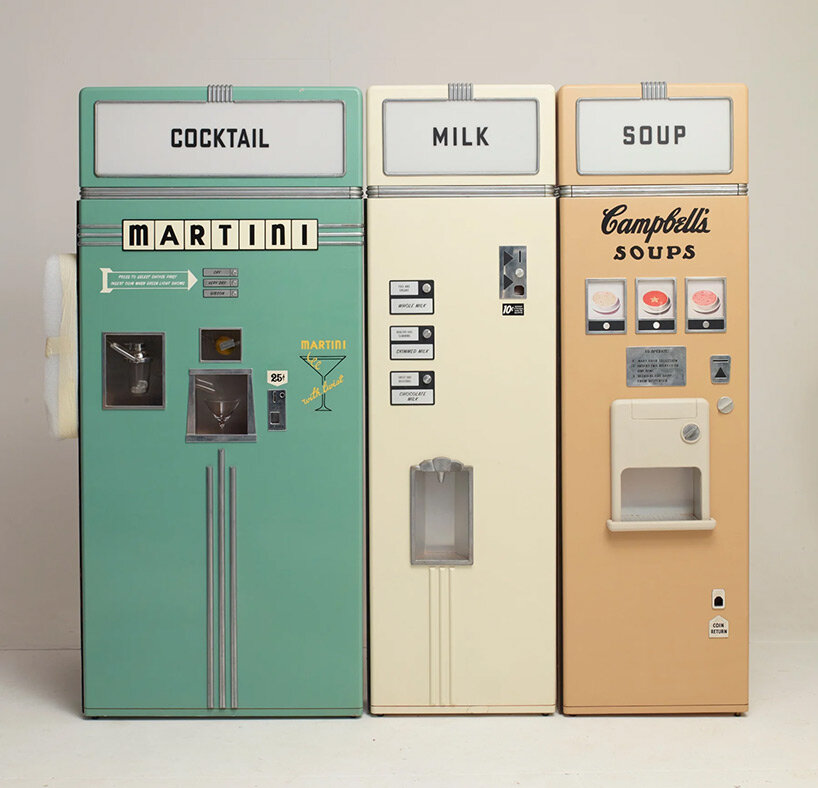
In another example from his works, vending machines featured in Asteroid City make an appearance. Despite their apparent simplicity, they serve an indirect narrative role. They act as visual markers in the film’s desert landscape, reflecting Anderson’s tendency to imbue physical elements with meanings beyond their functional use.
Space as a Narrative Tool
Through these architectural models and visual elements, Anderson’s commitment to the idea that place creates the story becomes clear. Every corner, color, or piece of furniture is not there by accident. Rather, each contributes to the creation of a cohesive world that resonates with the overall mood of the film.
The Small Details: Anderson’s Unspoken Language
Costumes and Puppets as Means of Expression
Moving on to other elements in the exhibition, we see displays of costumes and puppets from various films. For example, the corduroy suit worn by Mr. Fox in Fantastic Mr. Fox, or the handmade sea creatures from The Life Aquatic with Steve Zissou. These items are not mere ornaments; they are silent forms of expression used to convey emotions and characters without the need for dialogue.
Raw Materials and Their Role in Worldbuilding
In addition to the costumes, several tools used in preparing these cinematic worlds are also displayed. Items like sketchbooks, model paints, and hand-sewn fabrics are included. Through these materials, visitors can trace how craftsmanship played a pivotal role in giving Anderson’s films their distinct character, blending simplicity and ingenuity.
The Chronological Evolution of Wes Anderson’s Cinematic World
Characters as Seen Through Fashion: A Deep Reading
Upon entering the Wes Anderson exhibition at the Design Museum in London, visitors will encounter a collection of costumes that have become iconic visual symbols tied to his famous characters. For example:
- The Fendi coat worn by Margot Tenenbaum
- The Scoutmaster Ward shorts from Moonrise Kingdom
- Madame D.’s theatrical cloak in The Grand Budapest Hotel
These costumes not only serve to identify the characters but also represent a visual analysis of the character’s structure. Each piece, with its stitching and handcrafted details, reveals how Anderson relies on craftsmanship to convey a character’s emotions and internal style within his carefully structured design.
From “Rocket Bottle” to “The Wonderful Story of Henry Sugar”
A Journey Through Evolving Visuals
The exhibition follows a near-accurate chronological sequence. It starts with Anderson’s first short film, Rocket Bottle (1993), and culminates in his latest work, the adaptation of Roald Dahl’s The Wonderful Story of Henry Sugar. This timeline not only showcases the evolution of his ideas but also allows for tracking his technical and aesthetic transformations.
Visual Composition as a Mark of Artistic Development
At each chronological stop, the evolution of Anderson’s use of space and framing becomes evident. His approach has grown more expansive and visually organized, yet retains its emotional impact. This delicate balance between form and content is what makes his work unique. Organization does not overshadow emotion but enhances it.
Analog Techniques and Visual Identity: Anderson’s Tools Behind the Scenes
Between Models and Puppets: A Belief in Craftsmanship
The Design Museum exhibition in London showcases Wes Anderson’s deep commitment to traditional techniques, most notably Stop Motion. Visitors not only see the final versions of characters and sets used in films like Fantastic Mr. Fox and Isle of Dogs, but also explore prototypes, moving limbs, and the iterative trials these characters underwent during development. This approach reveals the repetitive and patient nature of craftsmanship. It underscores Anderson’s preference for handmade touches over digital sheen, maintaining a delicate balance between authenticity and technique.
Drawings as a Narrative Tool: From Board to Screen
Visual Conception Begins with a Pencil
Also featured in the exhibition are the storyboards and sketchbooks used by Anderson, demonstrating how drawing plays a fundamental role in scene design. His storyboards do not merely define camera placements but also include:
- Color selection
- Furniture distribution within the frame
- Viewing angles and lines of sight
Each drawn element contributes to the creation of a carefully crafted visual experience, blending cinema with architectural design in a scene that seems more like a “spatial dance.”
The Archive as a Conscious Choice
Preservation as Part of the Creative Process
Unlike cinematic exhibitions often organized after a director’s career has ended, the London exhibition stands out for presenting materials meticulously preserved by the director himself. Anderson’s archive was not a result of later collection but an integral part of his artistic journey. Every element—from a pencil sketch to a pink elevator door—is treated as worthy of preservation and documentation.
Johanna Agerman Ross, the museum’s chief curator, commented that it is rare to find a director who treats the details of his work with such appreciation and care. This exhibition is a living documentation of a comprehensive creative process.