When Buildings Compete Architectural Noise in the Modern City

While driving through a newly developed city on the outskirts of the capital, I felt like I had entered an orchestra without a conductor. Every building seemed to play its own tune, loud and disconnected. Glass facades collided with loud color palettes, and gravity-defying shapes tried to outshine one another. I wasn’t inspired—I was overwhelmed. That was the moment I truly understood what architectural noise means.

What Is Architectural Noise?
Architectural noise isn’t just a metaphor. It’s a real visual condition where cities are developed without coordination or coherent design language. The result is a chaotic landscape of buildings that speak over one another—each in a different dialect of form, material, and scale.
Where Does This Visual Chaos Come From?
In new urban developments, speed often takes priority over strategy. Developers race to finish iconic projects without a shared vision, turning ambition into visual clutter.
| Cause | Impact on the Urban Fabric |
|---|---|
| Lack of unified design codes | Developers work in isolation, leading to visual dissonance. |
| Obsession with uniqueness | Each building seeks attention, not harmony. |
| Copy-pasted global designs | Imported styles ignore local climate or cultural context. |
| Form over function | Eye-catching facades, but poor usability and integration. |

Why It Matters: Real Effects of Architectural Noise
This isn’t just about aesthetics—it affects how we live, feel, and connect with our surroundings.
- Loss of identity
When architecture fails to reflect its place, people feel alienated. - Visual fatigue and stress
Clashing colors, exaggerated forms, and disjointed details overload the senses. - Weakened human connection to space
The city becomes a place to pass through—not a space to inhabit or cherish.
Can We Silence the Noise?
It’s not about suppressing creativity, but about guiding it through thoughtful urban planning.
| Solution | Purpose |
|---|---|
| Comprehensive urban design codes | Balance between individuality and cohesion. |
| Pre-construction design reviews | Filter out designs that don’t fit the urban narrative. |
| Invest in visual identity | Encourage architectural language that speaks to the city. |
| Promote architectural quietness | Simplicity and balance over spectacle and excess. |

Learning from Cities That Got It Right
Some cities have chosen restraint over showmanship, and the results are more livable and visually coherent.
| City | What They Did Right |
|---|---|
| Copenhagen | Enforced height limits and protected its calm Nordic character. |
| Barcelona | Organized its urban sprawl through a cohesive superblock system. |
| Singapore | Mandated strict design reviews focused on environment and fit. |
Sometimes, the Best Architecture Says Less
Not every building needs to shout. The most successful cities are not filled with competing icons but with places that speak in harmony. Great architecture doesn’t demand attention—it earns it, quietly.
✦ ArchUp Editorial Insight
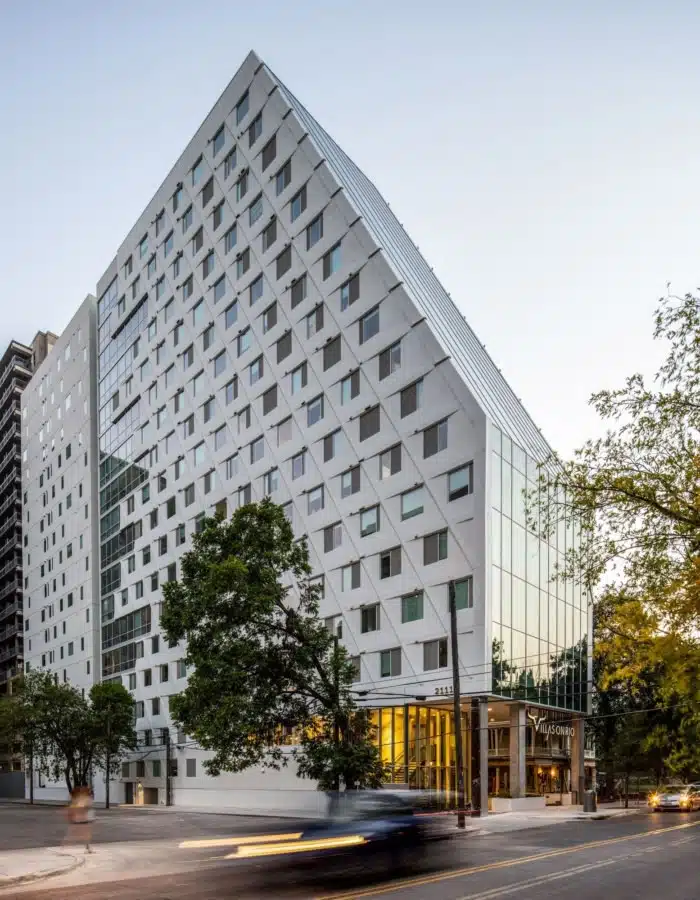
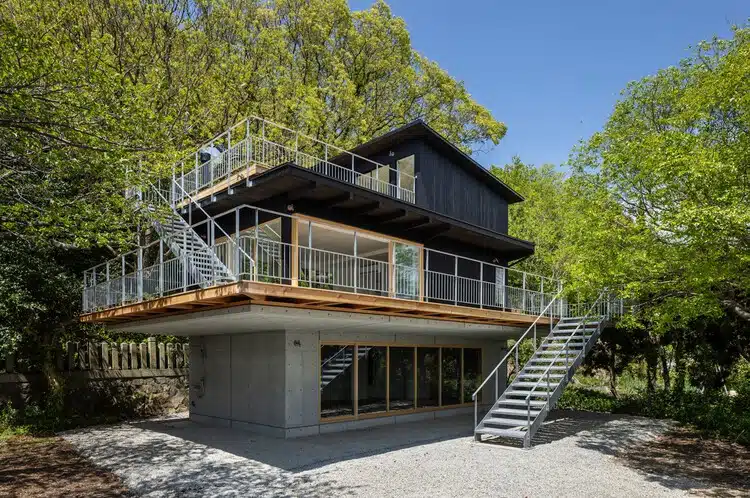
This article explores architectural noise as a growing visual phenomenon in newly built cities. The accompanying visuals portray spatial tension through clashing façades and form-driven geometries that lack contextual harmony. While the article sharply captures this discord, it refrains from deeper inquiry into urban planning frameworks that enable such outcomes. Could a more systemic lens have enriched the critique beyond the aesthetic layer? Still, the text succeeds in introducing the notion of “architectural quietness” as a thoughtful invitation to reassess how built environments shape human experience.
Explore the Latest Architecture Exhibitions & Conferences
ArchUp offers daily updates on top global architectural exhibitions, design conferences, and professional art and design forums.
Follow key architecture competitions, check official results, and stay informed through the latest architectural news worldwide.
ArchUp is your encyclopedic hub for discovering events and design-driven opportunities across the globe.