3D Coral Reefs in Miami: Where Technology Meets Nature to Combat Climate Change

Climate Change: An Inescapable Reality
Despite abundant scientific evidence and daily observations, some people still doubt the existence of climate change. However, reality tells a different story. Interestingly, developments like 3D coral reefs for climate change adaptation are being explored to counteract these effects. The effects of climate change on the environment have become evident over recent decades. This ranges from unusual weather phenomena to the destruction of coral reefs and fragile coastlines.
These climatic shifts have had direct impacts on people’s lives. They are especially affected in areas near water bodies where natural disasters increasingly threaten their livelihoods and security.
Miami’s Response: An Alternative Technical Solution
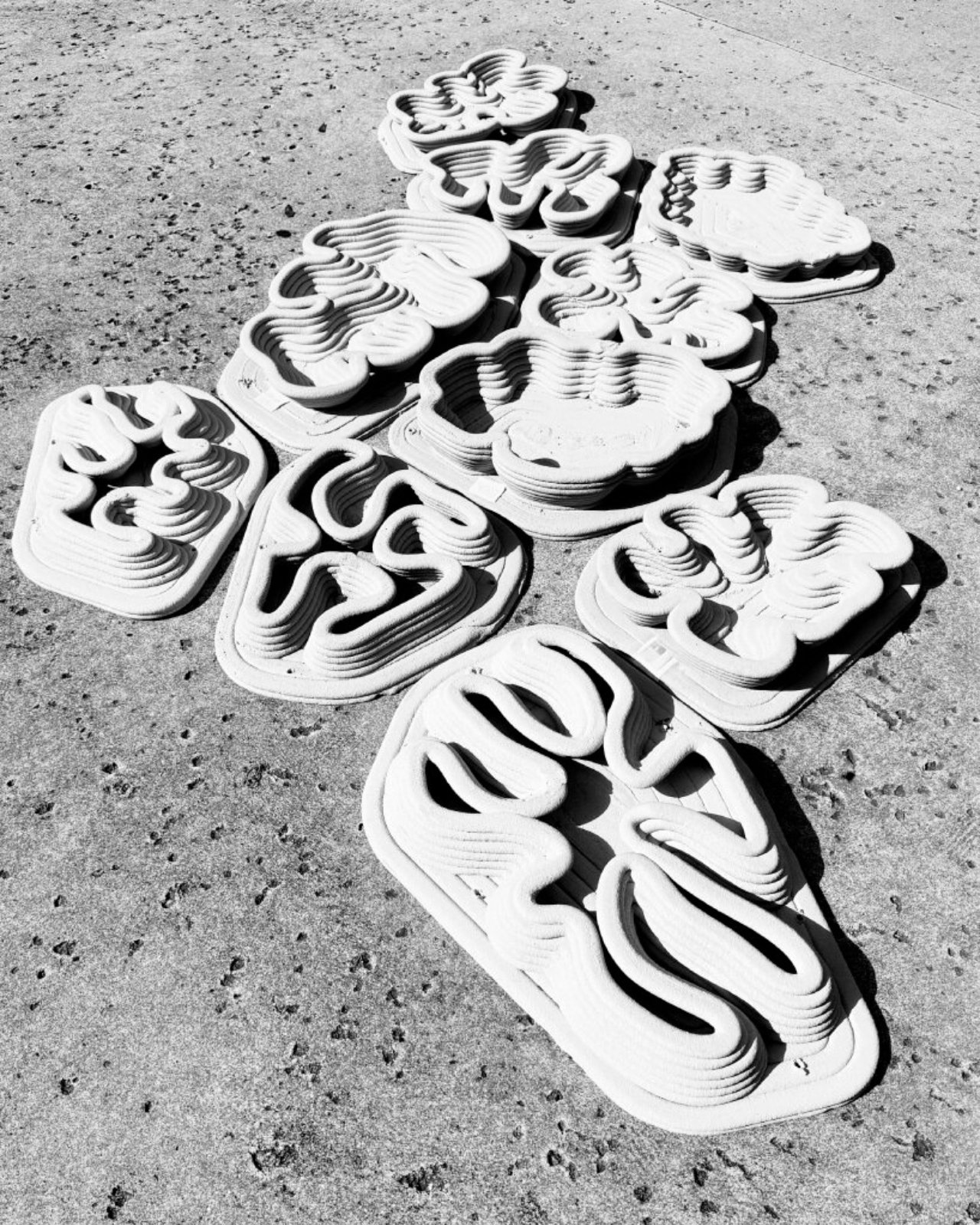
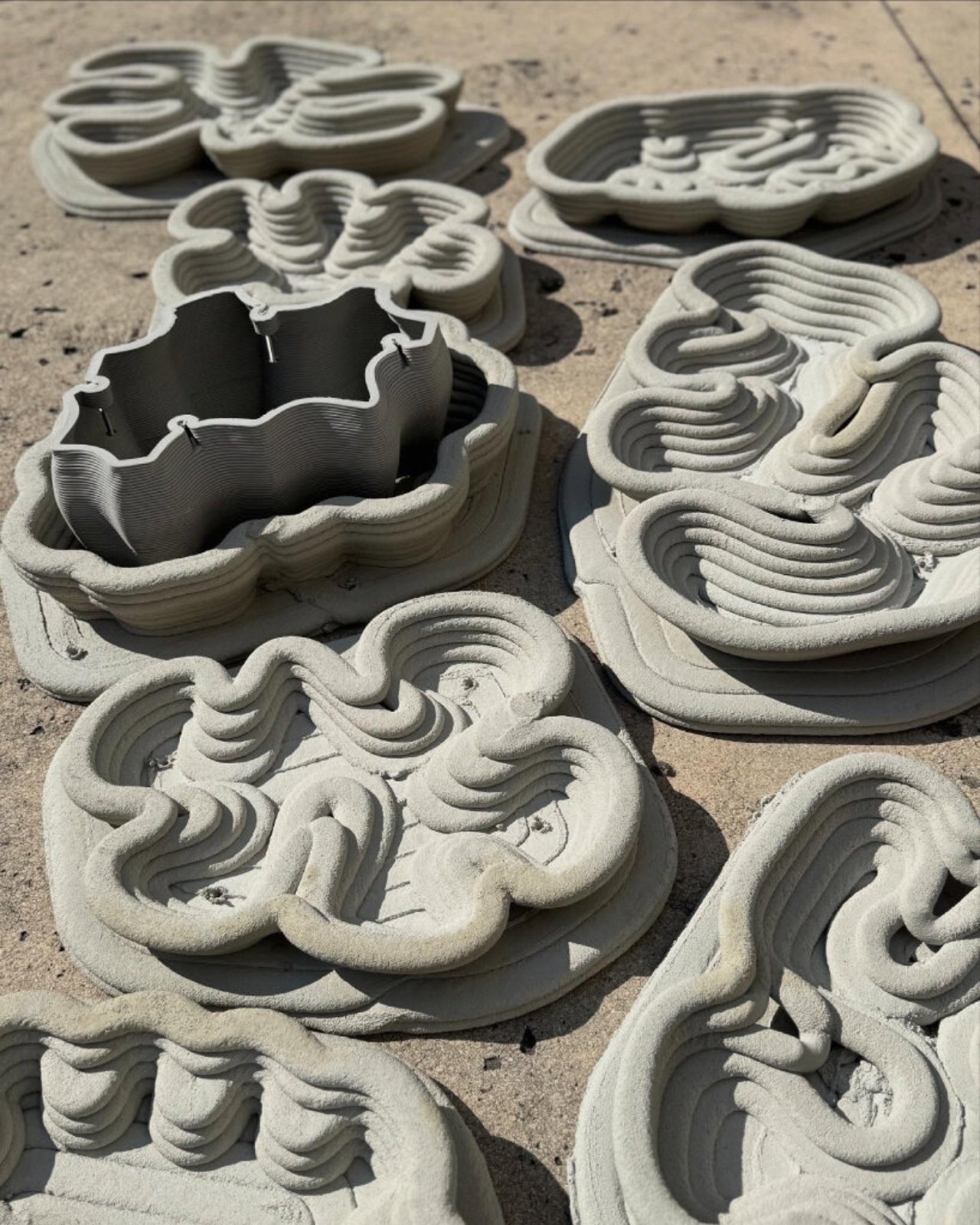
In attempts to adapt to these challenges, the city of Miami has chosen an unconventional path. It now employs 3D-printed coral reefs as a means to protect its coastlines. These reefs serve an environmental purpose and function defensively, acting as natural barriers that reduce the impact of waves and marine storms.
The BIOCAP Project: An Effort to Protect the Marine Ecosystem
This approach is known as the BIOCAP project. It reflects growing awareness that natural coral reefs face a real threat due to rising ocean temperatures and increased acidity. This leads to what is known as “coral bleaching,” a gradual degradation of the marine ecosystem.
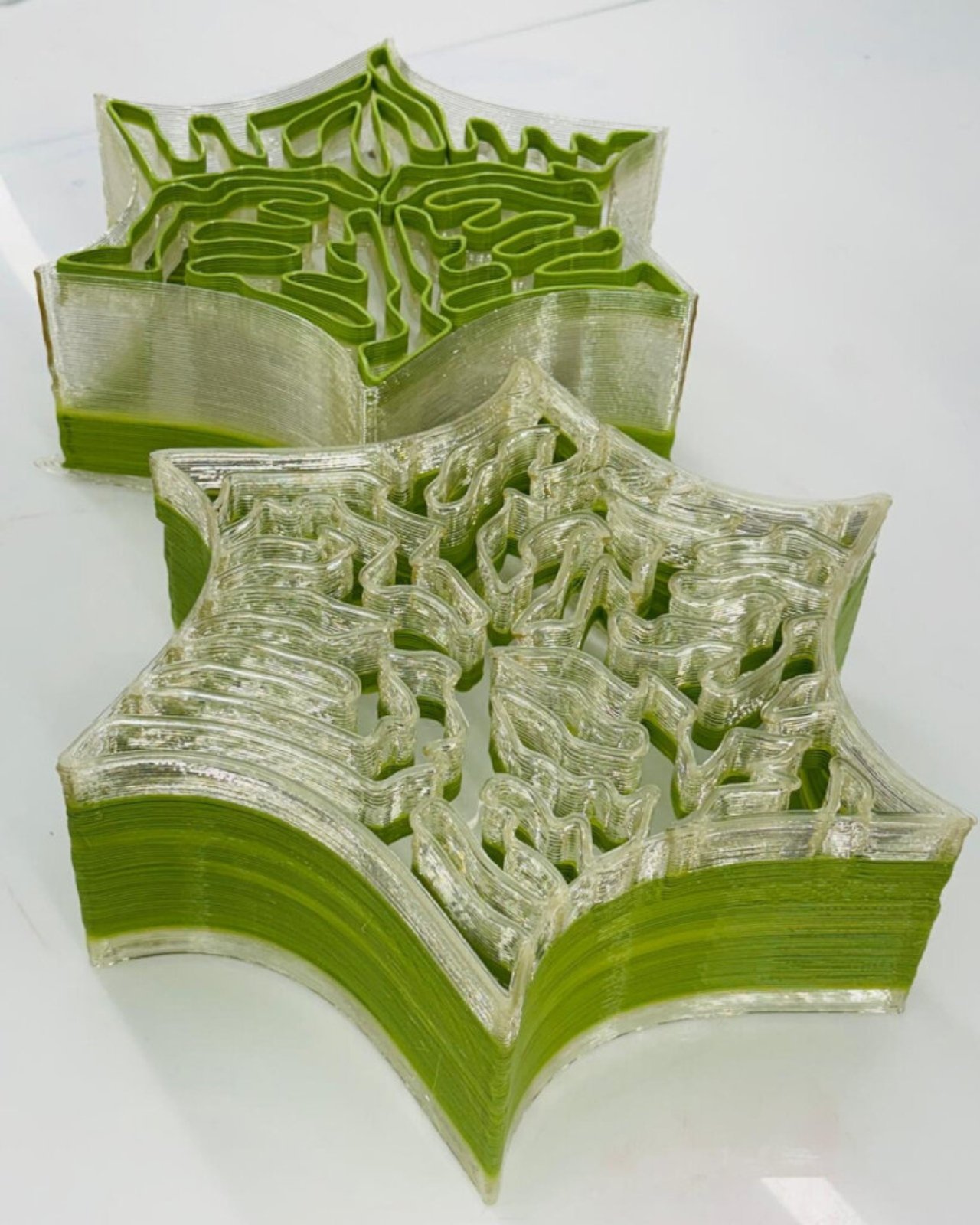
Accordingly, a research team from Florida International University (FIU), led by Sara Bazshak and Shahin Vaseeg, is working on designing precise three-dimensional structures. These structures mimic the natural formations of coral reefs, hoping to contribute to supporting marine life and stabilising the coastal environment.

Smart Environmental Design Serving Marine Biodiversity and Coastal Protection
These artificial coral reefs rely on environmentally friendly materials and have been carefully designed. They include angles and cavities that meet the needs of various marine organisms. Such intricate details provide hiding places, feeding opportunities, and breeding grounds. This makes them an attractive habitat for a diverse range of creatures, such as fish and invertebrates.
In addition to their role in supporting marine biodiversity, these reefs effectively contribute to reducing coastal erosion. Their complex structure disperses wave energy, thereby decreasing the force of waves hitting the shore. This protective effect is particularly important in low-lying areas like the city of Miami. The city faces increasing threats from rising sea levels and more frequent severe storms.

Scientific and Technological Collaboration for Sustainable Solutions
This project represents the result of collaboration across multiple disciplines, including marine biology, materials science, and 3D printing technologies. Such integration is essential for developing practical and effective solutions to combat climate change. No single discipline can tackle this complex challenge alone.
Although 3D-printed coral reefs cannot fully replace natural reefs—due to the latter’s intricate structures and ecosystems that have evolved over thousands of years—using modern technology is a promising tool within restoration and protection efforts. This is especially important amid accelerating environmental changes.
It is important to note that the Miami project offers an inspiring practical model of how human creativity and technology can be harnessed to strengthen the resilience of ecosystems. As work on this project continues, it will be crucial to assess its long-term environmental impact. Furthermore, it will be necessary to continuously improve the design of artificial reefs to achieve the best possible outcomes.