
Tour Alpha: The World’s First 3D-Printed Concrete Tower Revolutionizing Construction

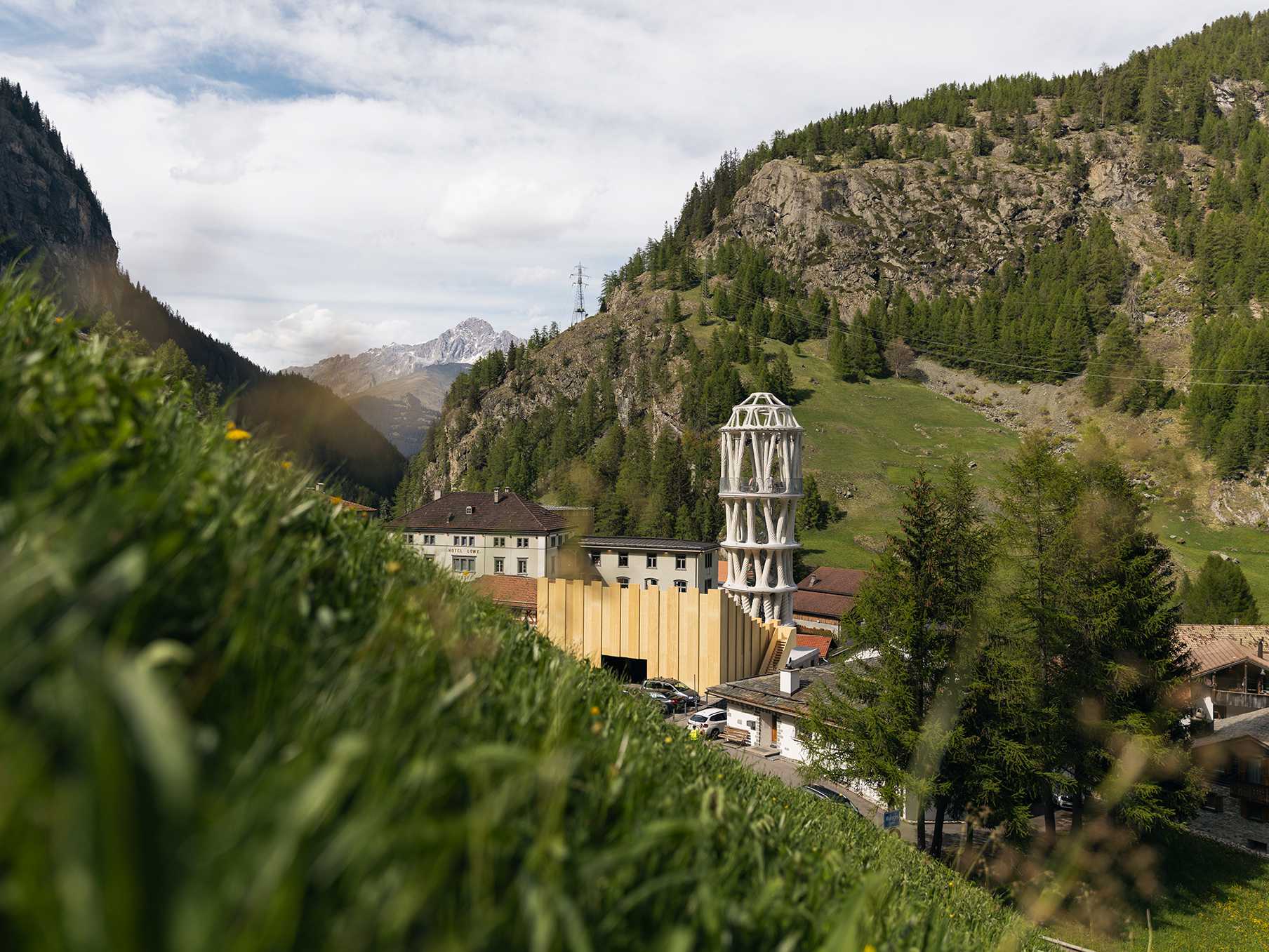
In the quaint Swiss village of Müligen, engineers and architects have created a groundbreaking project called Tour Alpha, marking a new era in construction technology. Reaching an impressive height of 30 meters, Tour Alpha stands as the tallest 3D printed concrete tower in the world. More than just a building, this structure combines digital printing technology, smart materials, and local cultural heritage, which together set a pioneering example for sustainable and innovative construction.
Automated Construction Replacing Traditional Formwork
The team from ETH Zurich University and the Origin Cultural Foundation designed and executed the tower using advanced robotics. Instead of relying on time-consuming traditional formwork, they printed the concrete layer by layer. This method dramatically reduces construction time and material waste. Furthermore, it offers greater design freedom inspired by the slender, handcrafted columns typical of the region.
| Feature | Traditional Construction | 3D-Printed Construction |
|---|---|---|
| Time | Longer | Faster |
| Material Waste | High | Low |
| Design Flexibility | Limited | High |
| Sustainability | Low | High |

Smart, Durable Materials for Enhanced Performance
Professor Robert Flat developed a special type of concrete that the team used for Tour Alpha. This concrete features low viscosity, which makes printing smooth and easy. Once printed, it hardens quickly to maintain the shape precisely. In addition, the team integrated unique diagonal surface textures during printing to enhance the tower’s aesthetics and demonstrate technical precision. To ensure stability, they added steel rings and bars, eliminating the need for heavy traditional formwork.
| Property | Description |
|---|---|
| Viscosity | Low, to facilitate smooth printing |
| Hardness | High, immediately after printing |
| Surface Texture | Unique diagonal pattern |
| Structural Support | Steel rings and bars |
Modular Design for Disassembly and Reassembly
ETH Zurich’s lab initially constructed the tower in modules. Then, the team transported and assembled it on-site in Müligen. This modular design supports circular construction principles by allowing easy disassembly and relocation. Consequently, it reduces waste and extends the building’s lifecycle. This approach reflects a forward-thinking attitude toward flexible and environmentally friendly construction.


Revitalizing a Small Village with a 3D Printed Concrete Tower
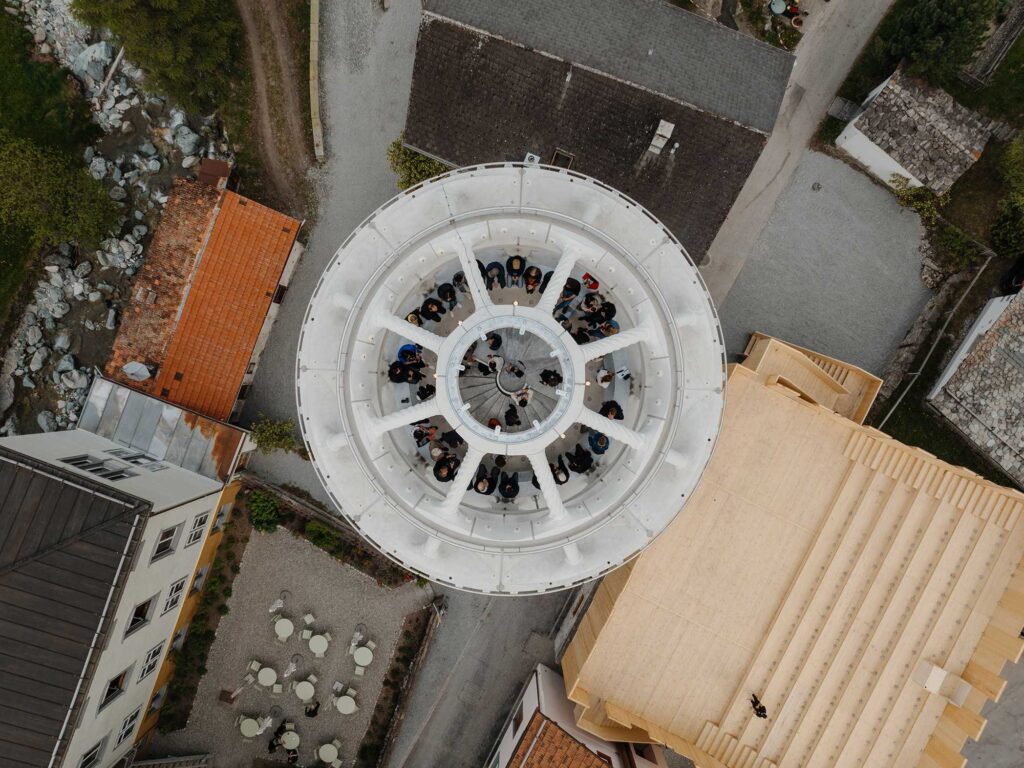
Müligen, with fewer than 20 residents, stands to gain culturally and economically from Tour Alpha. The tower will open to visitors in May 2025. The team plans to host cultural and artistic events to boost the local community and attract tourists.
| Benefit | Explanation |
|---|---|
| Reduced Construction Time | Automation speeds up the build process |
| Lower Waste | Precision printing minimizes material waste |
| Enhanced Sustainability | Encourages reuse and circular design |
| Improved Design | Enables complex and organic shapes |
Conclusion
Tour Alpha represents more than a tower—it shows how innovation and technology can redefine construction’s future. As the world’s tallest 3D printed concrete tower, it combines artificial intelligence, smart materials, and respect for cultural heritage to offer a visionary blend of art and modern engineering. The project invites us all to rethink how we build smarter, more efficient, and sustainable environments. Truly, Tour Alpha marks the beginning of construction’s future.
ArchUp is your platform to follow everything “architectural“: news, analyses, and designs from the heart of the modern architectural movement.


