Abandoned Hospitals: Between Urban Ghosts and Architectural Redemption

In the heart of cities that once envisioned healthcare as a civic monument, abandoned hospitals now stand as vast, decaying shells—echoes of institutional ambition that lost their operational pulse. From Europe’s foggy outskirts to Asia’s dense urban cores, these colossal facilities have not only vacated their medical purpose but have also become unwitting case studies in urban neglect, contested memory, and missed architectural potential.
Global Ghosts of Medical Modernism
Across the globe, the phenomenon of abandoned hospitals reflects more than failed infrastructure. It highlights a systemic issue: the clash between long-term urban planning and rapidly shifting socio-economic dynamics. In Italy, Rome’s Forlanini Hospital—once a pioneering complex for tuberculosis care—has stood empty since 2015. Despite its rationalist architecture and historical gravitas, debates over funding and function have kept its gates sealed. In the United States, the Hudson River State Hospital in New York—a Gothic Revival masterpiece—was shuttered in the early 2000s due to deinstitutionalization trends and prohibitive maintenance costs, becoming a magnet for urban explorers and historians of decay.
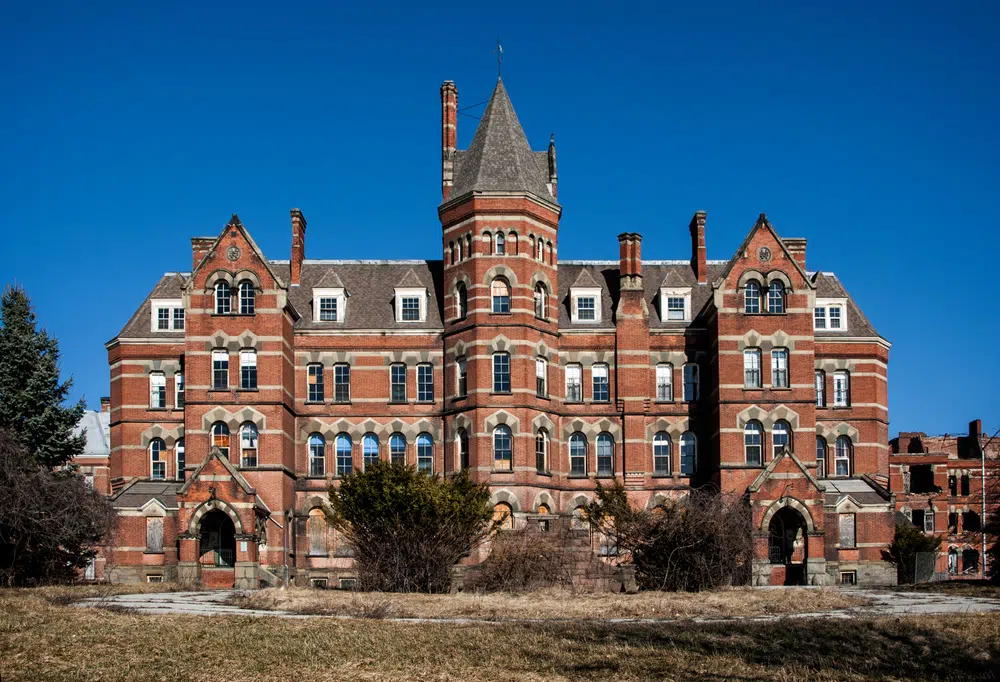
Japan’s Haikyo culture—a term meaning ruins—includes several derelict hospitals that date back to post-war periods, offering insights into how architecture intertwines with national trauma, demographic shifts, and healthcare reforms. These spaces, often frozen in time, retain surgical tables, rusting instruments, and prescription bottles, offering eerie yet rich terrain for architectural archaeology.
What Leads to Abandonment?
While each hospital has its own demise narrative, several patterns emerge globally:
- Overcapacity and Demographic Shifts: Many facilities were designed for larger or younger populations that have since declined or aged out of relevance.
- Regulatory and Legal Constraints: Changing safety codes and medical regulations render old infrastructures obsolete and unfit for reuse without massive investment.
- Privatization and Policy Failures: As public healthcare contracts, many older buildings are left without funding or institutional ownership.
- Urban Real Estate Pressures: Ironically, some of the most iconic hospital sites lie on land now coveted for commercial development, causing a limbo between preservation and profit.
Saudi Case Studies in Context
Within this global landscape, Saudi Arabia presents two unique yet instructive cases: Al-Mashfa Hospital in Jeddah and Irqah Hospital in Riyadh. Both situated in prime urban areas, their stories mirror broader themes.

Al-Mashfa’s closure appears rooted in administrative and legal ambiguity, despite its strategic location and significant investment. Its architectural structure remains intact but unused, representing not just economic loss but spatial waste.
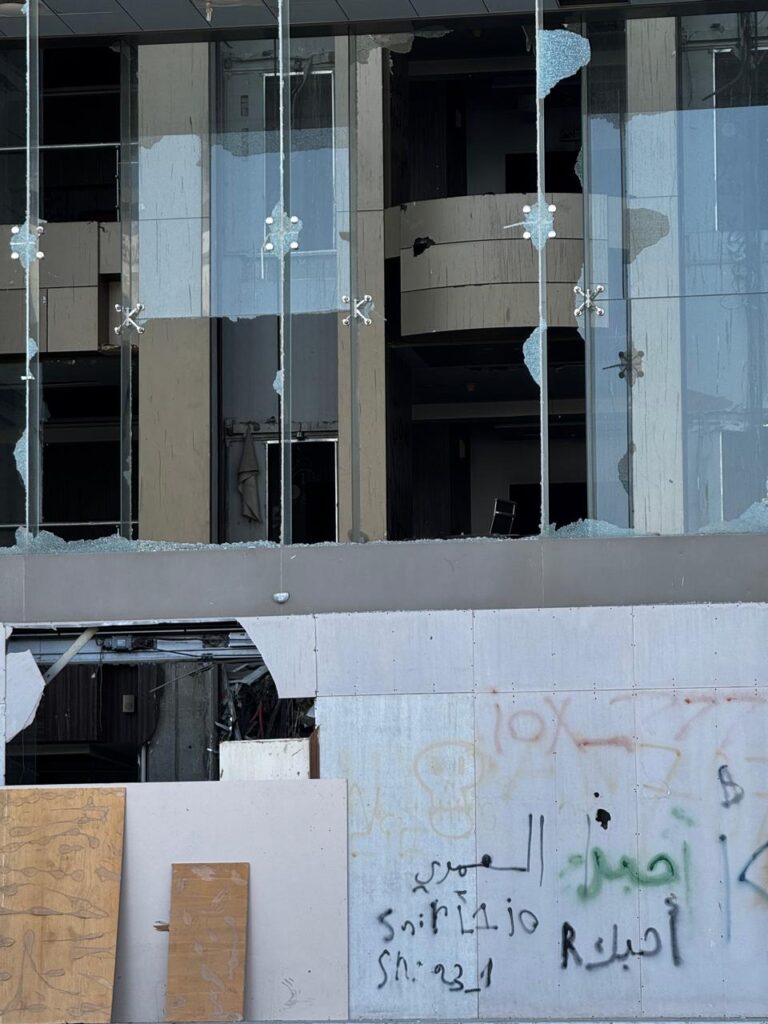
Irqah Hospital, by contrast, has undergone a semiotic transformation—from a supposed “haunted” space to a potential cultural asset. Its upcoming reinvention as a creative district signals a progressive approach to architectural salvage and adaptive reuse, aligning with Riyadh’s Vision 2030 ambitions.
The Role of Urban Planning and Architectural Intent
Hospital locations are rarely arbitrary. Historically, they’ve been woven into the urban grid with proximity to dense populations and access routes. Their architectural expression—whether brutalist, neoclassical, or postmodern—mirrors the healthcare philosophies and state ideologies of their time.
Yet, the absence of long-term operational foresight often reduces these structures to relics. Their spatial grandeur and zoning privilege become burdens rather than assets in cities scrambling for adaptability. This reveals a gap between planning intent and architectural resilience—a gap that only thoughtful reprogramming can bridge.
Can Architecture Intervene?
Absolutely. Architecture, at its core, is a practice of potential. Many abandoned hospitals are structurally sound and spatially rich. Their transformation into public housing, art spaces, or community health hubs offers a chance to reconcile past investment with future relevance.
Designers and governments must adopt flexible typologies—spaces that can morph with changing demographics and technologies. The hospital of tomorrow must be as much about architectural foresight as medical readiness.
Conclusion: From Ruin to Relevance
Abandoned hospitals are not just remnants of failure; they are architectural witnesses to shifting priorities, planning oversights, and the evolving language of care. In learning from their stories both globally and locally we uncover a deeper truth: buildings, like bodies, need systems that ensure their longevity, dignity, and continued function.
✦ ArchUp Editorial Insight
This article taps into the haunting allure of abandoned hospitals, revealing how architecture once tied to care and urgency transforms into spaces of silence and decay. The visual language is compelling — peeling walls, sterile corridors overtaken by time — yet the narrative leans heavily on mood without interrogating the deeper systems that produced such abandonment.
A richer critique would link these spaces to failures in healthcare infrastructure, urban policy, or privatization. Looking toward 2030, the question isn’t just why these buildings were left behind, but how they might be reimagined: as adaptive reuse sites, historical archives, or warnings etched in concrete. The article invites fascination, but the real power lies in unpacking what these ruins say about the systems that once relied on them — and those that ignored them.
Explore the Latest Architecture Exhibitions & Conferences
ArchUp offers daily updates on top global architectural exhibitions, design conferences, and professional art and design forums.
Follow key architecture competitions, check official results, and stay informed through the latest architectural news worldwide.
ArchUp is your encyclopedic hub for discovering events and design-driven opportunities across the globe.