Acoustic Architecture The Importance of Sound Control in Buildings

How do you start an architectural project from scratch? A comprehensive guide should include considerations for acoustic architecture, which has become an essential element in modern building design. Have you ever wondered why you feel exhausted in some buildings but relaxed in others? The answer may lie in the acoustic design of the space.

What Is Acoustic Architecture?
Acoustic architecture is a specialized branch of architecture that focuses on how sound travels and spreads within buildings and different spaces. It relies on principles from physics and acoustics to improve sound quality in structures and reduce unwanted noise.
In simple terms, acoustic architecture involves planning and designing spaces while taking into account how sound waves behave within those areas. It blends architectural concepts with acoustic science to create ideal sound environments suited to the function of the building.
There’s a fundamental difference between sound insulation and acoustic design:
- Sound Insulation: Focuses on preventing sound from moving from one place to another (from outside to inside or between rooms)
- Acoustic Design: Aims to enhance sound quality within the same space (such as clarity of speech in a lecture hall)
When we talk about acoustic architecture, we’re combining both these ideas to create the best possible sound experience for users.

Why Controlling Sound in Buildings Matters
Controlling sound has become a key factor in modern building design, and here’s why:
The Impact of Noise on Mental and Physical Health
Constant noise affects our well-being in many ways:
- Increased stress and anxiety
- Sleep disturbances and chronic insomnia
- Elevated blood pressure and heart issues
- Difficulty concentrating and scattered attention
- Chronic fatigue and reduced energy levels
A study published by the World Health Organization in 2022 showed that continuous exposure to noise above 65 decibels can increase the risk of heart disease by 20%.
Enhancing Productivity and Comfort
In work and learning environments, acoustic design plays a crucial role in:
- Increasing employee productivity by up to 30% in quiet offices
- Improving focus and reducing errors at work
- Facilitating communication without the need to raise voices
- Creating a more comfortable and less stressful working environment

Enhancing User Experience in Specialized Buildings
Acoustic needs vary depending on the building’s function:
- Theaters and concert halls: Clear, pure sound evenly distributed throughout the space
- Museums and galleries: Reduced background noise to support a calm, reflective visitor experience
- Hospitals: Quietness for patients and sound separation between rooms for privacy
- Schools and universities: Reduced distractions and improved clarity of the teacher’s voice
Principles of Acoustic Architecture Design
Acoustic architecture is built around three main principles:

Sound Absorption
Sound absorption means turning sound energy into minimal heat through special materials:
- Porous acoustic panels such as mineral wool and cork
- Suspended ceilings made from sound-absorbing materials
- Carpets and textiles on floors and walls
- Polyurethane foam used in studios
Sound Reflection
Sound reflection (acoustic reflection) is about directing sound waves in specific directions:
- Curved ceilings in concert halls
- Angled reflective surfaces behind stages
- Complex geometric designs to evenly distribute sound
Sound Insulation
Sound insulation focuses on preventing sound from traveling between different spaces:
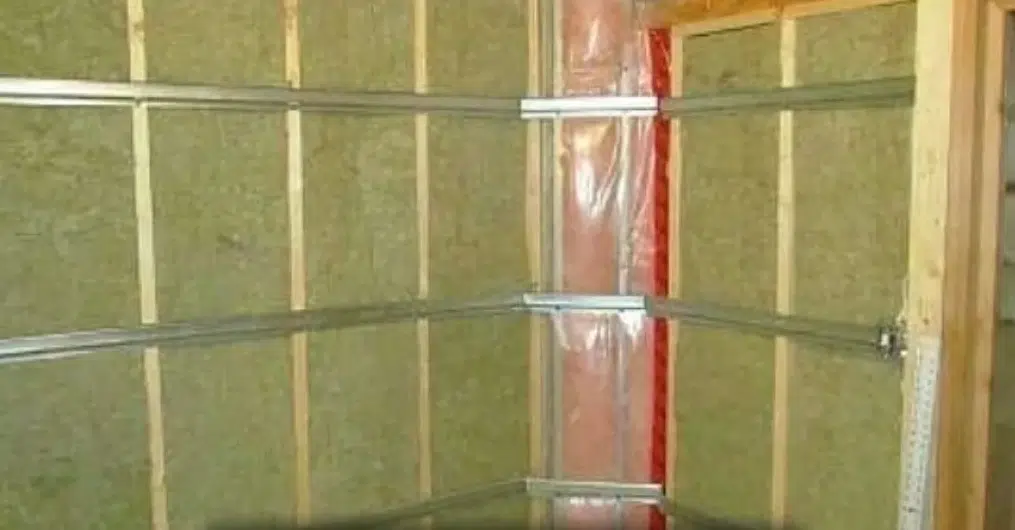
- Double-layered walls with air gaps or insulating material
- Double or triple-glazed windows
- Floating floor systems that prevent vibration transfer
- Sealing leaks and gaps around doors and windows

Innovative Materials and Technologies in Acoustic Architecture
As technology advances, new materials and techniques are emerging in the field of acoustic architecture:
Smart and Advanced Materials
The industry of sound insulation materials is rapidly evolving:
- Metamaterial panels that control sound waves in unconventional ways
- Lightweight and effective graphene foam for absorbing various frequencies
- Nano-acoustic materials capable of adapting to different sound frequencies
- Dynamic panels that change their properties based on surrounding noise levels
Digital Tools and Software
Computer software has become an essential part of acoustic design:
- Sound simulation programs like Odeon, CATT-Acoustic, and EASE
- 3D modeling techniques to study sound behavior before construction
- Active sound systems that monitor and adjust sound in real time
- Noise cancellation technologies integrated into building systems
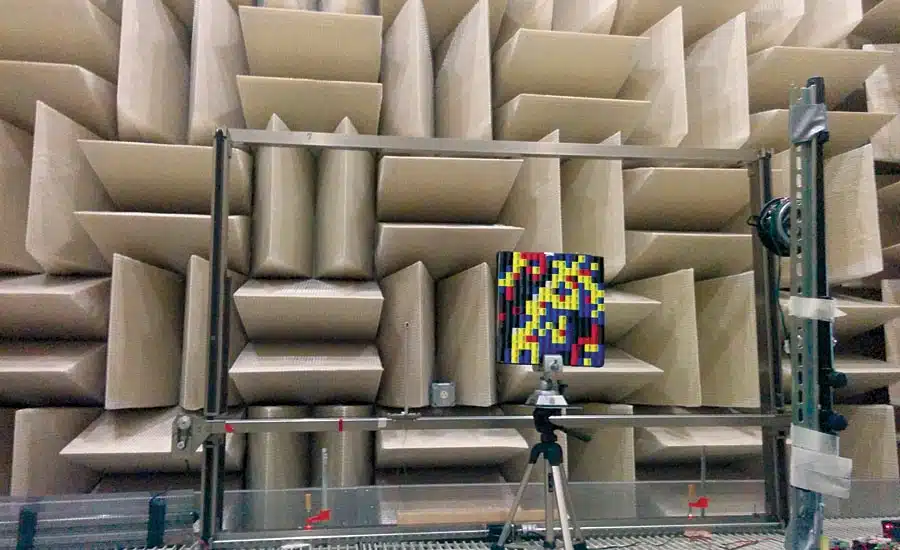
Nature-Inspired Designs
Nature is a major source of inspiration for acoustic architects:
- Honeycomb structures to efficiently scatter sound waves
- Leaf and plant patterns used in reflective and absorptive panel designs
- Mimicking owl ear structure in noise reduction system designs
Real-World Examples of Acoustic Architecture


Sydney Opera House
The Sydney Opera House is one of the most famous examples of outstanding acoustic architecture:
- A curved ceiling designed to reflect sound evenly across the entire hall
- Custom wooden panels achieving the perfect balance between sound absorption and reflection
- A suspended ceiling system acting as a large-scale sound reflector
Despite early acoustic challenges, the main hall was redesigned in 2021 to improve its acoustic performance, making it a global model for excellence.
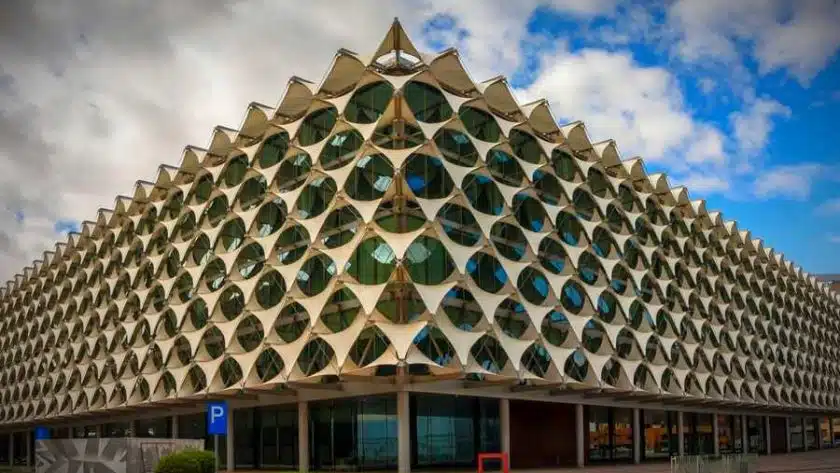
King Fahd National Library
This is a local example of excellent acoustic design:
- Open spaces with special acoustic treatments to prevent echo
- Complex ceiling systems that absorb noise and maintain quietness
- Carefully designed reading areas isolated from movement and service zones
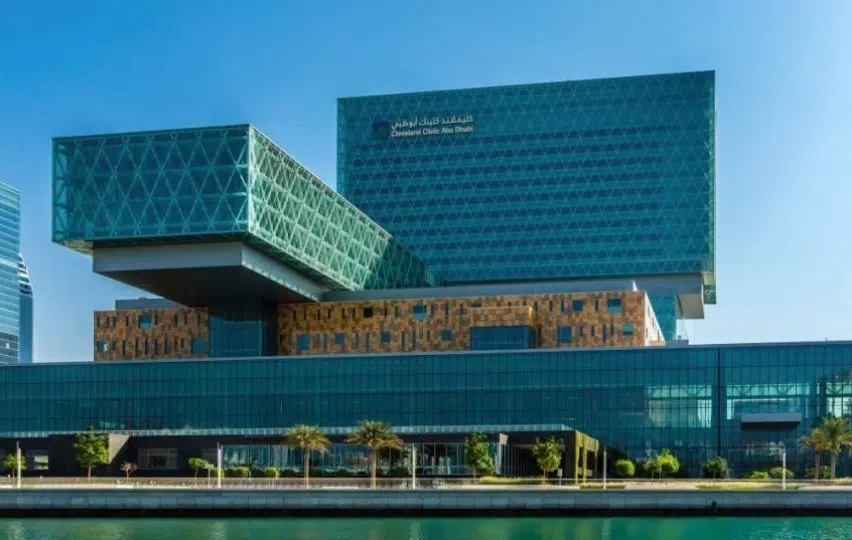
Cleveland Clinic in Abu Dhabi
This hospital highlights the importance of acoustic design in healthcare settings:
- Patient rooms sound-insulated for comfort and privacy
- Low-noise ventilation systems specially designed for hospital use
- Treated corridors and walkways to reduce echo from footsteps and medical carts
Environmental Challenges in Acoustic Architecture
Cost and Balance
Some of the biggest challenges in applying acoustic principles are:
- High cost of specialized materials compared to traditional building materials
- Need for expert consultants, increasing overall project cost
- Difficulty in estimating the financial return on acoustic investment
Balancing Conflicting Requirements
Architects often face the challenge of balancing:
- Sound insulation with natural ventilation—good insulation usually requires tight sealing
- Open spaces with sound privacy, especially in modern office layouts
- Architectural aesthetics with acoustic requirements that may demand certain shapes and surfaces
Regulatory and Legislative Challenges
In the Arab world specifically, we face:
- Lack of mandatory national acoustic standards in many countries
- Limited awareness of the importance of acoustic architecture among developers and investors
- Shortage of specialists and engineers in architectural acoustics

Sound Quality Standards in Public Buildings
| Building Type | Allowed Noise Level (dB) | Ideal Reverberation Time (seconds) | Additional Notes |
|---|---|---|---|
| Hospitals | 30–40 | 0.5–0.8 | High sound insulation between rooms |
| Lecture Halls | 35–40 | 0.7–1.0 | Speaker clarity is top priority |
| Open Offices | 45–50 | 0.4–0.6 | Reduce conversation interference |
| Restaurants | 50–55 | 0.6–0.8 | Balance between liveliness and comfort |
| Concert Halls | 25–30 | 1.8–2.2 | Even sound distribution |
| Libraries | 30–35 | 0.4–0.6 | Absolute quiet is essential |
| Schools | 35–45 | 0.6–0.8 | Clear sound and minimal distraction |
Designing Ideal Acoustic Rooms
Designing acoustically optimized rooms requires attention to several factors:
Geometric Factors
- Room shape: Rectangular and fan-shaped rooms generally offer better acoustics
- Ceiling height: Directly affects room volume and reverberation time
- Floor slope: Helps improve visibility and sound perception in performance halls
- Stage location: Determines the main direction of sound spread
Technical Factors
- Balance of absorption and reflection: Choosing the right ratio based on room use
- Sound diffusion: Using architectural and surface elements to prevent sound concentration
- Low-frequency treatment: Addressing problems caused by low frequencies in large halls
- Background noise control: From HVAC, lighting, and equipment
Supporting Technology
- Enhanced sound systems: Advanced amplifiers and processors
- Acoustic simulation software: Predicting sound behavior before construction
- Adjustable acoustic systems: Changing room characteristics based on event type
Modern Technology in Acoustic Architecture
Smart Sound Insulation Systems
Sound insulation technology has evolved significantly in recent years:
- Active insulation systems that emit anti-noise sound waves
- Thin multi-layer insulation panels replacing thick traditional walls
- nano-acoustic glass that offers excellent sound insulation in thinner profiles
Sound-Absorbing Materials in Construction
New sustainable materials have emerged for sound absorption:
- Recycled materials like recycled rubber and textile fibers
- Natural materials like cork boards and compressed plant fibers
- Engineered wood composites combining thermal and acoustic insulation
Analysis and Simulation Technologies
Computer software has become indispensable:
- Virtual reality tools to test the acoustic experience before construction
- AI algorithms predicting sound behavior and improving design
- Advanced sound measurement devices to assess existing buildings
How Sound Affects Residents’ Comfort in Buildings
Sound and Sleep
Noise directly impacts sleep quality:
- Traffic noise entering through windows causing frequent awakenings
- Uninsulated pipe sounds inside walls
- Rain noise on untreated roofs
- Neighbor noise traveling through thin walls
A 2023 study conducted at King Saud University found that residents of sound-insulated buildings get 22% more sleep on average than those in conventional buildings.
Sound and Privacy
Sound privacy is a key factor in residential design:
- Ability to hold private conversations without being overheard
- Insulating bathroom and toilet sounds from the rest of the house
- Preventing footstep sounds from transferring to lower floors
- Reducing sound leakage between bedrooms in the same home
Sound and Productivity
With increased remote work, silence has become more important:
- Providing a suitable environment for work and study at home
- Reducing distraction from internal or external noise
- Improving the ability to concentrate for longer periods
Acoustic Architecture and Interior Space Design
Material Selection and Finishes
Interior finishes play a significant role in controlling sound:
- Perforated suspended ceilings for sound absorption in kitchens and hallways
- Natural wood offering a balance between absorption and reflection
- Stone and marble in spaces requiring sound reflection
- Porous wall panels to reduce echo in large rooms
Furniture and Interior Elements Layout
Furniture can be used to control sound:
- Bookshelves and filled cabinets as natural sound barriers
- Thick curtains absorbing sound coming from windows
- Upholstered sofas and chairs reducing sound reflection
- Indoor plants acting as sound-diffusing elements
Space Division
Smart space division helps in acoustic control:
- Partial barriers between different activity zones
- Separating noisy areas (kitchen, game room) from quiet ones (office, bedrooms)
- Using different floor and ceiling levels to break up sound waves
The Future of Acoustic Architecture
Smart Architectural Noise Control
The future holds smarter solutions for sound control:
- Noise cancellation systems embedded in walls, similar to noise-canceling headphones
- Intelligent building facades adjusting their acoustic properties according to outdoor noise
- Smart furniture equipped with variable sound absorption technology
Integration of Artificial Intelligence
Artificial intelligence is playing a growing role in acoustic architecture:
- Noise monitoring systems automatically adapting to changing sound levels
- AI-supported architectural design software optimizing acoustic performance
- Building management systems adjusting the acoustic environment based on occupancy and activity type
The Metaverse and Virtual Experiences
It is now possible to test acoustic designs before construction:
- Accurate virtual models simulating the acoustic behavior of buildings
- Virtual sound experiences allowing users to test spaces before they’re built
- 3D audio technologies simulating the acoustic experience with unprecedented accuracy
Practical Tips for Improving Sound in Homes
Quick and Effective Solutions
You can improve your home’s acoustic environment with simple steps:
- Adding carpets and rugs to floors to reduce footstep echo
- Hanging thick curtains on windows and empty walls
- Placing cushioned covers on sofas and chairs
- Using large indoor plants, especially in corners and near reflective surfaces
Avoiding Common Mistakes
Some practices to avoid:
- Large glass furniture in echo-prone rooms
- Opposing hard surfaces causing repeated echoes
- Leaving gaps around doors and windows that allow sound to leak
- Neglecting sound insulation for drainage and HVAC pipes
Home Sound Technology Solutions
Technologies that can be installed in existing homes:
- Decorative acoustic panels that look like artwork
- Easy-to-install door and window seals
- Covers for noisy household appliances like refrigerators and air conditioners
- smart surround sound systems compensating for room acoustic flaws
Frequently Asked Questions About Acoustic Architecture
What’s the Difference Between Sound Insulation and Sound Absorption?
Sound insulation aims to prevent sound from moving from one place to another (between rooms or from outside to inside), while sound absorption reduces echo and reverberation within the same space. Insulation uses dense materials and barriers, while absorption uses porous and soft materials.
How Can I Improve Acoustics in an Existing Apartment?
You can improve acoustics in an existing apartment using several easy methods:
- Add thick curtains to windows and hard walls
- Place carpet or rugs in echo-prone areas
- Install rubber seals around doors to prevent sound leakage
- Add decorative acoustic panels to walls
- Use fully packed bookshelves as natural sound barriers
- Install sound-insulating panels behind thin walls in important rooms
What Is the Cost of Applying Sound Insulation in a New House Compared to Retrofitting an Existing One?
The cost of sound insulation varies greatly between new and existing buildings:
- In new buildings: The additional cost of comprehensive sound insulation ranges between 3% to 7% of total construction cost
- In existing buildings: Retrofitting and soundproofing costs can reach 15% or more of the property value depending on the level of intervention required
It’s much more cost-effective to plan for sound insulation during the design phase—it’s cheaper and more effective than applying solutions later.
Do Thermal Insulation Materials Also Insulate Sound?
Not all thermal insulation materials are effective for sound insulation—the physical principle is different:
- Thermal insulation prevents heat transfer (conduction, convection, radiation)
- Sound insulation absorbs vibrations or prevents sound transmission
However, some materials like rock wool and fiberglass perform reasonably well in both functions. For best results, it’s recommended to use materials specifically designed for each type of insulation.
What Are the Most Exciting Future Developments in Acoustic Architecture?
We’re witnessing exciting developments in acoustic architecture, including:
- Active sound insulation systems emitting anti-noise waves
- Metamaterials that can direct and select sound waves selectively
- Smart acoustic coatings adapting to surrounding noise levels
- AI technologies analyzing and improving building acoustics continuously
- Virtual sound systems enhancing the acoustic experience in poorly performing spaces
Sound Insulation Techniques in Smart Buildings
Technological advances have led to intelligent solutions for sound control in modern buildings:
Smart Sound Control Systems
Smart buildings now rely on integrated systems to manage the acoustic environment:
- Distributed noise sensors throughout the building
- Central control systems adjusting the building’s response to noise
- Automated curtains and acoustic panels responding to sound levels
- Smartphone apps for personal control of the acoustic environment
Advanced Insulation Materials
Smart buildings use advanced insulation materials:
- Smart dimmable glass providing variable sound insulation
- Variable-characteristic acoustic panels changing properties as needed
- composite materials combining sound, thermal, and security insulation
- nano-coatings absorbing specific sound frequencies
Integration with Building Systems
In smart buildings, sound control systems integrate with:
- HVAC systems to manage generated noise
- Lighting systems to provide a combined comfortable visual and acoustic environment
- Security systems to distinguish between normal noise and danger signals
- Entertainment and audio systems ensuring the best listening experience in different spaces
Conclusion
Acoustic architecture isn’t a luxury—it’s a necessity in an increasingly noisy world. The acoustic environment directly affects our mental and physical health, productivity, and overall quality of life.
The basic principles of acoustic architecture—sound absorption, sound reflection, and sound insulation—form a complete framework applicable to all types of buildings, from simple homes to specialized halls.
With ongoing technological advancements, acoustic solutions are becoming more efficient and affordable, making it easier for everyone to benefit from proper acoustic design. In the future, smart technologies and innovative materials will play an even greater role in shaping our acoustic environments.
Ultimately, remember that sound isn’t just physical waves—it’s a core part of the human experience. Good acoustic design doesn’t just mean the absence of noise; it means creating the right sound environment that enhances comfort, productivity, creativity, and human interaction.
References
- Saudi Standards, Metrology and Quality Organization. (2023). “Acoustic Standards for Residential and Commercial Buildings”. Retrieved from www.saso.gov.sa
- Thompson, J. (2023). “Acoustic Architecture: Principles and Practice”. Routledge Publishing.
- World Health Organization. (2022). “Noise Impact on Public Health”. Retrieved from www.who.int
- Arab Forum for Acoustic Engineering. (2024). “Building Acoustic Design Guide”. Retrieved from www.aaef.org
- King Saud University. (2023). “Study on the Effect of Sound Insulation on Sleep Quality”. Journal of Engineering Sciences, 42(2), 112–128.
- International Organization for Standardization. (2024). “ISO 12354: Acoustics in Building Design”. Retrieved from www.iso.org
Additional FAQs
Are There Legal Requirements for Sound Insulation in Residential Buildings in the Arab World?
Yes, many Arab countries have started implementing acoustic standards for residential buildings, especially in new projects. In Saudi Arabia, the Saudi Standards, Metrology and Quality Organization issued mandatory acoustic insulation standards for new residential buildings in 2023. In the UAE, the Abu Dhabi Building Code enforces strict acoustic insulation requirements. However, implementation and enforcement vary from country to country.
Can Indoor Plants Actually Help Improve Acoustics?
Yes, but only to a limited extent. Plants help by:
- Scattering sound waves thanks to their irregular shapes
- Partially absorbing high frequencies
- Reducing echo in spaces with hard surfaces
However, plants alone cannot serve as a complete sound insulation solution. They are most effective when used as part of a broader strategy for sound control.
How Can I Choose a Reliable Acoustics Engineer for My Project?
When selecting an acoustics engineer, look for:
- Professional certifications in acoustic engineering or architectural acoustics
- Previous experience in projects similar to yours
- References and reviews from previous clients
- Ability to use modern acoustic simulation software
- Membership in professional organizations such as the Acoustical Society of America or the Arab Forum for Acoustic Engineering
Investing in a professional acoustics engineer from the start of your project can save you significant costs in the future.