

AEC Tech Revolution: How AI is Reshaping Architecture & Design (And How to Stay Ahead)

The [AEC] Tech Summit the first event of its kind is set to empower professionals in architecture, engineering, and construction (AEC) to harness cutting-edge innovation and master the tools of tomorrow. As digital solutions and artificial intelligence (AI) continue to redefine the AEC sector, events like [AEC] Tech Summit have never been more critical. The inaugural edition will take place in Paris on November 17, 2025, and is 100% free for AEC practitioners. Register now to secure your spot!
The Decisive Decade for AEC: AI as the Game-Changer
The AEC industry stands at a pivotal crossroads. Within the next five years, high-performing teams will rely on AI-driven data organization, workflow automation, and AI-augmented safety oversight. AI is shrinking the gap between concept and execution, enabling professionals to deliver greater value with leaner teams in less time. The window of opportunity is open hesitate, and the baseline will rise around you. The mission is clear: adapt and claim your place in this transformative era.
8 Lessons for Navigating the Shift to Intelligent Design
Drawing from firsthand experience, here are eight key insights to guide professionals through AI integration in AEC:
- AI Won’t Replace Designers—It Will Redefine Their Craft
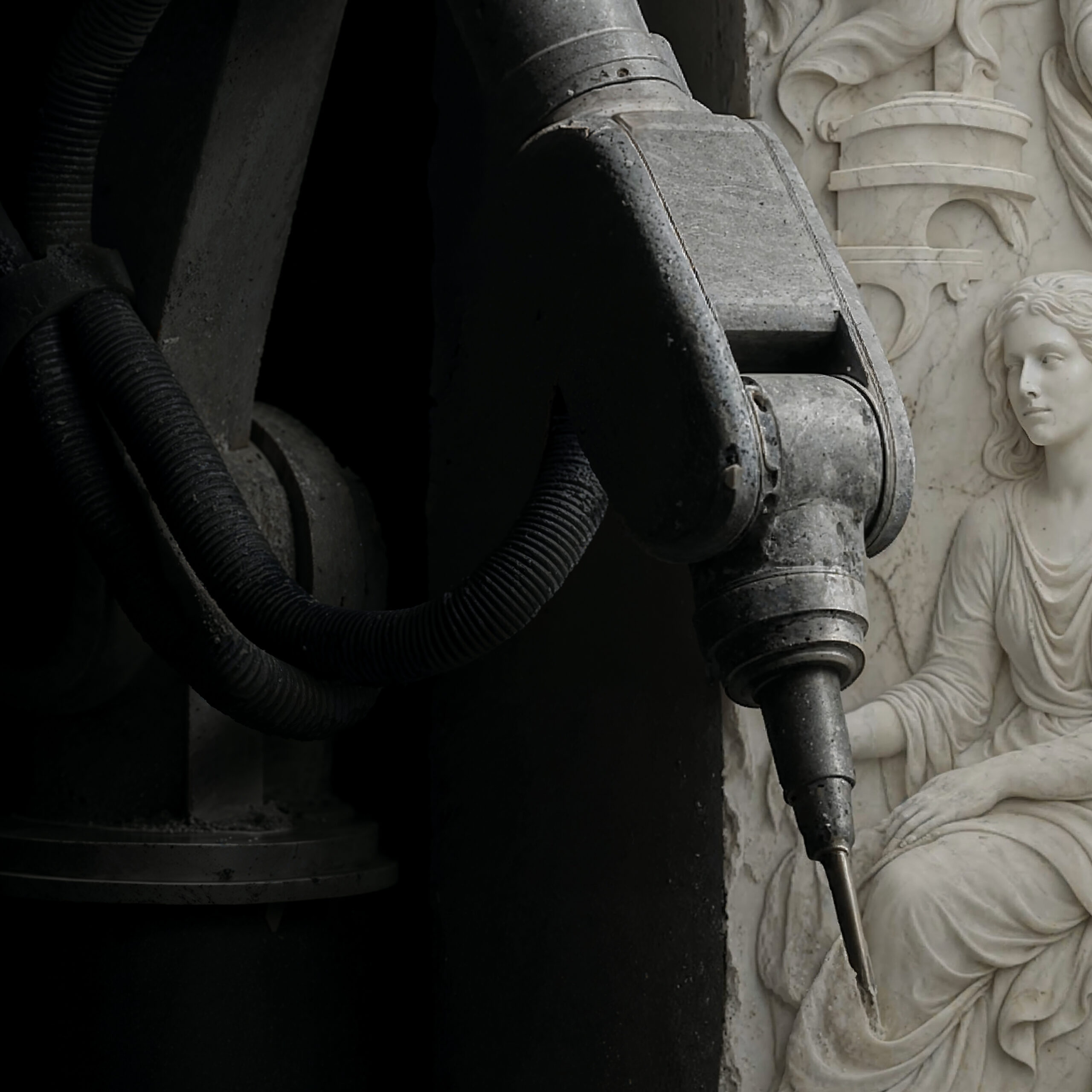
The next generation of design will blend human creativity with AI precision. While AI can draft rooms, generate contracts, or mimic stylistic nuances, it cannot replicate the emotional depth, cultural context, or intentionality behind great design. The challenge? Preserving the soul of architecture amid automation. - Smart Design: Where Biology Meets Technology
Innovations like 3D-printed coastal structures (such as those in Miami, Florida) demonstrate how AI-driven design can merge biophilic principles, additive manufacturing, and ecosystem restoration. These structures don’t just withstand waves they filter water, support marine life, and revive ecosystems. - From Curiosity to Mastery: Bridging the AI Fluency Gap
While 87% of AEC firms experiment with AI, fewer than 20% have a structured adoption plan (McKinsey, 2024). The bottleneck isn’t tools it’s workflow integration. Teams stuck in “pilot mode” risk falling behind those who embed AI into daily operations. - Compound Returns: Invest in Systems, Quality & Reusability
AI excels at automating repetitive tasks (e.g., generating spec sheets, cost estimates, or permit applications). Firms that delegate these to AI save 30–50% in project setup time, freeing creatives to focus on high-impact work. - Treat AI Like a Skilled Employee—Clarity = Results
Vague prompts yield vague outcomes. Instead, write detailed briefs (goal, audience, constraints, success metrics) and iterate. Over time, curate a library of reusable AI workflows to accelerate decision-making. - The Next Frontier: Autonomous AI Agents
Soon, AI will track budgets, flag risks, and even negotiate contracts aligned with your firm’s risk profile. Prepare by standardizing processes now. - Craft Matters More Than Ever
Like Renaissance masters, today’s designers must bridge art and science balancing aesthetics with acoustics, thermal performance, and material innovation. AI expands possibilities but cannot replace deliberate practice. - Stay Human, Stay Curious
In an AI-saturated world, authentic human experience becomes the differentiator. Emotional intelligence, storytelling, and community-building are not “soft skills” - they’re the core of future-proof design.
The Future is Collaborative
With AI as a lever, a single designer can now prototype, model, and narrate projects at unprecedented speed. The tools are here the time to act is now. Start small: automate one repetitive task this week, measure the gains, and scale what works.
Jeronimo Tani, a speaker at the [AEC] Tech Summit, invites professionals to explore AI’s potential collaboratively. To discuss integration strategies or co-create solutions.
✦ ArchUp Editorial Insight
The AEC industry’s AI revolution promises unprecedented efficiency, yet risks homogenizing design if creativity is sidelined. While the piece compellingly argues for AI as a collaborator, it could delve deeper into ethical pitfalls like bias in training data or the environmental cost of AI infrastructure. Still, its call to “stay human” resonates powerfully, reminding us that technology amplifies intent but cannot replace the designer’s soul. The most inspiring takeaway? AI isn’t a threat to craftsmanship; it’s a catalyst for its evolution, freeing architects to focus on what truly matters: design with purpose.
Brought to you by the ArchUp Editorial Team
Inspiration starts here. Dive deeper into Architecture, Interior Design, Research, Cities, Design, and cutting-edge Projectson ArchUp.


