
A Showroom That Can Change: Furniture, Light and a Planted Façade in São Paulo
An open furniture showroom in São Paulo pairs flexible displays with planted glazing, making circulation, changing light and façade care part of its design.
This section focuses on interior design as a vital layer of architecture—where spatial strategy meets human experience. ArchUp showcases curated interiors from private homes, public institutions, and commercial settings, analyzing how design principles, materials, color, and light converge to shape ambiance and function.
Explore award-winning interiors from competition results, follow trends in sustainable interior strategies, and read about landmark projects that reframe the boundaries between architecture and lifestyle.
This resource supports interior designers, architects, students, and curators in connecting design theory with applied environments. You can contact our team to contribute work or view our editorial policy in the About ArchUp page.
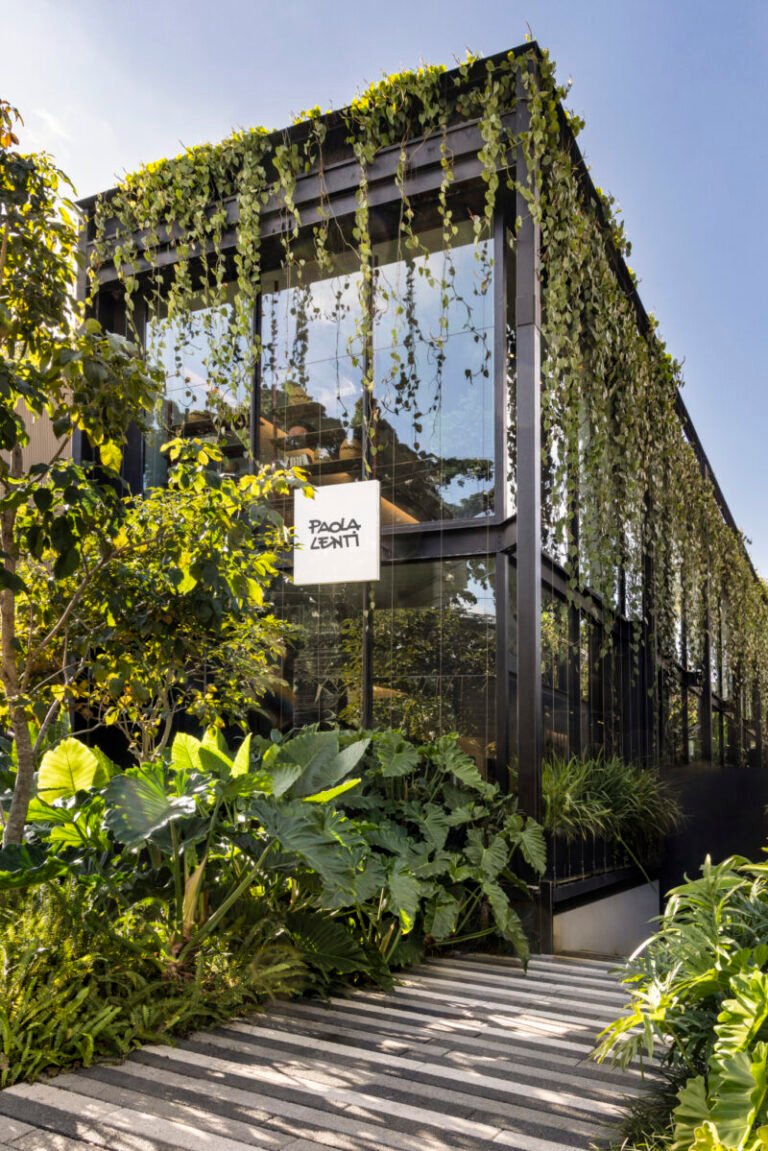
An open furniture showroom in São Paulo pairs flexible displays with planted glazing, making circulation, changing light and façade care part of its design.
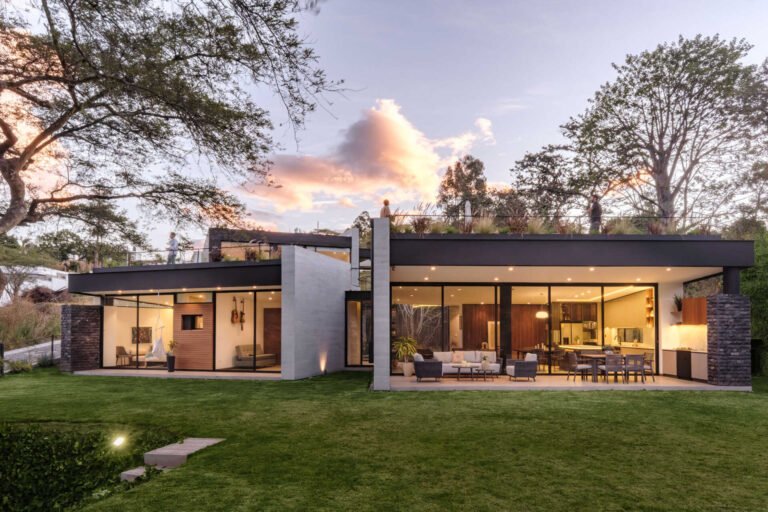
A courtyard and planted roof terraces organize movement, outdoor living and privacy in a two-level house in Puembo, Ecuador.
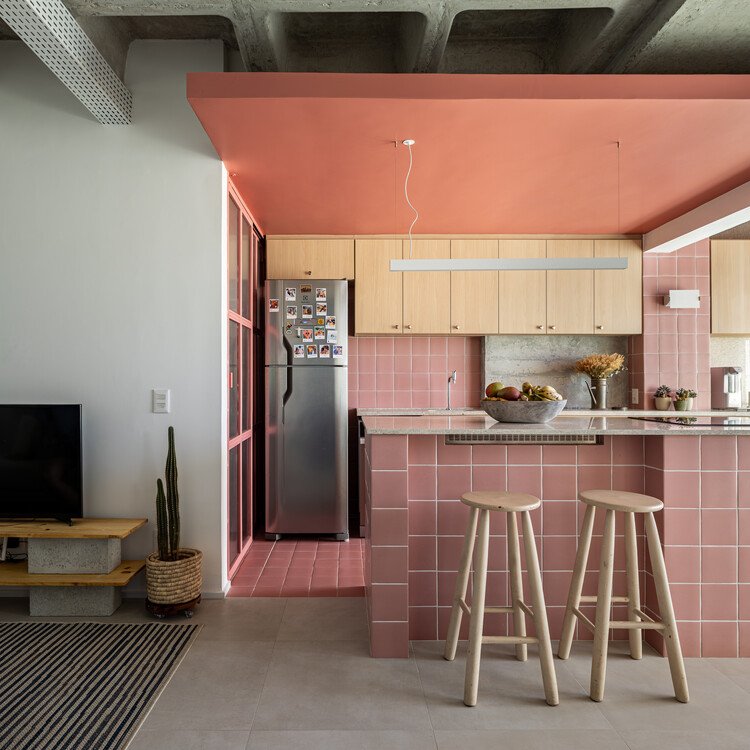
A 60 m² apartment brings cooking and hosting together. ArchUp examines how a clear entrance, exposed ceiling and shared counter reorganize daily use.
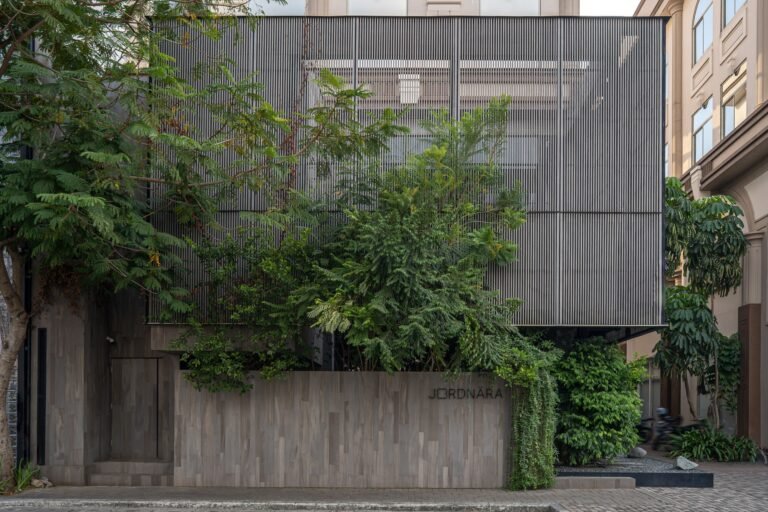
From Structural Constraint to Managed OpennessThe project is based on the transformation of two existing commercial buildings rather than constructing…
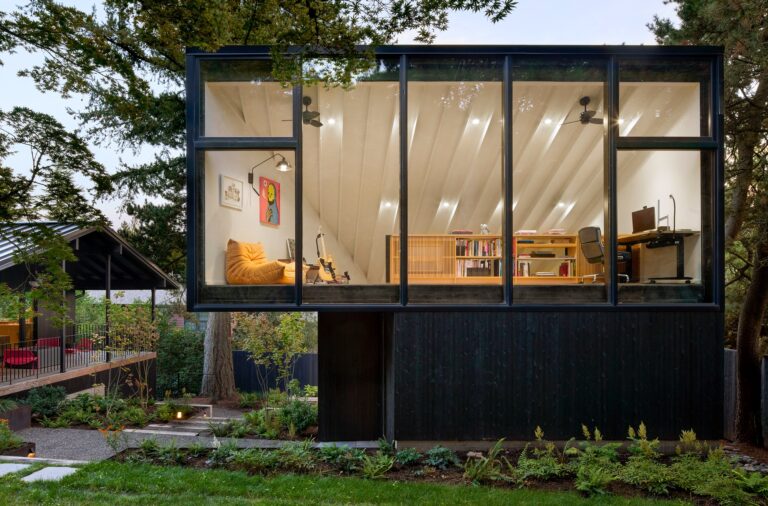
4015 House and Studio: Reconfiguring Space in the Era of Remote WorkThe project is located in the hills overlooking Portland…
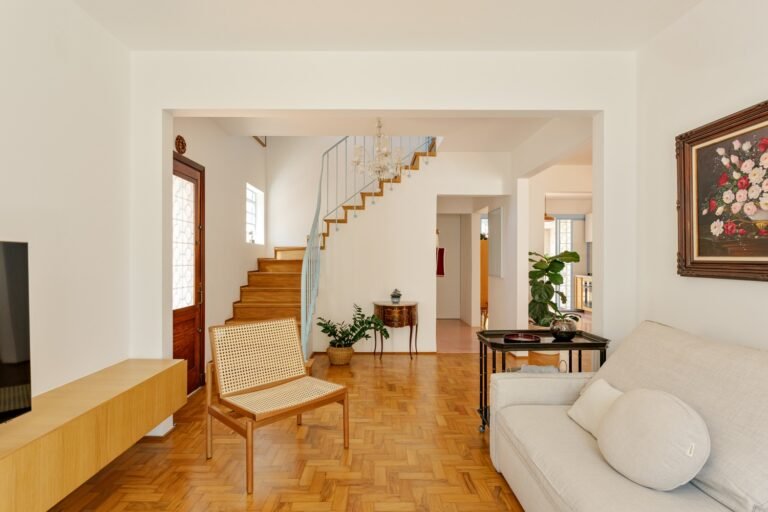
Reframing Spatial Organization and the Sensory Progression of the EntranceThe organization of the interior space relies on redirecting movement and…
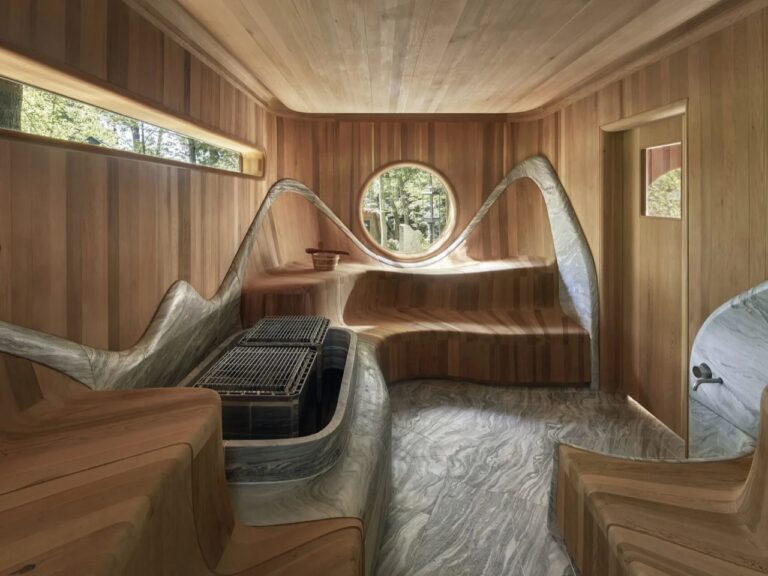
Scenography of Transformation: From Material Memory to Spatial ExperienceThe critical reading of the project emerges from the contrast between the…
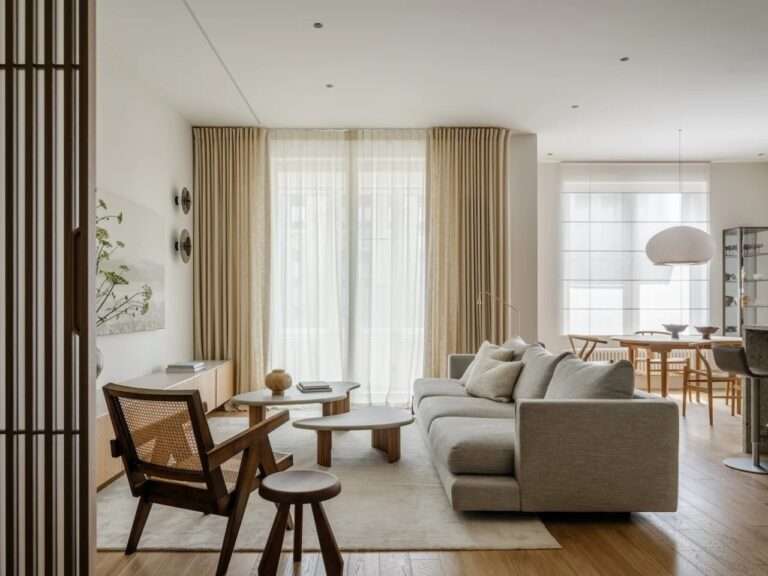
Spatial Dialogue and Movement FlowResidence Open reinterprets the philosophy of the Korean “hanok” and translates it into a spatial experience…
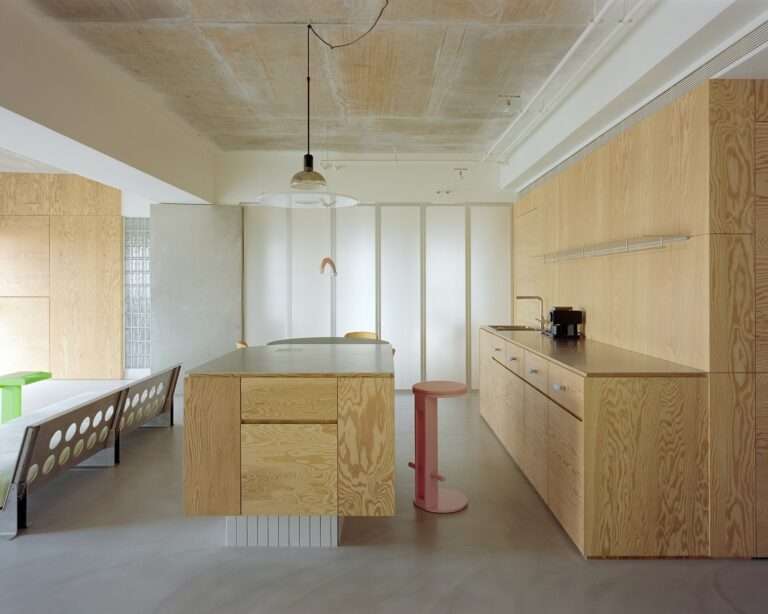
Materiality and the Spatial Narrative of the MassThe project is grounded in a redefinition of the residential space as an…

The Scenography of Containment: From Urban Noise to Spatial StillnessAlign Studio’s interior design approaches space as an integrated sensory environment,…

The Green Ribbon’s Kinetic Movement and the Shaping of Spatial ExperienceThe interior architecture of the DSK Bank branch in Sofia…
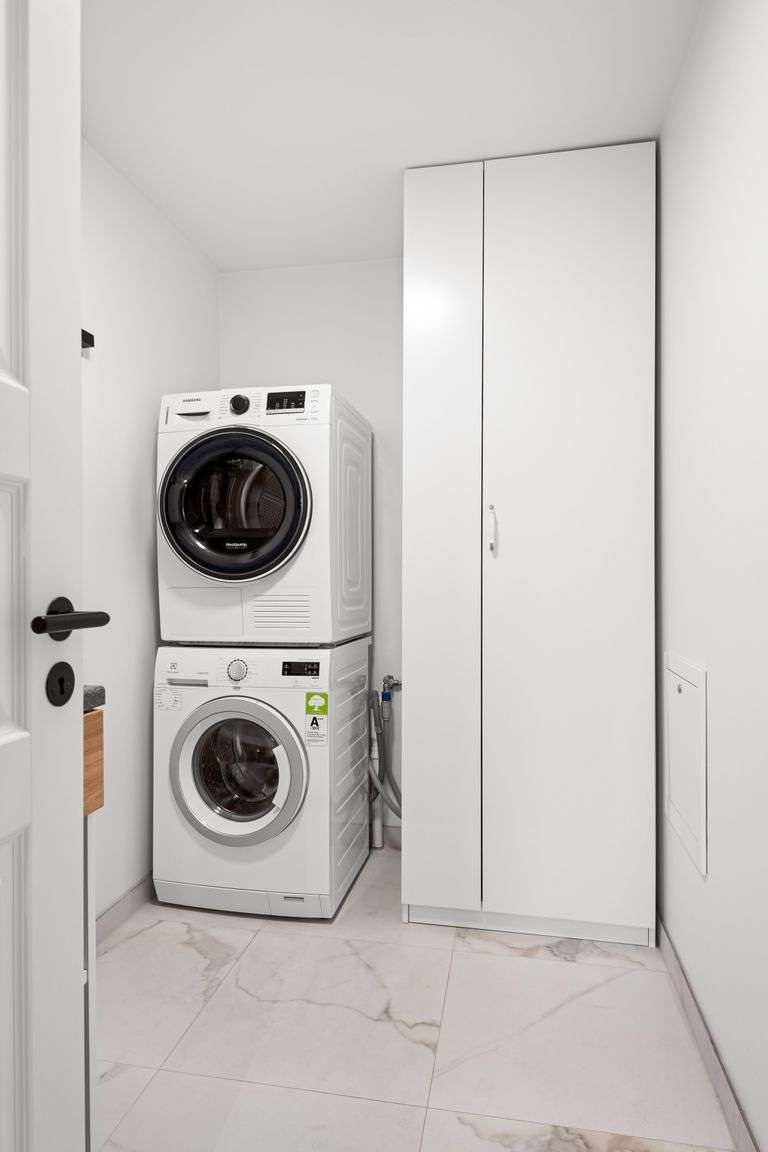
Efficient laundry room design in limited spaces prioritizes vertical storage and a clear workflow to maximize functionality. Utilizing narrow gaps…
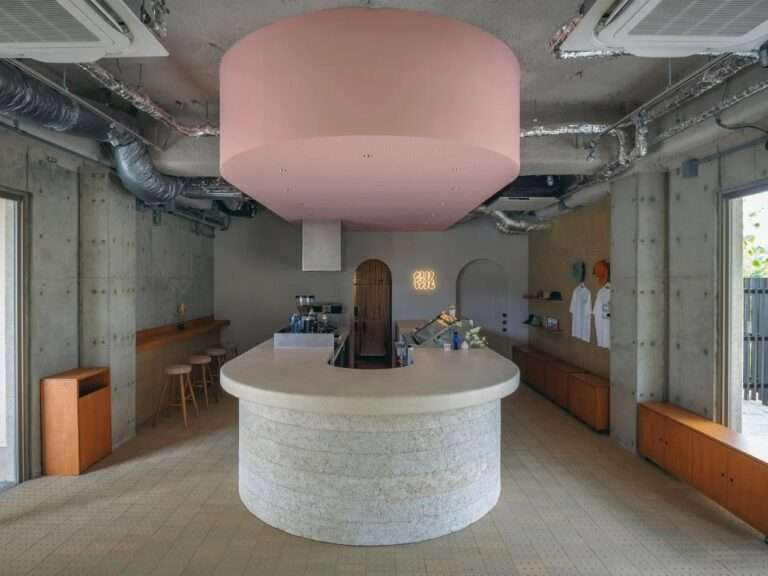
Spatial Experience and the Moment of TransitionDespite the project’s small footprint, the store was designed to offer visitors a calm…
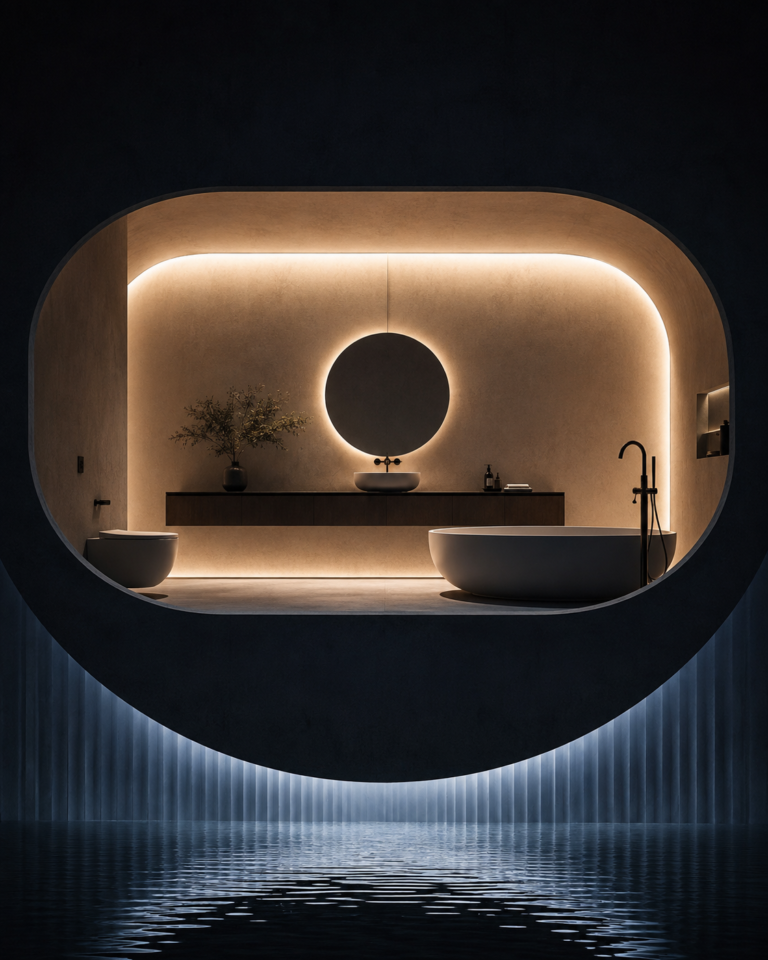
The history of the bathroom is a non-linear evolution of waste management, bathing, and water access. While ancient civilizations integrated…
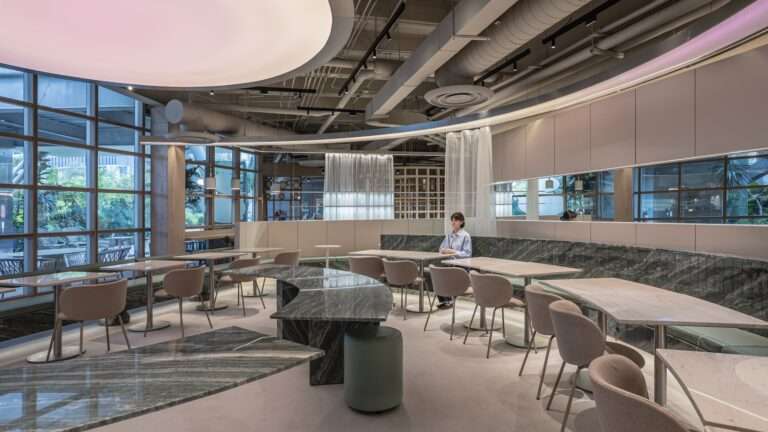
Shaping Identity from the Remnants of Leftover SpaceAt the heart of a food court, the Nectar Oum project occupies a…
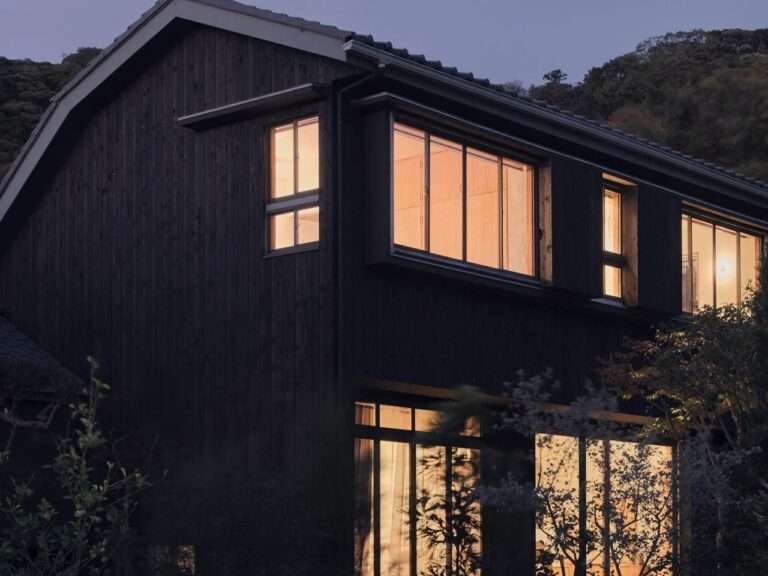
Spatial Transition and Rediscovering Latent PotentialThe renovation of existing buildings places architects before the challenge of engaging with previous structural…

Visual Contrast and Spatial SegmentationThe architectural response of the Blue Bottle Coffee Harajuku café by TEKI Design extends beyond simply…

Deconstructing Mass and Containing Spatial FlowThe transformation of this apartment, located in the Higienópolis district, is rooted in an architectural…
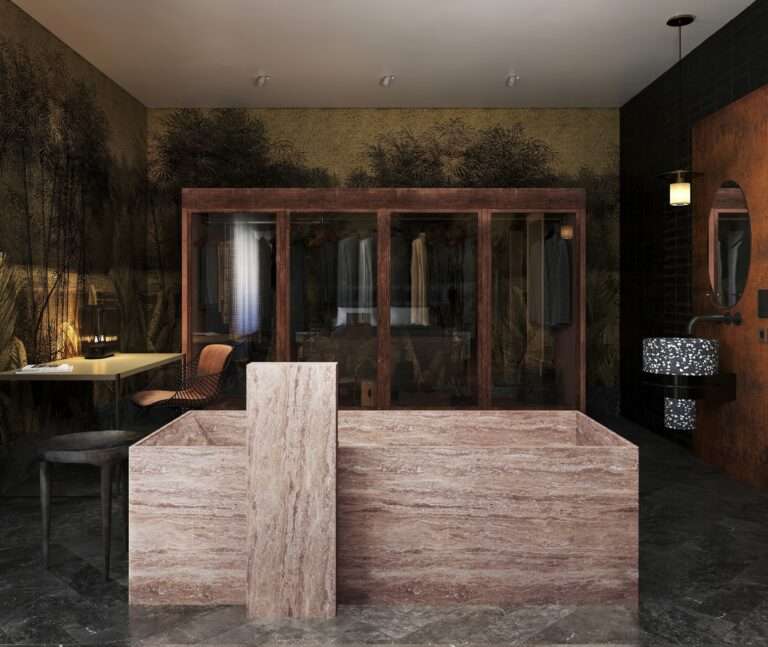
Eclectic Composition and the Balance Between Past and PresentThe project’s architectural identity is founded on an eclectic design language that…
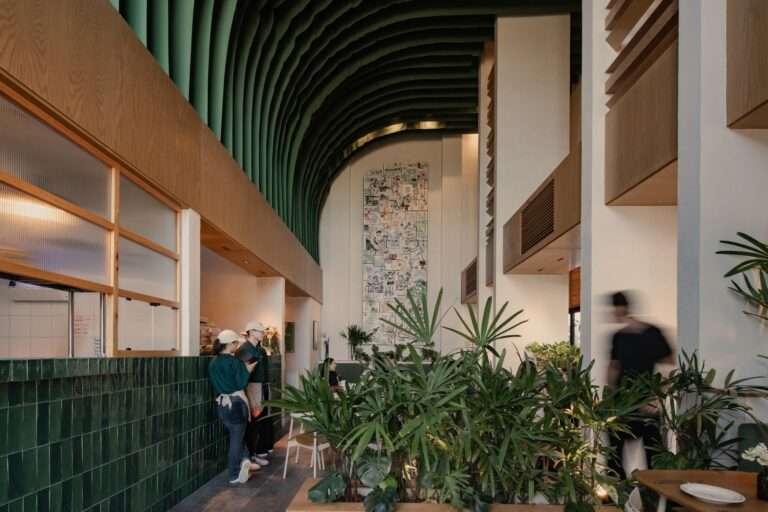
Spatial Transition and Scale Management at the EntranceThe spatial experience begins at the threshold between the exterior and interior, where…

Argentine football culture transforms ordinary locations into talismans believed to influence outcomes through ritual and association. By preserving specific rooms…