
AI in Architecture: Redefining Creativity, Efficiency, and Competitive Edge

The architecture, engineering, and construction (AEC) industry stands at a pivotal crossroads. While artificial intelligence (AI) rapidly transforms countless sectors, architecture remains notoriously slow to adapt. This reluctance risks leaving firms behind not just technologically, but creatively. My tenure at Zaha Hadid Architects instilled in me a fundamental truth: technology is not a threat, but an enabler of unprecedented design innovation. Today, as the leader of an AI-driven practice, I’ve witnessed firsthand how embracing these tools unlocks new creative dimensions, accelerates workflows, and redefines what’s possible—both for designers and clients.
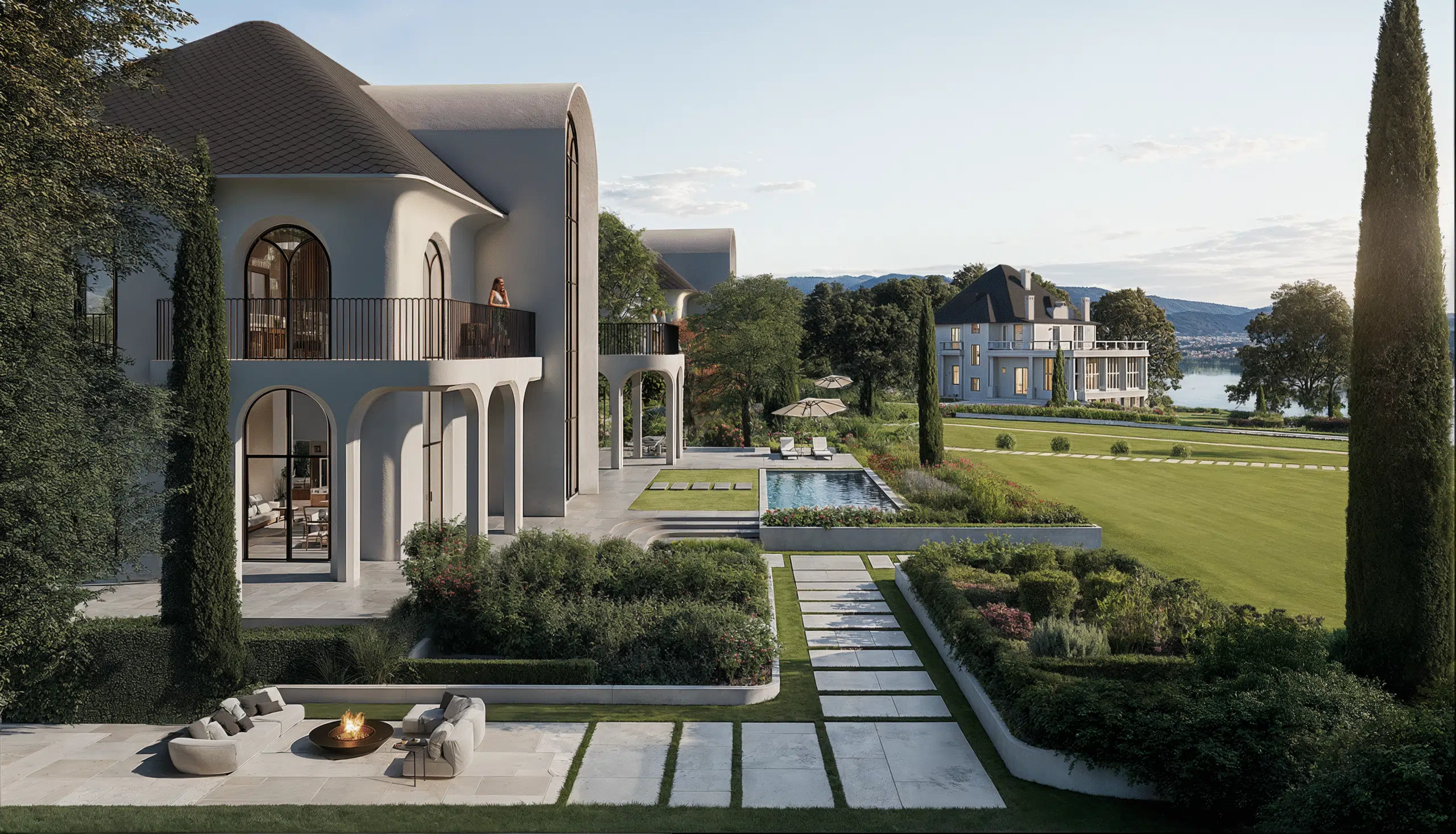
From Skepticism to Success: The Lake Bled Estate Case Study
When the clients for Lake Bled Estate approached us, they had already cycled through multiple globally renowned firms, none of whom delivered the visionary solution they sought. Entering the project at a critical stage, we took an unconventional approach: AI became our primary ideation partner, not just a rendering tool.
- Rapid, Visual Iteration: Instead of static sketches, we used AI to generate dynamic, evolving design conversations. The client previously disillusioned quickly re-engaged as we presented a spectrum of ideas, refining their preferences in real time.
- Overcoming Skepticism: Our local architectural partner initially doubted the validity of AI-generated concepts, mistaking them for final proposals rather than exploratory tools. Yet, within two months, we delivered a fully developed design package—including photorealistic renderings and interior schemes—far exceeding traditional concept-phase expectations. By the final presentation, even skeptics acknowledged the results.
This project wasn’t an exception; it became our standard. Today, we deploy AI-driven methodologies across projects in the Middle East and Europe, consistently achieving:
✔ Faster turnarounds
✔ Sharper client alignment
✔ Bolder, more ambitious designs
Critically, AI hasn’t replaced human creativity it has amplified it.
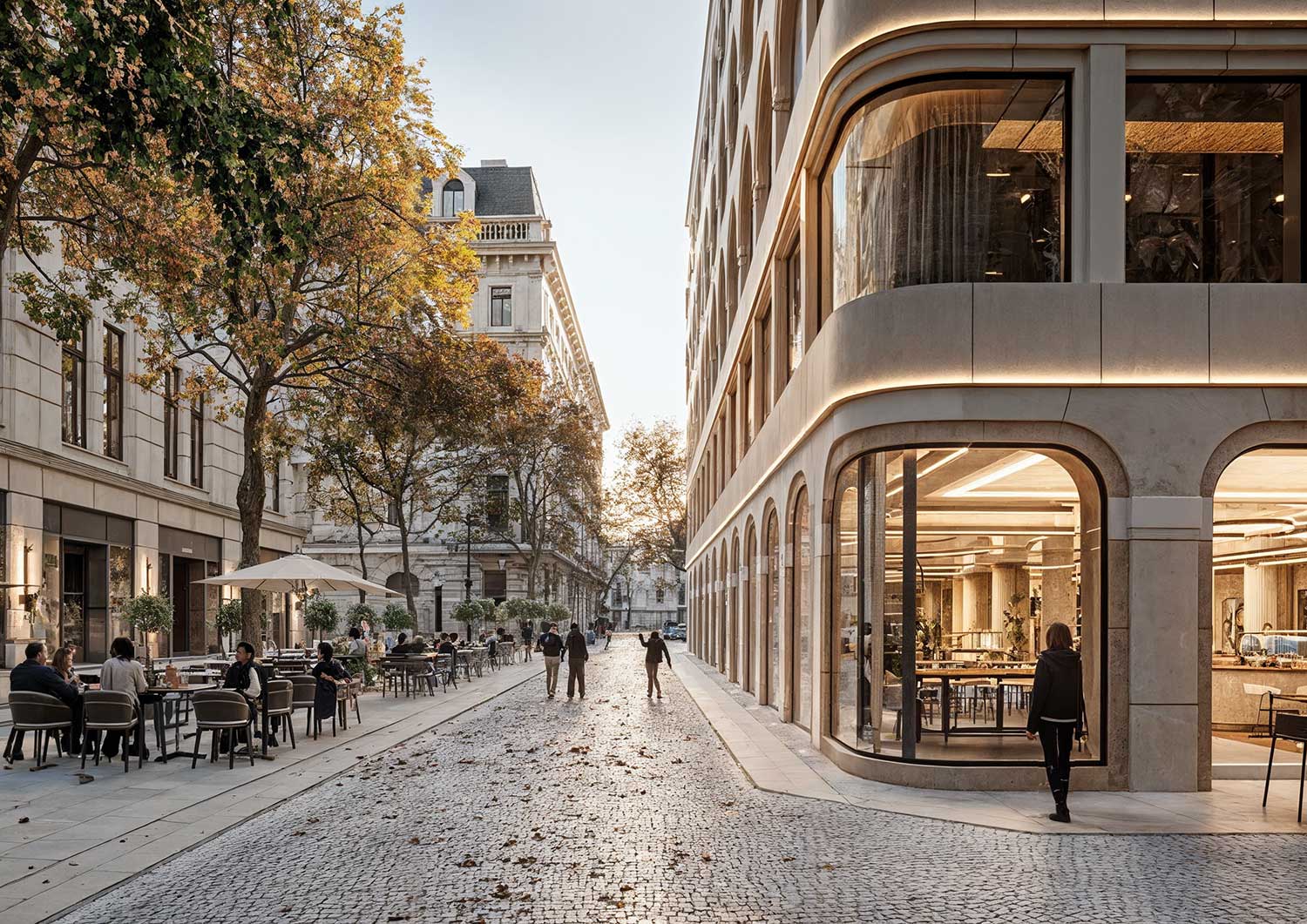
Talent Matters More Than Ever in the AI Era
Paradoxically, the deeper we integrate AI, the more essential human judgment becomes. Automation handles production; what remains irreplaceable is vision, taste, and direction. Accordingly, we’ve restructured our practice:
- From Production Hub to Think Tank: We prioritize raw creative talent over traditional drafting roles.
- AI-Driven Hiring: Resumes and portfolios no longer suffice. We recruit through live AI design hackathons, observing how candidates think, adapt, and innovate in real time.
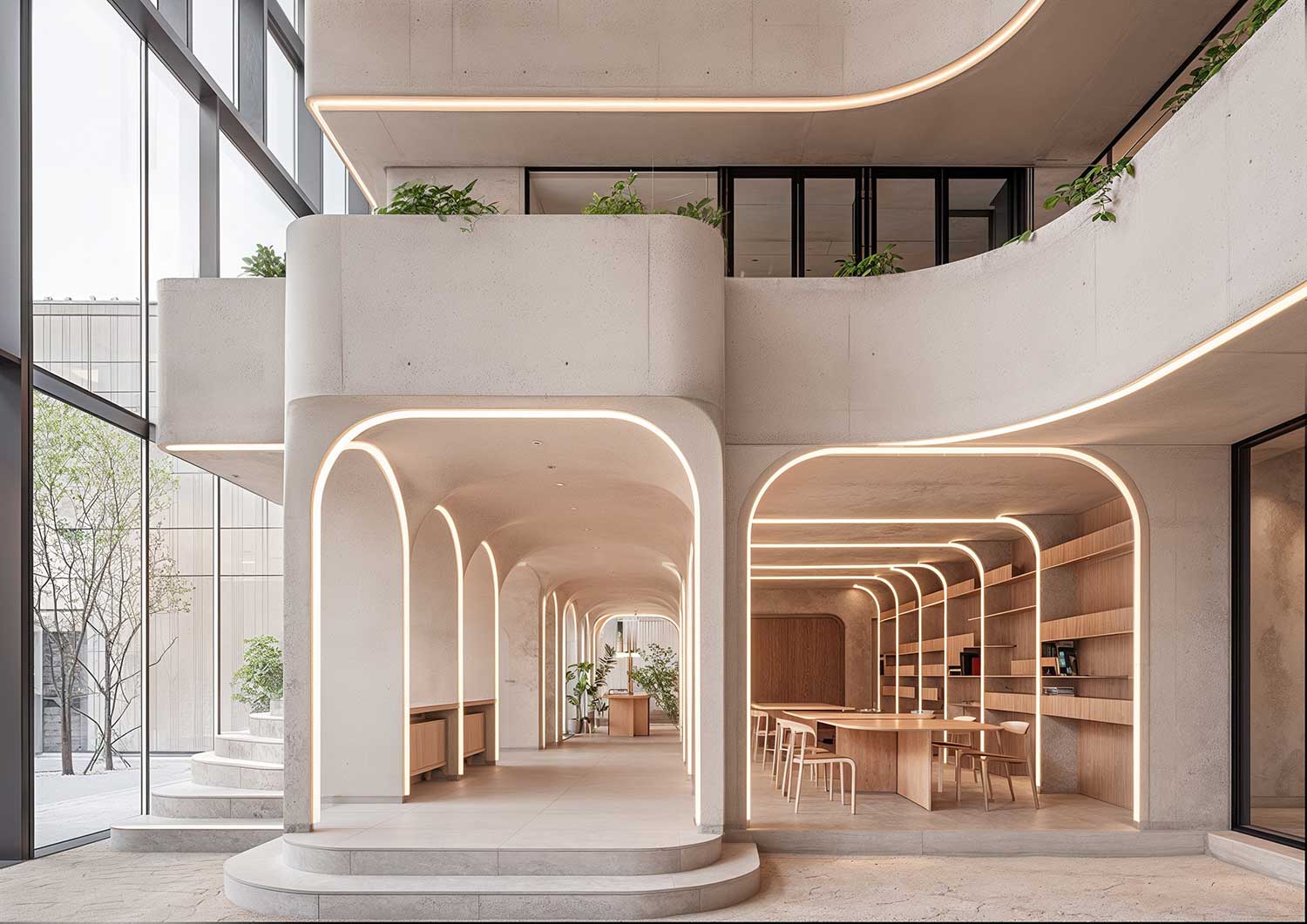
STF Labs: Where AI Meets Architectural Experimentation
Our research division, STF Labs, explores AI’s intersection with computational design, advanced materials, and speculative construction. This isn’t just about efficiency it’s about redefining architectural possibility.
- In-House CGI Revolution: AI now generates studio-grade renderings and animations, matching (or surpassing) specialist firms in speed and quality.
- Beyond Visualization: Large language models (LLMs) are evolving to interpret spatial briefs, conduct design research, and synthesize programmatic needs with structural performance.
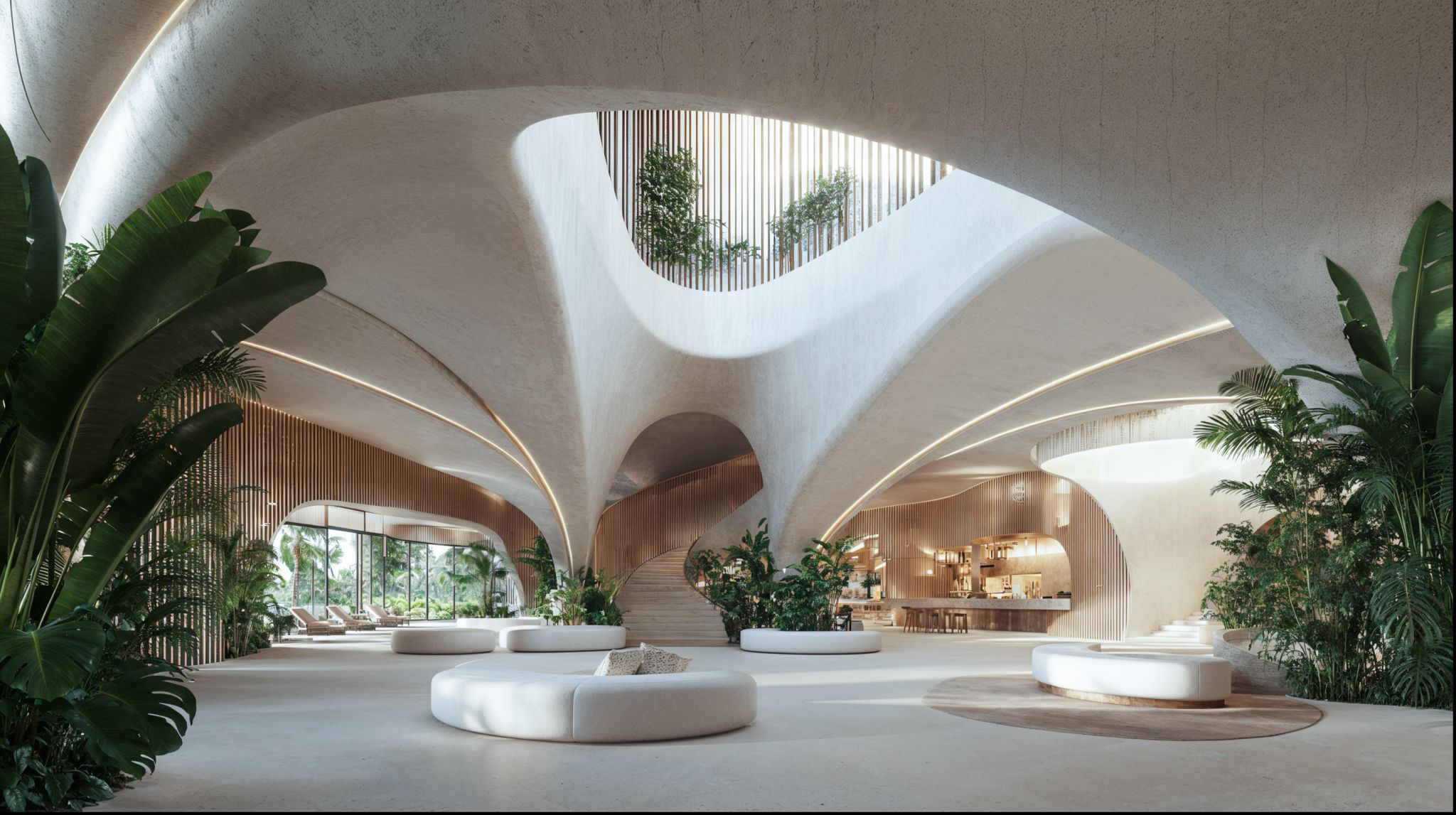
The Inevitable Shift: Adapt or Fall Behind
The message is clear: AI won’t replace architects, but architects using AI will replace those who don’t. The next decade will reward:
Agility over tradition
Experimentation over convention
Mastery of hybrid intelligence (human + artificial)
The profession is being rewritten. Will you cling to outdated methods or help draft the next chapter?
✦ ArchUp Editorial Insight
The integration of AI into architecture marks a seismic shift, transforming not just workflows but the very nature of creative problem-solving. The author compellingly argues that AI amplifies human potential, enabling smaller firms to compete with industry giants through speed, precision, and innovation. However, the piece could delve deeper into ethical considerations such as data bias in AI training or the societal impact of reduced traditional drafting roles to present a more balanced perspective. Despite this, the vision is undeniably persuasive: the future belongs to those who harness AI as a collaborator rather than resist it as a disruptor. The call to action is urgent, inspiring, and impossible to ignore.
Explore More with ArchUp
ArchUp documents the evolving profession of architects worldwide, from career insights and research to project profilesand industry news. Our editorial team publishes global salary trends, career advice, and opportunities for emerging talents. Learn more on our About page or Contact us to collaborate.



![Ismail Seleit at [AEC] Event: How AI is Redefining Architecture?](https://archup.net/wp-content/uploads/2025/08/التعب-الدقيق-الهروب-من-عقم-الكمال-الرقمي-في-التصميم.jpg.webp)
