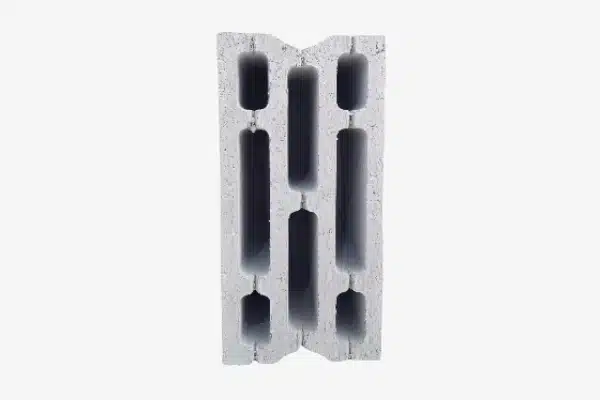
American Insulated Autoclaved Aerated Concrete (AAC) Block

Overview:
American Insulated Autoclaved Aerated Concrete (AAC) block is a lightweight, high-performance building material known for its superior thermal insulation, soundproofing, and fire resistance. Manufactured through a process involving high-pressure steam curing (autoclaving), AAC blocks have a porous structure, making them significantly lighter than traditional concrete blocks. These blocks are widely used in energy-efficient and sustainable construction due to their insulating properties and ease of installation.
Why You Should Use It:
- Superior Thermal Insulation: Reduces heating and cooling costs by maintaining stable indoor temperatures.
- Lightweight Structure: Weighs significantly less than conventional concrete, easing transportation and construction.
- Fire Resistance: Can withstand high temperatures up to 1200°C, providing excellent fire protection.
- Soundproofing Qualities: Absorbs sound effectively, enhancing acoustic comfort.
- Eco-Friendly Material: Made from natural and recycled materials, reducing environmental impact.
- High Load-Bearing Capacity: Suitable for structural and non-structural applications.
- Moisture Resistance: Prevents mold and mildew growth in humid environments.
Key Features:
| Property | Description |
|---|---|
| Density | 500–700 kg/m³ |
| Thermal Conductivity | 0.11–0.18 W/m·K |
| Compressive Strength | 3.5–5 MPa |
| Fire Resistance | Up to 4 hours at 1200°C |
| Sound Insulation | 45–55 dB |
| Water Absorption | 25–30% |
| Lifespan | 75+ years |
Uses:
- Residential and Commercial Buildings: Used for exterior and interior walls.
- Energy-Efficient Structures: Preferred for green buildings due to high insulation.
- Fire-Resistant Partitions: Ideal for walls in fire-sensitive areas.
- High-Rise Constructions: Reduces dead load, making it suitable for tall buildings.
- Acoustic Walls: Used in schools, hospitals, and hotels for noise reduction.
Dimensions:
| Dimension | Size Range |
|---|---|
| Length | 600 mm – 1200 mm |
| Width | 200 mm – 400 mm |
| Height | 100 mm – 300 mm |
Density:
- Dry Density: 500–700 kg/m³
- Saturated Density: 800–1000 kg/m³
Case Studies:
- Eco-Friendly Housing: Implemented in sustainable home projects to reduce energy consumption.
- Commercial High-Rise Buildings: Used in multi-story constructions for its lightweight benefits.
- Industrial Facilities: Applied in factories for its fireproof and soundproof capabilities.
Applications in Practice:
AAC blocks have revolutionized modern construction by offering a balance between strength, insulation, and sustainability. Their lightweight nature and energy efficiency make them ideal for a variety of applications.
Installation Recommendations:
- Use Thin-Bed Mortar: Ensures strong adhesion and minimizes heat loss.
- Reinforcement for Load-Bearing Walls: Recommended for enhanced structural stability.
- Proper Curing: Let blocks dry fully before applying finishes.